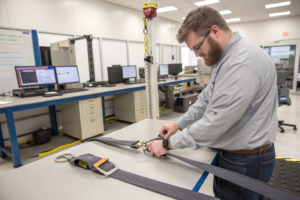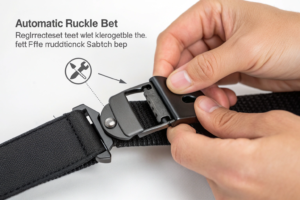
International shipping involves multiple points where products can be damaged, lost, or delayed, creating significant financial risks for both suppliers and buyers. Defective shipments—whether due to transportation damage, customs issues, or carrier errors—can disrupt supply chains, damage customer relationships, and create substantial financial losses. Traditional shipping agreements often leave liability ambiguities that lead to disputes and strained business relationships.
Negotiating liability terms for defective shipments requires clear defect definitions, documented inspection protocols, predetermined resolution processes, and fair cost allocation frameworks. Successful negotiation involves understanding international shipping conventions, establishing mutual risk acceptance, and creating systematic approaches for addressing issues when they inevitably occur.
The complexity of global supply chains makes defective shipments a matter of "when" rather than "if." This guide provides a strategic framework for negotiating liability terms that protect all parties while maintaining business relationships when problems occur.
What Key Elements Define Defective Shipment Liability?
Clear definitions form the foundation of effective liability negotiations. Ambiguous terms like "damaged" or "defective" create interpretation disputes that complicate resolution processes. Precise language establishes objective standards for identifying and addressing problems.
Comprehensive liability terms should address physical damage, quantity discrepancies, quality deviations, and timing failures. Each category requires specific definitions, documentation requirements, and resolution pathways to prevent misunderstandings.
How Should "Defective" Be Specifically Defined?
A robust defective shipment definition should include measurable quality standards and objective criteria such as:
- Percentage of damaged units requiring replacement
- Specific quality standards referenced by certification
- Functional performance requirements
- Visual and cosmetic defect thresholds
Referencing established industry standards or previous acceptable shipments creates objective benchmarks that reduce subjective interpretations.
What Documentation Requirements Support Claims?
Effective liability terms must specify required evidence for defect claims, including:
- Timestamped photos/videos of unopened shipments
- Independent inspection reports from certified agencies
- Carrier damage reports with official documentation
- Comparative samples demonstrating quality deviations
Establishing documentation standards before shipping prevents disputes about evidence validity when problems occur.
What Inspection Protocols Prevent Liability Disputes?
Systematic inspection processes create objective records that determine whether issues originated during manufacturing, transportation, or handling. Well-defined inspection protocols establish clear responsibility timelines and prevent "he said, she said" disputes.
The most effective inspection systems involve multiple checkpoints, standardized procedures, and neutral third-party verification. These elements collectively create defensible positions when defects are identified.

How Do Pre-Shipment Inspections Establish Baselines?
Independent pre-shipment inspections conducted by certified agencies document product condition before transportation begins. These inspections should:
- Verify quantity and configuration accuracy
- Document product quality against agreed standards
- Record packaging integrity and compliance
- Provide timestamped visual evidence
This baseline documentation determines whether issues existed before shipping commenced.
What Receiving Inspection Procedures Ensure Fair Assessment?
Systematic receiving inspections should occur within specified timeframes after delivery, typically 24-72 hours for visible defects. Effective procedures include:
- Immediate photographic documentation of packaging condition
- Sequential unboxing with continuous video recording
- Random sampling against statistical quality standards
- Comparison against pre-shipment inspection reports
These methods create compelling evidence chains that support fair liability determinations.
What Resolution Frameworks Balance Interests?
When defects occur, predetermined resolution processes prevent emotional reactions and business relationship damage. Effective frameworks prioritize practical solutions over fault assignment while ensuring fair cost distribution.
The most successful resolution systems offer multiple pathways tailored to defect severity, business impact, and relationship importance. Flexibility within structure creates adaptable solutions for varying circumstances.

How Do Tiered Resolution Options Create Flexibility?
Multi-tiered resolution systems address defects based on severity:
- Minor defects (under 5%): Credit memos or price adjustments
- Moderate defects (5-15%): Partial replacements with shared shipping
- Major defects (over 15%): Full replacement with supplier-bearing costs
- Critical defects: Immediate replacement plus compensation for business impact
This graduated approach matches solutions to problem severity while maintaining proportionality.
What Cost Sharing Models Fairly Distribute Responsibility?
Hybrid responsibility models often prove most sustainable, such as:
- Supplier covers manufacturing defects and replacement production
- Buyer covers minor damage and inspection costs
- Shared responsibility for transportation damage based on packaging standards
- Insurance claims for catastrophic losses exceeding thresholds
These models recognize that some risks should be mutually borne as business collaboration costs.
What Insurance and Legal Considerations Impact Liability?
Understanding the intersection of contractual liability, insurance coverage, and legal frameworks ensures comprehensive protection. Gaps between these elements create unexpected exposures that can devastate businesses.
Insurance requirements, jurisdictional considerations, and limitation of liability clauses must align to create coherent protection. Misalignment creates coverage gaps that leave parties unexpectedly exposed.

How Should Insurance Requirements Be Specified?
Contracts should mandate specific insurance coverage types and minimum amounts, including:
- Marine cargo insurance covering all-risk transportation
- Product liability insurance for manufacturing defects
- Errors and omissions coverage for documentation issues
- Minimum coverage amounts based on shipment values
Requiring certificate of insurance verification before shipping ensures coverage is active and adequate.
What Liability Limitations Protect Both Parties?
Reasonable limitation of liability clauses should cap exposure while ensuring meaningful recourse:
- Limit liability to shipment value for most defects
- Exclude consequential damages unless specifically negotiated
- Allow full recovery for gross negligence or intentional misconduct
- Specify dispute resolution methods (mediation, arbitration, litigation)
These limitations create predictable risk exposure while maintaining accountability for performance failures.
| Defect Type | Responsibility | Resolution | Timeframe |
|---|---|---|---|
| Manufacturing Defects | Supplier | Replacement/credit | 30 days |
| Transportation Damage | Carrier/Insurance | Claim/replacement | 15 days |
| Quantity Discrepancies | Shared | Documentation review | 7 days |
| Quality Deviations | Supplier | Inspection/credit | 14 days |
Conclusion
Negotiating liability terms for defective shipments requires creating clear definitions, systematic inspection protocols, flexible resolution frameworks, and comprehensive insurance alignment. By addressing these elements proactively, businesses can transform potential conflicts into managed business processes that preserve relationships while ensuring fair outcomes. The most successful approaches recognize that some defects are inevitable in global trade and focus on creating systems that handle them efficiently rather than attempting to eliminate all risk.
Ready to establish clear liability terms for your belt shipments? At StylishBelts, we believe transparent liability frameworks build stronger partnerships. Contact our Business Director Elaine today at elaine@fumaoclothing.com to discuss how our systematic approach to shipment liability can protect your business while ensuring product quality.