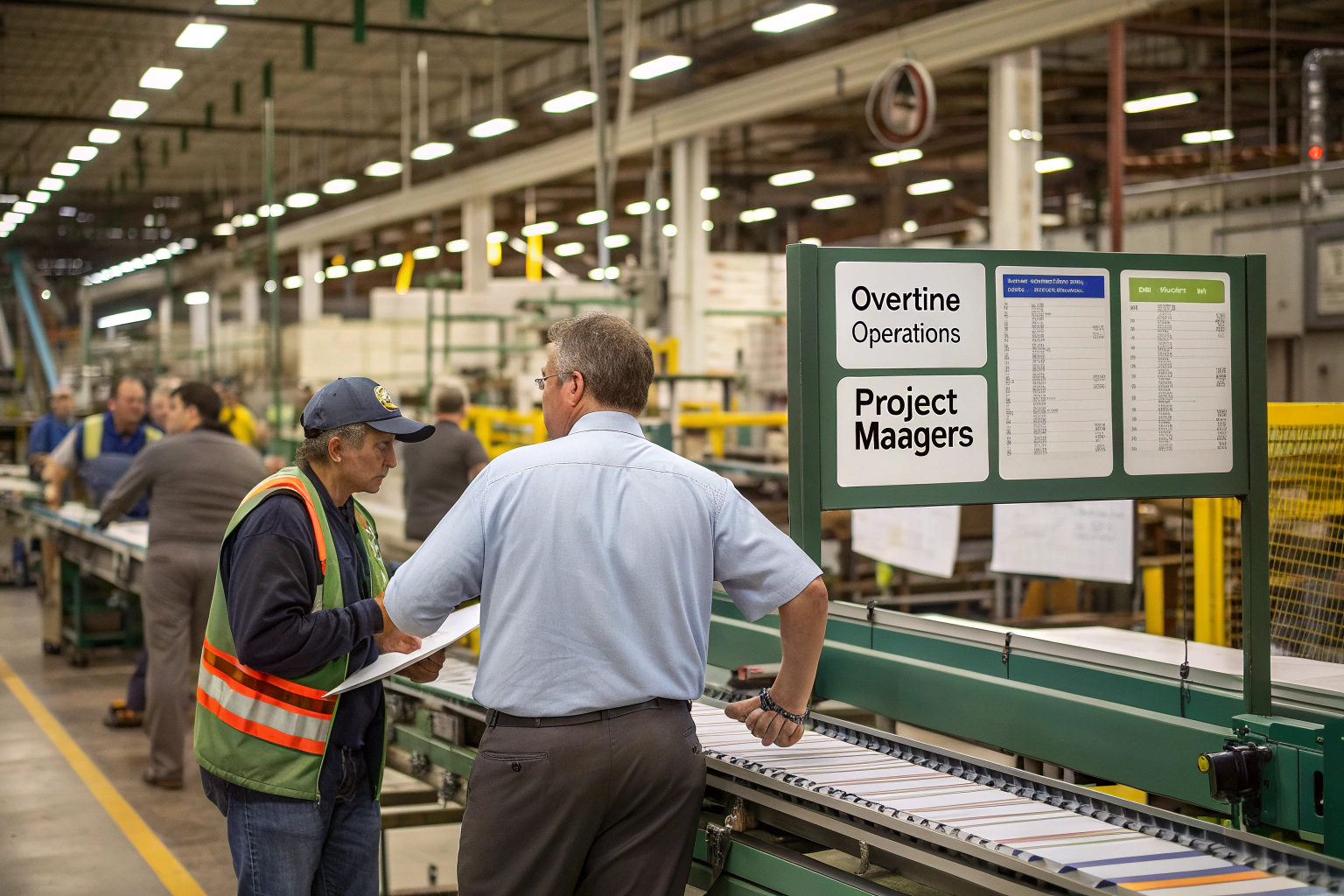
Urgent production requests create chaos in manufacturing schedules, disrupt supply chains, and increase costs significantly. When your retail customers need belts immediately for unexpected demand or when inventory shortages threaten sales, you face difficult negotiations with factories about rush fees that can increase costs by 30-100%. Understanding how to navigate these negotiations protects your margins while ensuring you get the production capacity you need.
Negotiating rush fees for urgent belt production requires understanding factory cost structures, building strategic relationships, offering reciprocal benefits, and creating win-win scenarios. Successful negotiators focus on transparency about the emergency, reasonable requests that minimize factory disruption, and long-term relationship value rather than just price. The most effective approaches combine fair compensation for factories with maintained production quality and delivery reliability.
The fashion industry faces rush production requests on approximately 15-20% of orders, with belt production particularly susceptible to urgent requests due to their accessory nature and frequent inventory miscalculations. Mastering rush fee negotiations represents a critical skill for procurement professionals in the competitive fashion industry.
What Factors Determine Rush Fee Structures?
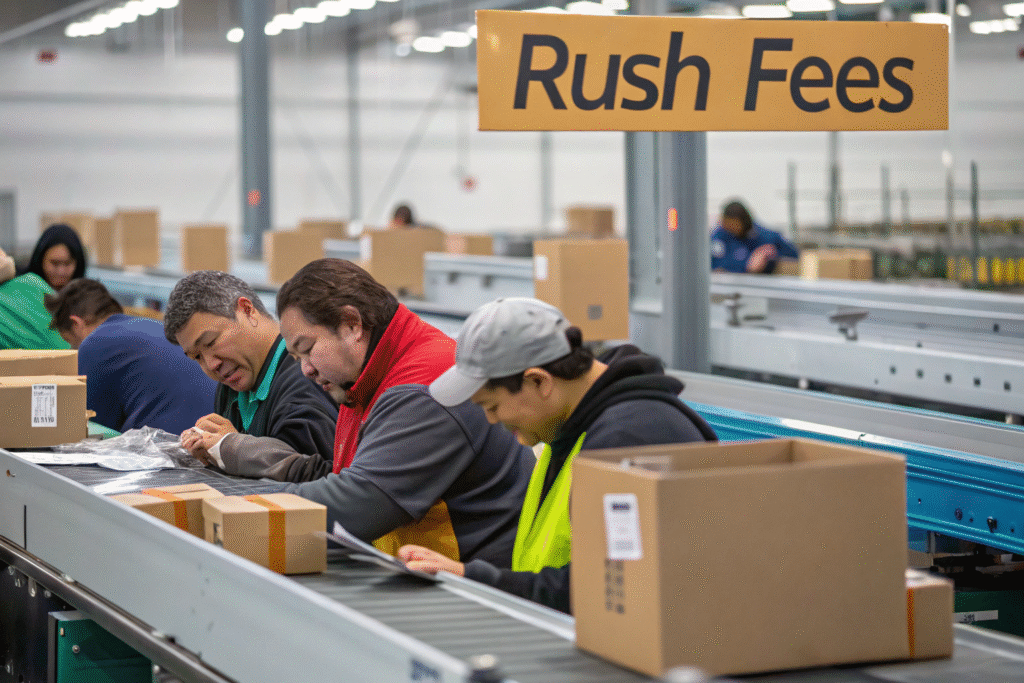
Rush fees aren't arbitrary penalties but calculated compensations for real costs and disruptions. Factories face significant expenses when rearranging production schedules, paying overtime premiums, expediting material deliveries, and disrupting their workflow efficiency. Understanding these cost components enables more informed negotiations.
The primary cost drivers include overtime wages (typically 150-200% of regular rates), expedited material shipping costs (often 2-3x standard freight), production line changeover inefficiencies, and opportunity costs from delayed other orders. Factories also factor in risk premiums for potential quality issues when working at accelerated paces.
How Do Production Complexity and Volume Impact Fees?
Simple belt designs with available materials typically incur lower rush fees (25-40%) than complex designs requiring special buckles, exotic leathers, or intricate tooling (50-100%). Higher volume orders spread fixed rush costs across more units, creating better per-unit economics. Orders under 500 units often face proportionally higher rush fees due to setup costs representing larger percentages.
The manufacturing cost accounting principles demonstrate that rush production affects both direct and indirect costs. Factories calculate not just additional labor and materials but also allocated overhead for factory space, management attention, and administrative support. Understanding this comprehensive cost perspective helps negotiators identify areas for potential compromise.
What Timeline Variables Most Influence Pricing?
The production timeline compression significantly impacts rush fees. Requests requiring 50% time reduction typically incur 30-50% premiums, while 75% compression often doubles costs. The notice period before production also matters—requests with 2-week notice face higher premiums than those with 4-week notice, even with similar compressed production periods.
The critical path method in manufacturing explains why certain timeline reductions cost disproportionately more. Shortening activities on the critical path creates cascading schedule impacts requiring multiple workstream acceleration. Negotiations that avoid compressing these bottleneck activities can significantly reduce rush fees while still achieving needed delivery dates.
How Can Relationship Management Reduce Rush Costs?
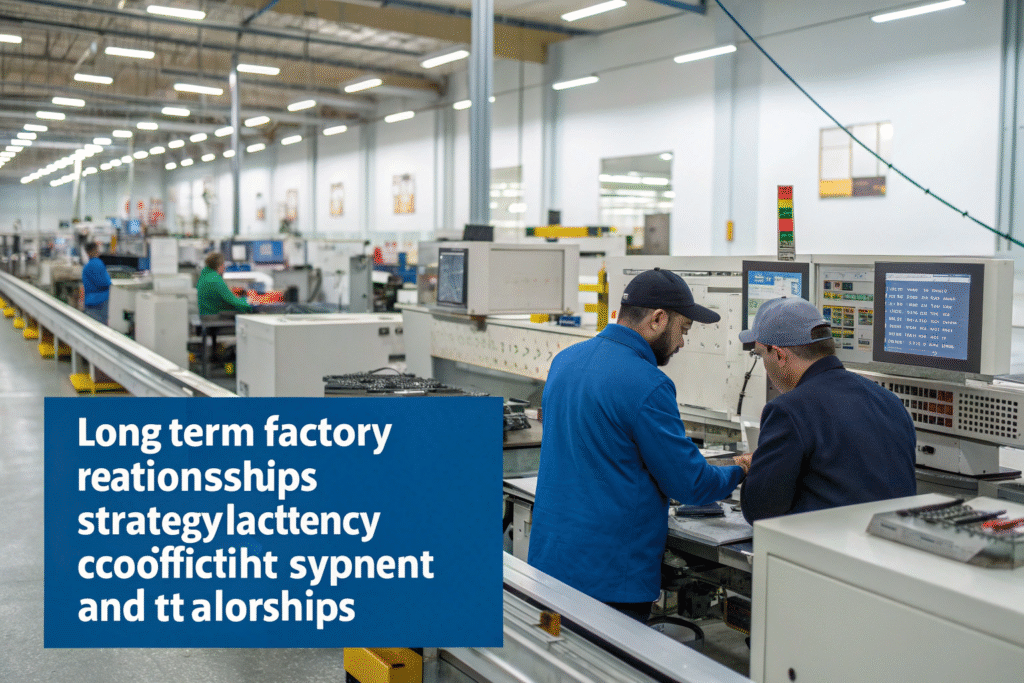
Long-term factory relationships represent the most powerful tool for managing rush production costs. Suppliers prioritize and accommodate partners who provide consistent business, prompt payments, and reasonable expectations. The trust built through repeated successful collaborations creates flexibility during emergencies.
Factories typically categorize clients into strategic partners, regular customers, and transactional relationships. Strategic partners providing year-round business and collaborative planning receive preferential rush treatment and more reasonable fees. The lifetime value calculation influences how factories handle urgent requests.
What Relationship Behaviors Build Rush Production Flexibility?
Consistent communication, realistic forecasting, and prompt payment history create relational capital that factories consider during rush requests. Clients who provide accurate production forecasts (even when not ordering), share marketing plans that might create future demand spikes, and settle invoices quickly build goodwill that translates to rush fee concessions.
The supplier relationship management framework emphasizes mutual value creation beyond transactional interactions. Manufacturers who involve factories early in product development, provide constructive feedback, and maintain reasonable quality expectations establish partnerships rather than mere vendor relationships. These deeper connections prove invaluable during production emergencies.
How Does Order History Influence Rush Negotiations?
Clients with consistent order volumes throughout the year, reasonable seasonality patterns, and transparent communication about demand fluctuations receive more favorable rush terms. Factories can plan capacity around predictable partners, making occasional rush requests more manageable. Erratic ordering patterns make capacity planning difficult, increasing rush fees when emergencies occur.
The economic order quantity model demonstrates how consistent ordering patterns optimize factory operations. Clients aligning with these patterns build trust that translates to approximately 15-30% lower rush fees compared to unpredictable partners. Demonstrating understanding of production economics during negotiations further strengthens this trust.
What Negotiation Strategies Minimize Rush Premiums?
Effective rush fee negotiations focus on creating mutual benefit rather than just price reduction. Successful negotiators identify what factories value beyond immediate profit and structure requests to minimize disruption while offering compensatory benefits. This collaborative approach typically yields better outcomes than adversarial bargaining.
The most effective negotiators approach rush requests as problem-solving exercises rather than transactions. They acknowledge the factory's challenges, demonstrate understanding of the impacts, and propose solutions that address both parties' critical needs. This respectful approach maintains relationships while achieving business objectives.

What Concessions Can Offset Rush Fee Reductions?
Offering extended payment terms provides factories financial flexibility that can justify lower rush premiums. Committing to future orders during typically slow periods helps smooth production capacity. Agreeing to absorb expedited shipping costs directly rather than through factory markup can reduce overall expenses while maintaining factory margins.
The negotiation theory of integrative bargaining emphasizes creating value for both parties rather than just distributing fixed value. Successful rush negotiations might include sharing market data that helps factories plan future production, providing testimonials for the factory's capabilities, or agreeing to simplified quality inspections that reduce factory administrative burdens during compressed timelines.
How Can Order Modifications Reduce Rush Impacts?
Simplifying order specifications can significantly reduce rush premiums. Removing complex custom buckles, accepting standard rather than custom colors, or agreeing to slightly relaxed quality standards for non-critical components can accelerate production without compromising the final product's marketability. These modifications demonstrate flexibility that factories reward with better terms.
The design for manufacturability principles explain how small design changes can dramatically impact production efficiency. During rush negotiations, clients who understand these principles and propose specific, reasonable simplifications typically achieve 20-40% lower rush fees while maintaining delivery dates. This technical knowledge positions negotiators as informed partners rather than demanding customers.
How Should Rush Fee Agreements Be Structured and Documented?
Clear documentation prevents misunderstandings and ensures both parties fulfill their commitments. Rush production introduces additional variables that standard purchase orders don't adequately address. Specific documentation of timelines, responsibilities, and consequences creates accountability that protects both buyer and supplier.
The most effective rush agreements clearly define production milestones, quality standards despite accelerated timelines, communication protocols, and problem-resolution procedures. They also specify circumstances that might adjust fees, such as material delays beyond either party's control or quality issues requiring production adjustments.

What Contract Elements Protect Both Parties in Rush Scenarios?
Clearly defined delivery windows rather than single dates accommodate minor production variations without creating disputes. Staged payment terms that align with production milestones rather than just final delivery maintain cash flow for factories while providing clients assurance of progress. Mutual escape clauses for fundamental disruptions protect both parties from catastrophic outcomes.
The Uniform Commercial Code provisions regarding commercial practicality and impossibility provide legal frameworks for unexpected disruptions. Well-drafted rush agreements reference these principles, establishing reasonable expectations about how unforeseen events will be handled. This legal sophistication prevents relationships from fracturing when truly unexpected problems occur.
How Can Performance Metrics Guide Future Rush Negotiations?
Documenting actual versus planned production timelines, quality performance compared to standard production, and communication effectiveness creates data for future negotiations. Factories that consistently deliver rush orders with minimal quality degradation and good communication deserve preferential treatment in future emergencies. This performance-based approach rewards reliability.
Implementing a supplier scorecard system specifically for rush production creates objective criteria for evaluating factory performance under pressure. Sharing these evaluations with factories demonstrates serious approach to partnership while providing concrete feedback for improvement. This systematic approach transforms rush production from recurring crisis to managed process.
Conclusion
Negotiating rush fees for urgent belt production requires balancing immediate needs with long-term relationships. The most successful approaches combine fair compensation for factories with strategic concessions that minimize business disruption. Understanding factory cost structures, building relational capital, and creating mutually beneficial solutions transforms rush production from adversarial transactions to collaborative problem-solving.
The ability to effectively manage rush production represents a significant competitive advantage in the fast-paced fashion industry. By developing strong factory relationships, maintaining transparency about emergencies, and structuring agreements that protect both parties, companies can navigate production crises while preserving margins and partnerships.
Ready to establish rush production protocols with a reliable manufacturing partner? Contact our Business Director, Elaine, at elaine@fumaoclothing.com to discuss how our flexible production capabilities and transparent rush fee structure can support your urgent belt production needs while maintaining quality and relationship integrity.