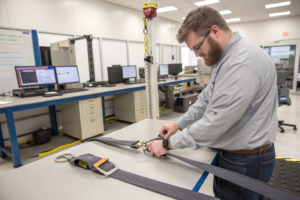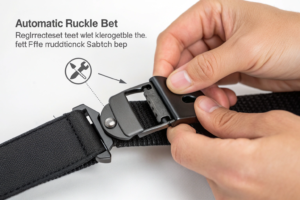
The sample development phase represents one of the most challenging aspects of working with Chinese manufacturers, particularly in Zhejiang province where belt manufacturing expertise concentrates. Brands face a difficult balancing act: obtaining high-quality samples that accurately represent production capabilities while managing upfront costs that can quickly escalate. What negotiation strategies ensure access to quality sampling without jeopardizing manufacturer relationships or breaking development budgets?
Negotiating sample costs with Zhejiang manufacturers requires understanding their pricing structure, demonstrating serious business potential, offering mutual concessions, and building toward long-term partnerships. Successful negotiations typically reduce sample costs by 30-70% while maintaining quality standards, through approaches like bulk sample ordering, cost sharing arrangements, and future production credit systems. The most effective strategies treat sampling not as an isolated transaction but as the foundation of a manufacturing relationship.
Effective sample cost negotiation demands cultural awareness, technical understanding, and business acumen. Let's examine the manufacturer perspective, negotiation tactics, cost structure understanding, and relationship building that lead to favorable sampling arrangements.
What Factors Influence Zhejiang Manufacturers' Sample Pricing?
Understanding what drives sample costs enables more informed negotiations. Manufacturers don't arbitrarily set sample pricing—specific factors determine their quoted prices and flexibility.
Key pricing factors include material specialization, labor intensity, tooling requirements, administrative overhead, and the manufacturer's assessment of your business potential. Each element contributes to the total sample cost and represents potential negotiation leverage points.

How Do Material Costs Impact Sample Pricing?
Material costs significantly impact sample pricing because manufacturers must source small quantities of specialized materials without volume discounts. For belt sampling, this includes specific leather types, custom hardware, unique dyes, and specialized interfacing materials. The more specialized or premium the materials, the higher the sample cost—full-grain leather samples might cost 3-5x more than synthetic equivalents. Manufacturers also include material waste factors since they cannot efficiently utilize entire material units for small samples. Raw material pricing data from the China Leather Industry Association helps buyers understand baseline material costs.
Why Does Labor Intensity Vary So Much Between Samples?
Labor intensity varies dramatically between samples based on construction complexity, hand-work requirements, and technical challenges. A simple webbing belt might require 15-20 minutes of labor, while a complex hand-tooled leather belt with custom buckle could demand 2-3 hours of skilled craftsmanship. Manufacturers factor this time at premium rates since sample production disrupts regular manufacturing flow and requires their most experienced workers. Understanding standard minute values from the International Labor Organization helps evaluate labor cost reasonableness.
What Negotiation Strategies Yield the Best Results?
Successful sample cost negotiation requires specific approaches that respect manufacturer constraints while achieving your budget objectives. Generic negotiation tactics often fail in the specific context of Chinese manufacturing.
Effective negotiation strategies include demonstrating serious intent, offering mutual concessions, leveraging multiple projects, and proposing alternative arrangements. These approaches create win-win scenarios rather than zero-sum bargaining.

How Can Demonstrating Business Potential Reduce Costs?
Demonstrating business potential reduces sample costs by convincing manufacturers that initial sampling investments will yield substantial future production orders. This includes sharing business plans, target market analysis, retail partnerships, and realistic volume projections. Manufacturers are significantly more flexible with clients showing credible pathways to 10,000+ unit annual orders than with speculative inquiries. The most convincing demonstrations include letters of intent from retailers or evidence of successful previous product lines. Business documentation standards from the Zhejiang Department of Commerce help structure compelling business cases.
What Mutual Concessions Create Win-Win Outcomes?
Mutual concessions that create win-win outcomes include accepting slower sample timelines for reduced costs, agreeing to bulk sample orders that amortize setup charges, sharing material sourcing responsibilities, and offering exclusive manufacturing rights for successful designs. The most effective concessions address manufacturer pain points—like production scheduling efficiency or material utilization—while providing you cost relief. This approach transforms negotiation from adversarial bargaining to collaborative problem-solving. Negotiation frameworks from the Harvard Negotiation Project provide principles for creating value in negotiations.
How Can You Minimize Costs Through Strategic Sampling?
Strategic approaches to the sampling process itself can significantly reduce costs while maintaining development effectiveness. Smart sampling requires planning and discipline rather than simply negotiating harder on predetermined samples.
Cost-minimization strategies include staged sampling approaches, material standardization, design simplification, and consolidated sampling schedules. These methods reduce sampling expenses while still achieving development objectives.

How Does Staged Sampling Reduce Development Costs?
Staged sampling reduces development costs by beginning with basic prototypes that verify fundamental design elements before progressing to fully finished samples. This approach might start with material swatches and basic shape prototypes, advance to functional samples with standard hardware, and culminate in final pre-production samples with all custom elements. Each stage confirms critical elements before investing in more expensive iterations, potentially reducing total sampling costs by 40-60%. Product development methodologies from the PDMA (Product Development and Management Association) support phased approaches to development.
What Material Standardization Strategies Lower Sample Expenses?
Material standardization strategies that lower sample expenses include using stock materials for initial prototypes, selecting from manufacturers' existing material inventories, and avoiding custom-dyed or specially treated materials until final sampling stages. Many manufacturers maintain sample material libraries specifically for development purposes, offering these at significantly reduced costs compared to custom material sourcing. The most cost-effective approach designs products around materials the manufacturer regularly works with rather than insisting on exotic materials from the earliest samples. Material management principles from the APICS Supply Chain Council inform standardization strategies.
What Relationship Building Leads to Better Sampling Terms?
Long-term manufacturer relationships fundamentally transform sampling economics. Manufacturers invest in clients they trust and expect to grow with, making relationship building a crucial sampling cost strategy.
Relationship-building approaches include consistent communication, transparent business practices, fair treatment of manufacturer staff, and demonstrating loyalty through order placement. These behaviors create the trust that enables favorable sampling terms.

How Does Manufacturer Trust Impact Sample Investment?
Manufacturer trust significantly impacts sample investment because confident manufacturers often absorb more development costs, provide more generous sampling terms, and assign their best technicians to trusted clients' projects. This trust develops through consistent order fulfillment, prompt payment, reasonable expectations, and professional conduct across multiple projects. The most trusted clients often receive "partner pricing" that reflects the manufacturer's long-term perspective rather than transactional cost accounting. Trust metrics from the World Bank's Enterprise Surveys document how business relationships evolve in manufacturing contexts.
What Communication Practices Build Strong Manufacturing Relationships?
Communication practices that build strong manufacturing relationships include responsive message handling, clear specification documents, respectful interaction styles, and cultural sensitivity. Manufacturers particularly value clients who provide thorough feedback on samples—both positive and constructive—as this demonstrates serious engagement and helps improve outcomes. Regular video calls, factory visits when possible, and remembering key staff members' names all contribute to relationship depth. Cross-cultural communication guidelines from the China-Britain Business Council help navigate relationship building with Chinese manufacturers.
How Should Sample Costs Be Structured for Mutual Benefit?
Creative cost structures can make sampling affordable for buyers while ensuring manufacturers aren't operating at a loss. Traditional pay-per-sample models aren't the only option.
Beneficial cost structures include bundled sampling packages, production credit systems, cost-sharing arrangements, and subscription-style sampling relationships. These approaches align costs with value for both parties.
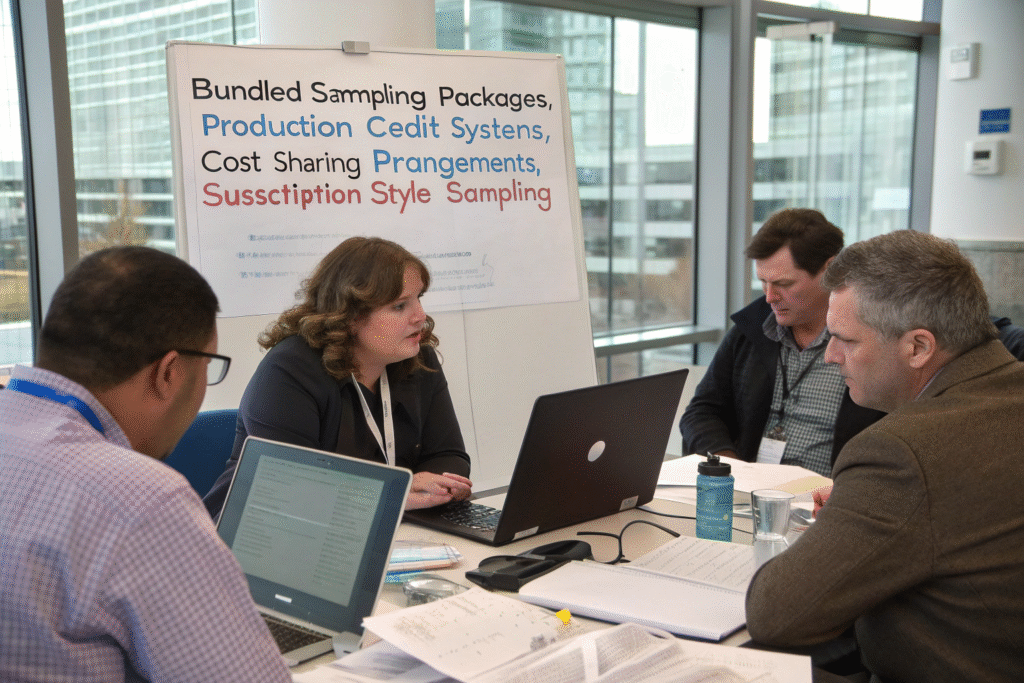
How Do Production Credit Systems Work?
Production credit systems work by charging sample costs upfront but then rebating these costs against future production orders. For example, a manufacturer might charge $300 for a sample but provide a $300 credit toward the first production order. This approach ensures manufacturers recover their costs while giving buyers incentive to proceed with production. The most favorable terms typically offer 100% credit for samples that proceed to production within specified timeframes (usually 6-12 months). Financial structures from the International Trade Centre provide models for sample cost arrangements in manufacturing relationships.
What Bulk Sampling Arrangements Reduce Per-Unit Costs?
Bulk sampling arrangements reduce per-unit costs by producing multiple samples simultaneously, amortizing fixed costs across more units. A single sample might cost $200, while five similar samples might cost $600 total—a 40% per-unit reduction. This approach works particularly well when developing product lines with shared components or when needing samples for multiple purposes (sales, photography, testing). Manufacturers prefer these arrangements because they optimize production setup and material utilization. Economies of scale principles from basic business economics explain the cost structures behind bulk sampling advantages.
Conclusion
Negotiating sample costs with Zhejiang manufacturers requires a balanced approach that recognizes legitimate cost drivers while strategically managing development expenses. The most successful outcomes come from understanding manufacturer perspectives, employing smart negotiation tactics, building genuine relationships, and creating creative cost structures that align interests.
The sampling process represents an investment in both product development and manufacturing relationships. If you're developing belt products and seeking manufacturing partnerships in Zhejiang with favorable sampling terms, our extensive network and negotiation experience can help establish productive relationships. Contact our Business Director, Elaine, to discuss how we can facilitate sampling processes that fit your budget while ensuring quality results. Reach out to Elaine at elaine@fumaoclothing.com. Let's build sampling strategies that launch successful products while managing development costs.