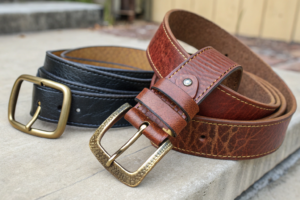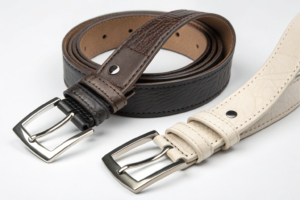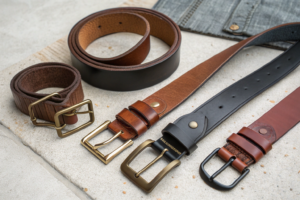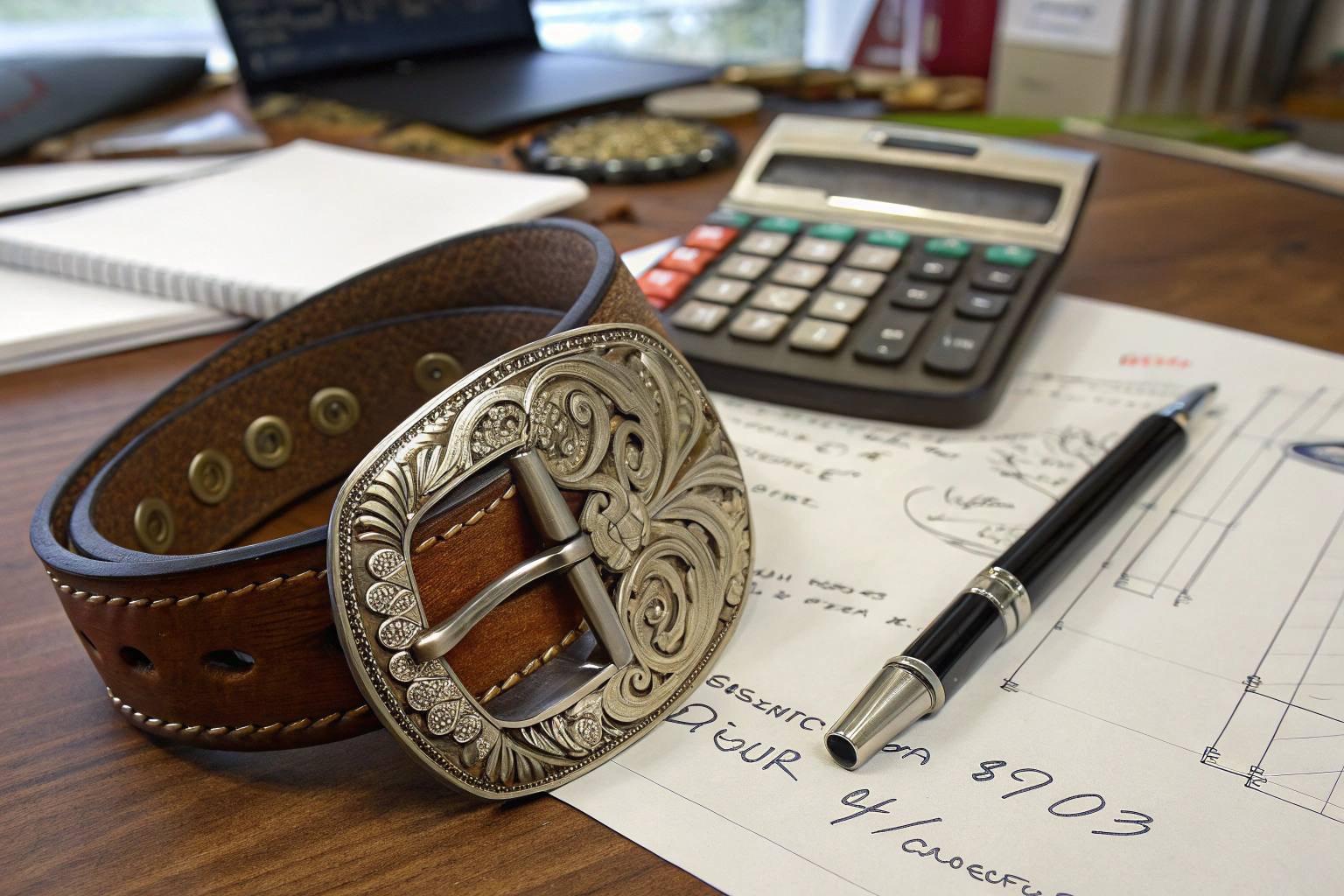
You've designed the perfect custom belt buckle, but the tooling quotes are staggering. The initial investment threatens to derail your entire product launch, leaving you wondering if custom buckles are financially feasible for your belt line. Many brands face this exact challenge when transitioning from stock to custom hardware.
Negotiating tooling costs for custom belt buckles requires understanding the manufacturing process, identifying cost drivers, exploring design modifications that reduce complexity, and structuring payment terms that ease cash flow. Successful negotiations balance aesthetic requirements with practical manufacturing considerations, achieving distinctive designs while maintaining reasonable tooling investments that support overall product profitability.
Custom buckles can transform your belt collection from generic to distinctive, but the path to affordable tooling requires strategic negotiation. Understanding what you're paying for and how to influence those costs positions you for successful discussions with manufacturers.
What Factors Actually Drive Custom Buckle Tooling Costs?
Tooling costs vary dramatically based on specific design elements and manufacturing requirements. Understanding what you're actually paying for enables informed negotiations and strategic design decisions.
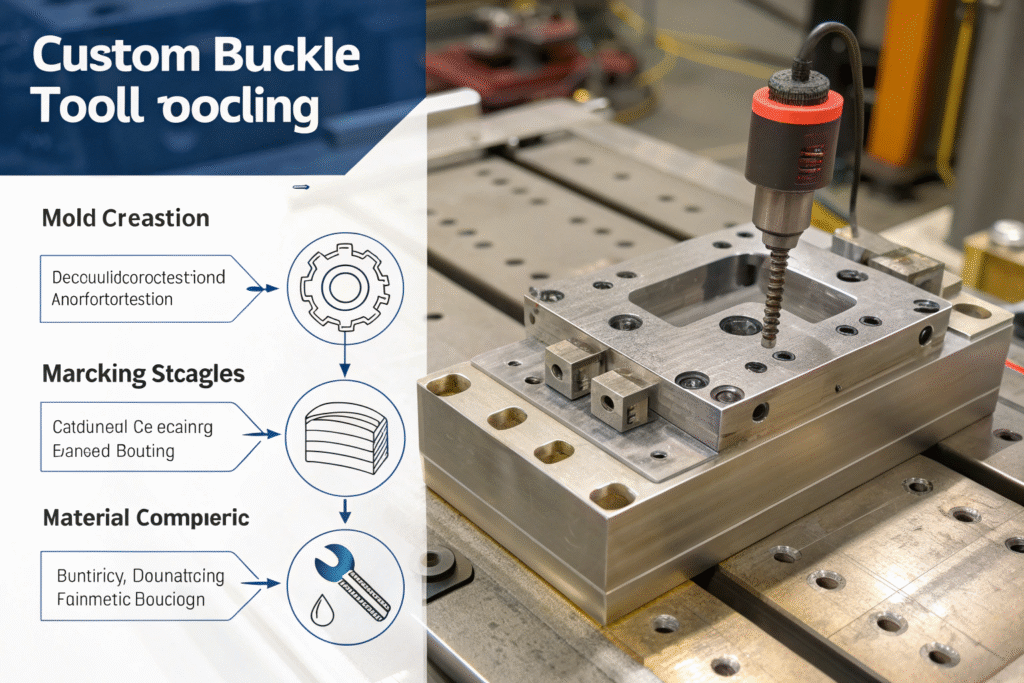
The primary cost drivers for custom buckle toolling include mold complexity, material selection, surface finish requirements, and production volume commitments. Each element significantly impacts the initial investment required before the first buckle can be produced.
How Does Design Complexity Impact Mold Costs?
Complex buckle designs with undercuts, deep details, or multiple moving parts require sophisticated molds with additional components. A simple one-piece zinc alloy buckle might need a single-cavity mold costing $1,500-$3,000, while a multi-part magnetic closure with intricate patterns could require a multi-slide mold exceeding $10,000. Each additional mold component increases both initial cost and potential maintenance expenses. Simplifying design elements without compromising aesthetic appeal is the most effective way to control tooling investment.
What Material Choices Affect Tooling Investment?
Different buckle materials require specific tooling approaches. Zinc alloy die casting typically has lower tooling costs than brass sand casting or stamped steel buckles. Higher-temperature materials like brass require more durable mold steels that withstand thermal cycling, increasing initial cost. The material's flow characteristics during production also influence mold complexity - free-flowing zinc alloys can fill intricate details more easily than viscous polymers, potentially allowing simpler tooling for equivalent detail levels.
How Can Design Modifications Reduce Tooling Expenses?
Strategic design modifications can significantly reduce tooling costs while maintaining your buckle's distinctive appearance. Many aesthetic effects can be achieved through manufacturing-friendly approaches that don't require complex tooling.
Intelligent design optimization balances visual impact with production practicality. The most cost-effective custom buckles achieve distinctiveness through clever design rather than manufacturing complexity.
What Specific Changes Deliver the Greatest Savings?
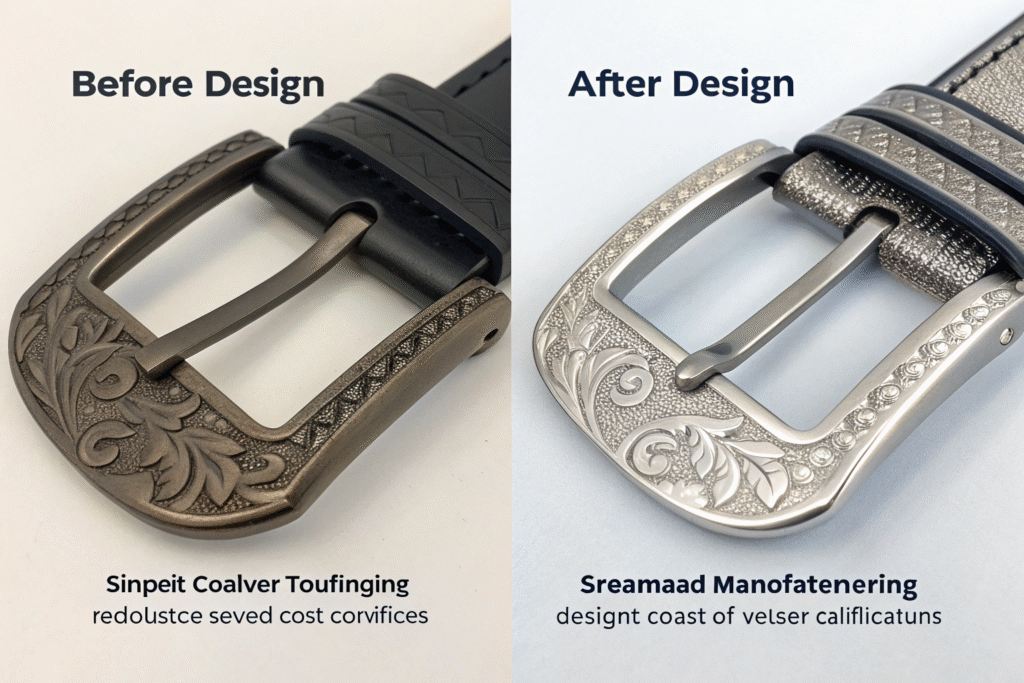
Eliminating undercuts that require side-action molds can reduce tooling costs by 30-50%. Simplifying texture patterns from fully sculpted to partially chemical etched or laser engraved transfers detail work from the mold to secondary processes. Reducing overall buckle thickness minimizes material usage and may allow simpler, less expensive mold construction. Standardizing attachment point dimensions rather than creating completely custom configurations can sometimes utilize existing mold components, further reducing development costs.
How Can You Maintain Visual Impact While Simplifying?
Strategic simplification focuses complexity where it matters most. A buckle face can feature intricate detail while maintaining simple, straight sides that don't require complex mold actions. Combining stock elements with custom centers reduces tooling scope while maintaining uniqueness. Using post-production processes like plating and enamel fill on simpler castings can achieve luxury appearances without corresponding tooling costs. These approaches deliver distinctive products while keeping tooling investments manageable.
What Negotiation Strategies Work With Buckle Manufacturers?
Effective negotiation with buckle manufacturers requires understanding their cost structures and identifying mutually beneficial arrangements. The most successful negotiations focus on partnership rather than purely price reduction.
Manufacturers respond favorably to clients who demonstrate industry knowledge and realistic expectations. Approaching negotiations with specific questions and flexible alternatives creates productive discussions that often yield creative cost-saving solutions.
What Information Should You Bring to Negotiations?
Prepare with competitive quotes from multiple suppliers to establish market-rate benchmarks. Understand your projected volumes across the product lifecycle, as higher commitments can justify manufacturer investments in more durable tooling. Bring clear specifications including technical drawings with tolerance requirements - unnecessarily tight toleratures dramatically increase costs. Knowledge of alternative manufacturing methods shows you've done homework and enables productive discussion about approaches that might better balance cost and requirements.
What Concession Strategies Benefit Both Parties?
Consider offering longer-term production commitments in exchange for extended tooling amortization or reduced per-unit pricing. Agreeing to slightly longer lead times might allow manufacturers to schedule your production during slower periods, potentially reducing premiums. Offering to pay for tooling ownership upfront rather than through amortization often provides significant leverage for price negotiations. These strategic concessions create win-win scenarios where manufacturers secure desirable business terms while you achieve better pricing or payment structures.
How Should You Structure Tooling Payment Terms?
Tooling payment structures significantly impact cash flow and risk allocation. The right approach depends on your financial position, production volume certainty, and long-term manufacturing strategy.
Payment term negotiation involves balancing immediate cash outlay against long-term per-unit costs and maintaining appropriate control over your tooling investment. Different structures serve different business needs.
What Payment Models Are Commonly Available?
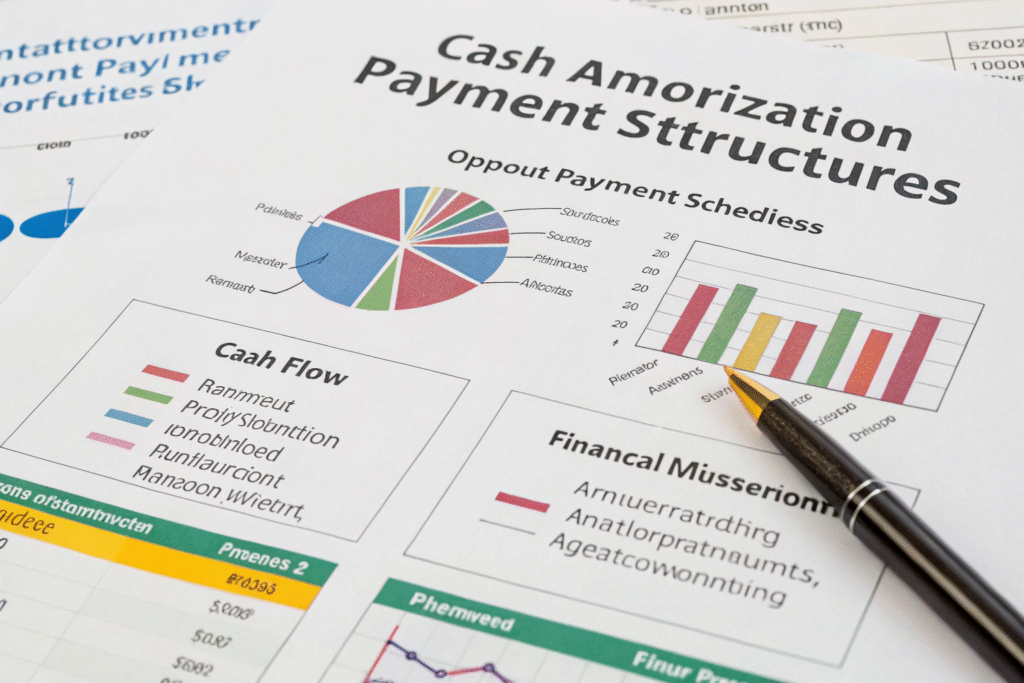
The three primary models include full upfront payment with subsequent unit pricing, amortized tooling costs spread across initial production units, and shared investment models where the manufacturer retains partial ownership. Upfront payment typically secures the lowest per-unit pricing and complete tooling ownership. Amortization preserves cash flow but usually involves higher per-unit costs until the tooling is paid off. Shared investment models minimize initial outlay but may restrict future manufacturing flexibility.
How Can You Protect Your Tooling Investment?
Ensure your agreement clearly specifies tooling ownership rights, storage responsibilities, and maintenance protocols. Request documentation of mold specifications and materials used in construction. Establish procedures for tooling transfer should you need to change manufacturers, including associated costs and timelines. For significant investments, consider third-party verification of tool quality before final payment. These protections ensure your investment remains secure regardless of future business developments.
Conclusion
Negotiating custom belt buckle tooling costs requires equal parts technical knowledge and business acumen. By understanding what drives costs, identifying strategic design modifications, employing effective negotiation tactics, and structuring protective payment terms, you can achieve distinctive custom buckles that align with your budget. The most successful outcomes result from transparent manufacturer relationships where both parties work creatively to balance aesthetic goals with financial practicalities.
If you're developing custom belt buckles and need expert guidance on tooling negotiation, contact our Business Director, Elaine. Our manufacturing experience can help you achieve distinctive designs while optimizing your tooling investment. Reach her at elaine@fumaoclothing.com to discuss your custom buckle requirements.