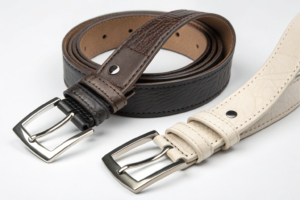
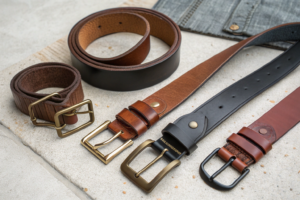
In today's competitive fashion market, buyers are constantly seeking products that offer more than just style. The demand for belts with added functionality, like anti-microbial properties, is rising. This is especially true for major supermarkets and accessory brands targeting health-conscious consumers. Sourcing these specialized belts can seem complex. You need to find a supplier who understands both quality manufacturing and functional fabric treatments. We see this need every day from our partners in North America and Europe.
Sourcing belts with anti-microbial treatments involves identifying a manufacturer with proven expertise in applying durable, safe, and effective anti-microbial coatings or integrating treated materials, ensuring the final product meets relevant quality and safety standards for your market. The key is to partner with a factory that has a strong quality control team and can provide documentation like certification for the treatments used. This ensures the belts are not only stylish but also meet the functional demands of your customers.
Let's explore the critical steps and considerations for sourcing high-quality anti-microbial belts efficiently. This guide will help you navigate the process, from understanding the technology to ensuring a reliable supply chain.
What Are Anti-Microbial Treatments for Belts?
Anti-microbial treatments for belts involve applying special agents to the belt material. These agents inhibit the growth of microorganisms like bacteria and fungi. This technology is crucial for products promoting hygiene. For belt buyers, this means offering a product with a clear, added benefit. It appeals to consumers who value cleanliness and durability in their accessories.
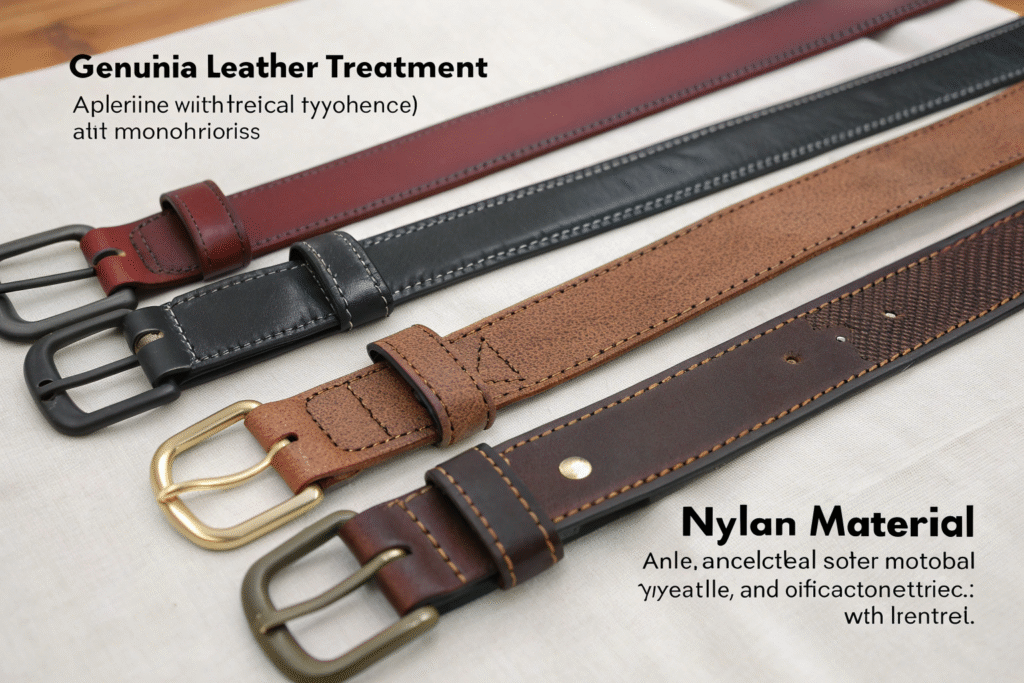
The primary function of an anti-microbial treatment is to prevent the growth of odor-causing bacteria and the degradation of the material itself. These treatments can be applied to various materials, including genuine leather, synthetic leather like PU belts, and fabric options like nylon belts. The treatment works by either disrupting the cellular processes of microbes or creating a surface that is uninhabitable for them. This extends the life of the belt and maintains a fresher feel for longer.
How Do Anti-Microbial Agents Work on Materials?
Anti-microbial agents work through two main methods: incorporation and surface application. At our factory, we often use the incorporation method for polymer-based materials like PVC belt and PU belt materials. The anti-microbial agent is mixed directly into the polymer pellets before the material is extruded. This creates a uniform distribution of protection throughout the entire material. For other materials, surface application is used. The belt component is treated with a solution containing the anti-microbial chemistry during the finishing process. These agents then work by breaking down the cell walls of microbes or interfering with their metabolism. This action prevents them from multiplying. Reputable organizations like the American Society for Testing and Materials provide standards for testing the durability and efficacy of these treatments.
Which Belt Materials Are Best for This Treatment?
While many materials can be treated, some are more suitable than others. Non-porous synthetic materials like faux leather and nylon are excellent candidates. Their surfaces allow for easy and even application of the treatment. Genuine leather belts, such as those made from cowhide leather, can also be treated. However, the process may differ. The treatment must penetrate the leather's natural pores without compromising its quality or appearance. It's vital to discuss material choices with your supplier. Our design team can advise on the best base material—be it a casual belt or a formal dress belt—to ensure the anti-microbial properties are effective and long-lasting. The Leather Working Group, while focused on environmental standards, offers insights into leather processing that can inform these decisions.
Why Should You Source Anti-Microbial Belts?
Stocking anti-microbial belts provides a significant competitive advantage. It allows you to tap into the growing market of health-aware consumers. This is a powerful selling point for supermarkets and fashion brands alike. You are no longer just selling a belt; you are selling a hygiene-conscious lifestyle. This can directly translate to higher sales and stronger customer loyalty.
The benefits extend beyond just marketing. For the end-user, these belts resist odor and staining caused by microbial activity. This is particularly valuable for sports belts, everyday casual belts, and belts meant for warmer climates. For you as a buyer, it means fewer product returns and higher customer satisfaction. The belts maintain their new appearance and freshness for a longer period, enhancing the perceived value.
How Do These Belts Meet Consumer Demand?
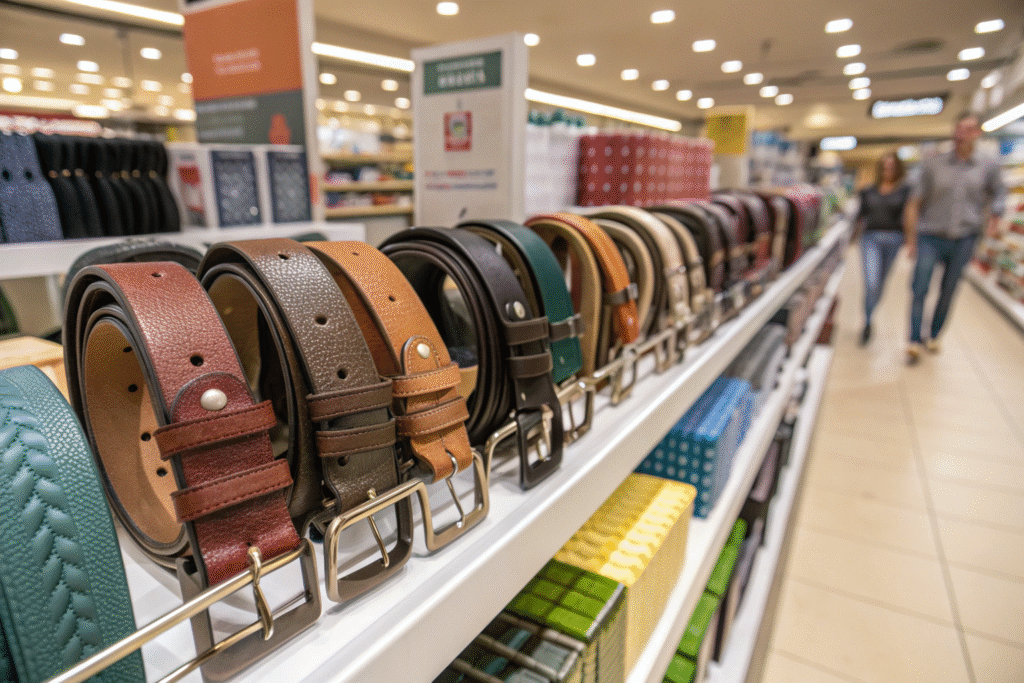
Today's consumers are more informed and concerned about hygiene than ever before. The global pandemic has permanently shifted purchasing habits. People now actively seek out products that offer health benefits. By sourcing anti-microbial belts, you are directly responding to this demand. It positions your brand or store as thoughtful and innovative. This is true for all product categories, from a practical teen belt to a fashionable women's belt. Highlighting this feature in your product descriptions can significantly influence purchasing decisions.
What Are the Key Market Advantages?
The key advantages are differentiation and premiumization. In a crowded marketplace, an anti-microbial belt stands out. It gives you a unique story to tell, separating your products from competitors who only focus on price or basic style. This feature allows you to command a slightly higher price point, improving your profit margins. Furthermore, it builds brand equity. Customers will associate your name with innovation and quality. This is invaluable for long-term growth, whether you are a large importer or an online store owner.
How to Verify Anti-Microbial Treatment Quality?
Verifying the quality of the anti-microbial treatment is a critical step in the sourcing process. You cannot rely on a supplier's word alone. Proper verification involves requesting specific documentation and understanding the testing methods used. This due diligence protects your business and ensures you receive the product you paid for.
A reputable manufacturer will be transparent about their processes. They should readily provide test reports from independent, accredited laboratories. These reports should confirm the treatment's effectiveness against specific microbes and its durability after repeated cleaning or abrasion. Our quality control team always insists on this for our own production, ensuring that every batch of our anti-microbial belts meets the promised standard.

What Certifications and Tests Should You Look For?
You should look for certifications and test reports that follow international standards. Common and respected standards include:
- ISO 22196: This standard measures the antibacterial activity on plastics and other non-porous surfaces.
- AATCC 100: This is a standard test method from the American Association of Textile Chemists and Colorists for assessing antibacterial finishes on textile materials.
- JIS Z 2801: A Japanese industrial standard for antimicrobial products.
A report from a third-party lab like SGS or Intertek verifying compliance with these standards is a strong indicator of quality. The report should clearly state the percentage reduction of specific bacteria.
How to Assess a Supplier's Quality Control?
Assessing a supplier's quality control goes beyond paperwork. You should ask specific questions:
- Do they have a dedicated QC team?
- What is their in-process inspection procedure for applying the treatment?
- How do they test raw materials and the final product?
You can also request pre-production samples for your own testing. A reliable supplier, like our factory in Zhejiang, will welcome this scrutiny. It demonstrates their confidence and commitment to quality.
What Are the Sourcing Logistics and Costs?
Understanding the logistics and cost structure is essential for a profitable sourcing journey. Anti-microbial treatments will add a cost to the base price of the belt. However, efficient logistics and a clear understanding of the total cost can help you manage your budget effectively. The goal is to achieve the best value, not just the lowest price.
The main cost factors include the type of anti-microbial agent used, the application process, and the order quantity. Sourcing directly from a manufacturer often provides better cost control than using an intermediary. Furthermore, a factory with strong project management can streamline the entire process from development to shipping, saving you time and money.

How Does This Affect Your Bottom Line?
The anti-microbial feature is an added value that can improve your bottom line through higher retail prices and increased sales volume. While the unit cost is higher, the potential for a greater profit margin per item often outweighs this. It is an investment in product differentiation. Additionally, working with a factory that has high yield and fast production capabilities minimizes delays and ensures you get your products to market during peak demand seasons. This operational efficiency directly protects your profitability.
What About Tariffs and Shipping to the U.S.?
This is a common pain point for American buyers. Sourcing from China does not automatically mean high tariff costs. It is crucial to understand the specific HTS code for your product. Our experienced project managers are well-versed in this and can advise on the correct classification for belts. We also ensure complete and accurate documentation for customs clearance. For shipping, we offer flexible terms and work with reliable logistics partners to provide predictable sailing schedules. This directly addresses the pain points of timeliness and security for importers like Ron.
Conclusion
Sourcing belts with anti-microbial treatments is a strategic move that aligns with modern consumer demands. It requires a focused approach: understanding the technology, recognizing the market benefits, rigorously verifying quality, and managing logistics smartly. By prioritizing these factors, you can successfully add a valuable and profitable product line to your inventory.
If you are ready to develop your own high-quality line of anti-microbial belts with a reliable partner, we are here to help. Our modern factory in Zhejiang is equipped with a dedicated design and quality control team to bring your concepts to life. For a professional discussion on your specific needs, please contact our Business Director, Elaine, at elaine@fumaoclothing.com. Let's create something great together.