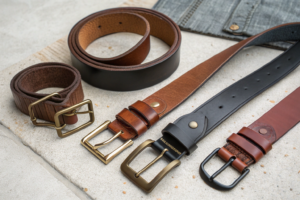
Static electricity in belts can cause significant problems in sensitive environments, from damaging electronic components during manufacturing to creating uncomfortable shocks for wearers in dry climates. Many buyers struggle to find reliable suppliers who understand both materials science and practical application requirements.
Sourcing belts with anti-static properties requires understanding material selection, manufacturing processes, and proper testing protocols. Key solutions include carbon-infused leather, conductive coatings, metal fiber integration, and specialized synthetic materials that dissipate static electricity effectively while maintaining fashion and functionality.
Successfully sourcing anti-static belts involves navigating technical specifications while ensuring the final product meets both performance and aesthetic requirements. This guide provides a comprehensive approach to finding the right manufacturing partner and product solutions.
What Materials Provide Effective Anti-Static Properties?
Choosing the right materials forms the foundation of effective anti-static belt sourcing. Different materials offer varying levels of static control and suit different applications and price points.
Understanding material options helps you select the right solution for your specific needs, whether you require basic static dissipation or certified electrostatic discharge (ESD) protection.
How Do Carbon-Infused Materials Work?
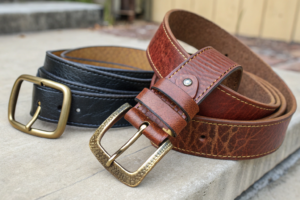
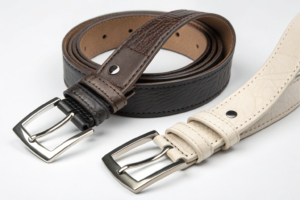
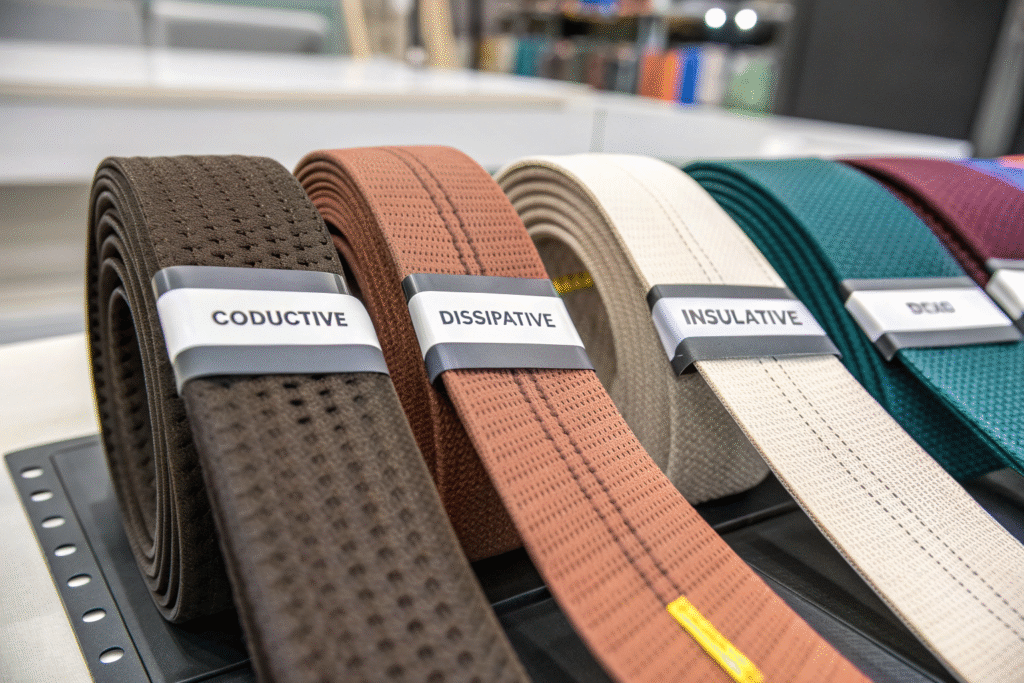
Carbon-infused leather and synthetic materials incorporate conductive carbon particles throughout the material matrix. These particles create continuous pathways that allow static charges to dissipate safely to ground. The carbon content typically ranges from 3-15% depending on the required level of conductivity. This approach works particularly well for professional dress belts where appearance matters, as the carbon can be integrated without significantly altering the material's visual characteristics. The anti-static properties remain effective throughout the product's lifespan.
What Role Do Metal Fibers Play?
Stainless steel fibers woven into belt materials provide excellent conductivity and durability. Typically comprising 2-5% of the material composition, these microscopic metal fibers create reliable conductive networks. Metal fiber solutions often achieve surface resistance of 10^4 to 10^6 ohms, ideal for ESD-protected environments like electronics manufacturing and clean rooms. The metal fibers maintain their conductivity even after repeated cleaning and flexing, making them suitable for industrial belts requiring long-term reliability.
What Manufacturing Processes Ensure Consistent Performance?
Proper manufacturing techniques are crucial for maintaining anti-static properties throughout the belt's structure and lifespan. The production process must preserve conductivity while meeting quality standards.
Different manufacturing approaches suit different material types and performance requirements. Understanding these processes helps in evaluating supplier capabilities and product quality.
| Manufacturing Method | Best For | Key Considerations |
|---|---|---|
| Conductive Coating | Low-cost solutions, existing designs | Coating durability, environmental resistance |
| Fiber Integration | High-performance applications | Fiber distribution, connection to hardware |
| Material Compounding | Consistent performance throughout product | Material compatibility, production consistency |
| Hybrid Approaches | Balanced cost-performance ratio | Process complexity, quality control |

How Are Conductive Coatings Applied?
Conductive coatings containing metals or carbon are applied to belt surfaces through spraying, dipping, or printing processes. The coating thickness, typically 10-50 microns, must be carefully controlled to ensure consistent conductivity without affecting flexibility or appearance. Quality manufacturers use automated application systems to maintain uniformity. These coatings work well for fashion belts where the base material cannot be modified, though they may require periodic reapplication in high-wear situations.
What Quality Control Measures Are Essential?
Rigorous quality control throughout manufacturing ensures consistent anti-static performance. This includes testing raw materials for conductivity, monitoring production parameters, and verifying finished product performance. Reputable manufacturers implement 100% testing of resistance values for critical applications. They also conduct accelerated aging tests to verify long-term performance. For medical and electronics industry belts, documentation of compliance with relevant standards is essential for certification and traceability.
How to Verify Anti-Static Performance?
Proper testing methodology is essential for confirming that sourced belts meet your static control requirements. Both standardized tests and application-specific evaluations provide confidence in product performance.
Understanding testing protocols helps in specifying requirements to suppliers and verifying their claims through independent or third-party testing.

What Standard Tests Measure Conductivity?
Surface resistance testing according to ASTM D257 or IEC 60093 standards provides quantitative measurements of a material's ability to dissipate static charges. Testing at 50% relative humidity and standard temperature ensures comparable results. For ESD-protective belts, resistance should measure between 10^4 and 10^11 ohms depending on the application. Reputable suppliers should provide test certificates from accredited laboratories, particularly for belts used in regulated industries like electronics manufacturing or healthcare.
How is Real-World Performance Evaluated?
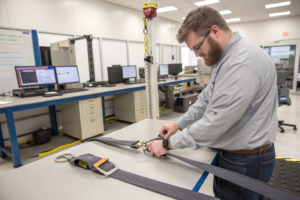
Beyond standardized tests, application-specific evaluations ensure belts perform under actual use conditions. This includes testing after repeated flexing, exposure to cleaning chemicals, and environmental aging. For industrial safety belts, testing might involve simulating workplace conditions with typical movements and exposures. Wear testing with human subjects helps verify comfort and practical performance for consumer belts. These practical evaluations complement laboratory testing to provide comprehensive performance validation.
What Industry Standards and Certifications Matter?
Compliance with recognized standards ensures product safety, performance, and regulatory acceptance. Different industries require adherence to specific standards based on their static control needs.
Understanding relevant standards helps in specifying requirements and verifying supplier claims, particularly for technical and industrial applications.
Which ESD Standards Apply to Belts?
The ANSI/ESD S20.20 standard provides comprehensive requirements for ESD control programs, including personal grounding equipment like belts. For products, the IEC 61340-5-1 standard specifies requirements for electrostatic discharge protective equipment. Compliance with these standards typically requires third-party certification and regular audits. For electronics manufacturing belts, these certifications are often mandatory, and suppliers should provide current certification documents and test reports.
What About Industry-Specific Requirements?
Different industries have unique static control requirements. Healthcare belts may need compliance with medical device regulations, while explosives handling belts require certification for use in hazardous environments. Understanding your industry's specific requirements helps in selecting the appropriate certification level. Reputable suppliers maintain documentation for all relevant certifications and can guide customers in selecting products that meet their specific regulatory needs.
Conclusion
Sourcing belts with reliable anti-static properties requires a systematic approach combining material knowledge, manufacturing expertise, and rigorous testing. By understanding the available technologies, verification methods, and industry standards, buyers can confidently select suppliers who deliver effective, durable static control solutions.
At StylishBelts, we specialize in manufacturing anti-static belts for various industries, combining technical expertise with fashion sensibilities. Our quality control processes ensure consistent performance, and we maintain comprehensive documentation for all relevant standards. Contact our Business Director, Elaine, to discuss your specific anti-static belt requirements: elaine@fumaoclothing.com.