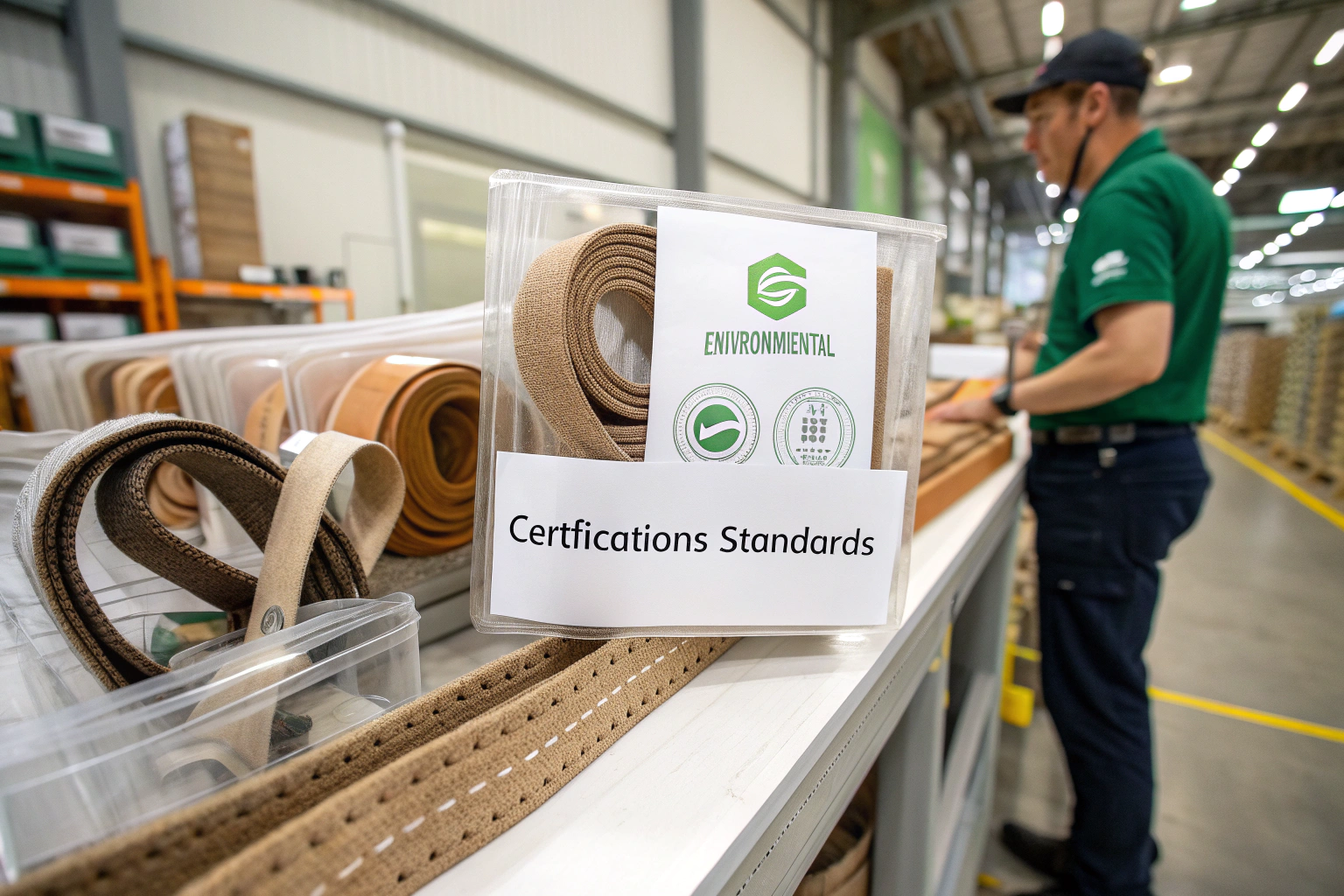
The global push for sustainability has moved beyond just products to encompass every aspect of the supply chain, including packaging. As consumers become increasingly environmentally conscious, brands that offer complete sustainable solutions - from product to packaging - are gaining significant competitive advantage. But how can importers and brands effectively source belts that come with genuinely biodegradable packaging?
Sourcing belts with biodegradable packaging requires understanding certification standards, material options, supplier capabilities, and cost implications while ensuring the packaging meets both environmental goals and practical business needs. The most successful sourcing strategies combine technical knowledge of biodegradable materials with strong supplier partnerships and clear communication about packaging requirements.
Finding the right balance between sustainability, functionality, and cost can be challenging. Let's explore the key considerations and practical steps for sourcing belts with packaging that aligns with modern environmental standards.
What Are the Best Biodegradable Packaging Materials?
Choosing the right biodegradable materials is the foundation of sustainable packaging. Different materials offer varying levels of protection, cost, and environmental benefits.
How Do Plant-Based Plastics Compare to Traditional Options?
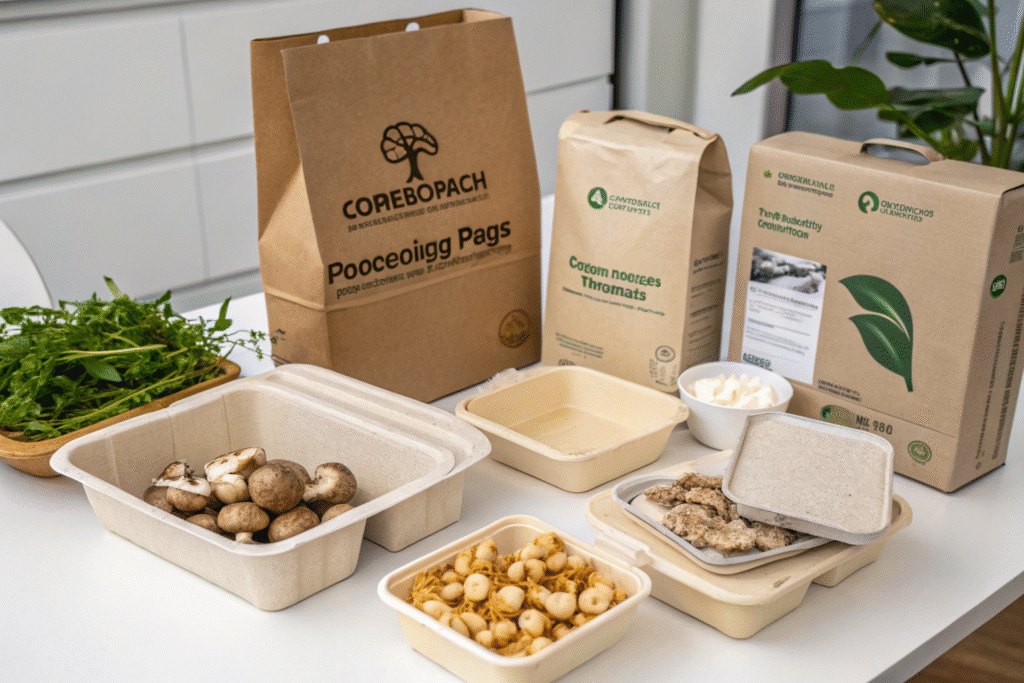
Plant-based bioplastics made from corn starch, sugarcane, or potato starch offer excellent moisture protection while being compostable. Unlike traditional plastics that can take centuries to decompose, materials like PLA (Polylactic Acid) break down within months in industrial composting facilities. However, they require specific conditions to decompose properly. When sourcing belts with this packaging, verify that suppliers understand the difference between home-compostable and industrially-compostable materials. Many of our European clients specifically request sustainable packaging that aligns with their local waste management capabilities.
What Natural Fiber Options Provide Adequate Protection?
Natural fibers like mushroom packaging, seaweed-based materials, and molded pulp offer outstanding protective qualities while being completely biodegradable. Mushroom packaging, grown from agricultural waste and mycelium, provides excellent cushioning for belt buckles and can be custom-molded to fit specific belt designs. Recycled paper and cardboard remain the most cost-effective options, with many suppliers now offering water-based coatings instead of plastic laminations. These materials work particularly well for dress belts that require elegant presentation while maintaining sustainability standards.
How to Verify Authentic Biodegradable Claims?
With greenwashing becoming increasingly common, verifying supplier claims about biodegradable packaging is crucial for maintaining brand credibility.
What Certifications Should You Look For?
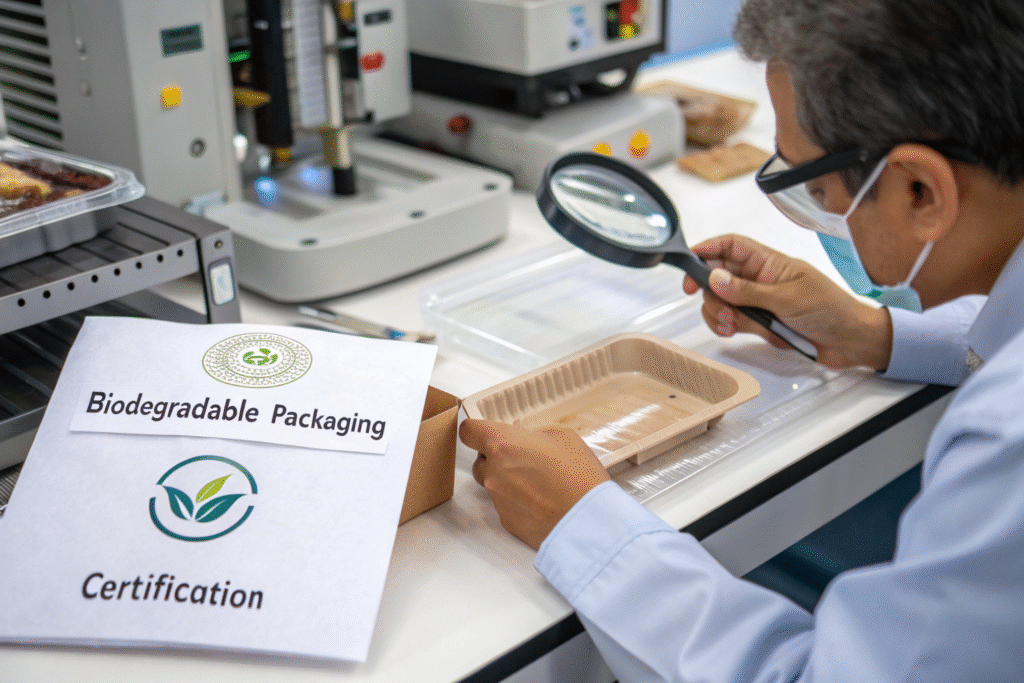
Reputable certifications provide third-party verification of biodegradability claims. The most recognized certifications include:
- TÜV Austria OK compost HOME and INDUSTRIAL
- DIN CERTCO compostable certifications
- BPI (Biodegradable Products Institute) certification
- FSC (Forest Stewardship Council) for paper products
These certifications ensure the packaging meets specific standards for biodegradation within certain timeframes and without leaving harmful residues. When auditing potential suppliers, request to see their certification documents and verify them with the issuing organizations. Our factory maintains multiple certifications to provide clients with verified sustainable options.
How Can You Test Packaging Claims?
Beyond certifications, practical testing helps verify supplier claims. Simple tests include:
- Water solubility tests for certain materials
- Decomposition timeline verification
- Strength and durability assessments
- Moisture resistance testing
Many reputable suppliers will provide samples for independent testing or conduct demonstrations of their packaging's biodegradability. For larger orders, consider hiring third-party testing agencies to validate claims before finalizing supplier selection.
What Are the Practical Considerations for Shipping?
Biodegradable packaging must withstand the rigors of international shipping while maintaining its environmental benefits.
How Does Packaging Perform in Long-Distance Shipping?
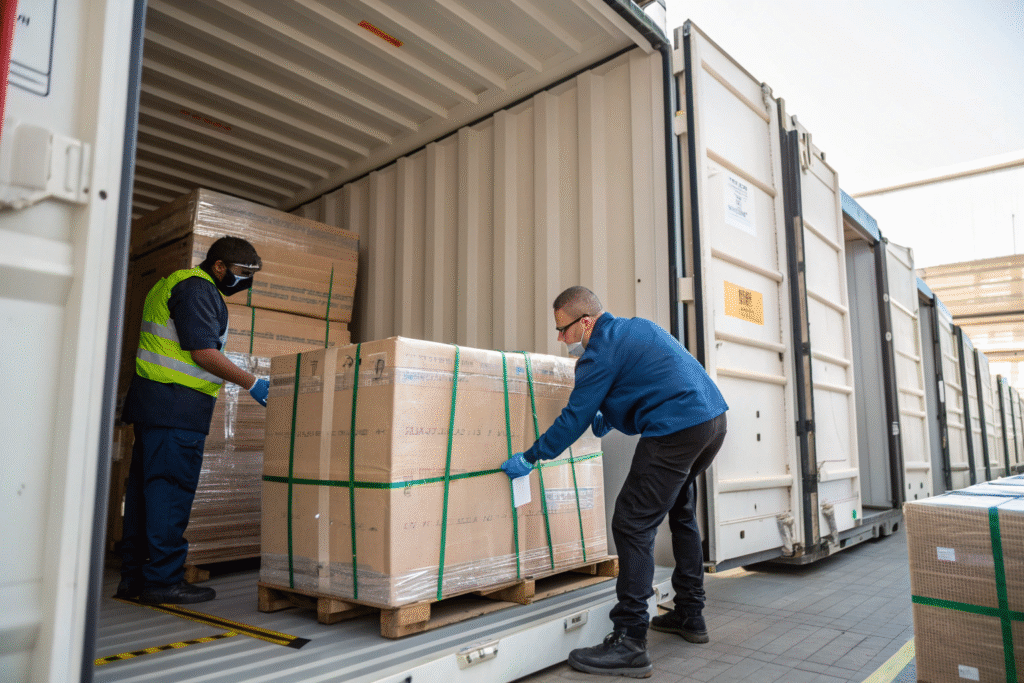
The durability of biodegradable packaging during transit is a common concern. Well-designed sustainable packaging can match traditional materials in protection when properly engineered. Key considerations include:
- Compression strength for container shipping
- Moisture resistance during ocean transit
- Temperature stability in various climates
- Stacking capability for efficient shipping
Many of our clients shipping to North American markets have successfully transitioned to biodegradable packaging without increasing damage rates by working with us to optimize packaging design for their specific shipping routes.
What Are the Cost and Logistics Implications?
While biodegradable packaging often costs more upfront, the total cost picture includes several factors:
- Reduced waste disposal costs for end customers
- Potential for lower shipping weights
- Enhanced brand value and customer loyalty
- Compliance with evolving packaging regulations
The price premium for biodegradable packaging typically ranges from 15-30%, though this gap is narrowing as production scales increase and technology improves. Many suppliers, including our factory, offer volume discounts that make sustainable packaging more accessible for larger orders.
How to Communicate With Suppliers About Packaging?
Clear communication and specific requirements are essential for successfully sourcing belts with biodegradable packaging.
What Specifications Should You Provide?
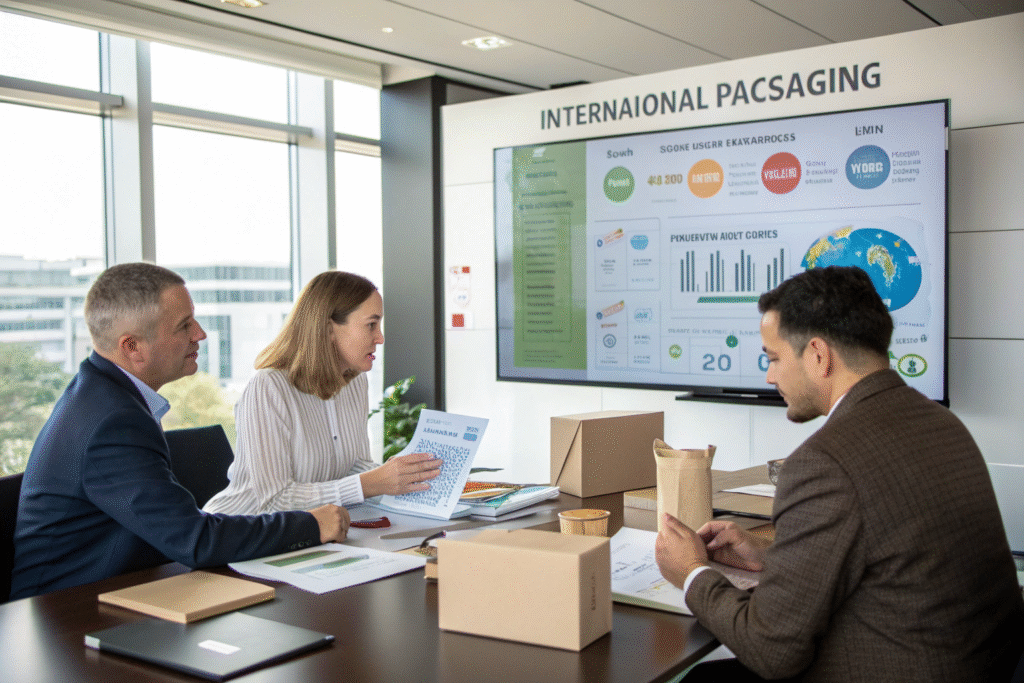
Clear, detailed packaging specifications prevent misunderstandings and ensure consistency. Essential information includes:
- Material composition requirements
- Certification mandates
- Performance standards (weight capacity, moisture resistance)
- Dimensional requirements
- Printing and branding guidelines
- Testing and quality control procedures
Providing samples of desired packaging or detailed technical drawings helps suppliers understand your expectations. Our project managers work closely with clients to develop custom packaging solutions that meet both aesthetic and sustainability goals.
How Can You Build Long-term Packaging Partnerships?
Developing strong relationships with suppliers committed to sustainability yields better results than one-time transactions. Look for partners who:
- Invest in sustainable packaging R&D
- Continuously improve their environmental practices
- Are transparent about their capabilities and limitations
- Share your commitment to environmental responsibility
Regular communication about packaging performance and collaborative problem-solving helps optimize packaging over time. We've found that clients who view us as strategic partners rather than just suppliers achieve the best sustainable packaging outcomes.
Conclusion
Sourcing belts with biodegradable packaging requires a strategic approach that balances environmental goals with practical business considerations. By understanding material options, verifying claims through certifications and testing, addressing shipping requirements, and maintaining clear communication with suppliers, brands can successfully implement sustainable packaging that resonates with today's environmentally conscious consumers.
The transition to biodegradable packaging represents not just an environmental imperative but also a significant business opportunity. As consumer preferences continue shifting toward sustainability, brands that lead in eco-friendly packaging will gain competitive advantage. If you're ready to source belts with certified biodegradable packaging, contact our Business Director, Elaine, at elaine@fumaoclothing.com to discuss packaging solutions that align with your brand's environmental values and business needs.