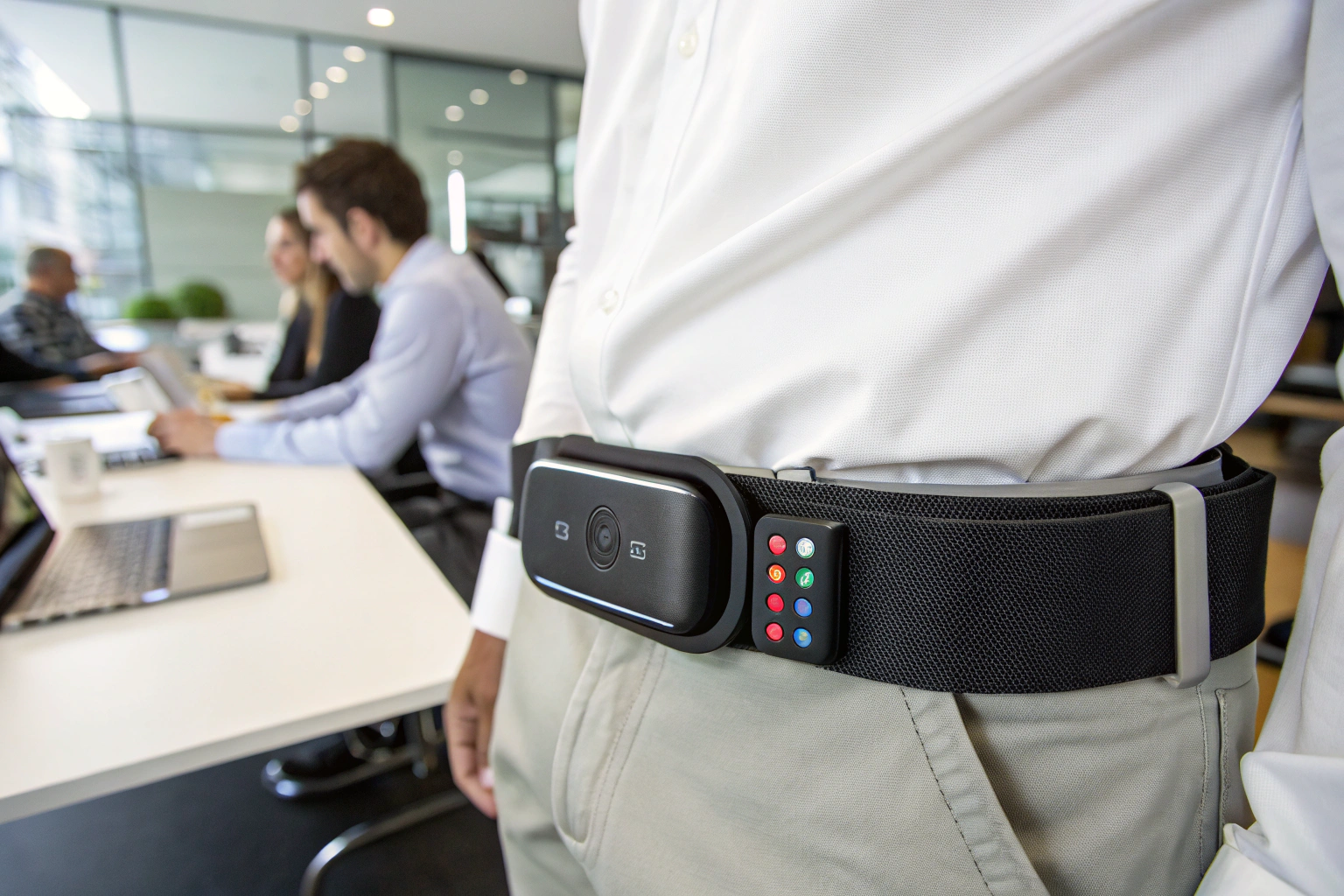
The frontier of wearable technology is rapidly moving from our wrists to our waists. While smartwatches track general activity, a belt—positioned centrally on the body and in constant contact with the core—is uniquely suited to measure physiological signals linked to stress, such as heart rate variability (HRV), skin conductance (galvanic skin response), and respiration rate. This has given rise to a new category: belts with integrated biometric stress sensors. For wellness brands, corporate health programs, and high-performance athletic companies, this represents a groundbreaking product opportunity. But how do you practically source a product that fuses advanced biosensors, micro-electronics, and textile manufacturing? It's one of the most complex challenges in wearable tech sourcing today.
To source belts with biometric stress sensors, you must engage with specialized wearable tech OEM/ODM manufacturers that possess in-house expertise in biometric sensor integration, firmware development for physiological algorithms, and flexible electronics assembly. The process requires co-developing a multi-sensor module (often including PPG, GSR, and an accelerometer), creating a secure data pipeline to an app, and achieving medical-grade accuracy in a comfortable, durable form factor suitable for all-day wear.
This is not a product you can source from a standard belt factory or a generic electronics assembler. It requires a hybrid partner that speaks both the language of fashion and the language of biomedical engineering. Let's navigate the intricate path to bringing this advanced wellness tool to market.
What Biometric Sensors Are Used and How Do They Work?
Stress is not a single metric but a physiological state inferred from a combination of signals. A standalone heart rate monitor is insufficient. True stress detection requires a sensor fusion approach, where data from multiple sources is cleaned, synchronized, and processed by an algorithm to output a meaningful "stress score" or recovery state.
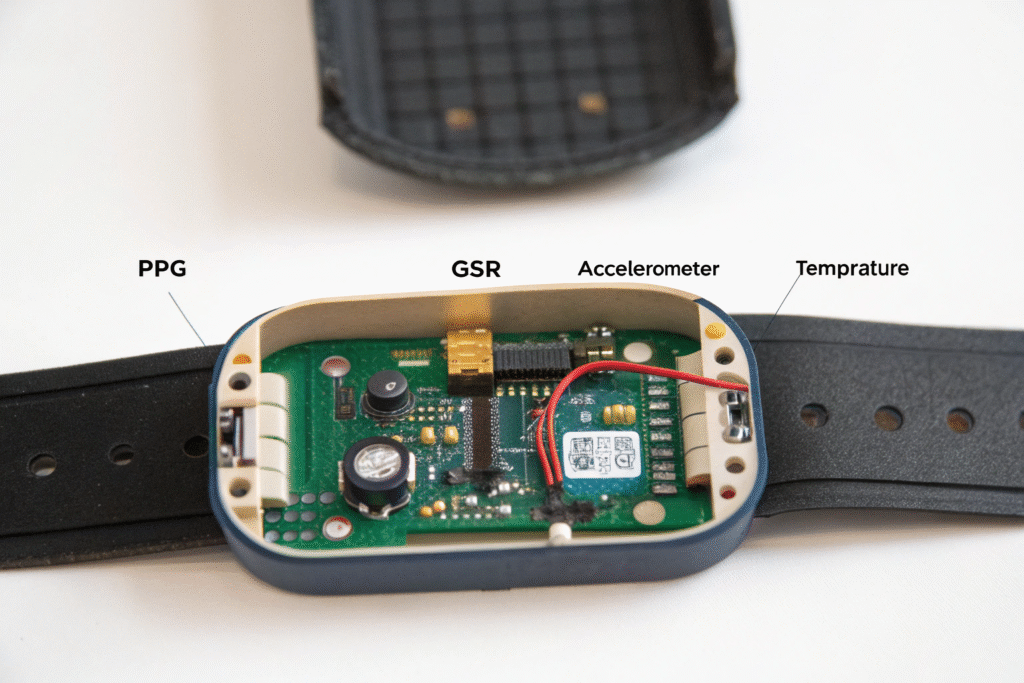
Key biometric sensors for stress detection include: Photoplethysmography (PPG) to measure heart rate and heart rate variability (HRV)—a gold standard for autonomic nervous system activity; Galvanic Skin Response (GSR) to measure the electrical conductance of the skin, which changes with sweat gland activity linked to emotional arousal; a 3-axis accelerometer to distinguish between physical exertion and mental stress; and often a skin temperature sensor for additional context. These are miniaturized into a single, flexible module.
How Does PPG Measure Heart Rate Variability (HRV)?
A PPG sensor works by shining a green LED light into the skin and measuring the amount of light reflected by blood flow. The tiny variations in the time interval between heartbeats—the HRV—are calculated from this optical signal. High HRV generally indicates good recovery and adaptability (parasympathetic "rest and digest" dominance), while low HRV can indicate stress, fatigue, or overtraining (sympathetic "fight or flight" dominance). For a belt, the sensor must maintain consistent skin contact, which is a challenge during movement. Advanced designs use multiple LED wavelengths and algorithmic motion artifact correction.
What Does GSR Add to the Picture?
Galvanic Skin Response measures the electrical properties of the skin. When a person experiences emotional or physiological stress, the sympathetic nervous system activates sweat glands, increasing skin moisture and thus its electrical conductivity. GSR is a direct, real-time measure of autonomic arousal. In a belt, this requires two conductive electrodes (often made of hypoallergenic stainless steel or conductive fabric) that maintain gentle contact with the skin. Combining GSR (arousal) with HRV (autonomic balance) and activity data creates a much more robust picture of stress than any single metric alone.
How to Find a Manufacturer with Bio-Sensing Expertise?
The biggest hurdle is finding the right manufacturing partner. A standard electronics manufacturer (EMS) can assemble a rigid PCB, but won't understand how to integrate it into a flexible, body-worn product that moves and sweats. A garment factory lacks the expertise to design medical-grade sensor firmware. You need a true hybrid.
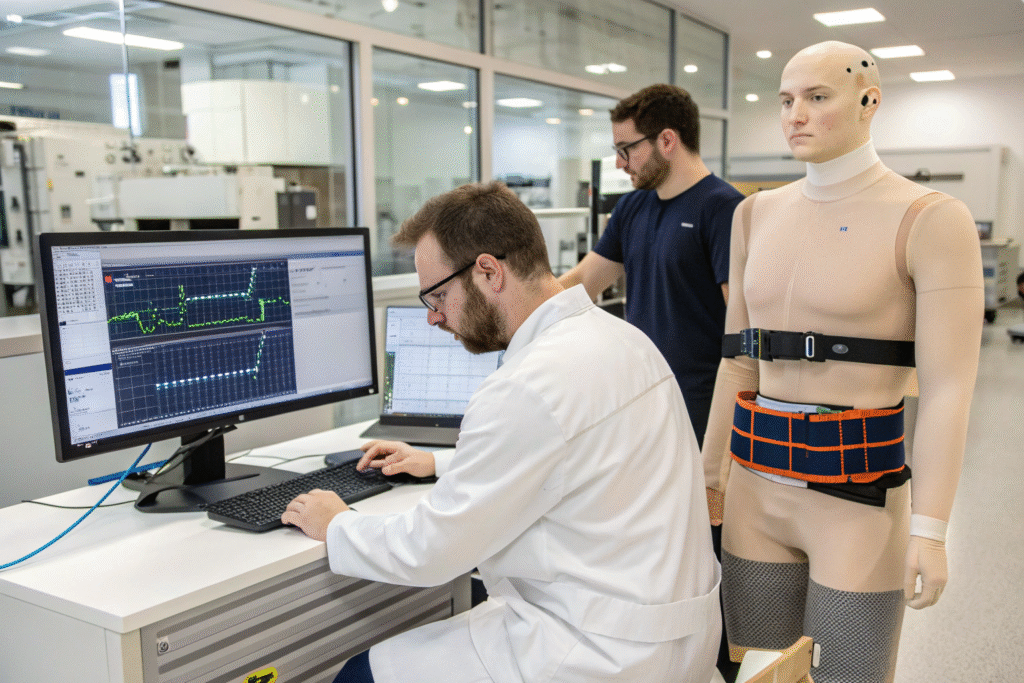
Look for an OEM/ODM that demonstrates: a dedicated biometrics or biosensing R&D team with published research or patents; proven experience in bringing Class I or Class IIa wearable medical devices to market (even if you are targeting wellness); in-house algorithm development capabilities for physiological signal processing; expertise in flexible/hybrid electronics and textile-embedded sensors; and a regulatory affairs team to navigate certifications like CE, FCC, and potentially FDA.
What Specific Capabilities to Vet During Supplier Selection?
During due diligence, ask these mission-critical questions:
- "Walk me through your signal processing pipeline, from raw sensor data to a validated stress index. Can you share validation study data against a reference device (like an ECG chest strap)?"
- "What is your approach to managing motion artifacts and ensuring data accuracy during daily activities?"
- "How do you design for consistent skin contact without excessive pressure or discomfort?" (This might involve conductive elastic yarns or floating electrode designs).
- "What is your firmware update and data security protocol?" (Biometric data is highly sensitive; GDPR and other privacy laws apply).
- "Can you provide a breakdown of the BOM for the sensor module, including the specific sensor ICs (e.g., Maxim MAX86176 for PPG, or similar)?"
A credible partner will have detailed answers, white papers, and will welcome a technical deep-dive. They should also discuss the importance of a clinical validation study for any stress claims, even for a wellness product.
Why is the Prototyping Phase Extremely Iterative?
Prototyping for a biometric belt is a multi-loop process:
- Proof-of-Concept (POC) Prototype: A crude, breadboard-style module taped to a belt to verify basic sensor functionality and data capture.
- Form Factor Prototype: A custom flexible PCB is designed and packaged into a module that fits the belt's curvature. This stage tests wearability and basic comfort.
- Algorithm Validation Prototype: Units are used in a controlled study to collect data and train/refine the stress algorithm. This is where you ensure the data is meaningful.
- Design for Manufacturing (DFM) Prototype: The final industrial design, tested for durability, water resistance (IP rating), and assembly yield.
Each iteration can take weeks and cost tens of thousands of dollars. Budget and timeline must account for this. The manufacturer should have a clear stage-gate process to manage these iterations.
What Are the Critical Design for Manufacturing (DFM) Challenges?
Taking a lab-grade prototype to a reliable, mass-producible consumer device is where most wearable projects fail. The DFM phase for a biometric belt must solve unique problems at the intersection of biology, electronics, and human behavior.
Primary DFM challenges include: ensuring uninterrupted skin contact for electrical and optical sensors during all body movements; achieving a high Ingress Protection (IP) rating against sweat and daily spills; managing power consumption and heat dissipation to allow for all-day battery life; designing a user-replaceable or easily rechargeable battery system without compromising the seal; and creating a comfortable, breathable assembly that people will forget they're wearing, ensuring high compliance.

How to Solve the Skin Contact and Comfort Paradox?
The sensor needs firm contact, but the belt must be comfortable. Solutions are ingenious:
- Floating Electrode Design: The GSR/PPG module is not rigidly attached to the belt backing. It sits on a flexible "island" that can move independently, maintaining contact even as the belt strap twists.
- Conductive Textile Integration: Instead of rigid metal electrodes, use silver-plated nylon yarns woven or knitted into the inner belt surface. This creates a large, soft, conductive area that adapts to the body.
- Strategic Tensioning: The belt might use a double-layer design where the inner sensor layer is under slight, independent tension to hug the body, while the outer layer handles the mechanical load of securing pants.
Comfort is also about thermals. The area under the sensor module must be breathable. Using laser-perforated leather or moisture-wicking phase-change material liners can help.
What About Power, Charging, and Data Transmission?
This is a systems engineering problem.
- Battery: A thin, flexible Lithium-Polymer pouch cell is standard. It must have enough capacity for 24-48 hours of continuous sensing with Bluetooth data offloading. Expect 150-300mAh.
- Charging: Inductive (Qi) wireless charging is ideal, as it eliminates ports that compromise water resistance. The charging coil and module must be carefully placed to not create a hot spot or bulge.
- Data Transmission: Bluetooth Low Energy (BLE) 5.2+ is the standard for connecting to a smartphone app. The firmware must manage efficient data batching and transmission to preserve battery. Data should also be stored onboard in case the phone connection is lost.
Power management is a core firmware task, often involving multiple low-power states and adaptive sampling rates.
What Are the Compliance, Validation, and Go-to-Market Considerations?
You are not just selling a belt; you are selling a health data service. This brings you into the orbit of medical device regulations, data privacy laws, and the need for scientific credibility. How you position and validate the product will determine its market acceptance and legal standing.
Critical considerations include: determining the regulatory classification (wellness device vs. medical device); conducting independent clinical validation studies to substantiate stress/recovery claims; building a secure, HIPAA/GDPR-compliant app and cloud infrastructure; crafting a transparent and ethical data privacy policy; and choosing the right initial market channel (B2B corporate wellness, B2C direct, or through healthcare providers).
How to Navigate Medical Device Regulations?
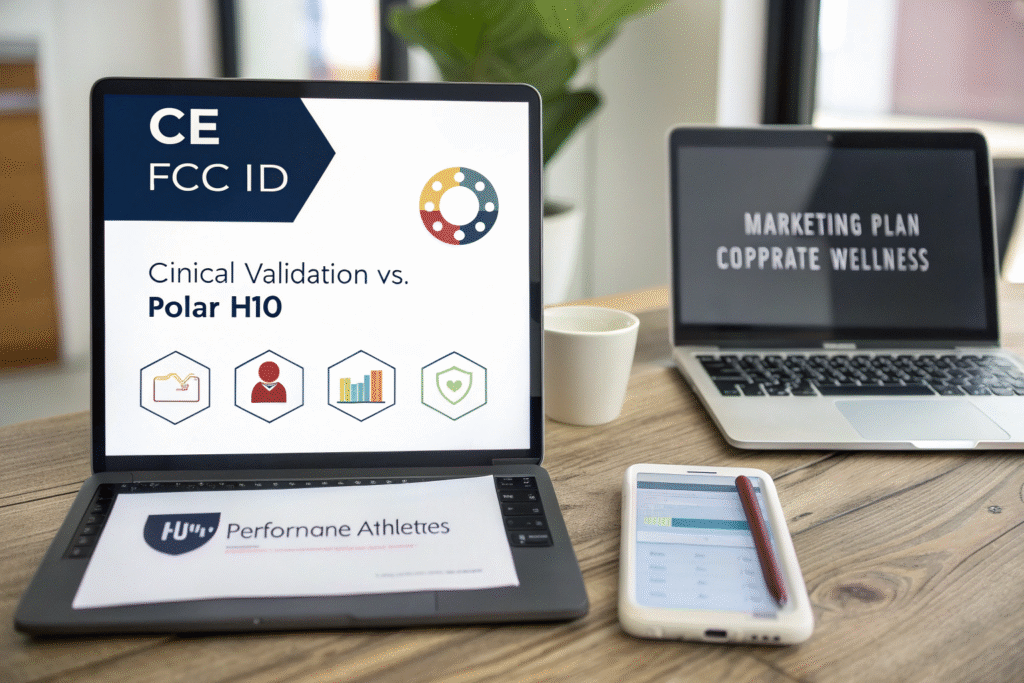
This is the first and most important legal question. If you claim to "diagnose," "treat," or "monitor" a medical condition (like anxiety disorders), you are a medical device. If you claim to "manage general wellness" or "provide insights into daily stress," you may be a general wellness product. The FDA provides guidance on this distinction, as does the EU's MDR. Most stress-sensing belts aim for the wellness category to avoid years of costly clinical trials. However, even as a wellness device, you need CE marking (EMC, RED, RoHS) and FCC certification for sale in Europe and the US. Your manufacturer's regulatory team should guide this.
Why is Clinical Validation Non-Negotiable for Credibility?
Even if not legally required, validation is commercially essential. Savvy consumers and B2B buyers (like corporate HR departments) will demand proof. You must conduct a study comparing your belt's stress/HRV outputs against gold-standard research equipment (like an ECG-based HRV monitor and a laboratory-grade GSR device). Publish the results in a white paper showing strong correlation coefficients. This builds trust and forms the backbone of your marketing. Partnering with a university sports science or psychology department can lend authority to this process.
What is the Ideal Initial Market Entry Strategy?
Given the high cost and complexity, a focused launch is best:
- B2B Corporate Wellness: Sell directly to companies as part of employee well-being programs. This provides volume, recurring revenue, and a controlled environment for feedback.
- High-Performance Athletics: Target professional sports teams, coaches, and serious amateur athletes focused on recovery and performance optimization.
- Direct-to-Consumer (DTC) with a Community: Launch via a dedicated website, building a community around stress management and biohacking. This allows for higher margins and direct customer relationships.
Each channel requires tailored app features, support, and marketing messaging. The app itself is a critical part of the product—it must translate complex biometrics into actionable, understandable insights without causing anxiety.
Conclusion
Sourcing belts with integrated biometric stress sensors is arguably one of the most demanding endeavors in wearable tech today. It requires a symphony of expertise across biomedical engineering, flexible electronics, algorithm development, regulatory affairs, and empathetic industrial design. Success hinges on finding a manufacturing partner that is not just a assembler, but a true innovation lab capable of co-developing and validating a complex bio-sensing system.
For the brand that succeeds, the reward is a first-mover advantage in a nascent but exponentially growing market at the intersection of health, fashion, and quantified self. The product has the potential to move beyond a gadget to become an essential tool for managing modern life, offering users a window into their own physiology that was previously available only in clinical settings.
If you are committed to developing a groundbreaking biometric belt with scientific integrity and elegant design, partnering with a manufacturer that possesses full-stack capability—from sensor to cloud—is the only viable path. We have the cross-disciplinary teams and development pipelines to navigate this journey. Contact our Business Director, Elaine, to discuss your vision for the future of wearable health: elaine@fumaoclothing.com. Let's build technology that understands the human condition.