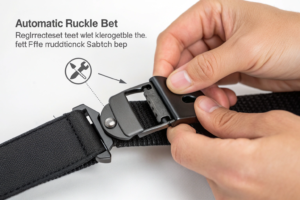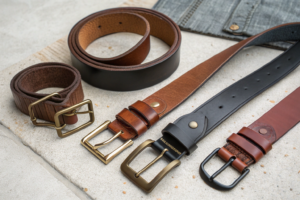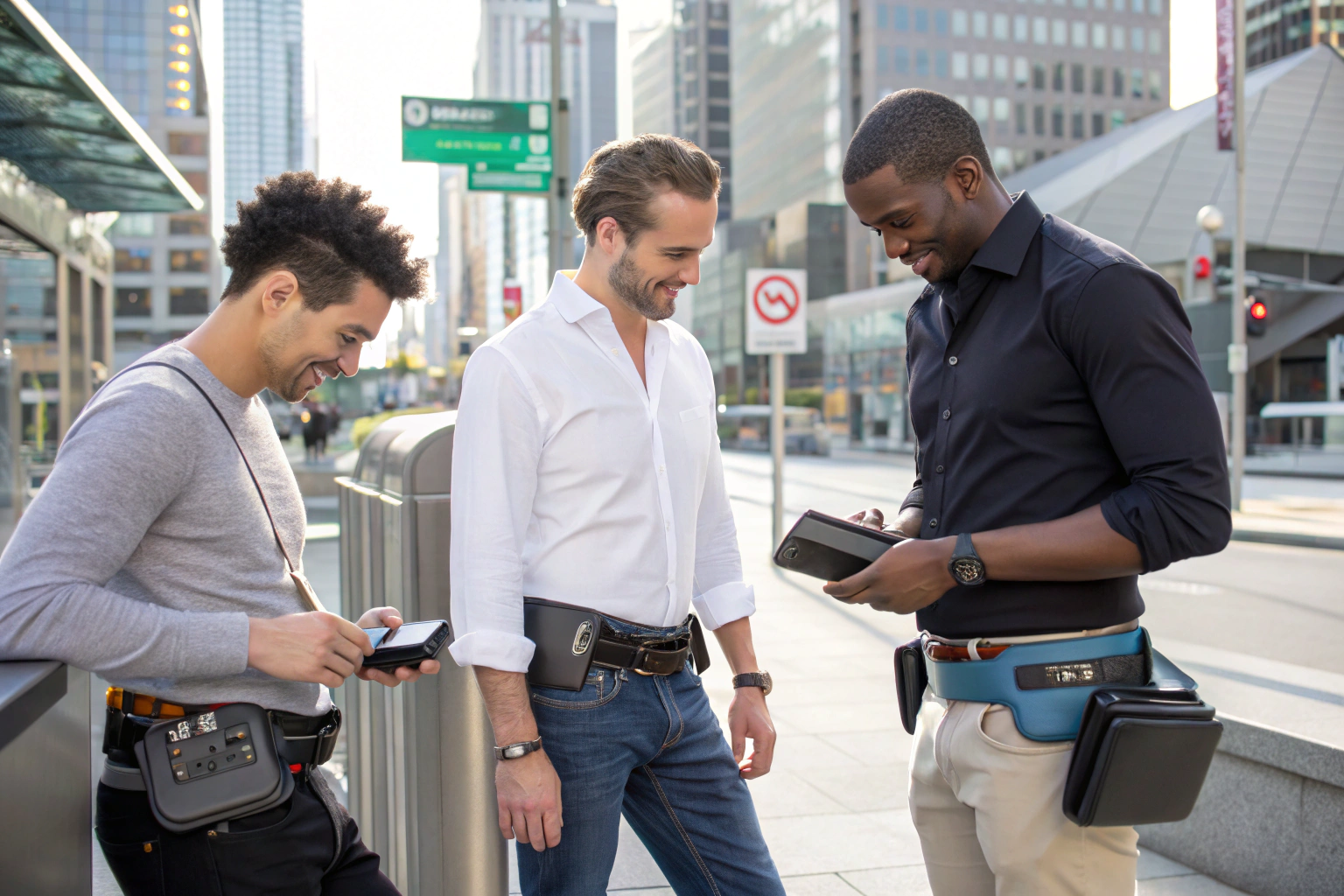
The global travel industry faces a growing challenge: sophisticated theft targeting tourists and business travelers, with traditional money belts and hidden pouches offering limited protection and often uncomfortable wearing experiences. How can manufacturers and retailers address this need while maintaining style, comfort, and accessibility? The answer lies in integrating theft-deterrence technology directly into belts that people already wear daily.
Sourcing belts with built-in theft deterrence requires understanding RFID blocking technology, strategic hidden compartment design, tamper-evident features, and discrete security mechanisms. Successful security belts balance protection with normal appearance, offering features like RFID-blocking material layers, strategically located hidden pockets, cut-resistant construction, and subtle locking mechanisms that don't compromise style or comfort.
The security belt market has evolved from obvious "tourist" products to sophisticated accessories that provide protection without announcing their security features. Let's examine the essential technologies, sourcing considerations, design integrations, and market opportunities that define this growing category.
What Security Technologies Are Most Effective in Belts?
Not all security features provide equal protection or user value. Understanding which technologies deliver genuine security benefits versus marketing hype is essential for effective sourcing decisions.
The most effective security technologies include genuine RFID-blocking materials, strategically located hidden compartments, cut-resistant webbing or wiring, and subtle anti-theft fasteners. These features address the most common theft methods while maintaining the belt's primary function and aesthetic appeal.
How Does RFID Protection Actually Work in Belts?
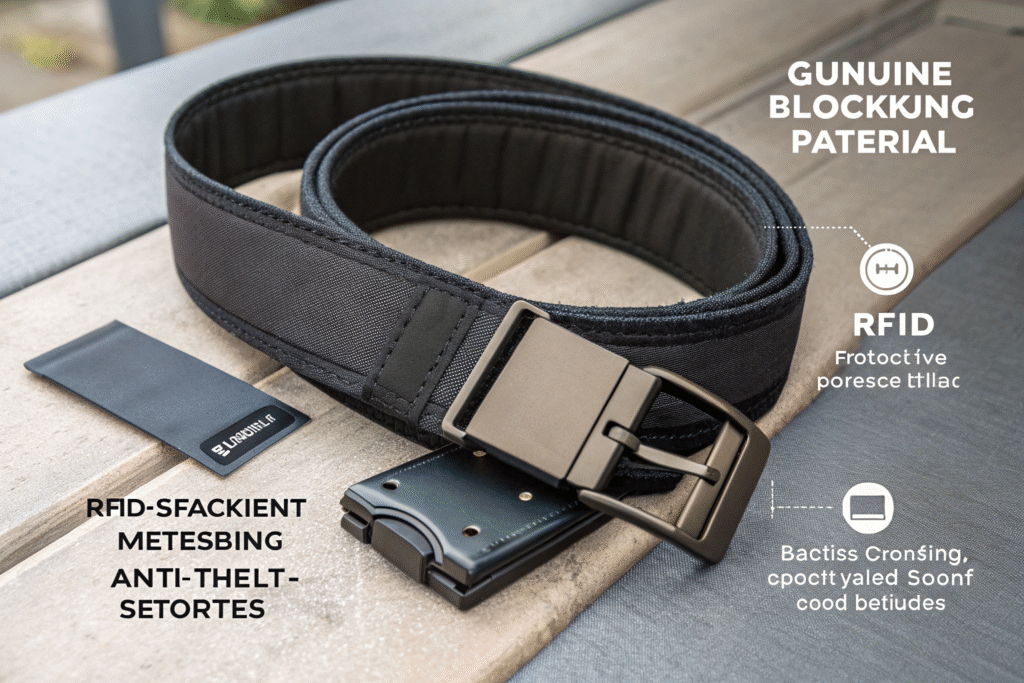
RFID protection works by integrating metallic mesh or specialized fabrics that create a Faraday cage effect, blocking electromagnetic fields and preventing unauthorized scanning of credit cards, passports, and digital documents. Effective RFID blocking requires complete enclosure of protected items, meaning hidden compartments must be fully lined with certified blocking materials. The technology must block the specific frequency ranges used by credit cards (13.56 MHz) and passports (860-960 MHz) to provide genuine protection. Standards from the International Organization for Standardization provide testing protocols for RFID blocking effectiveness that reputable manufacturers should follow.
What Makes Hidden Compartments Truly Secure?
Truly secure hidden compartments feature discreet access points that don't resemble traditional pockets, require specific actions to open (such as pressing multiple points simultaneously), and maintain their concealed nature even during normal movement. The most effective designs place compartments in areas difficult for thieves to access without the wearer's knowledge, such as against the small of the back or integrated into the buckle mechanism itself. Research from Travel Security Advisory indicates that compartments requiring complex or two-handed opening procedures significantly reduce successful theft attempts compared to simple zippered pockets.
How to Source Quality Security Belts From Manufacturers?
Sourcing security belts requires vetting manufacturers for both technical capability and ethical manufacturing practices, as security products carry additional responsibility for performance claims.
Quality security belt sourcing involves verifying technical certifications, assessing manufacturing quality control, evaluating material authenticity, and ensuring consistent performance across production runs. The sourcing process should prioritize manufacturers with specific experience in security products rather than general belt producers.

What Certifications Should Security Belt Manufacturers Have?
Reputable security belt manufacturers should hold ISO 9001 quality management certification, specific RFID blocking verification from independent testing laboratories, and material certifications for any cut-resistant claims. For factories producing belts with electronic components, additional certifications like CE marking or FCC compliance may be necessary. These certifications provide objective evidence that security claims are valid and consistently maintained across production. The American Society for Testing and Materials provides specific standards for testing cut resistance and RFID blocking effectiveness that manufacturers should follow.
How Can You Verify Security Feature Performance?
Verifying security feature performance requires independent testing, sample evaluation, and ongoing quality audits. For RFID protection, this means testing samples with RFID readers across appropriate frequency ranges. For hidden compartments, practical testing for discoverability and accessibility under realistic conditions. Manufacturers should provide test reports from accredited laboratories and allow prospective buyers to conduct their own verification testing. Resources from International Consumer Product Testing offer protocols for validating security product claims before committing to large orders.
What Design Considerations Balance Security and Style?
The greatest security technology fails if customers won't wear the product due to poor aesthetics or comfort. Successful security belts seamlessly integrate protection into designs people choose to wear for their style, not just their security features.
Design considerations include maintaining normal belt appearance, ensuring comfort during extended wear, providing intuitive security feature access, and offering style variations for different contexts from business travel to casual exploration.
How Can Security Features Remain Undetectable?
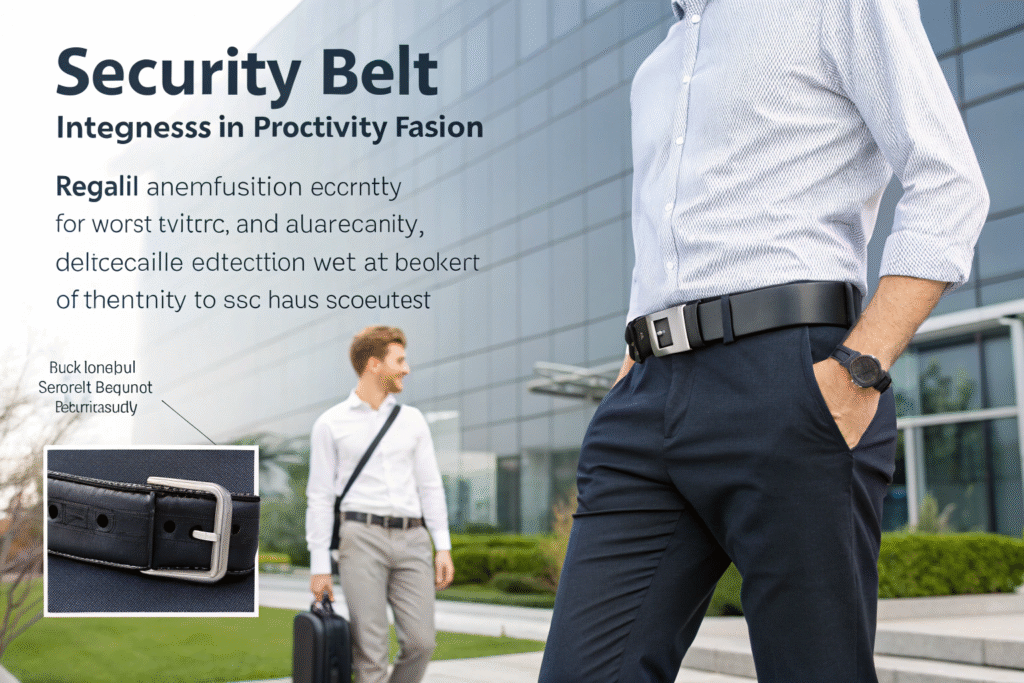
Security features remain undetectable by matching standard belt proportions, using common materials and finishes, avoiding unusual bulk or weight, and ensuring hidden compartments don't create visible outlines under clothing. The most successful designs use the belt's natural structure to conceal security elements—for example, using the buckle's interior space for small storage or integrating RFID blocking within the belt's normal thickness. Design principles from the Industrial Designers Society of America emphasize how successful security product design avoids visual cues that draw attention to protective features.
What Materials Support Both Security and Comfort?
Materials that support both security and comfort include flexible RFID-blocking meshes that don't stiffen the belt, thin but strong cut-resistant strands woven into standard belt materials, and breathable backing materials that prevent discomfort during extended wear. The material selection must maintain the belt's primary function while adding security benefits, requiring careful balancing of sometimes competing requirements. Research from The Textile Institute provides data on how advanced materials can incorporate security features without compromising comfort or aesthetics.
What Market Opportunities Exist for Security Belts?
The market for security belts extends beyond traditional travel accessories to multiple consumer segments with different needs and preferences. Understanding these segments allows for targeted product development and marketing.
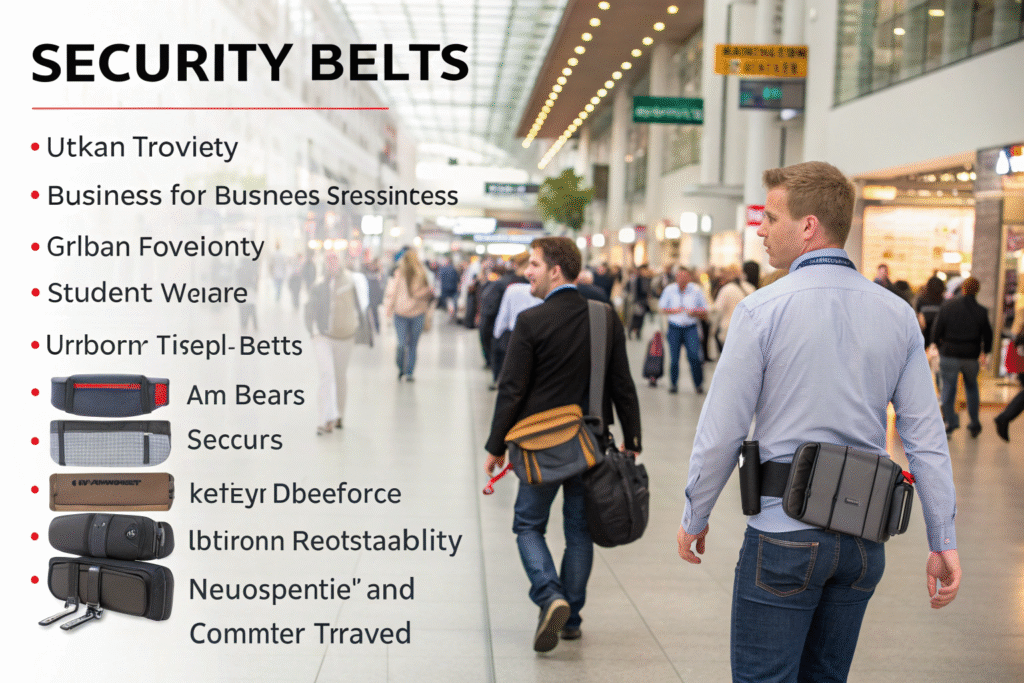
Significant market opportunities include business travelers needing document protection, urban commuters concerned about pickpocketing, students securing dormitory valuables, and outdoor enthusiasts protecting essentials during activities. Each segment has distinct requirements for style, feature set, and price sensitivity.
How Large is the Growing Travel Security Market?
The travel security market exceeds $3 billion globally, with annual growth of 8-12% driven by increasing international travel and heightened security concerns. Within this market, wearable security products represent the fastest-growing segment as travelers seek more convenient protection than traditional money belts or neck pouches. Security belts capture an increasing share as their designs improve and awareness grows. Market data from Statista shows consistent growth in travel security product sales, particularly in categories that don't sacrifice style for protection.
What Price Points Are Consumers Willing to Pay?
Consumers demonstrate willingness to pay significant premiums for effective security features integrated into stylish accessories. Business travelers regularly pay $75-150 for quality security belts, while premium materials and advanced features can support prices of $200+. The key is demonstrating genuine security benefits rather than perceived protection, with customers showing particular price sensitivity around verified RFID blocking and hidden compartment effectiveness. Consumer research from McKinsey & Company indicates travelers will pay 30-50% premiums for accessories with proven security features compared to standard equivalents.
Conclusion
Sourcing belts with built-in theft deterrence technology requires balancing genuine security effectiveness with stylish design and comfortable wearability. The most successful products protect users without announcing their security features, integrating protection seamlessly into accessories people choose for their appearance and comfort.
The growing market for security-integrated accessories represents a significant opportunity for manufacturers and retailers who can deliver both authentic protection and fashion appeal. If you're looking to develop security belt collections that address this demand, our manufacturing expertise can help create products that balance technical security requirements with market-ready style. Contact our Business Director, Elaine, to discuss how we can develop security-enhanced belts for your brand. Reach out to Elaine at elaine@fumaoclothing.com. Let's create accessories that protect without compromising style.