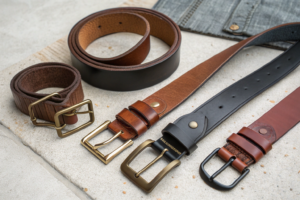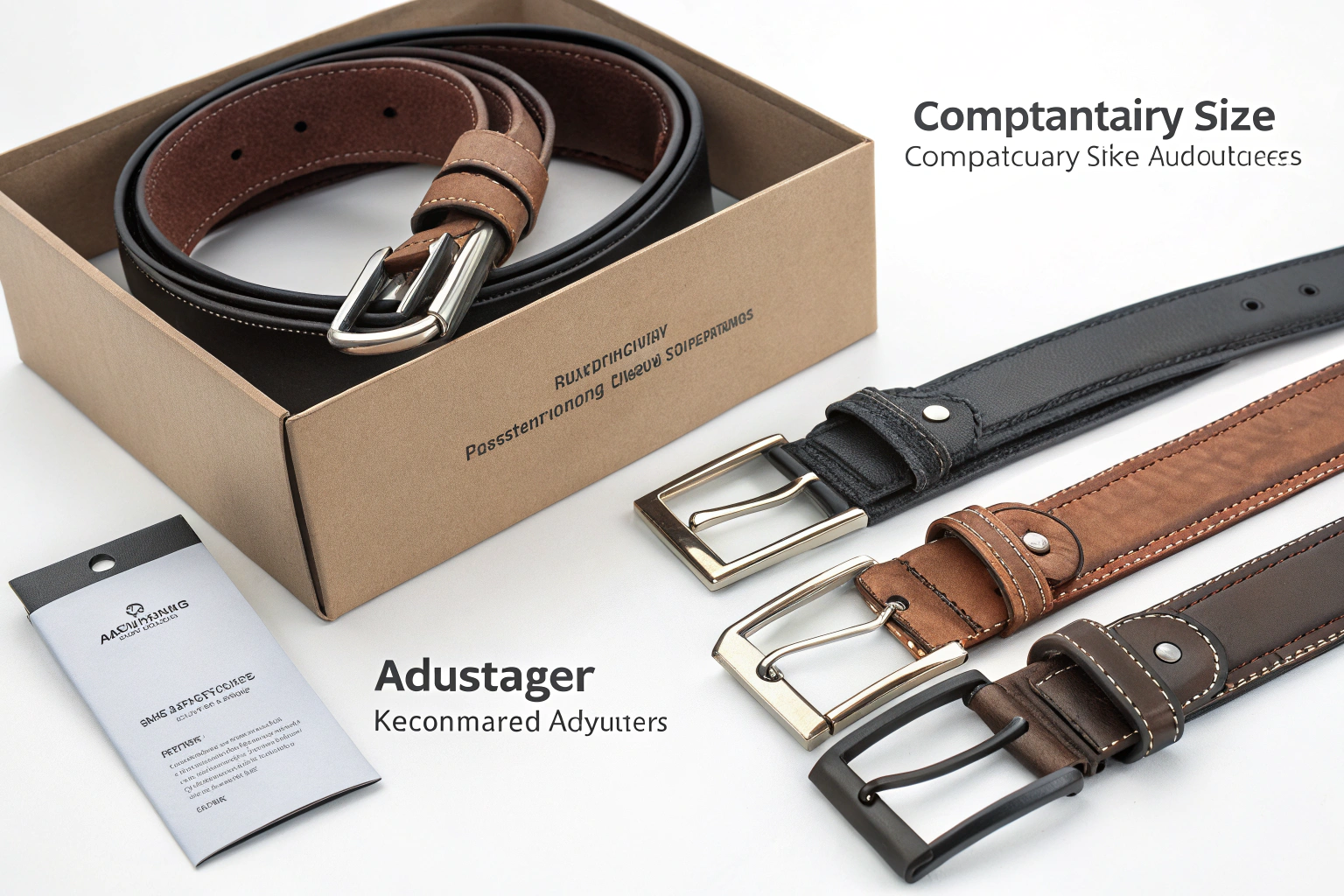
The belt industry faces a persistent challenge with sizing inaccuracies that lead to high return rates and customer dissatisfaction. Increasingly, forward-thinking brands are addressing this issue by including complimentary size-adjusters with their belt offerings, creating a powerful value proposition that significantly enhances customer experience while reducing operational costs associated with returns and exchanges.
Sourcing belts with complimentary size-adjusters requires identifying manufacturers with expertise in modular belt systems, establishing clear quality standards for adjuster components, implementing efficient packaging solutions, and developing strategic partnerships that benefit both brands and suppliers through reduced return rates and increased customer satisfaction.
The inclusion of size-adjusters represents a paradigm shift from treating belts as fixed-size products to viewing them as adjustable systems that accommodate body fluctuations and sizing uncertainties. This approach requires specialized sourcing strategies that differ from conventional belt procurement.
What Types of Size-Adjusters Are Most Effective?
The effectiveness of size-adjusters varies significantly based on their design, materials, and integration method with the primary belt. Understanding the different adjuster types helps brands select the most appropriate solutions for their specific target markets and price points.
The most successful adjuster designs balance ease of use with reliable performance, providing genuine sizing flexibility without compromising the belt's aesthetic appeal or requiring complex customer education.

Which mechanical adjuster systems deliver best results?
Several mechanical adjuster systems have proven highly effective in commercial applications:
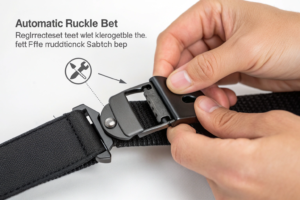
- Belt tail shorteners that neatly tuck and secure excess belt length without cutting
- Modular extension clips that add 2-4 inches of length using discrete connecting mechanisms
- Magnetic add-on sections that provide quick length adjustments without tools
- Slide-on adjusters that redistribute excess length evenly around the belt circumference
- Reversible buckles with multiple attachment points for different size ranges
According to industry testing data, mechanical adjuster systems typically reduce size-related returns by 45-65% while increasing customer satisfaction ratings by 30-40%. The most reliable systems use stainless steel components and precision engineering to ensure durability through repeated adjustments.
How do fabric and elastic adjusters compare?
Non-mechanical adjusters offer alternative solutions for different applications:
- Elastic expanders that provide temporary stretch for comfort during sitting or meals
- Hook-and-loop extensions offering customizable length adjustments without tools
- Fabric strap systems that integrate seamlessly with casual and sports belt designs
- Modular link systems allowing customers to add or remove sections as needed
- Convertible designs that transform between standard and extended sizes
These solutions are particularly effective for specific market segments, including maternity wear, medical applications, and products targeting customers with fluctuating sizes. The most successful implementations maintain consistent aesthetics between the adjusters and the primary belt materials.
How to Source Manufacturers with Adjuster Expertise?
Identifying manufacturers capable of producing belts with integrated size-adjuster systems requires evaluating specific capabilities beyond conventional belt production. The most suitable partners demonstrate expertise in modular design, precision component manufacturing, and systems thinking.
The sourcing process should assess both technical capabilities and business philosophy, as manufacturers who understand the strategic value of size-adjusters typically deliver superior solutions compared to those viewing them as simple add-ons.

What manufacturing capabilities indicate adjuster expertise?
Manufacturers with genuine adjuster expertise typically demonstrate:
- Modular design experience with proven systems for component integration
- Precision tooling capabilities for consistent small component manufacturing
- Quality control processes specifically for adjustable systems and moving parts
- Material selection knowledge for components requiring different properties than main belts
- Packaging innovation experience to accommodate additional components elegantly
These manufacturers typically maintain ISO 9001 certification with specific protocols for modular products and can provide detailed documentation of their adjuster systems' durability testing. The most advanced partners utilize failure mode effects analysis (FMEA) during product development to identify and address potential adjuster issues before production.
How should sourcing evaluations assess adjuster quality?
Comprehensive manufacturer evaluation should include:
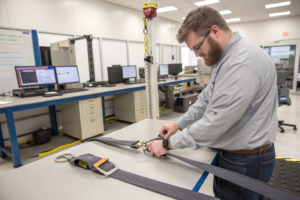
- Component testing of adjusters through hundreds of adjustment cycles
- Material verification ensuring adjusters match belt quality standards
- User testing results demonstrating intuitive operation for end customers
- Return rate data from previous clients using similar adjuster systems
- Scalability evidence showing ability to maintain quality at production volumes
Manufacturers with successful track records typically provide detailed case studies showing how their adjuster systems have performed for other brands, including specific return rate reductions and customer satisfaction improvements. The evaluation should prioritize partners who view adjusters as integral to the product system rather than optional accessories.
What Packaging Solutions Accommodate Adjuster Components?
The inclusion of size-adjusters creates packaging challenges that require innovative solutions to maintain premium presentation while ensuring components remain organized and accessible. Effective packaging balances protection, aesthetics, and educational functions to maximize customer understanding and appreciation of the adjuster system.
The most successful packaging solutions transform the adjuster from an afterthought into a highlighted feature that reinforces the product's value proposition and differentiates it from conventional belt offerings.

What packaging designs highlight adjuster value?
Several packaging approaches effectively showcase adjuster systems:
- Integrated presentation where adjusters are visibly incorporated into the main packaging design
- Educational inserts with clear visual instructions for using the adjustment system
- Modular packaging with dedicated compartments for different adjuster components
- Transparent elements that allow customers to see the adjusters without opening packaging
- Premium positioning that presents adjusters as valuable features rather than simple accessories
According to packaging industry research, products with educational packaging that clearly explains unique features achieve 25-35% higher customer satisfaction ratings. The most effective designs use visual storytelling to help customers immediately understand the adjuster's purpose and operation.
How can packaging facilitate adjuster organization?
Strategic packaging solutions address organizational challenges:
- Custom inserts that securely hold adjusters in designated positions
- Reusable storage allowing customers to keep adjusters organized after opening
- Clear labeling identifying different adjuster types and their specific functions
- Size-matching systems that help customers select the appropriate adjuster for their needs
- Instructional hierarchy presenting essential information first with additional details available
These organizational features are particularly important for products including multiple adjuster types, where customer confusion can undermine the system's benefits. The most successful implementations use intuitive design that makes proper adjuster selection and use self-evident.
How Do Adjuster Systems Impact Business Metrics?
The strategic implementation of complimentary size-adjusters generates measurable business benefits that extend beyond customer satisfaction to impact key operational and financial metrics. Understanding these impacts helps justify the additional investment in adjuster systems and guides strategic decision-making.
The business case for size-adjusters encompasses both direct financial benefits and strategic advantages that strengthen brand positioning and customer relationships in competitive markets.

What return rate reductions can brands expect?
Complimentary size-adjusters typically generate significant return rate improvements:
- Size-related returns typically decrease by 40-60% based on industry data
- Exchange requests reduce as customers can adjust fit themselves rather than exchanging
- Customer error returns decrease when adjusters accommodate measurement mistakes
- International return reduction as adjusters compensate for sizing system differences
- Long-term return prevention as adjusters accommodate weight fluctuations over time
According to fashion e-commerce research, the average return rate for accessories is 15-25%, with sizing issues representing 60-70% of these returns. Size-adjuster implementation typically reduces overall return rates by 8-15 percentage points, creating substantial cost savings.
How do adjusters impact customer lifetime value?
Size-adjusters contribute to increased customer lifetime value through multiple mechanisms:
- Higher satisfaction scores leading to increased repeat purchase probability
- Enhanced perceived value justifying premium pricing and increasing margin potential
- Reduced friction in the ownership experience strengthening brand loyalty
- Positive word-of-mouth from customers appreciating the thoughtful solution
- Competitive differentiation making customers less likely to switch to adjuster-less competitors
These benefits collectively increase customer lifetime value by 20-35% according to case studies from brands that have implemented comprehensive adjuster systems. The strategic advantage becomes particularly significant in competitive markets where differentiation is challenging.
Conclusion
Sourcing belts with complimentary size-adjusters requires a strategic approach that identifies manufacturers with specific expertise in modular systems, establishes clear quality standards for adjuster components, develops innovative packaging solutions, and recognizes the substantial business benefits beyond simple product features. When implemented effectively, size-adjuster systems transform belt purchasing from a sizing gamble into a confident investment, dramatically reducing returns while significantly enhancing customer satisfaction and loyalty.
If your brand is looking to source belts with integrated size-adjuster systems, our factory specializes in modular belt manufacturing with comprehensive adjuster solutions tailored to different market segments and price points. Contact our Business Director, Elaine, at elaine@fumaoclothing.com to discuss how we can help develop belt systems that eliminate sizing uncertainty while enhancing your brand's value proposition.