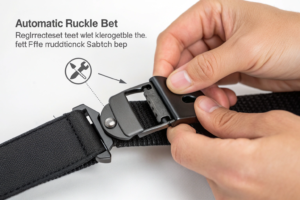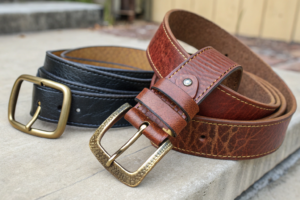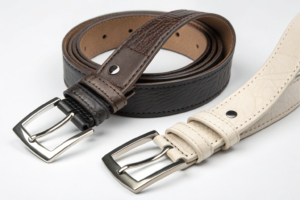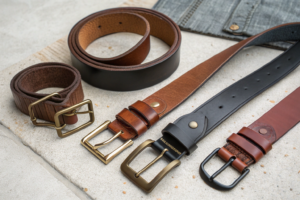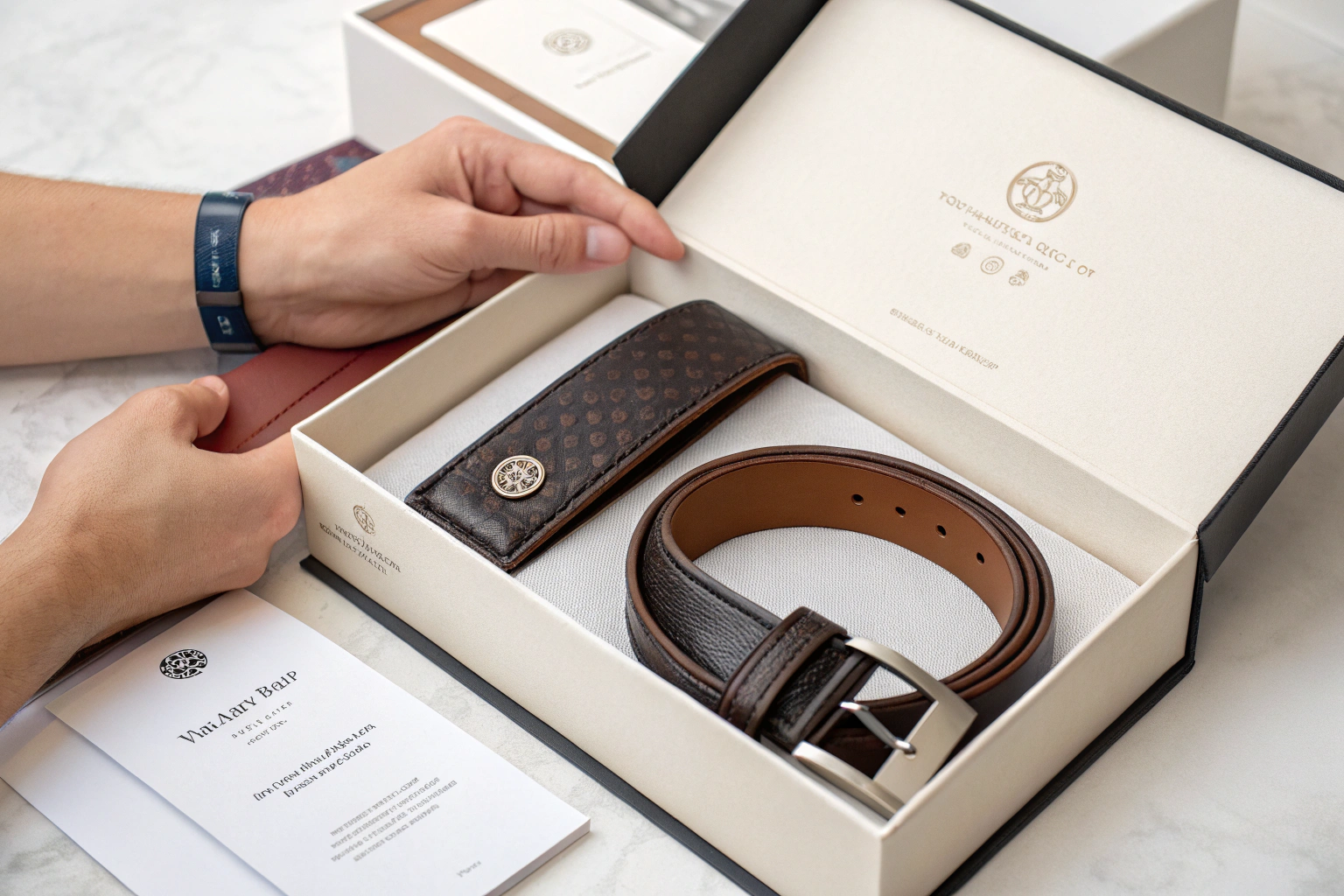
Your belts are beautifully crafted, but they arrive at your customer's door in a plain, unbranded poly bag. The unboxing experience feels generic, failing to communicate your brand's value and story. In today's market, the packaging is not just a container; it's a critical marketing touchpoint. Sourcing belts with custom branded packaging is what transforms a simple product delivery into a memorable brand experience that builds loyalty and justifies a premium price.
Sourcing belts with custom branded packaging involves finding a manufacturer that offers integrated packaging services or partnering with a separate packaging supplier that can align with your production timeline. The process requires careful planning around design, material selection, structural engineering, and logistics to ensure the packaging protects the product, reflects your brand identity, and arrives efficiently with your belts.
This guide will walk you through the key steps of this integrated sourcing process. We will explore how to define your packaging strategy, choose the right manufacturer partnership, navigate the design and prototyping phase, and manage the logistics and cost considerations for a seamless launch.
How to Define Your Custom Packaging Strategy?
Before you approach any suppliers, you must have a clear vision for what you want your packaging to achieve. Are you aiming for luxury appeal, eco-friendly minimalism, or cost-effective brand recognition? A generic request will lead to generic results and potential misalignment with your manufacturer.
Your packaging strategy should be a direct extension of your brand identity and marketing goals. It must balance aesthetics with practical considerations like cost, durability, and shelf presence. A well-defined strategy serves as a crucial brief for your manufacturer, ensuring everyone is aligned from the start.
What Are the Primary Goals of Your Packaging?
Start by asking what you need the packaging to do for your business. The common goals include:
- Brand Elevation: Using high-quality materials and finishes to justify a premium price point and create a luxury unboxing experience.
- Retail Readiness: Designing packaging that is easy to merchandise on peg walls or in display cases, with clear branding and product information.
- Storytelling: Using the box, tags, and inserts to communicate your brand's heritage, values, or commitment to sustainability.
- Cost-Effective Protection: Ensuring the belt arrives in perfect condition without overspending on elaborate packaging that doesn't align with your brand.
Defining these goals upfront will guide every subsequent decision, from material choice to partner selection.
How Do You Choose the Right Packaging Format?
The format of your packaging is its most fundamental characteristic. The choice depends heavily on your sales channels (e.g., e-commerce vs. retail) and brand positioning.
| Packaging Format | Best For | Key Considerations |
|---|---|---|
| Rigid Gift Box | Luxury Brands, E-commerce | High perceived value, excellent protection. Higher cost and shipping volume. |
| Slim Hang Card | Retail Stores, Wholesale | Easy merchandising, cost-effective. Limited space for branding. |
| Magnetic Closure Box | Mid-Range to Luxury | Reusable, premium feel. More expensive than a tuck-end box. |
| Cardboard & Paper Wrap | Eco-Conscious Brands | Minimalist, sustainable. Offers less physical protection. |
For most belt brands, a rigid box or a sturdy hang card are the most common and effective starting points.
What Are the Sourcing Models for Integrated Packaging?
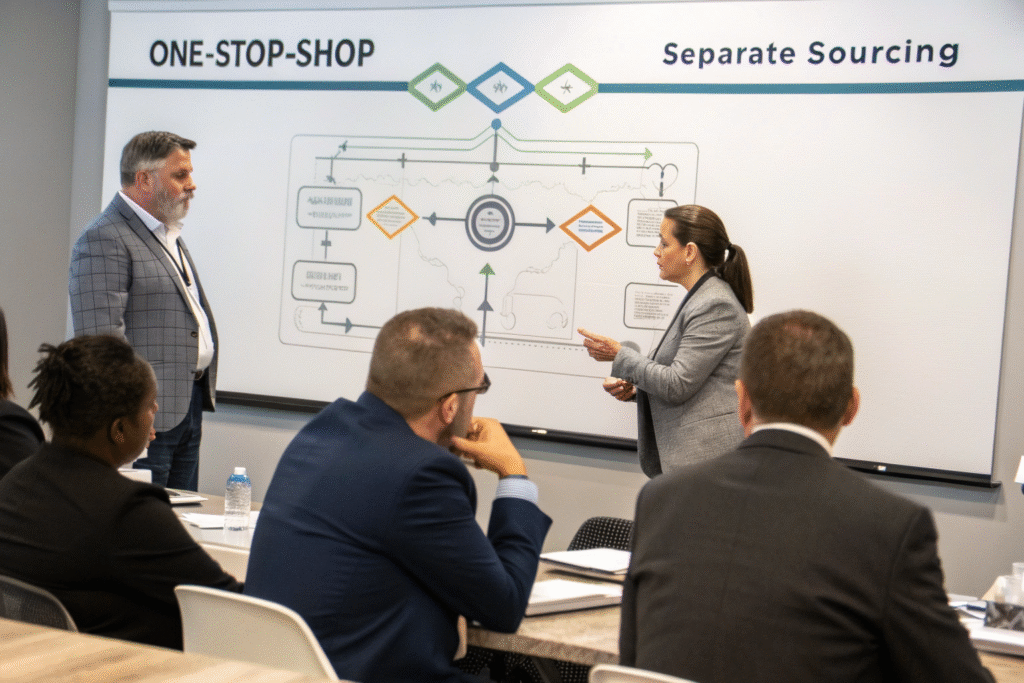
Once you have a strategy, you need to decide how to execute it. You essentially have two main paths: the "One-Stop Shop" model, where your belt manufacturer also produces the packaging, or the "Separate Sourcing" model, where you manage the belt and packaging supply chains independently.
Each model has distinct advantages and challenges. Your choice will depend on your volume, desired level of control, and internal logistical capabilities. For most small to medium brands, the integrated model offers significant advantages.
Why Choose a Manufacturer with In-House Packaging?
Sourcing both the product and its packaging from a single factory is often the most efficient path. This "full-package" or turnkey sourcing model simplifies your supply chain dramatically.
Key Benefits:
- Streamlined Logistics: The belts can be packaged immediately after quality control, then shipped as a single, ready-to-sell unit. This reduces handling and the risk of damage.
- Cost Efficiency: Bundling the product and packaging order often leads to better overall pricing.
- Guaranteed Fit: The manufacturer designs the packaging insert to perfectly fit their specific belt models, eliminating guesswork.
- Single Point of Contact: You manage one relationship and one production timeline, reducing complexity.
When Does Separate Sourcing Make Sense?
There are scenarios where managing packaging separately is preferable:
- Highly Specialized Packaging: If you need a unique packaging material or construction that your belt factory doesn't offer.
- Localization: If you want to ship belts in bulk and do final packaging in your home country to include region-specific inserts or pricing.
- Existing Packaging Relationships: If you already have a trusted packaging supplier for other products.
This model requires excellent coordination to ensure the packaging arrives at the belt factory on time and fits the product perfectly.
How to Navigate the Design and Prototyping Phase?
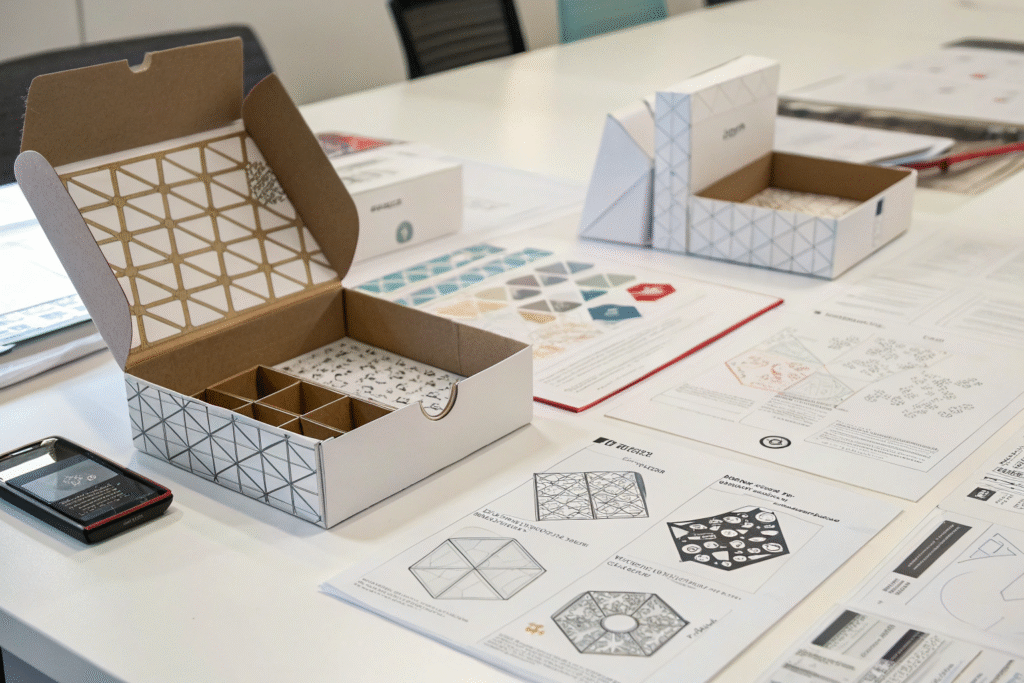
This is where your strategy becomes a tangible product. The design phase involves creating the graphics and structural engineering for your packaging. Skipping or rushing prototyping is the most common cause of packaging failures.
A meticulous approach to design and prototyping ensures your vision is achievable, cost-effective, and functional. This phase requires close collaboration between your brand, the manufacturer, and often a dedicated packaging designer.
What are the Key Design and Production Steps?
The process typically follows these stages:
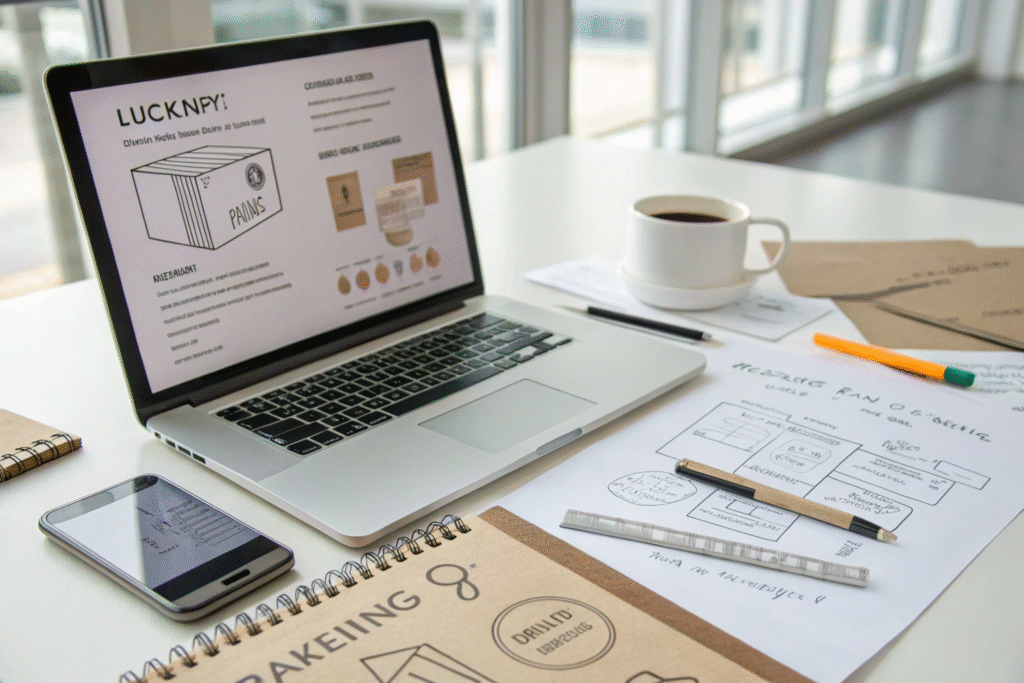
- Structural Design: Creating a dieline—the blueprint that shows how the box will be cut and folded. This determines the functionality and strength of the packaging.
- Graphic Design: Applying your logo, colors, and other brand assets to the dieline. Ensure designs are print-ready with proper bleeds and CMYK color profiles.
- Prototyping (The "White Sample"): The factory will produce a physical prototype, often in plain white cardboard. This is to check the size, structure, and fit for the belt. This is not about color yet.
- Color Proofing: Once the structure is approved, the factory provides a printed proof to confirm colors, finishes, and branding accuracy.
- Pre-Production Sample: A final sample from the actual production run, using the correct materials and printing, for your final sign-off.
Investing time in this phase prevents costly mistakes, such as boxes that are too small for the buckle or print that is misaligned.
What Customization Finishes Elevate the Experience?
To make your packaging stand out, consider these premium finishing techniques:
- Foil Stamping: Imparts a luxurious metallic shine to your logo or text.
- Embossing/Debossing: Creates a raised or recessed texture, adding a tactile element.
- Spot UV: A glossy coating applied to specific areas to create contrast and highlight design elements.
- Custom Inserts: Molded pulp or foam that cradles the belt and buckle securely, or a cardboard sleeve that holds the belt in a perfect coil.
These details, while adding cost, significantly enhance the perceived value of your product.
How to Manage Logistics and Cost Considerations?
The final hurdle is integrating the packaged product into your supply chain. Custom packaging affects your shipping costs, import duties, and storage requirements. A beautiful box that doubles your shipping expenses is not a sustainable business model.
A pragmatic approach to logistics and cost ensures your branded packaging strategy is profitable. This involves understanding the true "landed cost" and planning for efficient storage and fulfillment.

How Does Packaging Impact Your Landed Cost?
The landed cost includes the price of the packaging itself plus all associated logistics costs. Key factors include:
- Dimensional Weight (DIM Weight): Courier companies charge based on package volume, not just physical weight. A bulky box can dramatically increase shipping costs, especially for e-commerce orders.
- Import Duties: Packaging is typically dutiable. Your freight forwarder will need the value of the packaging for customs declaration.
- Storage: Larger packaging takes up more warehouse space, increasing storage costs.
Always request "knocked-down flat" shipping for boxes, where they are shipped unassembled to save massive amounts of space and reduce shipping costs.
What Are the Key Cost Drivers?
Understanding what makes packaging expensive allows you to make smart trade-offs:
- Material Thickness: Thicker cardboard costs more.
- Size: Larger boxes use more material.
- Color Printing: More ink colors and full-bleed printing increase cost.
- Special Finishes: Foil stamping, embossing, and spot UV add significant cost per unit.
- Labor: Complex assembly instructions for your packaging can increase factory labor costs.
By working closely with your manufacturer, you can find a balance that delivers a high-quality unboxing experience without eroding your profit margin.
Conclusion
Sourcing belts with custom branded packaging is a multifaceted process that blends marketing strategy with practical supply chain management. It begins with a clear definition of your packaging goals, followed by choosing the right sourcing model—often an integrated manufacturer for efficiency. The critical design and prototyping phase ensures the packaging is both beautiful and functional, while a careful analysis of logistics and landed cost guarantees the strategy is commercially viable. By mastering this process, you transform your belt from a simple accessory into a cohesive brand experience that delights customers and drives loyalty.
If you are looking for a manufacturing partner that can seamlessly integrate high-quality belt production with custom branded packaging, we offer full-package solutions tailored to your brand's needs. Contact our Business Director, Elaine, at elaine@fumaoclothing.com to discuss how we can create a complete, branded product that stands out from the moment it's unboxed.