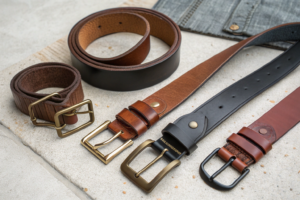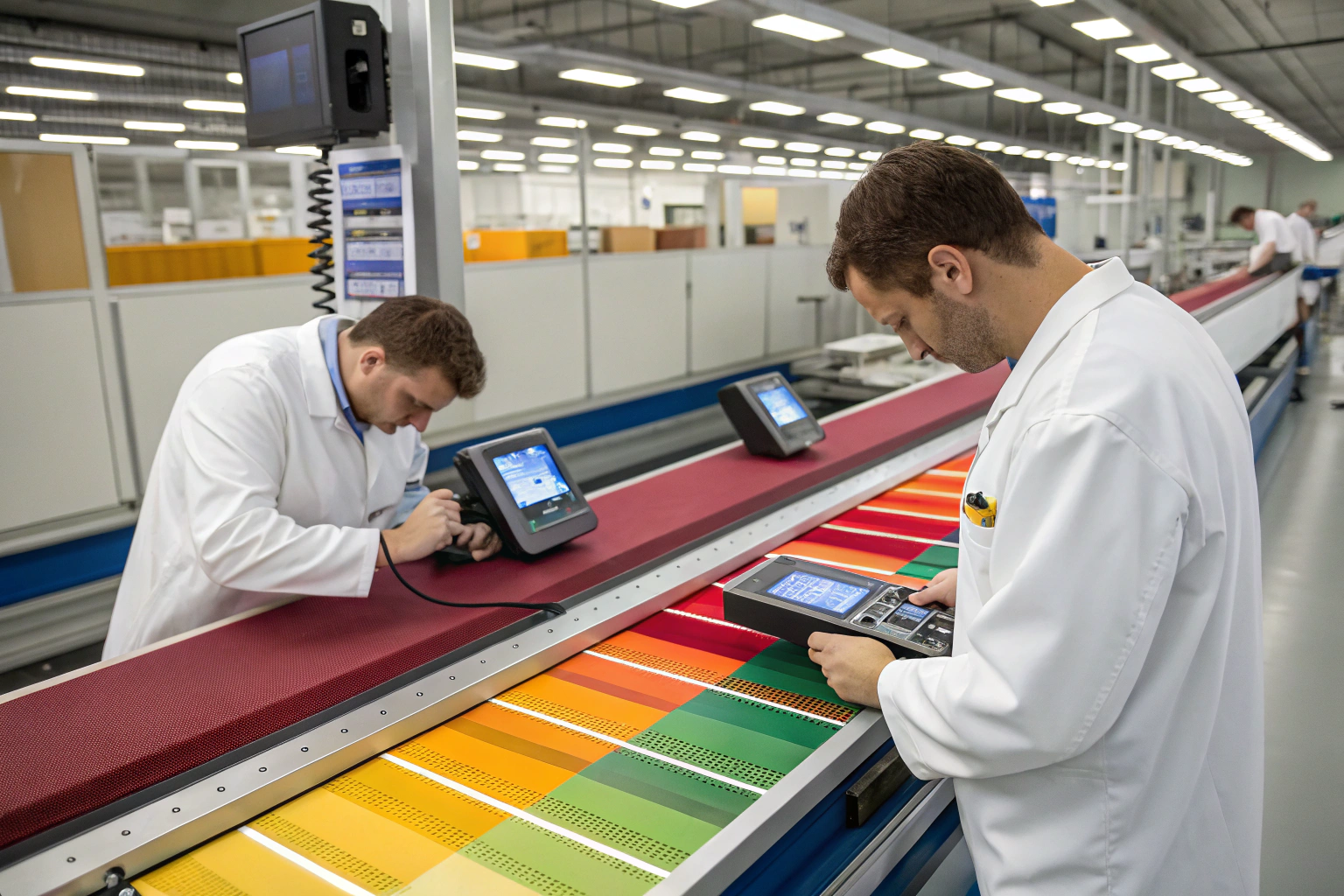
The fashion industry faces significant challenges in color consistency, particularly when matching belts to existing products, brand colors, or specific customer requests. Traditional color matching relies on subjective visual assessment and manual processes that often result in inconsistencies across production runs and materials. This creates frustration for brands requiring precise color coordination across their collections.
Sourcing belts with custom color-matching technology requires identifying manufacturers who utilize spectrophotometers, digital color management systems, and standardized production processes that ensure accurate, consistent color reproduction. These advanced systems transform subjective color assessment into objective, data-driven manufacturing that delivers perfect color matches across different materials and production batches.
The evolution of digital color technology has created new possibilities for precision manufacturing in fashion accessories. This guide explores the sourcing strategies, technological requirements, and quality control processes necessary for obtaining perfectly color-matched belts.
What Digital Color Systems Ensure Accurate Matching?
Traditional color matching relies on Pantone books and visual comparison under specific lighting, but these methods introduce significant variability. Digital color management systems provide objective, repeatable color assessment that eliminates human subjectivity and environmental factors.
Spectrophotometers, digital color standards, and integrated quality control software create a comprehensive system for perfect color reproduction. These technologies work together to ensure colors match exactly regardless of material differences or production variables.
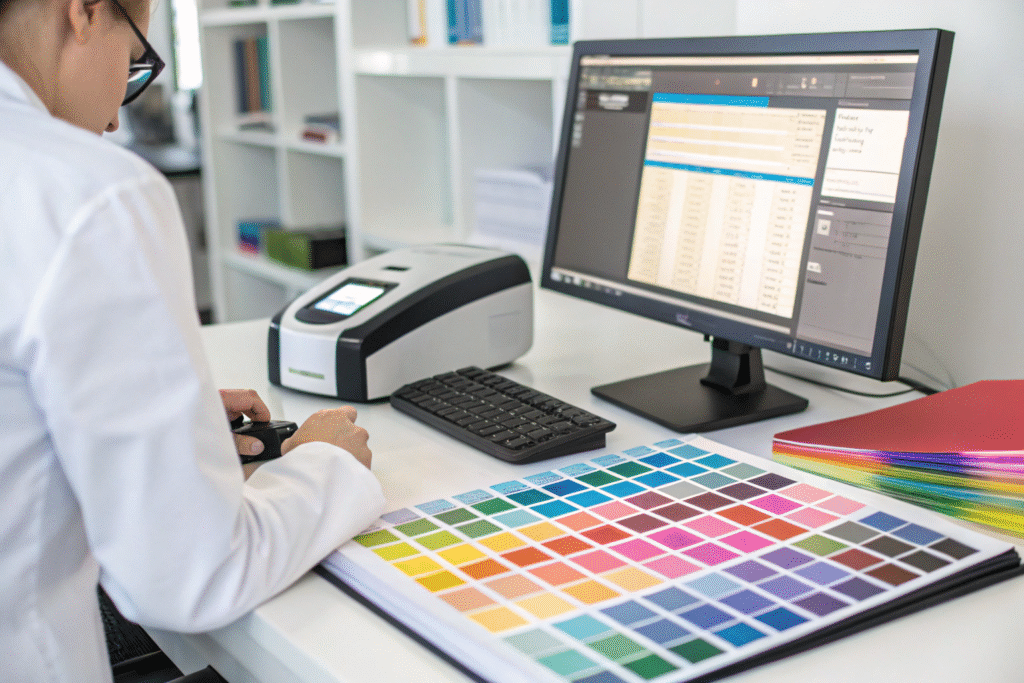
How Do Spectrophotometers Transform Color Measurement?
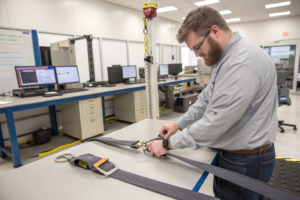
Modern spectrophotometers measure color values across the entire visible spectrum, creating digital color fingerprints that are accurate to within tenths of a Delta E unit (the standard measurement of color difference). This technology captures color data objectively, eliminating the variations that occur when different people assess colors under different lighting conditions. The resulting data provides manufacturers with precise targets for dye formulation and quality control.
Why Does Digital Standardization Improve Consistency?
Unlike physical color standards that fade and deteriorate over time, digital color libraries maintain permanent consistency across global supply chains. Manufacturers using digital standards can share exact color specifications with material suppliers, dye houses, and production facilities worldwide, ensuring everyone works from identical references. This approach prevents the gradual color drift that plagues traditional manufacturing.
What Manufacturing Capabilities Support Precision Color Work?
Not all belt manufacturers possess the equipment or expertise for true custom color matching. Specific capabilities in dyeing, material preparation, and quality control are essential for consistent results.
Advanced dyeing facilities, material-specific expertise, and integrated color management represent the minimum requirements for reliable custom color work. These capabilities ensure colors reproduce accurately across different belt materials and constructions.

Why Do Specialized Dyeing Facilities Matter for Accuracy?
Manufacturers with in-house dyeing capabilities and color labs achieve significantly better color matching than those relying on external suppliers. On-site dyeing allows for immediate adjustments and testing, reducing the trial-and-error cycles that delay production. The most advanced facilities use computerized dye dispensing that automatically formulates colors based on spectrophotometer readings.
How Does Material Expertise Impact Color Reproduction?
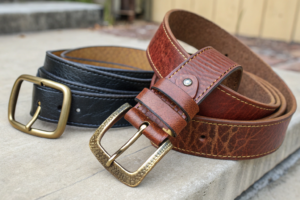
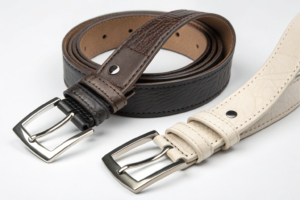
Different belt materials absorb and reflect color differently even with identical dye formulas. Leather, synthetic fabrics, and woven materials each require specialized dyeing approaches and color correction techniques. Manufacturers experienced with multiple material types understand these variations and adjust their processes accordingly to maintain color consistency across product lines.
What Communication Protocols Ensure Accurate Results?
Even with advanced technology, miscommunication about color expectations remains a common sourcing failure point. Establishing clear color communication protocols prevents expensive mistakes and production delays.
Digital color standards, physical approval samples, and structured feedback processes create reliable communication channels between brands and manufacturers. These protocols ensure both parties share identical understanding of color requirements.

How Do Digital Color Files Streamline Communication?
Providing manufacturers with standardized color data files (such as CXF or AXF formats) eliminates interpretation errors that occur with verbal descriptions or photographic references. These files contain complete spectral data that manufacturers can directly input into their color formulation software. The approach is particularly valuable for brand colors that must remain consistent across multiple product categories and production locations.
Why Are Physical Approval Samples Still Essential?
Despite digital advances, physical lab dip approvals remain crucial for verifying color matches under real-world lighting conditions. The most reliable processes involve producing small dye samples on actual production materials for visual assessment alongside digital measurements. This dual verification catches issues that pure digital processes might miss, such as metamerism (color changes under different lighting).
What Quality Control Systems Maintain Color Consistency?
Achieving perfect color matching means little without systems to maintain that accuracy throughout production. Robust quality control processes ensure every belt matches the approved standard, regardless of production volume or timing.
In-line color monitoring, statistical process control, and standardized lighting for inspection create comprehensive quality assurance. These systems prevent color drift and identify variations before they affect entire production runs.

How Does In-Line Spectrophotometry Prevent Production Errors?
Manufacturers using automated in-line color measurement systems can continuously monitor color accuracy during production, immediately flagging deviations before significant quantities are affected. This real-time monitoring is particularly valuable for large production runs where manual sampling might only catch problems after hundreds or thousands of pieces are manufactured. The technology pays for itself by preventing costly re-dyeing or remanufacturing.
Why Standardized Lighting Is Critical for Final Inspection?
Even with digital measurement, final visual inspection under standardized lighting ensures colors meet expectations in realistic viewing conditions. Manufacturers should maintain light booths with multiple standard illuminants (D65 daylight, cool white fluorescent, incandescent) to verify color consistency across different environments. This final check catches metamerism issues that spectrophotometers might not identify.
| Technology | Color Accuracy | Implementation Cost | Best Application |
|---|---|---|---|
| Benchtop Spectrophotometer | 0.5-1.0 Delta E | Medium | Lab dips, quality control |
| Portable Spectrophotometer | 0.8-1.2 Delta E | Low-Medium | Supplier audits, production checks |
| In-Line Color Sensors | 1.0-1.5 Delta E | High | High-volume production |
| Digital Color Standards | Exact match | Low | Communication, archiving |
Conclusion
Sourcing belts with custom color-matching technology requires manufacturers who combine advanced measurement equipment, material expertise, and rigorous quality control processes. By implementing digital color management from initial communication through final production, brands can achieve perfect color consistency that enhances product quality and brand reputation. The precision offered by modern color technology transforms what was once an artistic guessing game into a scientific process delivering reliable, repeatable results.
Ready to develop belt collections with perfect color matching for your brand? At StylishBelts, we utilize advanced color management technology to ensure exact color reproduction across all our products. Contact our Business Director Elaine today at elaine@fumaoclothing.com to discuss how our color-matching capabilities can achieve perfect consistency for your belt collections.