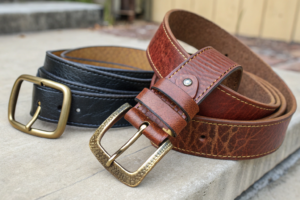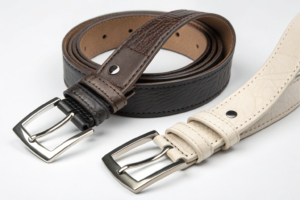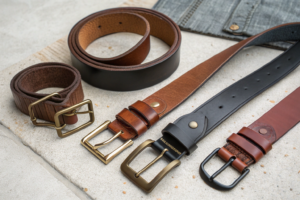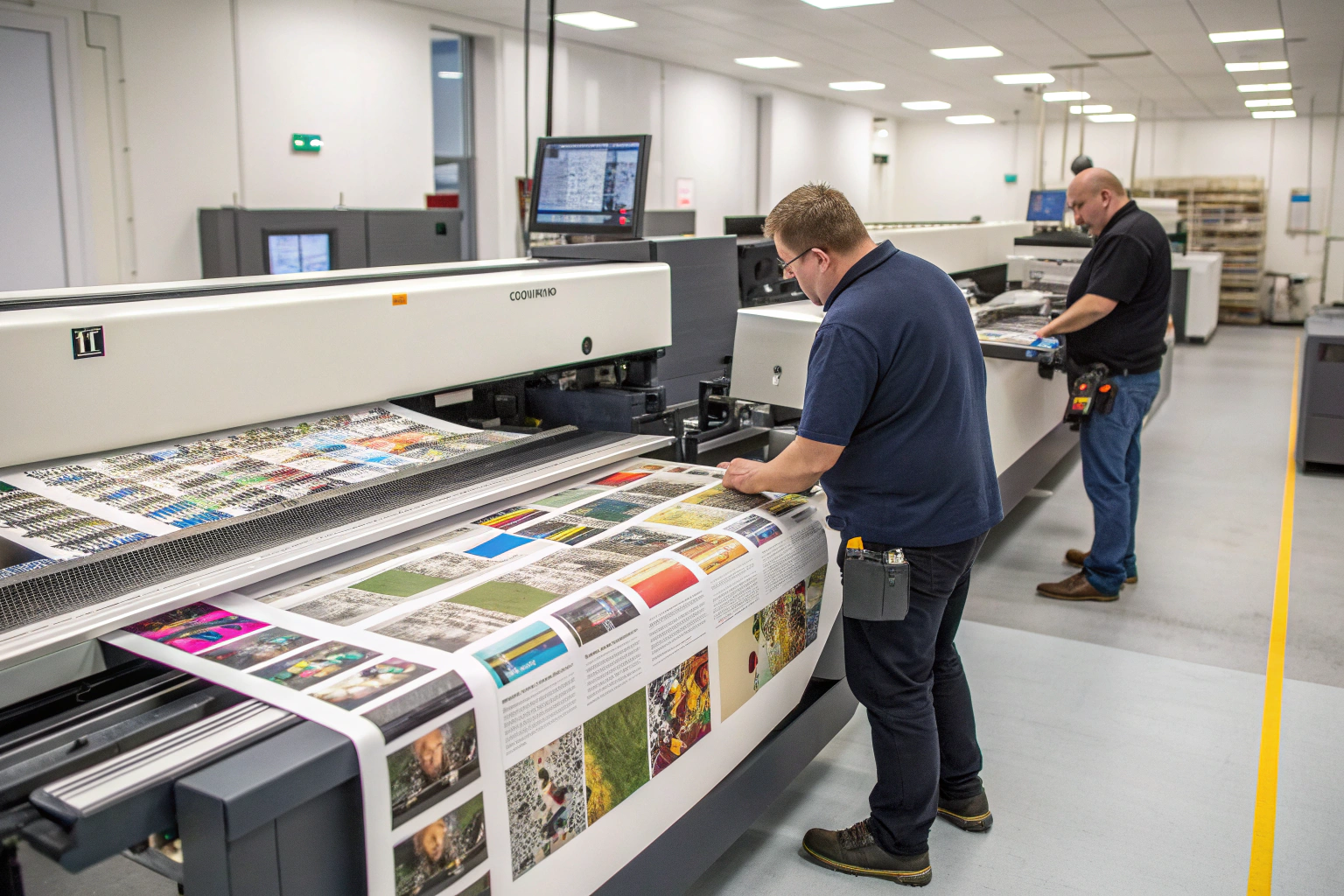
The fashion industry's shift toward personalization and rapid design iteration has made digital printing capabilities increasingly valuable for belt production. Traditional manufacturing methods struggle with complex patterns, photographic imagery, and small-batch customization that modern consumers demand. How can brands identify and partner with manufacturers who have genuine digital printing expertise rather than basic transfer printing capabilities?
Sourcing belts with digital printing capabilities requires evaluating manufacturers' technology infrastructure, material compatibility, color management systems, and minimum order quantity flexibility. Successful sourcing typically involves identifying partners with industrial-grade digital printers, specialized belt printing expertise, proven color accuracy across production runs, and reasonable MOQs that accommodate testing and small-batch production. The most capable manufacturers offer both direct-to-fabric and direct-to-leather printing with resolution exceeding 1200 dpi for photographic-quality results.
Navigating the digital printing landscape demands understanding both technical capabilities and practical production considerations. Let's examine the technology evaluation, material compatibility, design preparation, and production planning essential for successful digitally printed belt sourcing.
What Digital Printing Technologies Work Best for Belts?
Not all digital printing technologies deliver equivalent results for belt applications. Understanding the differences between various printing methods ensures you select partners with appropriate capabilities for your specific needs.
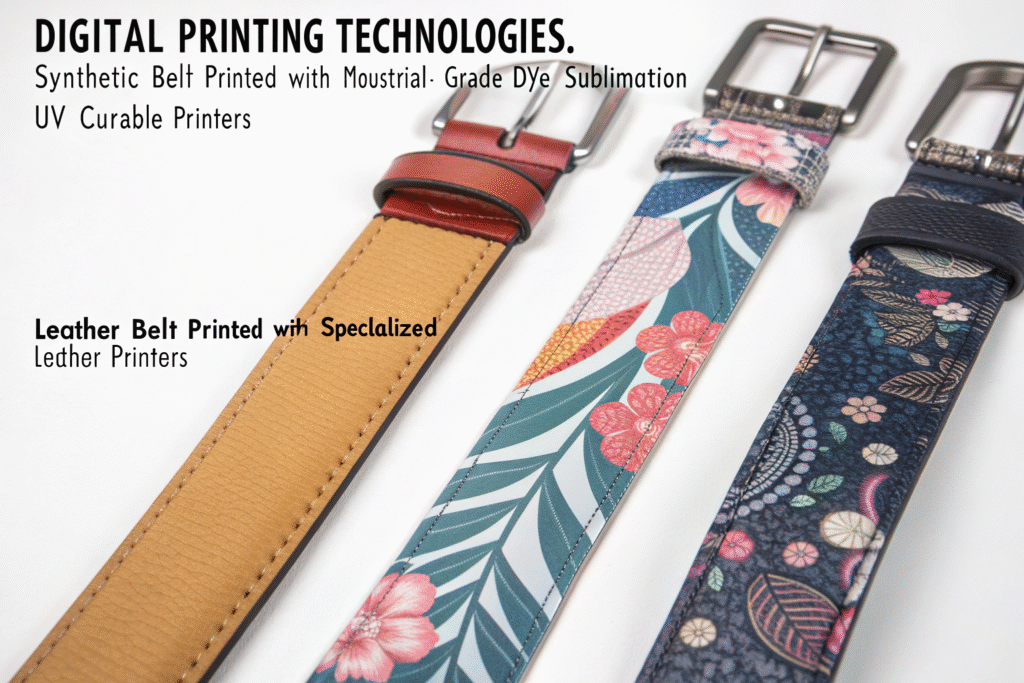
The most effective digital printing technologies for belts include industrial-grade dye-sublimation printers for synthetic materials, UV-curable printers for mixed material belts, and specialized leather printers with pretreatment systems. Each technology offers distinct advantages for different belt types and design requirements.
How Does Dye-Sublimation Printing Perform on Belt Materials?
Dye-sublimation printing excels on polyester-based belt materials by infusing dye directly into the fabric at the molecular level, creating vibrant, fade-resistant patterns that won't crack or peel. This process uses heat and pressure to transform solid dye particles into gas that penetrates synthetic fibers, resulting in designs that become part of the material rather than sitting on the surface. For belt applications, dye-sublimation typically achieves 85-95% color gamut coverage with excellent wash and rub fastness. Technology standards from the Digital Textile Printing Association confirm dye-sublimation's superiority for synthetic materials.
What Are the Advantages of UV-Curable Printing for Mixed Materials?
UV-curable printing offers significant advantages for mixed-material belts by adhering to diverse surfaces including leather, metal hardware accents, and various textiles without requiring pretreatment. The technology uses ultraviolet light to instantly cure specially formulated inks, creating durable, flexible prints that resist scratching and environmental degradation. This capability is particularly valuable for fashion belts combining multiple materials in single designs. UV printing typically achieves 4-Color process printing with 98% Pantone color matching accuracy. Industrial printing guidelines from SGIA (now part of PRINTING United Alliance) document UV printing performance standards.
What Material Compatibility Considerations Matter Most?
Digital printing results vary dramatically across different belt materials, making substrate compatibility a crucial sourcing consideration. The same design can produce vastly different outcomes on various materials.
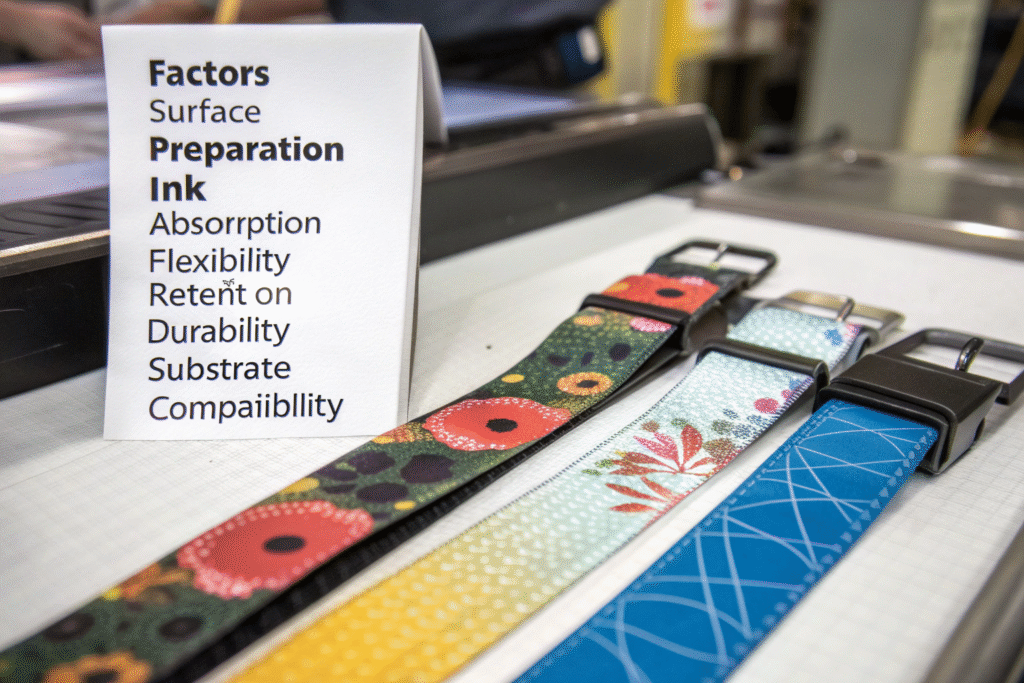
Material compatibility factors include surface preparation requirements, ink absorption characteristics, flexibility retention, and durability under stress. Understanding these factors prevents disappointing results and production delays.
How Does Leather Preparation Affect Print Quality?
Leather preparation significantly affects print quality through crust selection, surface finishing, and pretreatment application. Full-grain leather requires extensive surface preparation for consistent ink absorption, while corrected grain leather accepts digital printing more readily. The most successful manufacturers use specialized pretreatment systems that create uniform surface characteristics without compromising leather's natural feel and flexibility. Print quality assessment should include rub tests (ISO 105-X12) and flex testing (ASTM D2097) to ensure designs withstand normal belt movement. Leather printing standards from the Leather Working Group provide preparation protocols.
What Synthetic Materials Deliver Optimal Printing Results?
Synthetic materials delivering optimal printing results include coated polyester webbing for dye-sublimation, polyurethane-coated fabrics for direct printing, and technical textiles with specialized coatings for high-definition output. These materials typically achieve 95%+ color gamut coverage with excellent resolution retention and durability. The most advanced options incorporate protective top coatings that enhance scratch resistance and UV protection without compromising design vibrancy. Material specifications from Textile Exchange help identify substrates optimized for digital printing.
What Design Preparation Ensures Printing Success?
Digital printing's potential is only realized with proper design preparation. File preparation, color management, and pattern engineering significantly impact final product quality.
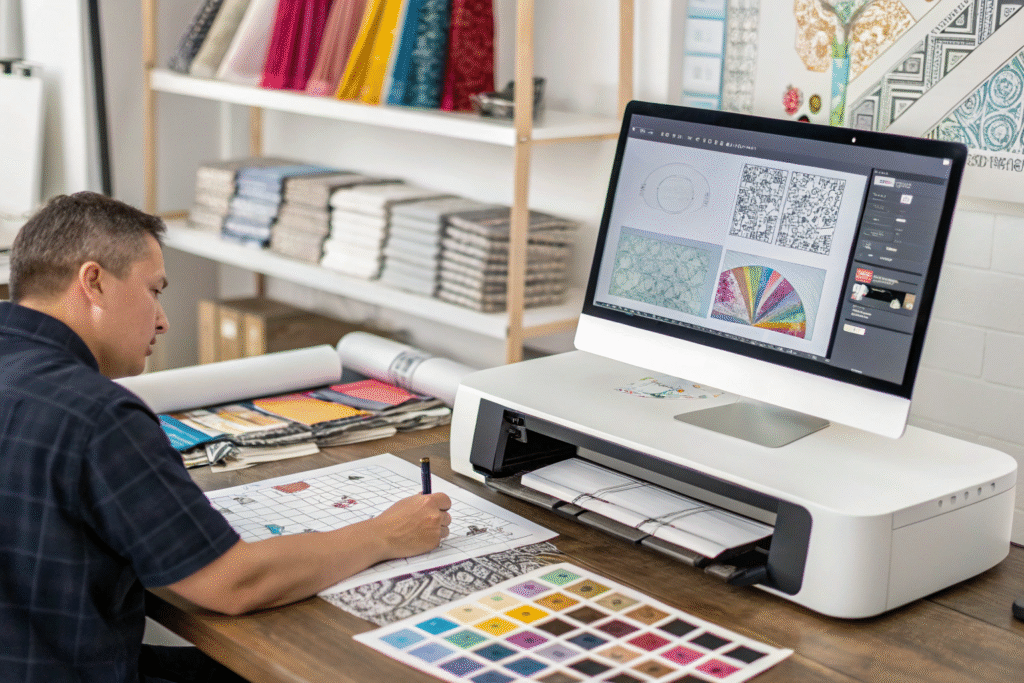
Design preparation requirements include vector file creation, color separation for specific printing technologies, pattern repeat engineering, and printability analysis. Each element contributes to translating digital designs into physical products accurately.
How Should Artwork Be Prepared for Belt Printing?
Artwork should be prepared for belt printing using vector-based files (AI or EPS formats) with outlined fonts, 300 dpi resolution for bitmap elements, and proper color management for the specific printing technology. Designs must account for belt curvature, buckle placement, and keepers to ensure patterns align correctly when worn. The most successful approaches include creating technical packages with printing templates that show exact pattern placement and include bleed areas for manufacturing variances. Design guidelines from Adobe Creative Cloud provide industry-standard preparation protocols.
What Color Management Systems Ensure Accuracy?
Color management systems ensuring accuracy include ICC profile implementation, spectrophotometer verification, and batch-to-batch calibration. Professional manufacturers use standardized lighting conditions (D65 illuminant) for color matching and provide customers with printed color charts showing achievable color ranges on specific materials. The most advanced systems achieve Delta E values below 2.0, representing colors indistinguishable to the human eye from original specifications. Color management standards from International Color Consortium provide frameworks for consistent color reproduction.
What Production Planning Optimizes Digital Printing?
Digital printing introduces different production considerations than traditional belt manufacturing. Effective planning maximizes the technology's advantages while managing its unique constraints.
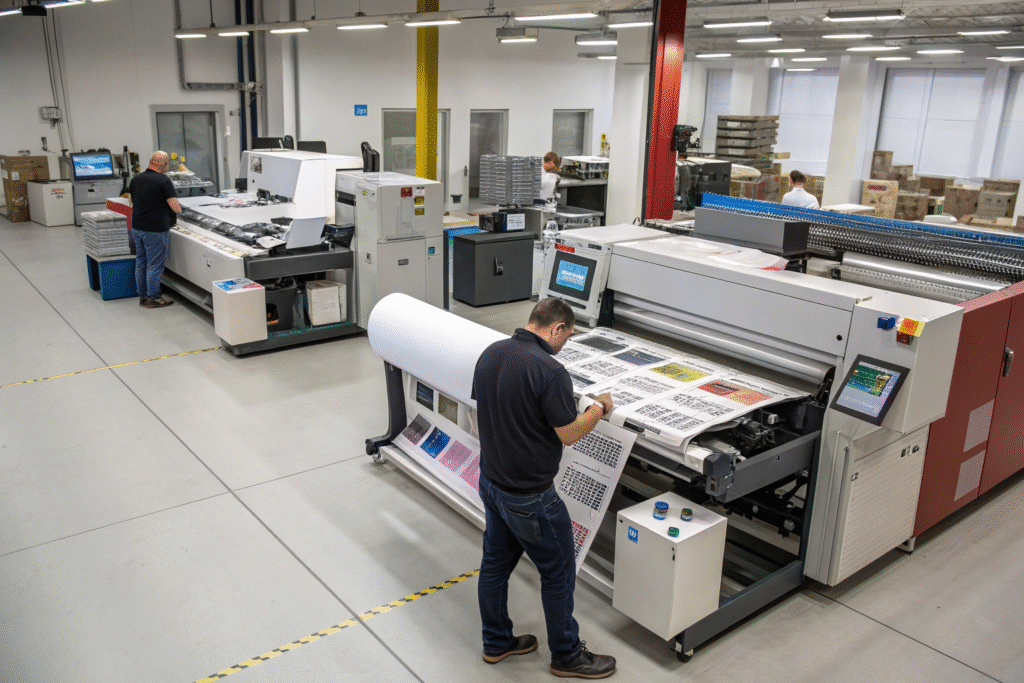
Production planning considerations include minimum quantity requirements, sampling protocols, production timelines, and quality control systems. Understanding these factors ensures smooth production and consistent results.
What Are Realistic MOQs for Digitally Printed Belts?
Realistic MOQs for digitally printed belts typically range from 50-200 pieces per design, significantly lower than traditional printed belt methods requiring 500-1000+ units. This flexibility enables brands to test multiple designs, create seasonal collections, and respond quickly to trend changes. However, per-unit costs remain higher than traditional methods until reaching approximately 500 units, where economies of scale begin to apply. Manufacturing efficiency data from the Association of Manufacturing Excellence helps optimize order quantities for digital production.
How Should Sampling Protocols Differ for Digital Printing?
Sampling protocols for digital printing should include physical strike-offs on actual production materials, color accuracy verification under multiple lighting conditions, and durability testing before full production. Unlike traditional manufacturing where sampling involves significant setup costs, digital printing allows economical sampling that accurately represents final production quality. The most effective protocols include sampling at both the material stage (before cutting and assembly) and as finished products to verify all production steps maintain design integrity. Quality assurance frameworks from American Apparel & Footwear Association provide sampling guidelines for printed products.
Conclusion
Sourcing belts with genuine digital printing capabilities requires careful evaluation of manufacturers' technical infrastructure, material expertise, color management systems, and production flexibility. The most successful partnerships combine advanced printing technology with deep understanding of belt-specific production requirements to create products that leverage digital printing's full potential for customization, complexity, and rapid iteration.
The strategic advantage of digital printing extends beyond aesthetics to encompass supply chain responsiveness, personalization capabilities, and design experimentation. If you're seeking manufacturing partners with sophisticated digital printing expertise for belt production, our facilities include industrial-grade printing systems specifically configured for accessory manufacturing. Contact our Business Director, Elaine, to discuss how we can bring your most complex belt designs to life through digital printing technology. Reach out to Elaine at elaine@fumaoclothing.com. Let's create printed belts that capture every detail of your creative vision.