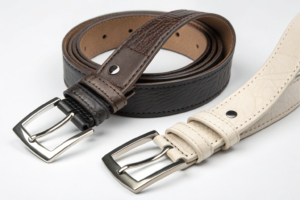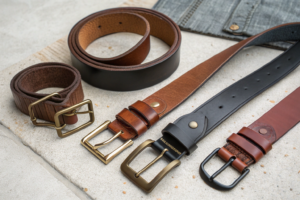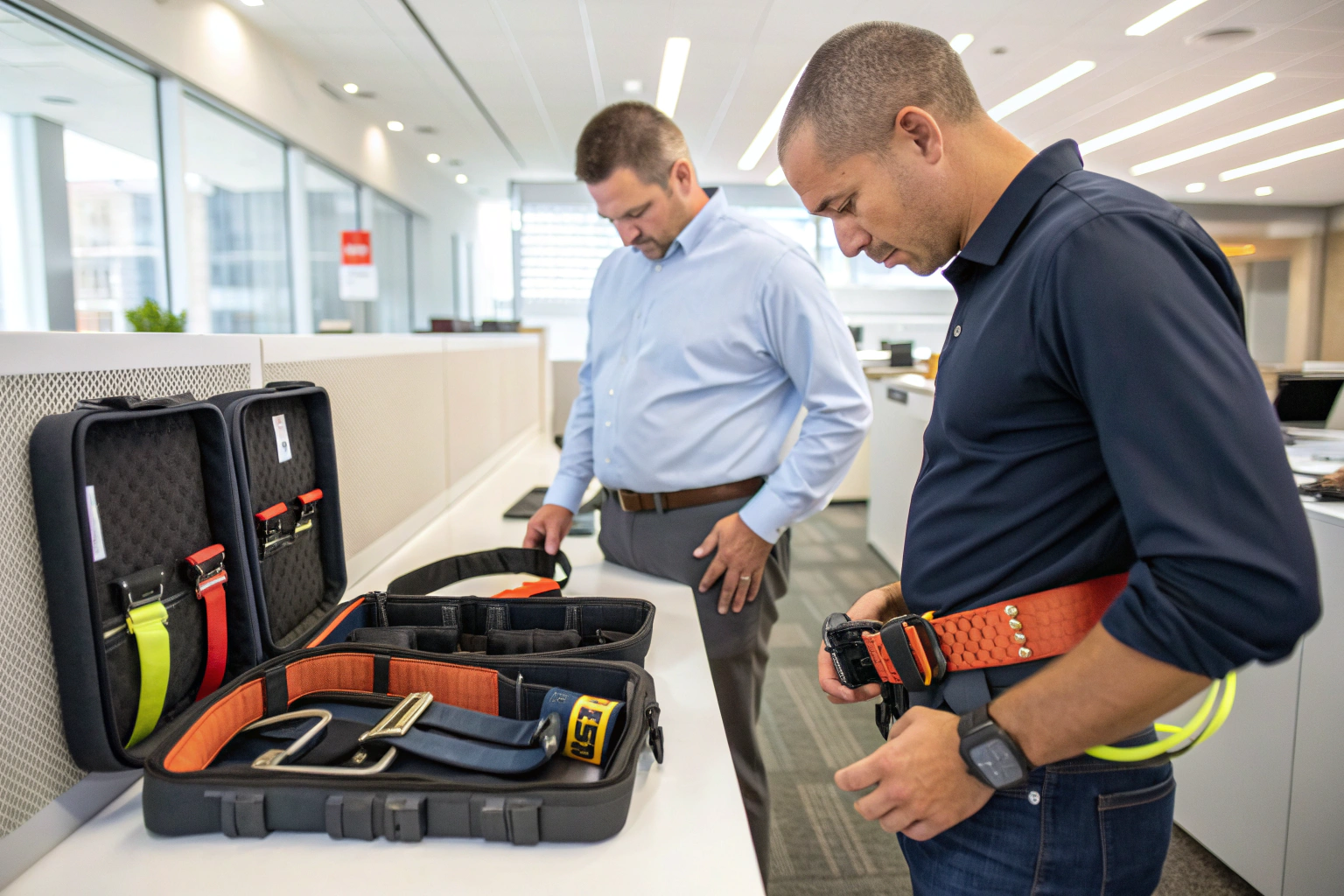
In an increasingly safety-conscious market, consumers seek everyday accessories that provide discreet protection and emergency preparedness without sacrificing style or comfort. Traditional safety tools often go unused because they're inconvenient to carry, easily forgotten, or socially conspicuous. This creates demand for products that integrate emergency functionality seamlessly into items people already wear daily.
Sourcing belts with hidden emergency tools requires identifying manufacturers with expertise in discreet compartment design, multi-functional hardware engineering, and TSA-compliant tool integration. These specialized belts incorporate tools like fire starters, emergency blades, currency holders, or communication devices within their structure while maintaining normal appearance and comfort.
The convergence of safety awareness, minimalist carry preferences, and advanced manufacturing has created ideal conditions for emergency tool belts to reach mainstream markets. This guide explores the sourcing strategies, technical requirements, and partnership approaches for successfully bringing these innovative safety accessories to market.
What Emergency Tools Are Most Practical for Belt Integration?
Not all emergency tools translate well to belt integration. The most successful implementations balance genuine utility with seamless concealment, prioritizing tools that address common emergency scenarios while maintaining comfortable wearability.
Tools should address universal emergency needs like fire starting, basic cutting, emergency communication, or self-defense while remaining compact enough for discreet integration. Each tool must provide genuine functionality without creating discomfort or obvious visual cues.

Why Are Fire Starting Tools Priority Integrations?
Fire starting capability represents one of the most valuable emergency functions for outdoor scenarios, vehicle emergencies, or power outages. The most effective implementations use ferrocerium rods embedded in buckle mechanisms or small waterproof compartments containing stormproof matches. These solutions provide critical fire-making capability while remaining completely discreet during normal wear and passing through security checkpoints when properly designed.
How Can Cutting Tools Be Safely Integrated?
Emergency cutting blades represent another high-value function for seatbelt escape, clothing cutting, or preparation tasks. The most successful implementations use small, TSA-compliant blades hidden within buckle mechanisms or replaceable blade cartridges concealed within the belt strap. These designs provide cutting capability when needed while preventing accidental deployment and maintaining legal compliance across jurisdictions.
What Manufacturing Expertise Enables Successful Integration?
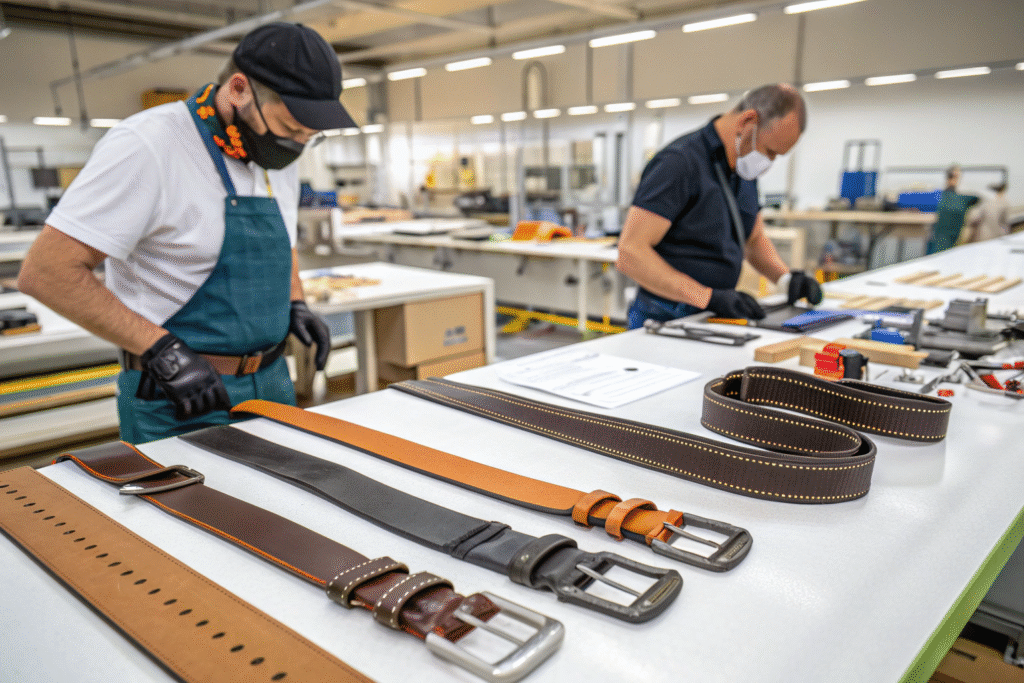
Sourcing belts with hidden emergency tools requires manufacturers with specific expertise beyond traditional belt production. Successful integration demands precision engineering, material knowledge, and understanding of safety tool functionality.
Manufacturers must balance concealment effectiveness, tool accessibility, durability, and comfort while ensuring the emergency functions remain reliable when needed. This requires specialized capabilities not typically found in conventional belt factories.
What Questions Reveal Manufacturer Technical Capability?
When evaluating potential manufacturers, ask specific questions about their experience with multi-functional accessories and concealed compartment design, including:
- Previous experience with hidden compartment products
- Engineering capabilities for custom buckle mechanisms
- Material expertise for stress points and wear resistance
- Quality control processes for moving parts and mechanisms
- Understanding of TSA and international carry regulations
Their responses indicate whether they possess the technical sophistication for successful emergency tool integration.
How Important is Prototyping and Testing Capability?
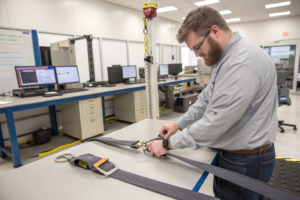
Manufacturers with in-house prototyping and rigorous testing facilities typically deliver more reliable products than those relying entirely on external suppliers. The ability to rapidly prototype compartment designs, test tool access under stress, and verify durability through accelerated wear testing ensures final products perform when needed most. This capability is particularly valuable for emergency tools where reliability is non-negotiable.
What Design Considerations Ensure Both Safety and Discretion?
Successful emergency tool belts must balance immediate accessibility with complete discretion during normal wear. Poor design either compromises the hidden nature or makes tools difficult to access during emergencies.
Strategic compartment placement, intuitive access mechanisms, and fail-safe designs prevent accidental deployment while ensuring reliable operation when needed. Each design element must serve both concealment and functionality objectives.

How Can Compartment Placement Balance Accessibility and Concealment?
Strategic placement of emergency tools within the belt structure should consider both quick access and natural concealment. Buckle-integrated tools provide the most immediate access but require sophisticated engineering. Strap-concealed tools offer more space but may require two-handed access. The most effective designs place the most critical tools in buckle-adjacent positions while utilizing the strap length for less urgent items.
What Access Mechanisms Prevent Accidental Deployment?
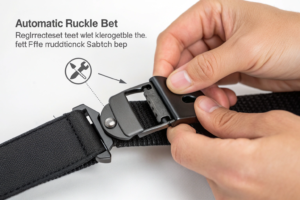
Positive engagement mechanisms requiring specific actions to access tools prevent accidental opening during normal activities. These might include magnetic locks requiring specific pressure points, rotational mechanisms needing precise alignment, or sliding components with deliberate actuation force. The most reliable systems provide tactile or audible confirmation of proper engagement when closing.
What Legal and Compliance Factors Impact Sourcing?
Emergency tool integration must navigate complex regulatory landscapes regarding concealed items, blade regulations, and transportation security rules. Understanding these legal considerations during sourcing prevents costly compliance issues.
TSA regulations, international carry laws, and product liability requirements vary significantly across markets. Proactive compliance planning ensures products meet relevant regulations in target markets.
How Do TSA Regulations Impact Tool Design?
TSA regulations regarding blades and tools in carry-on luggage significantly impact design choices for travel-friendly emergency belts. Tools must either comply with TSA size restrictions for carry-on items or be easily removable before security screening. The most successful designs either use TSA-compliant tool sizes or provide obvious, easy removal mechanisms that security personnel can quickly verify.
What International Regulations Affect Global Distribution?
International variations in blade carry laws and self-defense item regulations require careful consideration for globally distributed products. Some jurisdictions restrict blade length or locking mechanisms, while others prohibit certain types of concealed items entirely. Manufacturers with experience in global markets typically understand these variations and can advise on region-specific compliance approaches.
| Emergency Tool | Integration Method | Key Compliance Consideration |
|---|---|---|
| Fire Starter | Buckle-embedded ferro rod | No restrictions typically apply |
| Cutting Tool | Replaceable blade cartridge | TSA 2.36" blade limit for carry-on |
| Self-Defense | Strategic hard points | Varies by jurisdiction |
| Communication | Signal devices in strap | Airline mode requirements |
Conclusion
Sourcing belts with hidden emergency tools requires specialized manufacturing partnerships that balance discreet design, reliable functionality, and regulatory compliance. By understanding the practical emergency tools most valued by consumers, identifying manufacturers with appropriate technical capabilities, addressing critical design considerations, and navigating complex legal landscapes, brands can successfully bring these innovative safety accessories to market. The most successful implementations make emergency preparedness an unobtrusive part of daily life rather than a separate consideration.
Ready to develop belts with integrated emergency tools for your safety-conscious customers? At StylishBelts, we specialize in creating discreet safety accessories that combine emergency functionality with everyday wearability. Contact our Business Director Elaine today at elaine@fumaoclothing.com to discuss how our emergency tool integration expertise can enhance your product offerings.