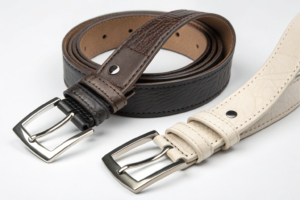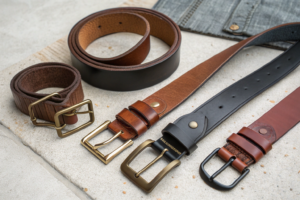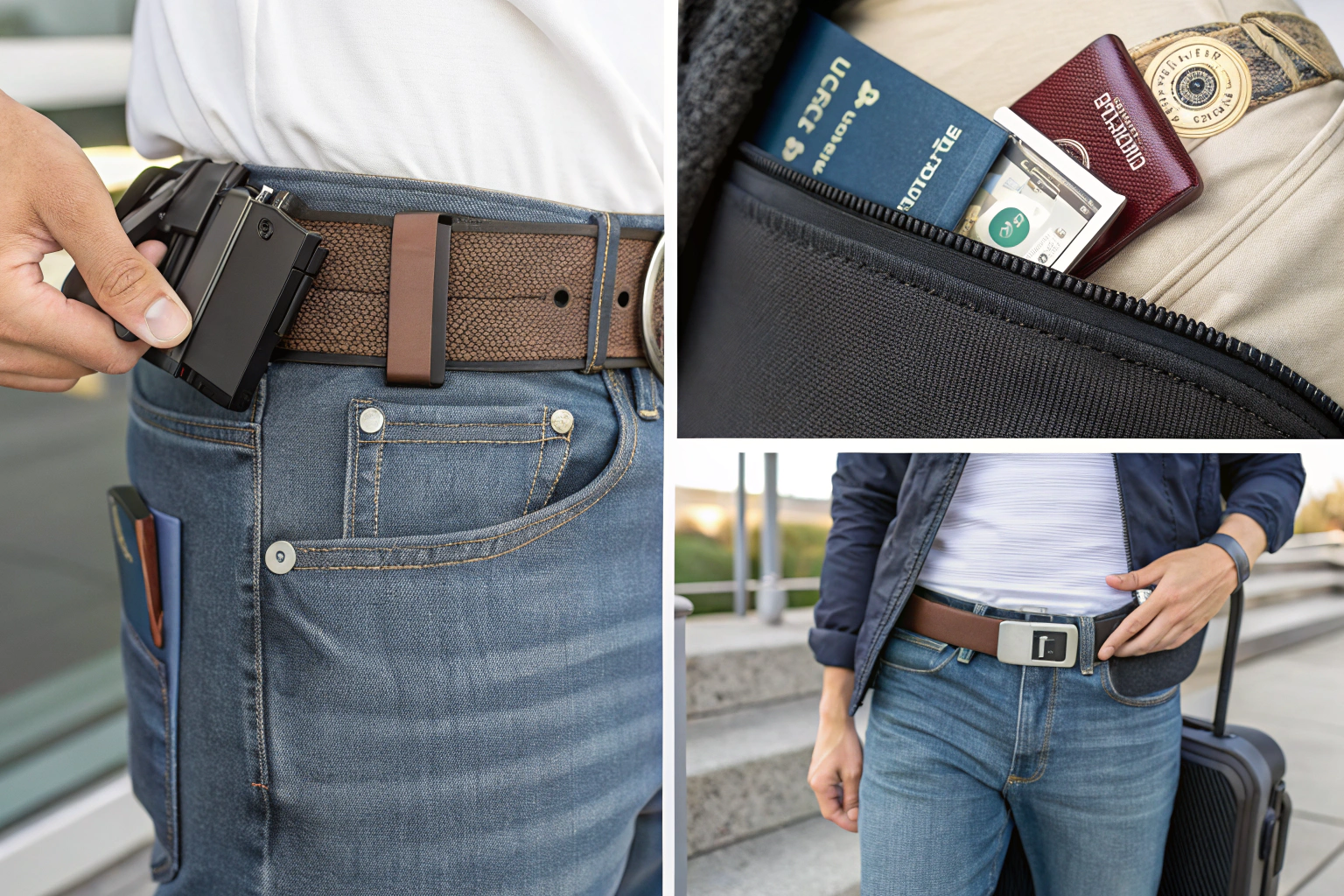
The growing demand for secure travel accessories has created a specialized market for belts with hidden security compartments. These innovative products address real consumer concerns about theft, pickpocketing, and the need to discreetly carry essential items during travel and daily activities. However, sourcing these technically complex accessories requires specialized knowledge and careful supplier evaluation.
Sourcing belts with hidden security compartments requires identifying manufacturers with expertise in concealed compartment engineering, RFID-blocking technology integration, and discreet access mechanisms. Successful sourcing involves evaluating technical capabilities, material quality, security feature effectiveness, and production capacity for these specialized accessories.
The market for security belts has evolved significantly, with advanced models now incorporating multiple protection layers and sophisticated concealment methods. Understanding the technical specifications and manufacturing requirements ensures you partner with suppliers capable of delivering genuinely secure and reliable products.
What Security Features Define Quality Hidden Compartment Belts?
The effectiveness of security belts depends on the integration of multiple protective features that work together to prevent theft and unauthorized access. Understanding these core security elements is essential for evaluating potential suppliers and their product capabilities.
Quality security belts incorporate both physical concealment and technological protection features that address different types of security threats. The most effective designs balance security with practicality, ensuring the belts remain functional for everyday wear while providing reliable protection.

How do concealed compartment designs vary in effectiveness?
Hidden compartments employ different concealment strategies with varying security levels:
- Magnetic closure systems provide quick access but may be less secure against determined inspection
- Zippered compartments hidden behind belt flaps or within multiple layers offer better security
- Slide-and-lock mechanisms require specific movements to access, providing intermediate security
- Multi-step opening processes that combine different actions offer the highest security level
The most effective designs make compartments virtually undetectable during normal wear while allowing reasonable access for the wearer. Compartments should be positioned where they're naturally protected by body position and clothing, typically at the back or sides rather than the front where they're more visible and accessible to others.
What RFID protection standards should suppliers meet?
RFID-blocking capabilities have become essential for security belts, protecting against digital theft of credit cards and passports:
- Faraday cage principle implementation using fine metal mesh or conductive fabrics
- Signal testing verification showing complete blocking at 13.56 MHz frequency used by most chips
- Full compartment lining without gaps that could allow signal penetration
- Durability testing demonstrating maintained effectiveness after bending and wear
Reputable manufacturers should provide independent test reports verifying their RFID protection meets international standards. The blocking material should encompass the entire compartment rather than just partial coverage, ensuring complete protection regardless of how items are positioned inside.
How to Evaluate Manufacturer Technical Capabilities?
Sourcing security belts requires assessing manufacturers' technical expertise in multiple specialized areas beyond conventional belt production. The complexity of these products demands specific engineering capabilities and quality control processes.
Manufacturers producing genuine security belts typically invest in specialized equipment and trained personnel dedicated to security feature implementation. These capabilities separate serious security product manufacturers from conventional belt makers attempting to enter the market.
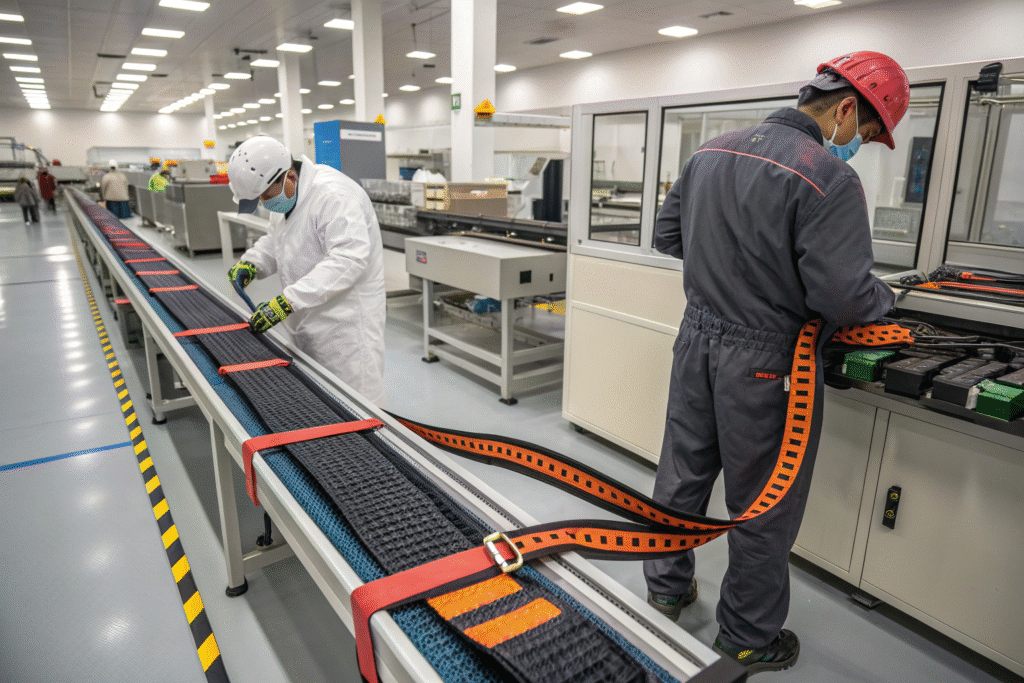
What specialized equipment indicates serious security belt manufacturing?
Several types of specialized equipment demonstrate serious security belt production capabilities:
- RF welding machines for creating seamless RFID-blocking pockets
- Precision laser cutting systems for accurate compartment openings
- Conductive thread sewing machines for integrating RFID protection without gaps
- Magnetic testing equipment for verifying closure mechanism security
- Signal blocking verification tools to test RFID effectiveness
Manufacturers investing in this specialized equipment typically demonstrate greater commitment to quality and are more likely to produce reliably secure products. The presence of dedicated testing laboratories for security features is particularly indicative of serious manufacturing capability.
How does quality control differ for security belts?
Enhanced quality control processes are essential for security products:
- 100% security feature testing rather than sample-based checking
- Multiple inspection stages throughout the production process
- Functionality testing of access mechanisms under various conditions
- Durability simulation testing compartment security after repeated use
- Material verification ensuring specified security materials are used
Manufacturers should provide detailed quality control documentation specific to their security features, demonstrating systematic testing rather than occasional spot checking. The most reliable suppliers typically have ISO 9001 certification with specific security product protocols.
What Material Considerations Impact Security and Durability?
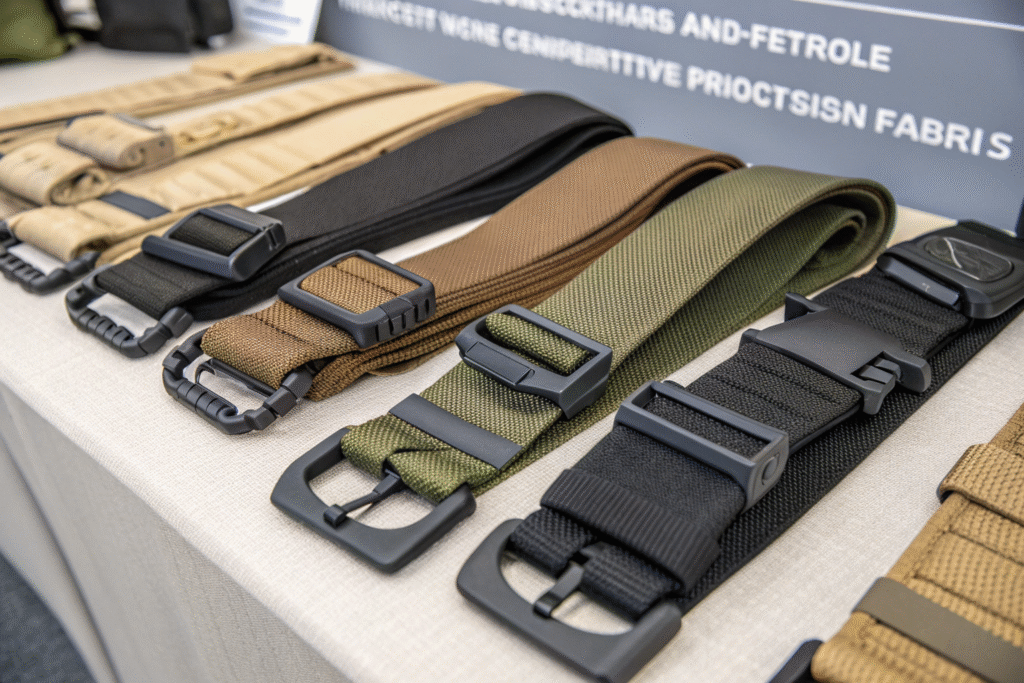
The materials used in security belts significantly impact both their protective capabilities and practical durability. Understanding material specifications helps evaluate whether products will maintain their security features through extended use.
Security belt materials must balance concealment effectiveness with comfort, flexibility, and long-term wear resistance. The best materials maintain security functionality while feeling comfortable during all-day wear and resisting normal wear patterns.
Which materials provide optimal RFID protection?
Effective RFID blocking requires specific material properties:
- Metalized fabrics with consistent conductive coating maintain reliable signal blocking
- Stainless steel mesh integrated between material layers offers permanent protection
- Carbon-based composites provide lightweight blocking with good flexibility
- Silver-coated nylon balances effectiveness with comfort and drape
The chosen material should demonstrate consistent signal attenuation across the entire protected area without weak spots. Materials should be tested after simulated wear to ensure they maintain protection through the product's expected lifespan, not just when new.
How do material choices affect concealment effectiveness?
Material selection impacts how well compartments remain hidden:
- Structured materials help compartments maintain their shape without revealing contents
- Appropriate thickness provides space for items without creating visible bulges
- Matte finishes reduce light reflection that might draw attention to seams
- Pattern integration can help camouflage compartment openings
- Flexibility balance allows comfortable wear while preventing outline visibility
The most effective designs use materials that appear identical to conventional high-quality belts while incorporating the necessary structural elements for security compartments. The material hand feel and appearance should not signal that the belt is anything other than a regular fashion accessory.
How to Verify Security Claims During Supplier Evaluation?
Verifying manufacturer claims about security features requires specific evaluation strategies beyond conventional product assessment. Given the critical nature of these products, thorough verification is essential before committing to a supplier.
A comprehensive verification process combines document review, physical product testing, and manufacturing capability assessment to ensure security claims are accurate and reliably delivered in production units.
What documentation should reliable suppliers provide?
Reputable security belt manufacturers typically provide:
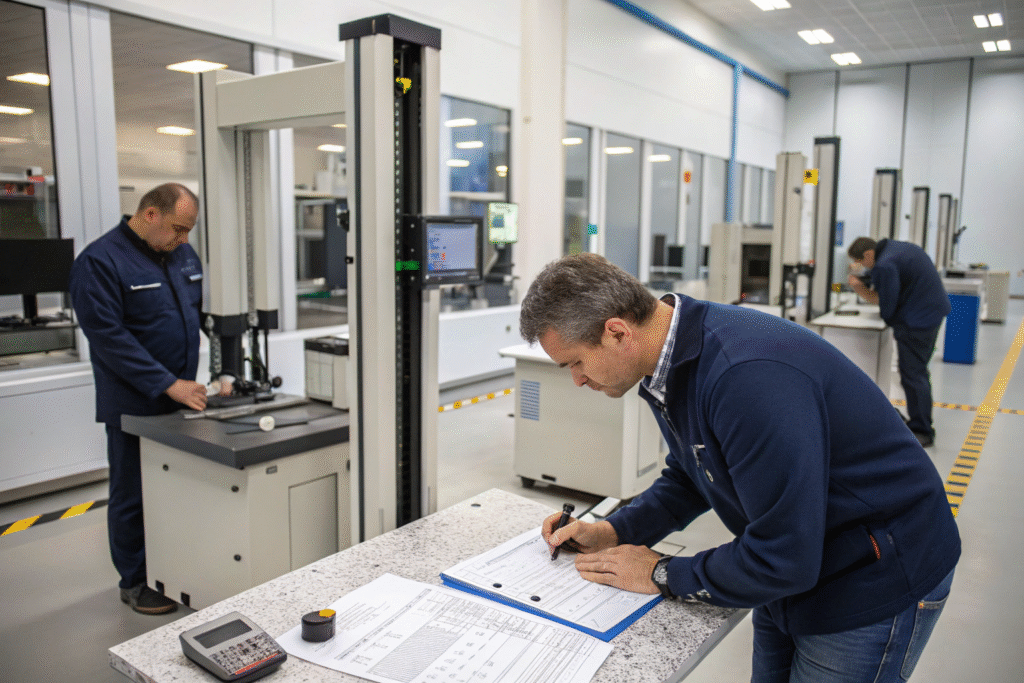
- Third-party test reports from accredited security testing laboratories
- Material specifications with traceability to their sources
- Production process documentation showing security feature implementation
- Quality control records demonstrating consistent security performance
- Component certifications for specialized security materials
These documents should be specific, recent, and from recognized testing organizations. Suppliers should readily provide this documentation rather than treating it as proprietary information, as transparency is crucial for security products where performance cannot be easily verified through casual inspection.
What practical tests verify security effectiveness?
Hands-on testing provides the most reliable verification:
- RFID testing using your own cards and reader to verify signal blocking
- Access mechanism testing operating closures hundreds of times to check durability
- Visual inspection under different lighting conditions to detect visible clues
- Wear simulation checking if compartments become more visible with use
- Content security testing ensuring items don't accidentally fall out during movement
These practical tests should be conducted on production samples rather than specially prepared prototypes. Testing should simulate real-world conditions rather than ideal laboratory environments to provide meaningful performance assessment.
Conclusion
Sourcing belts with hidden security compartments requires careful evaluation of manufacturer capabilities, material quality, security feature effectiveness, and verification processes. The most successful sourcing partnerships involve suppliers with specialized security product experience, robust quality control systems, and transparent documentation of their security claims. By thoroughly assessing these factors, brands can confidently source security belts that provide genuine protection while maintaining the appearance and comfort of conventional fashion accessories.
If your brand is looking to source belts with hidden security compartments, our factory specializes in security product manufacturing with comprehensive testing and verification processes. Contact our Business Director, Elaine, at elaine@fumaoclothing.com to discuss how we can help develop security belts that meet your specific requirements and quality standards.