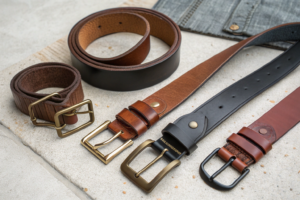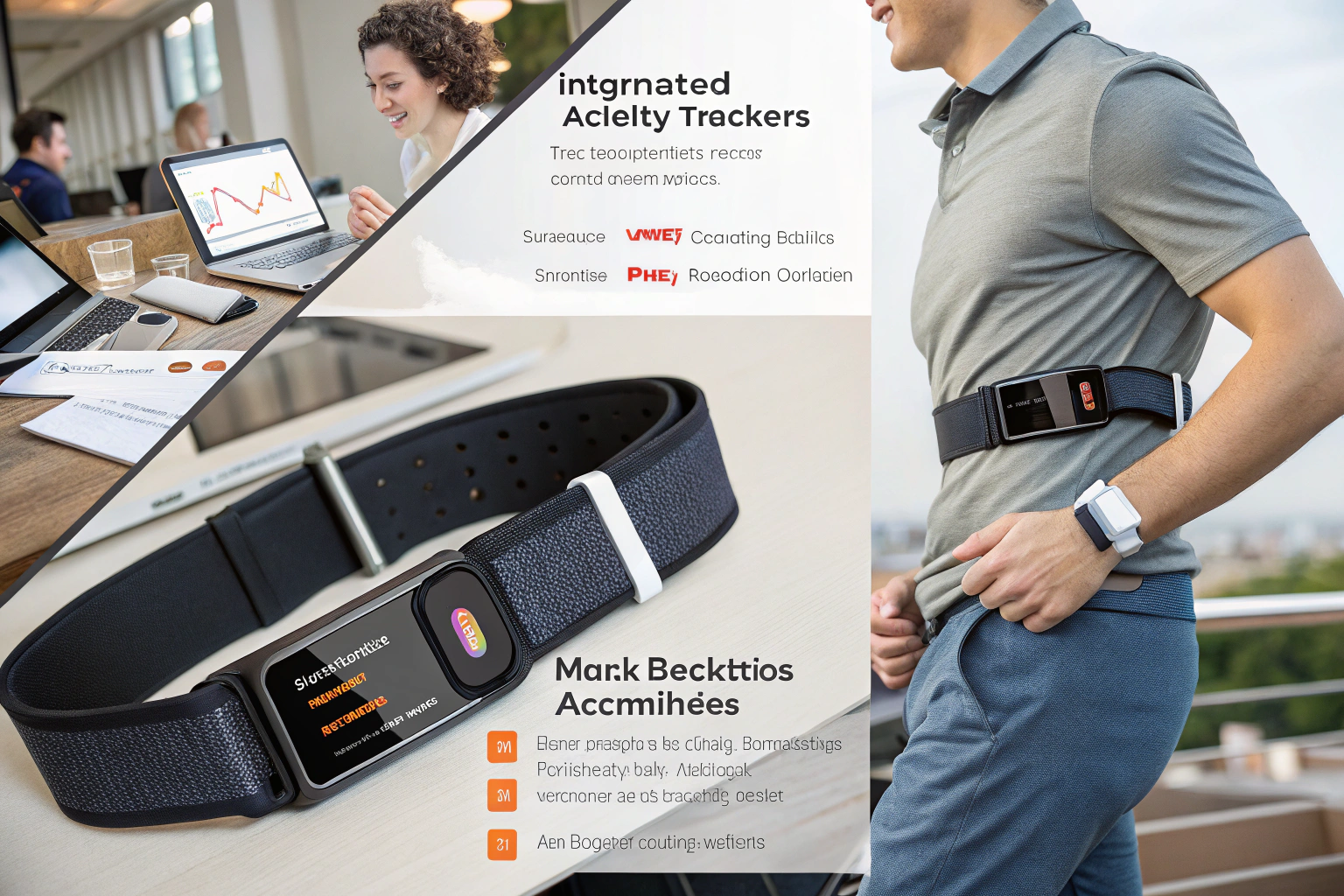
The wearable technology market has expanded beyond wrist-worn devices to encompass smart accessories that combine fashion with functionality. Belts with integrated activity trackers represent a growing category that appeals to health-conscious consumers seeking seamless health monitoring without additional devices. However, sourcing these technologically complex products requires specialized knowledge and careful supplier evaluation.
Sourcing belts with integrated activity trackers requires identifying manufacturers with expertise in both traditional belt craftsmanship and electronic component integration, verifying their technical capabilities, ensuring regulatory compliance, and establishing quality control processes that address both fashion and technology requirements.
The convergence of fashion and technology in belt manufacturing creates unique sourcing challenges that differ from both conventional belt procurement and standard electronics sourcing. Success requires partners who understand both domains and can integrate them seamlessly.
What Technical Capabilities Should Manufacturers Possess?
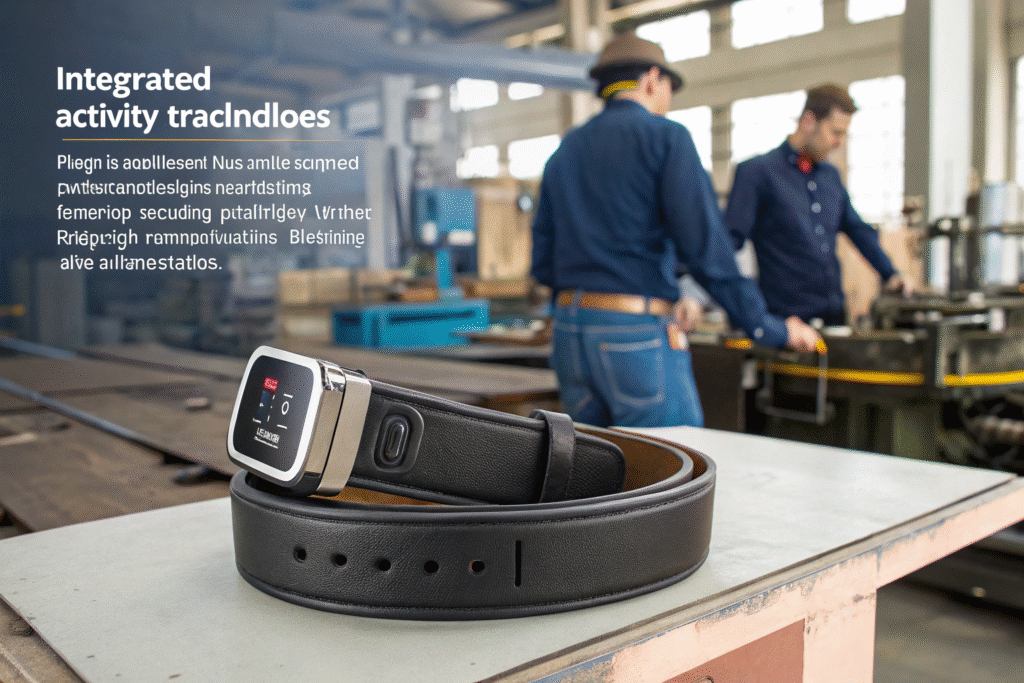
Sourcing belts with integrated activity trackers requires identifying manufacturers with specific technical capabilities that span both traditional accessory production and electronics manufacturing. These dual competencies ensure the final product meets standards for both fashion quality and technological reliability.
The most suitable manufacturers typically have experience in either smart accessories or have established partnerships between belt specialists and electronics providers. Understanding these capability requirements helps importers identify genuinely qualified suppliers.
Which electronics integration expertise is essential?
Manufacturers should demonstrate competency in several key technical areas:
- PCB design and miniaturization for creating slim tracking modules that don't bulk the belt
- Sensor integration including accelerometers, gyroscopes, and potentially heart rate monitors
- Power management systems ensuring extended battery life between charges
- Data connectivity via Bluetooth Low Energy (BLE) for smartphone synchronization
- Water resistance implementation achieving at least IP67 ratings for sweat and weather resistance
According to wearable technology standards, manufacturers should provide evidence of their electronics certifications, particularly for devices that collect health metrics. The most capable suppliers typically have ISO 13485 certification for medical devices if making health claims.
What traditional manufacturing capabilities remain crucial?
Despite the technological components, traditional belt-making expertise remains essential:
- Material selection knowledge understanding how different leathers and fabrics interact with electronics
- Pattern making precision ensuring tracker modules integrate seamlessly without comfort compromise
- Durability testing experience for products that must withstand daily wear and movement
- Quality leather working maintaining premium aesthetics despite technical components
- Ergonomic design ensuring the belt remains comfortable during various activities and positions
These traditional skills ensure the product functions as both a reliable activity tracker and a quality fashion accessory. Manufacturers who prioritize both aspects typically achieve higher customer satisfaction and lower return rates.
How to Verify Technology Performance Claims?
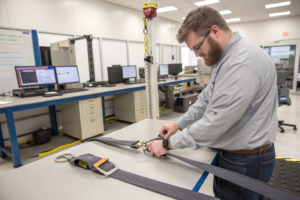
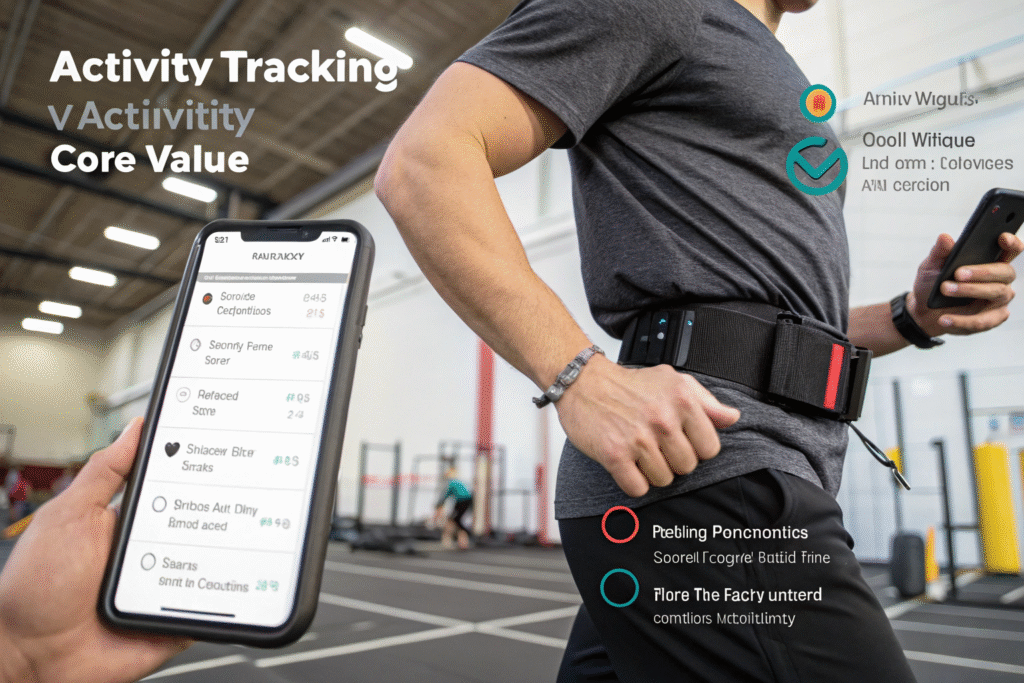
The activity tracking functionality represents the core value proposition of smart belts, making verification of performance claims a critical aspect of the sourcing process. Importers need systematic approaches to validate manufacturers' assertions about accuracy, reliability, and battery life.
Performance verification should combine technical specification review, hands-on testing, and third-party validation where possible. This comprehensive approach prevents disappointing performance that could damage brand reputation.
What accuracy standards should activity trackers meet?
Credible activity trackers should meet specific performance benchmarks:
- Step counting accuracy within 5-10% of actual steps based on controlled testing
- Calorie estimation using validated algorithms rather than simplistic calculations
- Activity recognition capable of distinguishing between walking, running, and sedentary periods
- Sleep tracking precision providing meaningful sleep stage analysis
- Heart rate monitoring (if included) with clinical validation for accuracy
According to research in the Journal of Medical Internet Research, reputable wearable devices should demonstrate correlation coefficients of 0.8 or higher with research-grade activity monitors for basic metrics like step counting. Manufacturers should provide detailed testing methodology and results.
How can battery performance be properly evaluated?
Battery claims require careful verification:
- Real-world usage testing rather than ideal laboratory conditions
- Mixed activity profiles reflecting how consumers actually use the devices
- Standby time assessment measuring power drain during non-active periods
- Charging cycle testing ensuring battery longevity over repeated charges
- Temperature impact evaluation verifying performance across different environmental conditions
These assessments should align with IEEE battery life testing standards for mobile computing devices. The most reliable manufacturers provide third-party test reports from recognized laboratories rather than only internal testing data.
What Regulatory Compliance Must Smart Belts Meet?
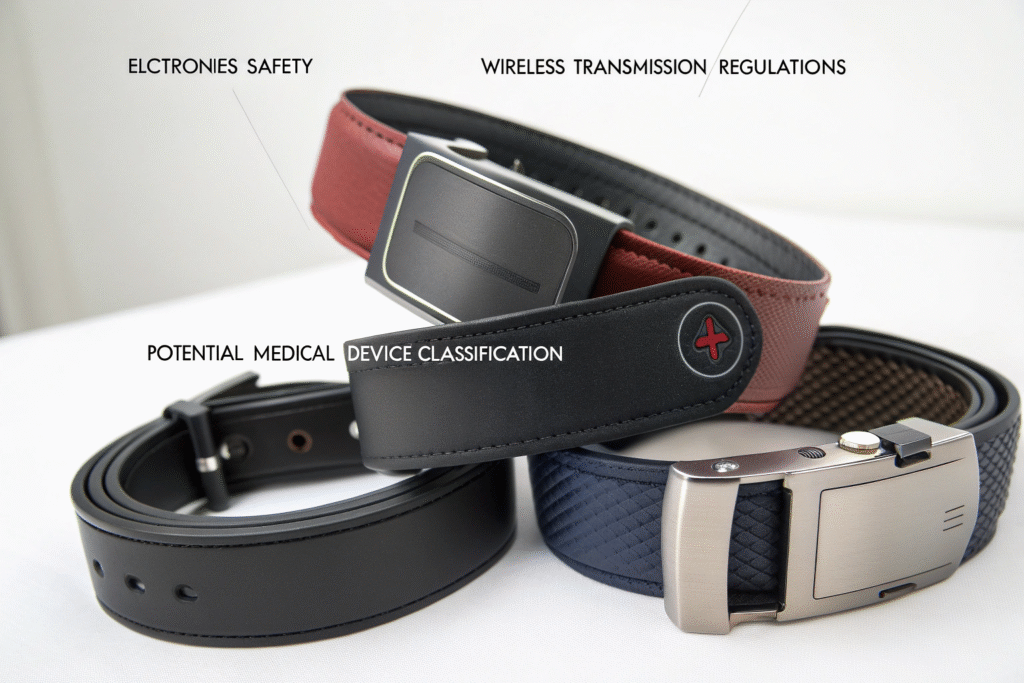
Smart belts with activity tracking capabilities typically fall under multiple regulatory frameworks that address both the fashion accessory aspects and the electronic device components. Understanding these requirements is essential for successful market entry and liability management.
Compliance requirements vary by target market but generally include electronics safety, wireless transmission regulations, and potentially medical device classification depending on the specific health claims made.
Which electronics regulations apply to smart belts?
Several key regulatory frameworks typically apply:
- FCC certification in the United States for devices emitting radio frequencies
- CE marking in Europe indicating compliance with health, safety, and environmental standards
- RoHS compliance restricting hazardous substances in electronic products
- Bluetooth SIG qualification for devices using Bluetooth technology
- WEEE compliance for proper electronic waste disposal protocols
According to regulatory analysis of wearable devices, products with Bluetooth functionality typically require FCC Part 15B compliance for unintentional radiators and FCC Part 15C for intentional radiators. Manufacturers should provide copies of these certifications for the specific models being sourced.
What data privacy considerations must be addressed?
Smart belts collecting personal data trigger privacy obligations:
- Data encryption protecting stored and transmitted activity information
- Privacy policy compliance with regulations like GDPR for European customers
- User consent mechanisms ensuring proper permission for data collection and use
- Data minimization collecting only necessary information for stated purposes
- Security vulnerability management with processes for addressing discovered weaknesses
These considerations are particularly important given the sensitivity of health data collected by activity trackers. Manufacturers should demonstrate robust data protection practices and transparent privacy policies.
How to Assess Manufacturing Quality and Reliability?
The quality assessment process for smart belts must address both conventional belt quality metrics and electronics reliability factors. This dual approach ensures the finished product delivers on both fashion and technology promises throughout its expected lifespan.
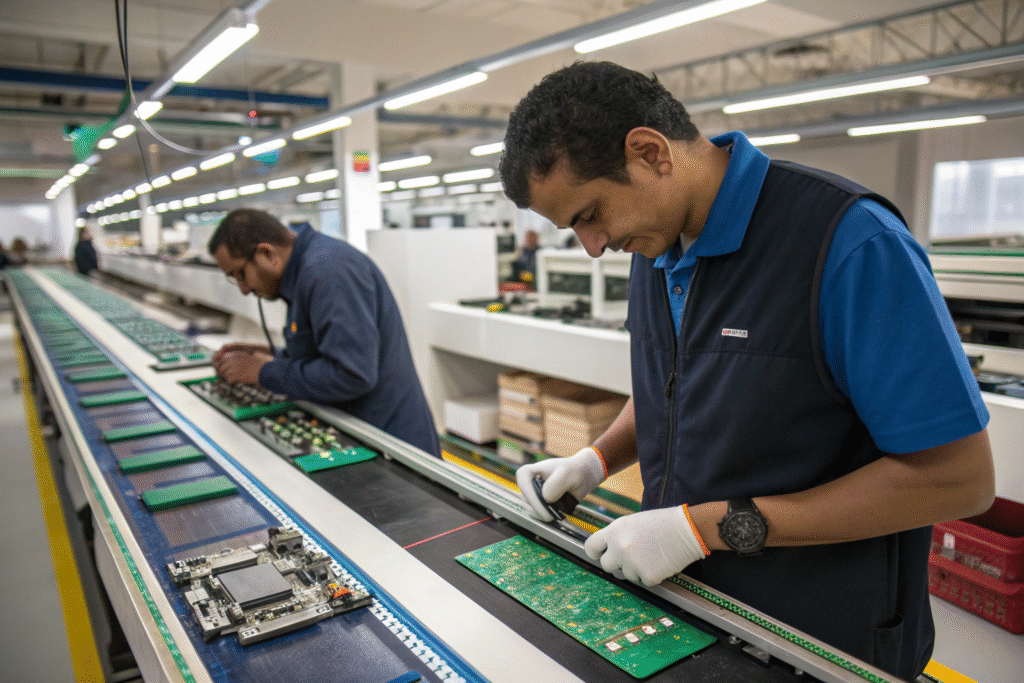
Quality verification should occur at multiple stages from component sourcing through final assembly, with particular attention to the interfaces between traditional materials and electronic components.
What quality controls ensure electronic reliability?
Electronics manufacturing requires specific quality processes:
- Component sourcing verification ensuring genuine, quality-controlled electronic parts
- PCB assembly standards following IPC-A-610 for acceptable electronic assemblies
- Water resistance testing using controlled chambers to verify IP ratings
- Drop and impact testing simulating real-world use conditions
- Battery safety certification from recognized standards like UL 2054
Manufacturers should provide evidence of their electronics quality management systems, typically including statistical process control for key assembly stages and comprehensive testing of finished electronic modules before integration with belt components.
How should traditional belt quality be maintained?
Despite technological elements, belt quality remains crucial:
- Material consistency ensuring leather or fabric quality meets brand standards
- Stitching integrity with reinforced stress points around electronic housings
- Buckle function maintaining reliable operation despite integrated technology
- Finish quality ensuring electronic elements don't compromise aesthetic appeal
- Comfort testing verifying the belt remains comfortable during extended wear
The most successful manufacturers maintain separate quality teams for electronics and traditional components while having integrated testing for the final assembled product. This approach typically results in higher overall quality and fewer field failures.
Conclusion
Sourcing belts with integrated activity trackers requires a meticulous approach that evaluates manufacturers' capabilities in both traditional belt craftsmanship and electronics integration. Success depends on verifying technical performance, ensuring regulatory compliance, and implementing comprehensive quality control that addresses both the fashion and technology aspects of these hybrid products. By thoroughly assessing potential partners against these criteria, brands can source smart belts that deliver reliable performance while maintaining the aesthetic quality consumers expect from fashion accessories.
If your brand is looking to source belts with integrated activity trackers, our factory has developed specialized expertise in smart accessory manufacturing with comprehensive quality control and regulatory compliance. Contact our Business Director, Elaine, at elaine@fumaoclothing.com to discuss how we can help develop smart belt solutions that meet your technical and quality requirements.