Travelers, festival-goers, and security-conscious professionals increasingly seek discreet ways to carry valuables. Traditional wallets remain vulnerable to theft or loss, while standalone money belts often feel bulky and uncomfortable. The market demands solutions that integrate security with everyday wearability.
Sourcing belts with integrated money pockets requires identifying specialized manufacturers, understanding construction methods, verifying security features, and ensuring comfort in daily use. The most reliable suppliers combine technical fabric expertise with precision sewing capabilities to create products that balance discreet storage with belt functionality. Successful sourcing involves evaluating manufacturers based on their experience with security products, material selection, and attention to detail in hidden compartment construction.
The global anti-theft bag market is projected to reach $4.2 billion by 2028, with integrated clothing solutions representing the fastest-growing segment. Understanding this specialized product category helps buyers navigate the sourcing process while ensuring product quality and functionality meet customer expectations.
What Manufacturing Specializations Indicate Quality?
Not all belt manufacturers possess the expertise required for integrated money pocket production. This specialized category demands experience with technical sewing, hidden compartment construction, and security-focused design. Identifying suppliers with relevant experience ensures better product outcomes and fewer quality issues.
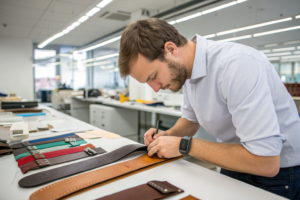
Manufacturers with backgrounds in travel accessories, security products, or tactical gear typically understand the specific requirements for hidden storage. Their experience with RFID-blocking materials, discreet access mechanisms, and durable construction translates well to money belt production. The most capable suppliers can demonstrate previous work in similar product categories and understand the balance between security and accessibility.
What Production Capabilities Support Money Pocket Integration?
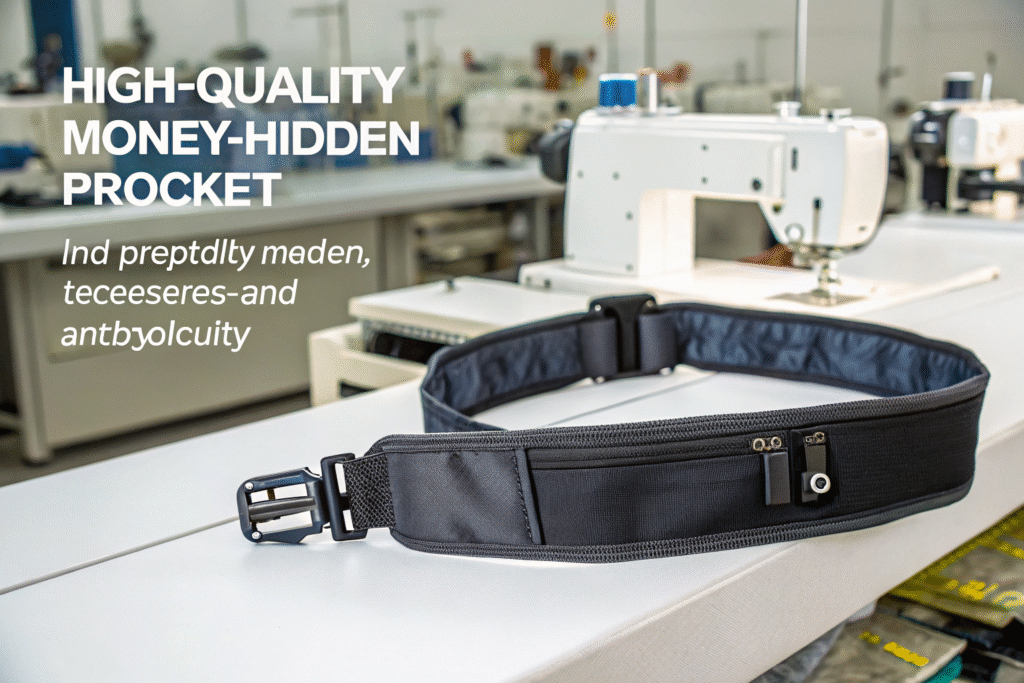
Advanced sewing equipment capable of handling multiple fabric layers is essential for clean money pocket construction. Programmable sewing machines maintain consistent stitch quality through varying material thicknesses, while specialized binding techniques create durable edges on hidden compartments. Manufacturers should demonstrate expertise with technical materials like ballistic nylon, RFID-blocking fabrics, and moisture-wicking linings.
The integration method significantly impacts both security and comfort. Sewn-in pockets provide maximum security but limit cleaning options. Removable pocket systems offer flexibility but may compromise discreet appearance. The American Apparel and Footwear Association provides standards for sewn products that quality manufacturers should reference, particularly regarding stitch density and seam strength for security applications.
How Does Factory Certification Relate to Product Quality?
Manufacturers with ISO 9001 certification demonstrate systematic quality management approaches that translate to consistent product outcomes. Facilities specializing in travel goods or security products often hold additional certifications specific to their niches. These credentials indicate investment in processes that ensure reliability in finished products.
Suppliers serving regulated industries like law enforcement or military contracts typically maintain higher quality standards due to stringent customer requirements. While their minimum order quantities may be higher, the product quality and durability often justify the investment for brands targeting security-conscious consumers. These manufacturers understand the importance of reliability in products designed to protect valuables.
What Design Features Ensure Security and Functionality?
Successful money belt designs balance multiple competing requirements: they must be accessible to the wearer yet undetectable to others, comfortable for all-day wear yet secure against accidental opening, and discreet in appearance yet functional for their intended purpose. Understanding these design trade-offs helps evaluate supplier capabilities.
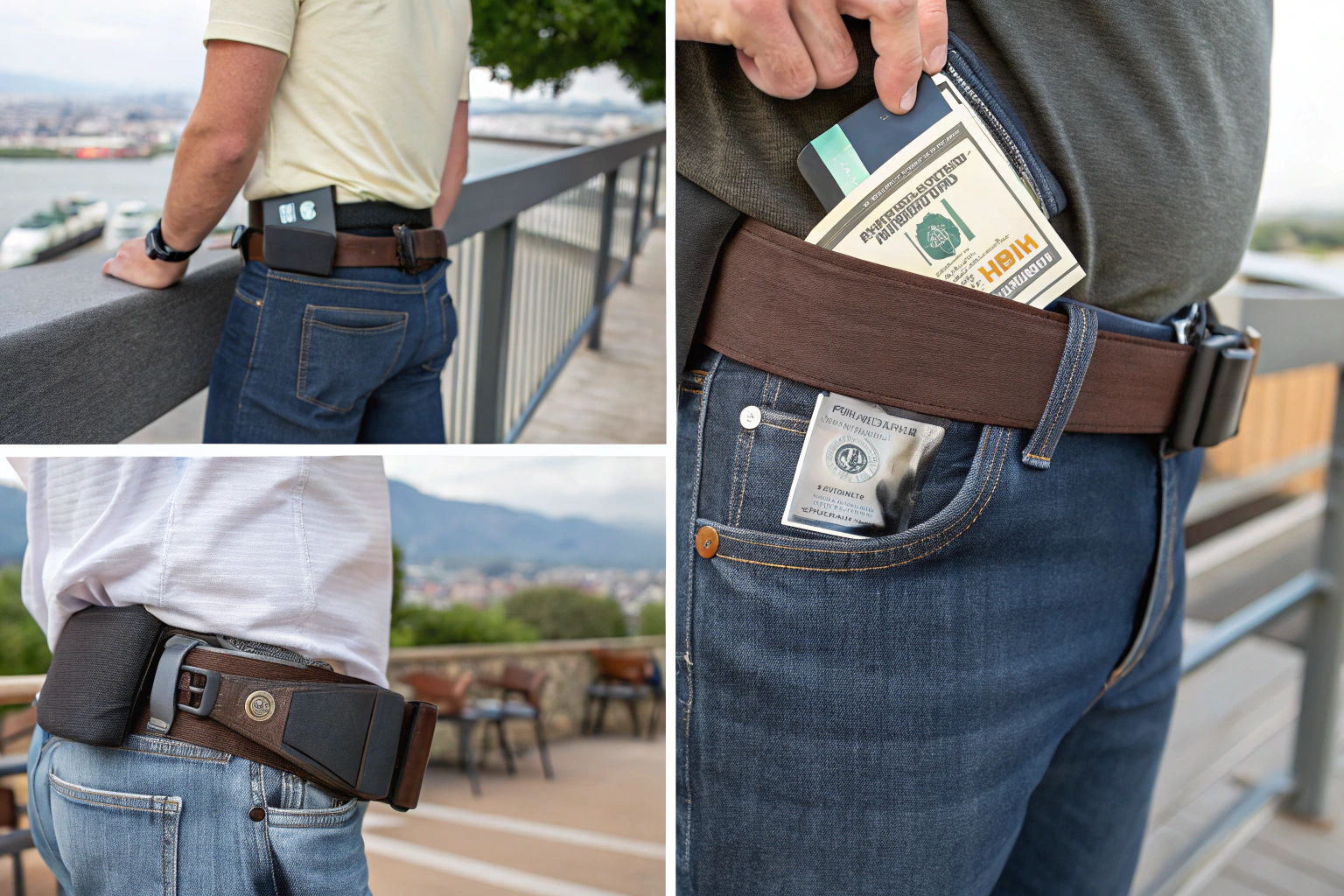
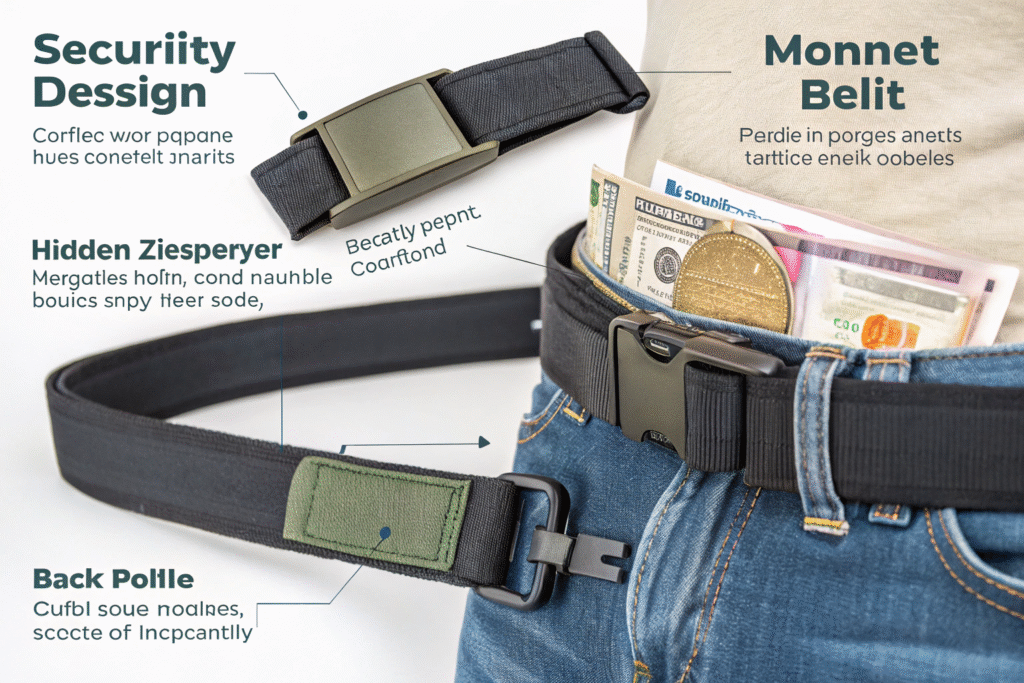
The most effective designs incorporate multiple security layers while maintaining ease of use. These include hidden zippers with discreet pulls, magnetic closures with secondary security features, and strategic placement that keeps contents secure during normal movement. The positioning of access points—whether at the front, side, or back of the belt—significantly impacts both security and convenience.
How Do Closure Systems Impact Security and Accessibility?
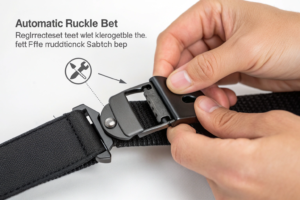
Zipper systems with small, discreet pulls offer good security but can be challenging to operate quickly. Magnetic closures provide faster access but may be less secure. The most effective designs often combine multiple closure types—for example, a magnetic flap over a zippered compartment—providing both quick access and secure storage.
The orientation and placement of closures significantly impact functionality. Top-access compartments are easiest to use but may be more visible. Side-access designs offer better concealment but require more deliberate access. Manufacturers with human factors engineering experience typically design more user-friendly products that balance these considerations effectively.
What Material Combinations Optimize Durability and Discretion?
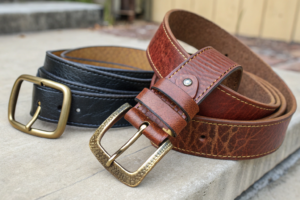
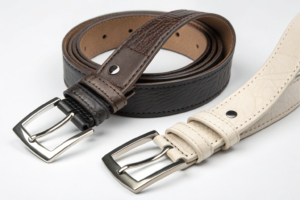
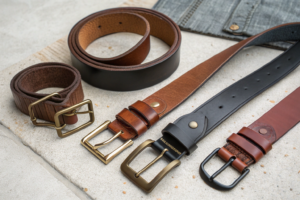
The exterior materials must match standard belt aesthetics while accommodating hidden technical features. Leather overlays can conceal technical fabric compartments, creating products that appear to be conventional fashion belts. Synthetic materials like ballistic nylon provide superior durability for hidden compartments while maintaining minimal thickness.
RFID-blocking materials have become increasingly important for modern money belts. These typically incorporate metalized fabrics or meshes that prevent electronic skimming of credit cards and passports. Quality manufacturers understand how to integrate these materials without compromising comfort or creating detectable rigid areas that reveal the belt's security purpose.
How to Verify Security and Durability Claims?
Supplier claims about security features and product durability require verification through testing and inspection. Given the critical nature of these products—protecting valuables in potentially high-risk situations—empirical validation is essential before committing to large production runs.
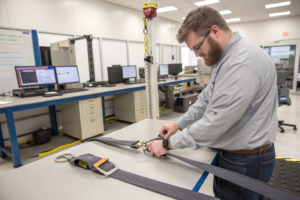
Security testing should evaluate both passive protection (resistance to casual theft) and active security features (effectiveness of locking mechanisms). Durability testing must assess how products withstand daily wear while maintaining both their appearance and protective functions. Reputable suppliers conduct these tests routinely and can provide documented results.
What Testing Protocols Validate Security Features?
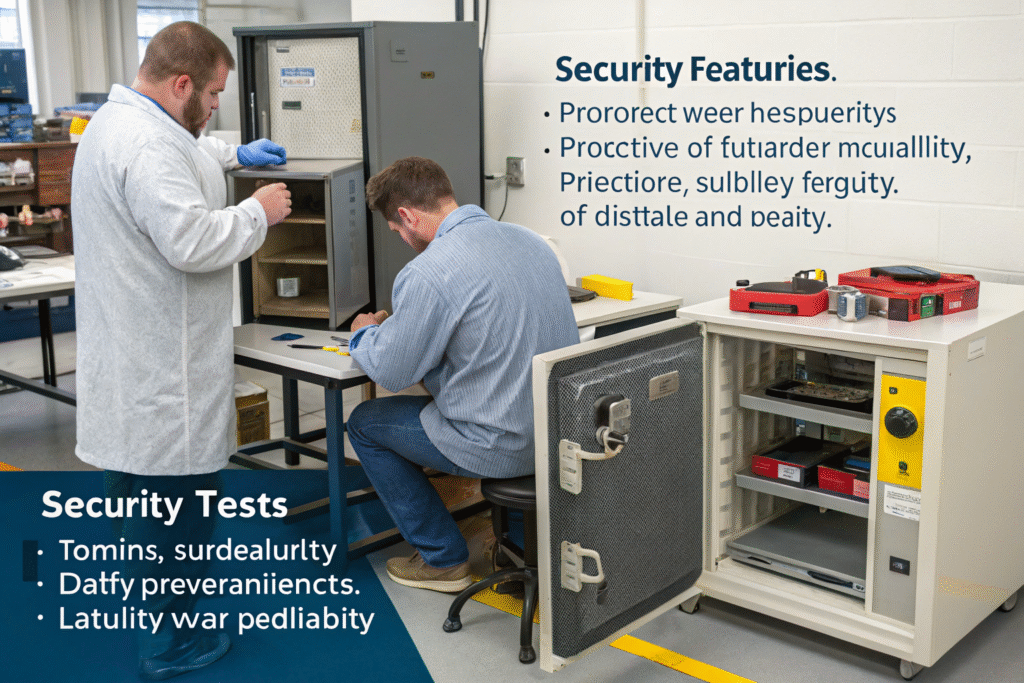
Standardized testing should include pick resistance evaluation for zippers, magnetic closure strength measurement, and seam strength testing for pocket attachments. For RFID-blocking claims, verification requires testing with ISO/IEC 14443 compliant readers to confirm signal blocking effectiveness across the entire protected area.
Accelerated wear testing simulates years of use in weeks, revealing potential failure points before products reach consumers. This should include flex testing for materials and repeated opening/closing cycles for closure systems. Manufacturers serving security-conscious markets typically have established testing protocols that exceed standard apparel testing requirements.
How Can Material Specifications Be Verified?
Request material certification from suppliers, particularly for technical components like RFID-blocking fabrics or water-resistant membranes. Conduct independent verification through third-party testing laboratories for critical claims. Simple in-office tests—like attempting to scan RFID-protected items through the material—can provide preliminary validation.
The Consumer Product Safety Commission guidelines provide frameworks for evaluating product safety claims. While money belts aren't typically regulated as safety equipment, these standards offer useful methodologies for verifying manufacturer assertions about material performance and construction quality.
What Sourcing Channels Offer the Best Options?
The specialized nature of money belt production means traditional sourcing channels may not identify the most capable suppliers. A targeted approach focusing on manufacturers with specific relevant experience yields better results than general leather goods or accessory sourcing.
Trade shows focused on travel goods, outdoor products, and security equipment often reveal specialized manufacturers not found through general apparel channels. Online B2B platforms can be effective when using precise search terms related to the specific construction features rather than general belt categories.
Which Trade Shows Reveal Specialized Manufacturers?
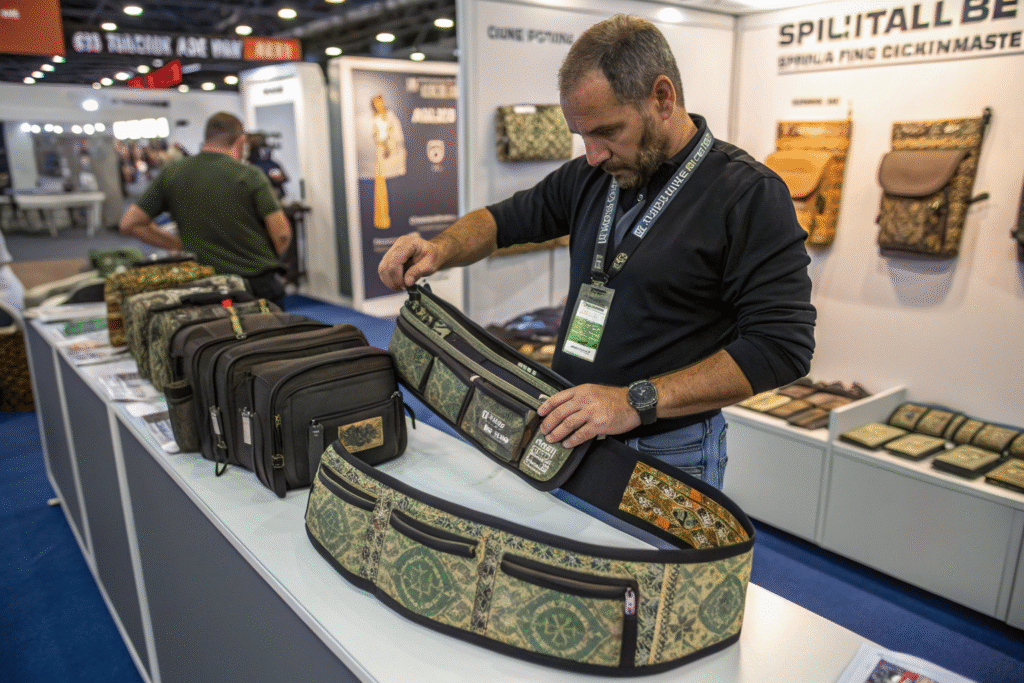
The Outdoor Retailer Show features manufacturers specializing in travel security products, including innovative belt designs. The Travel Goods Show focuses specifically on luggage and travel accessories, including wearable security products. Security industry expos often feature manufacturers producing concealed carry and valuables protection products that translate well to consumer money belts.
These specialized events allow for hands-on product evaluation and direct conversation with manufacturers about customization options. The suppliers exhibiting at these shows typically understand the technical requirements for security products and can discuss material specifications and construction methods knowledgeably.
How Can Online Sourcing Be Optimized for This Niche?
Precise search terminology is crucial for online sourcing success. Instead of searching for "belts," use terms like "security belts," "RFID belts," "travel security accessories," or "hidden pocket belts." On platforms like Alibaba, filter for suppliers who indicate "security & protection" or "travel accessories" as their primary categories rather than general fashion accessories.
Review supplier credentials carefully, focusing on production certifications and client portfolios. Manufacturers serving government or corporate security clients typically have higher quality standards than those focused exclusively on consumer fashion. Their minimum order quantities may be higher, but the product quality often justifies the commitment.
Conclusion
Sourcing belts with integrated money pockets requires a specialized approach focused on manufacturers with specific expertise in security products and technical construction. The most successful sourcing strategies identify suppliers through targeted channels, verify security and durability claims through rigorous testing, and prioritize manufacturers with proven experience in similar product categories.
The growing demand for discreet security solutions makes this product category increasingly important for accessories brands. By understanding the specific manufacturing requirements and quality verification processes, buyers can source products that genuinely meet customer needs for security, comfort, and discreet functionality.
Ready to source high-quality belts with integrated money pockets? Contact our Business Director, Elaine, at elaine@fumaoclothing.com to discuss our specialized manufacturing capabilities for security-focused accessories and how we can develop products that balance discreet protection with everyday wearability.