The modern smartphone has become an essential everyday carry item, creating both convenience and carrying challenges. As people increasingly seek hands-free solutions for their mobile devices, belts with integrated phone holders have emerged as a practical innovation that combines functionality with fashion. This growing product category addresses the needs of active professionals, outdoor enthusiasts, and anyone who values keeping their phone accessible yet secure.
Sourcing belts with integrated phone holders requires identifying manufacturers with technical design capabilities, understanding different holder mechanisms, evaluating material compatibility, and ensuring the integrated design maintains both functionality and aesthetic appeal. Successful sourcing involves finding partners who can balance the technical requirements of phone security with the fashion elements of quality belt design.
The integration of phone holding functionality represents a significant design challenge that goes beyond simply attaching a pouch to a belt. Let's explore the comprehensive approach to sourcing these innovative accessories.
What Types of Phone Holder Integration Methods Exist?
Different integration approaches offer varying benefits and suit different user needs and style preferences.
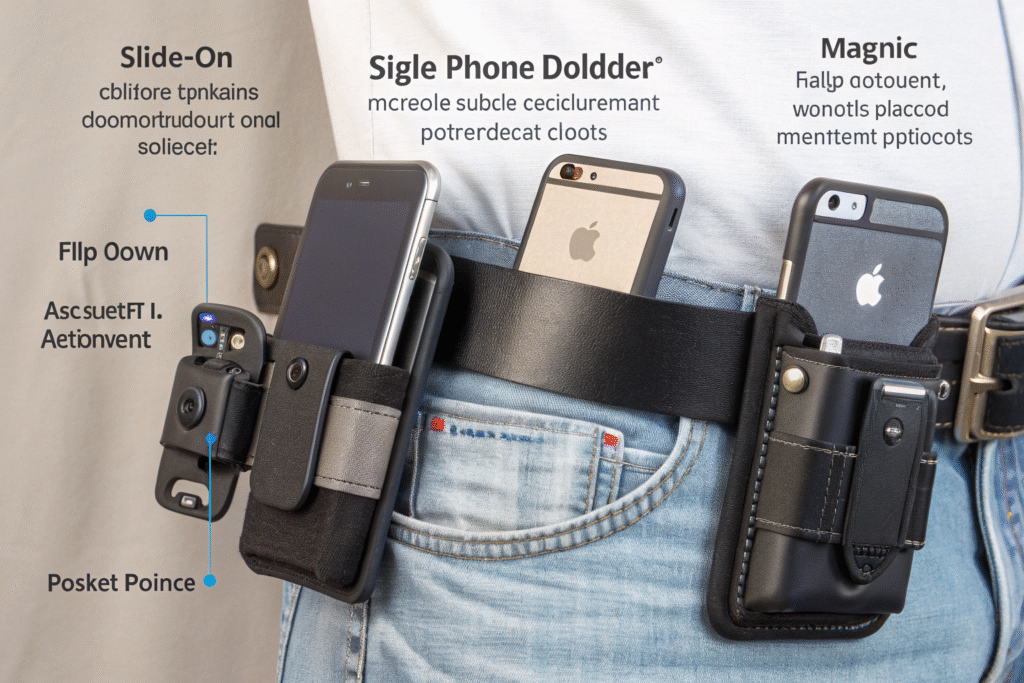
How Do Slide-On Attachment Systems Work?
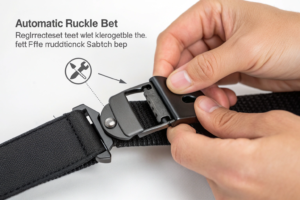
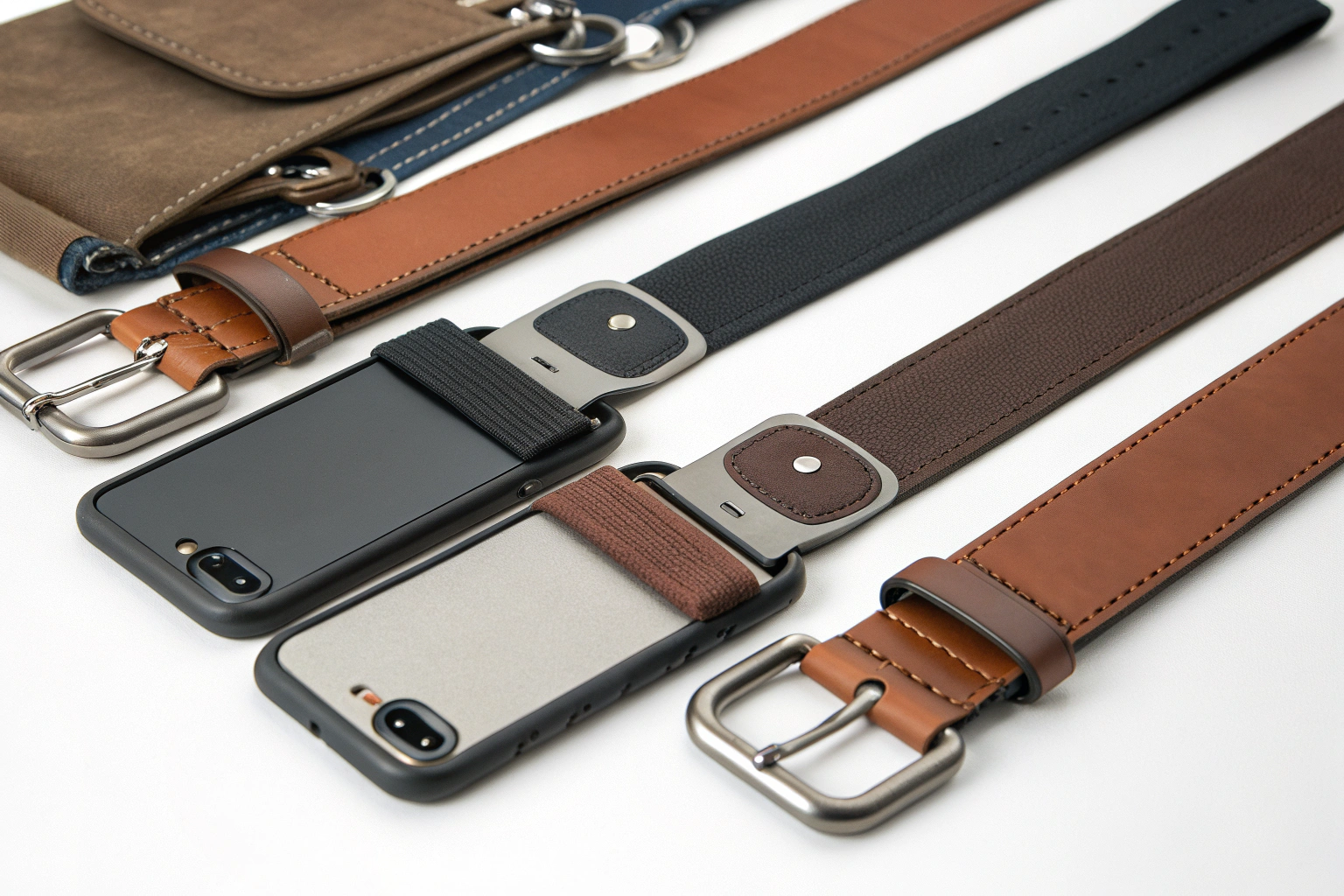
Slide-on systems use precision-engineered rails or tracks built directly into the belt material that allow phone cases to click securely into place. These systems typically require compatible phone cases that feature the corresponding attachment mechanism. The advantage of this approach is the seamless integration and slim profile when no phone is attached, maintaining the belt's clean appearance. Quality slide-on systems should provide audible confirmation of secure attachment while allowing quick release when needed, typically through a button mechanism or specific sliding motion.
What Are the Benefits of Flip-Down Holster Designs?
Flip-down holster designs incorporate a pivoting mechanism that keeps the phone holder hidden against the belt when not in use, then flips down for easy access when needed. This approach offers excellent discretion and protection for the phone while maintaining a traditional belt appearance. The best flip-down systems use durable hinges that withstand repeated use and secure locking mechanisms that prevent accidental deployment. This design is particularly popular among professionals who need occasional phone access but prefer a clean, professional appearance most of the time.
How to Evaluate Manufacturer Capabilities?
Identifying manufacturers with the right technical expertise and production capabilities is crucial for successful product development.
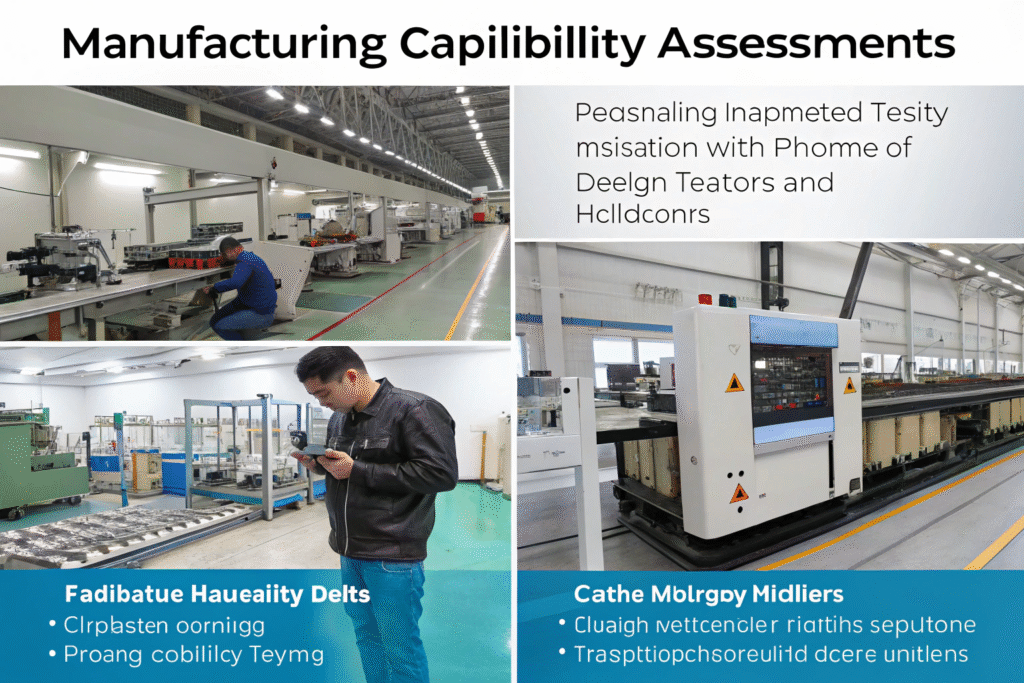
What Technical Expertise Should Manufacturers Possess?
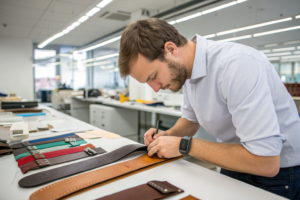
Qualified manufacturers need experience with both traditional belt craftsmanship and technical gear production. Look for facilities with capabilities in precision hardware installation, reinforced stitching for stress points, and material engineering for weight distribution. They should understand how to balance the additional weight of a phone without compromising belt comfort or durability. The best partners will have experience with load-bearing accessory integration and can provide engineering solutions for distributing phone weight comfortably around the waist.
How Can You Verify Quality and Durability?
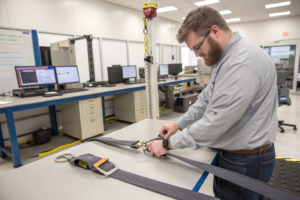
Request manufacturers to provide detailed testing protocols and results specifically for the phone holder components. This should include cycle testing for attachment mechanisms (typically 10,000+ cycles), weight capacity verification, and material strength testing under various environmental conditions. Reputable manufacturers will conduct real-world usage simulations that account for different phone sizes, user movements, and potential impact scenarios. They should also provide clear specifications regarding compatible phone sizes and weight limits.
What Design Considerations Ensure User Satisfaction?
Successful integration requires careful attention to both technical performance and user experience factors.
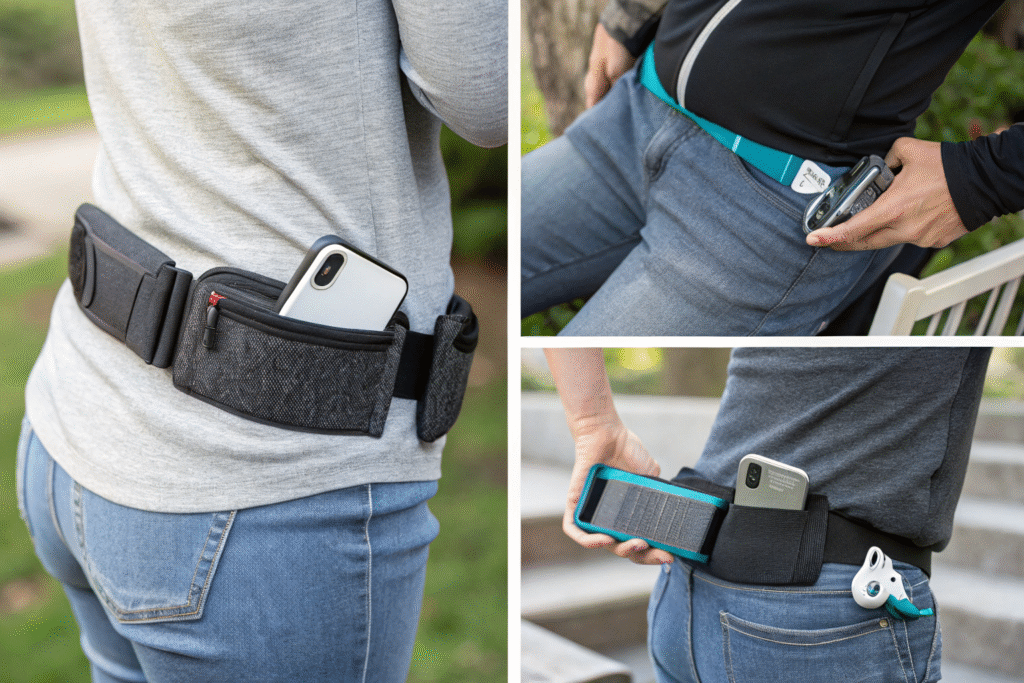
How Does Weight Distribution Affect Comfort?
Proper weight distribution engineering is crucial for preventing discomfort during extended wear. The phone's weight should be distributed across multiple points rather than concentrated in a single area. This typically involves reinforced belt sections and strategic padding that prevent digging or pressure points. The most comfortable designs position the phone slightly off-center to avoid interference when sitting or bending, while maintaining easy access with either hand.
What Accessibility Features Matter Most?
User-friendly designs incorporate one-handed operation capabilities that allow quick phone access while maintaining security during movement. This includes thumb-release mechanisms, magnetic docking systems with precise alignment features, or rotational designs that bring the phone to an accessible position. The retrieval and replacement process should be intuitive and require minimal visual attention, making it practical for use while walking or engaged in other activities.
What Material Combinations Work Best?
The choice of materials significantly impacts both the functionality and longevity of integrated phone holder systems.
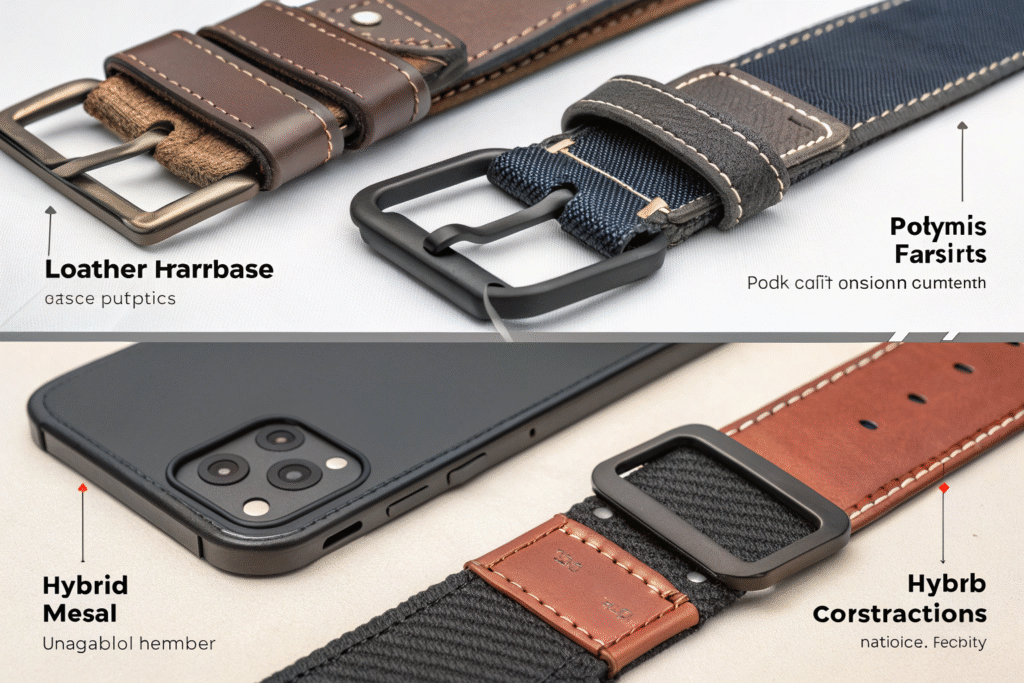
What Structural Materials Provide Optimal Support?
The belt material itself must have sufficient structural integrity and stiffness to support the additional weight without excessive sagging or deformation. Reinforced leathers, technical polymer composites, or multi-layer fabric constructions typically provide the best balance of support and flexibility. These materials maintain their shape while distributing the phone's weight comfortably, preventing the belt deformation issues that can occur with standard belt materials under continuous load.
What Holder Materials Ensure Phone Protection?
Phone contact points should use non-abrasive, shock-absorbent materials that protect both the phone and the belt from damage. Silicone grips, soft thermoplastic polyurethane (TPU) components, and felt-lined compartments prevent scratching while providing secure retention. Magnetic systems should use rare-earth magnets with proper shielding to avoid interfering with phone functionality while maintaining strong holding force. All materials should be tested for compatibility with common phone finishes and case materials.
How to Address Market-Specific Requirements?
Different user segments have varying needs that should inform design and sourcing decisions.
What Features Appeal to Active and Outdoor Users?
For active users, enhanced security and weather resistance are paramount. Look for designs with secondary retention systems, waterproof or water-resistant materials, and designs that minimize phone movement during vigorous activity. These users typically prefer quick-access orientations that allow phone use without removing the belt, such as horizontal carry positions that facilitate photo-taking or navigation checking while on the move.
What Do Professional and Urban Users Prefer?
Professional users prioritize discreet integration and easy suit compatibility. Designs that maintain a slim profile and traditional belt appearance are essential, with quick-transfer capabilities between belt carry and pocket carry. Urban commuters often value theft-deterrent features and designs that facilitate easy phone access in crowded environments while maintaining security in transit situations.
Conclusion
Sourcing belts with integrated phone holders requires a strategic approach that balances technical functionality, manufacturing capability, user comfort, and market-specific needs. The most successful products seamlessly blend phone carrying utility with quality belt design, creating accessories that genuinely enhance daily convenience rather than compromising either function.
As mobile device integration continues to evolve, the demand for well-executed carrying solutions will only increase. If you're ready to develop or source belts with integrated phone holders, contact our Business Director, Elaine, at elaine@fumaoclothing.com to discuss how our design expertise and manufacturing partnerships can help you create innovative products that meet the growing need for convenient, secure phone carrying solutions.