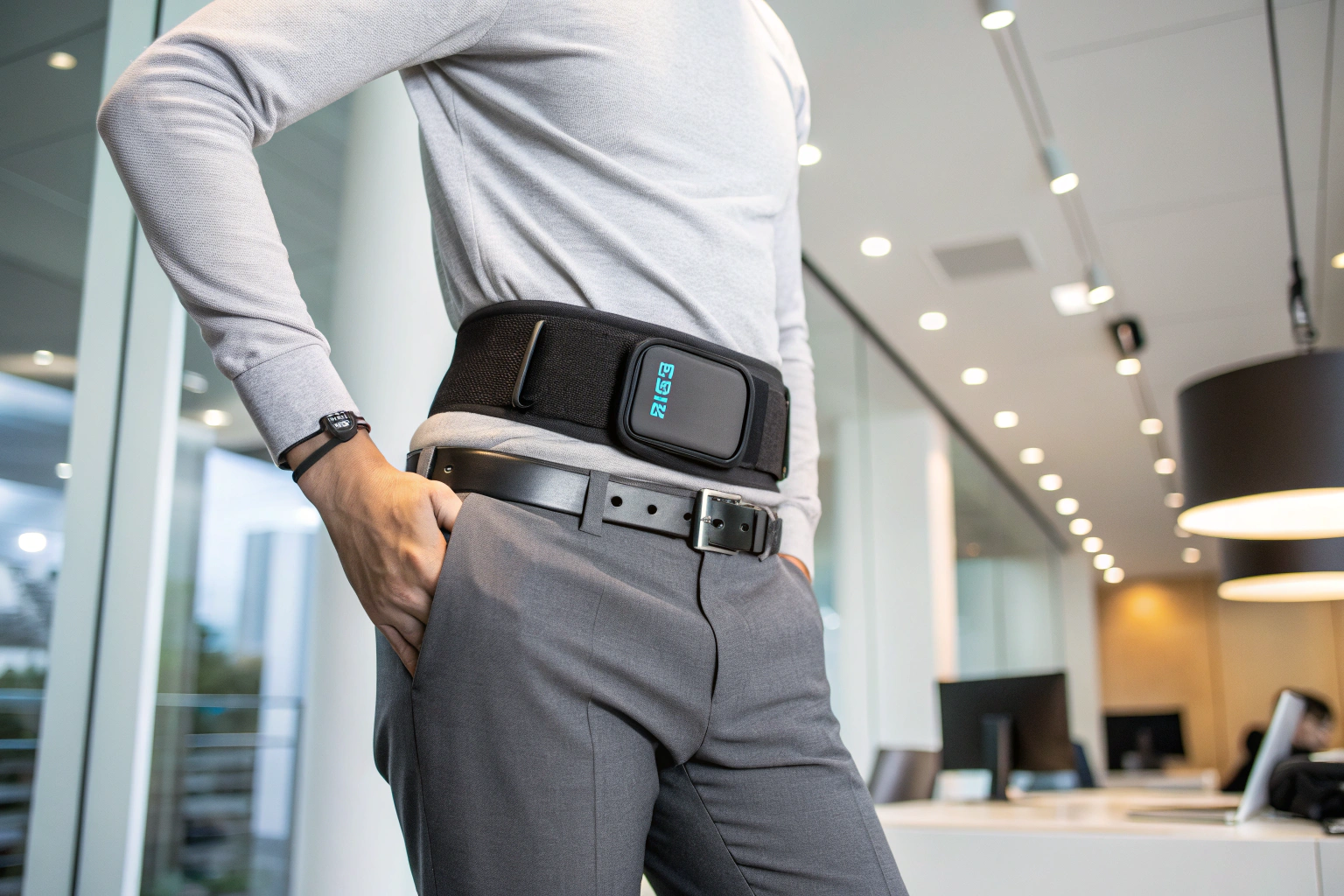
The wearable health technology market has expanded beyond fitness tracking to address specific health concerns like posture correction, creating new opportunities for innovative accessories. Belts with integrated posture sensors represent the convergence of medical insight, wearable technology, and everyday fashion, offering continuous posture monitoring without the stigma of medical devices. For brands looking to enter this emerging category, sourcing these technologically advanced products requires specialized approaches beyond traditional manufacturing.
Sourcing belts with integrated posture sensors requires identifying manufacturers with electronics expertise, verifying sensor accuracy through clinical testing, ensuring comfortable integration of technology, establishing reliable connectivity protocols, and creating user-friendly companion applications. The most successful sourcing approaches treat these products as integrated systems rather than simply belts with added technology, recognizing that both the fashion and function components must meet high standards to deliver genuine value to users.
As posture-related health concerns grow among sedentary populations and awareness of ergonomics increases, understanding how to source these specialized products becomes increasingly valuable for brands seeking to address wellness through accessible wearable technology.
What Technical Capabilities Should Manufacturers Possess?
Sourcing posture sensor belts requires manufacturers with specific technical competencies that span traditional accessories manufacturing and advanced electronics.
How Do Electronics Integration Capabilities Vary?
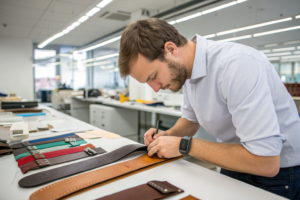
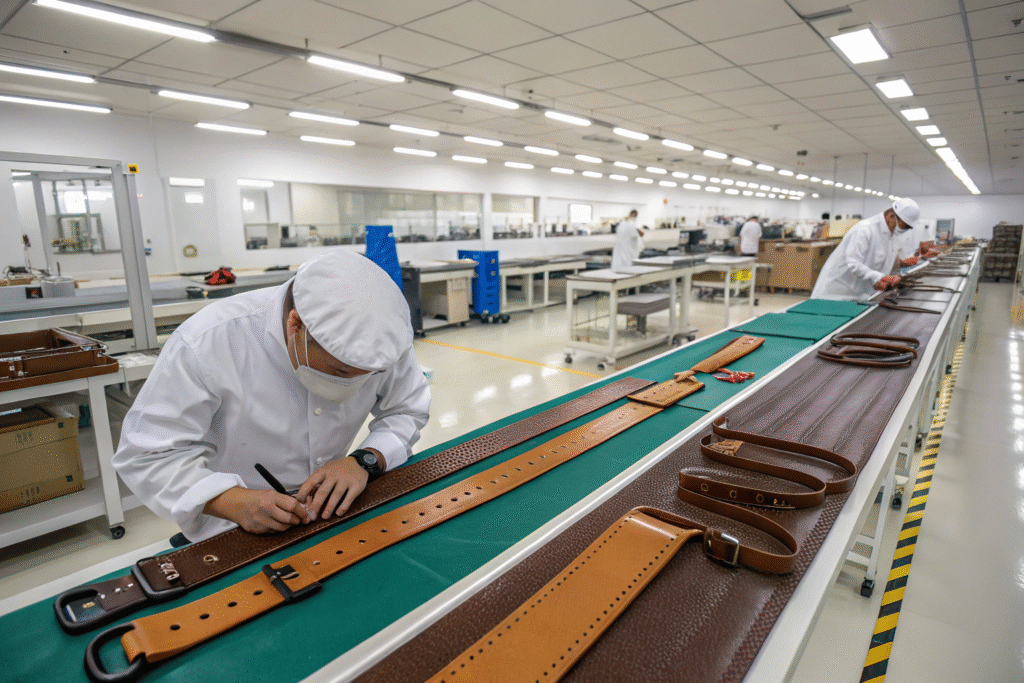
Manufacturers range from traditional belt makers who outsource sensor integration to fully integrated operations handling both leathercraft and electronics manufacturing. The most capable suppliers maintain electrostatic discharge (ESD) protected areas for circuit board assembly, precision equipment for embedding sensors without compromising materials, and testing facilities that verify both fashion quality and technological performance. This comprehensive approach ensures cohesive products rather than accessories with visibly added technology.
The manufacturing process requires specialized knowledge in multiple domains: flexible circuit design that withstands repeated bending, power management for extended battery life, and mechanical engineering that protects delicate components from impact and moisture. Suppliers should demonstrate experience with the specific challenges of wearable electronics, particularly the trade-offs between device size, battery capacity, and functionality that determine product viability in competitive markets. Manufacturers with existing experience in medical or fitness wearables typically transition more successfully to posture sensor belts than those new to embedded electronics.
What Sensor Technologies Are Most Effective for Posture Monitoring?
Posture monitoring belts typically utilize inertial measurement units (IMUs) containing accelerometers, gyroscopes, and magnetometers to capture orientation data. The most advanced implementations use sensor fusion algorithms that combine data from multiple points along the belt to distinguish between different types of posture deviations—slouching versus leaning, for example. Suppliers should understand optimal sensor placement for accurate posture assessment and have strategies for maintaining calibration despite the flexible nature of belt wear.
The most sophisticated manufacturers offer advanced features like automatic calibration that establishes individual baseline posture, context awareness that adjusts sensitivity based on activity (sitting, standing, walking), and personalized feedback thresholds that account for natural variations in spinal curvature. These software capabilities are as important as hardware quality, requiring suppliers to maintain both electrical engineering and data science expertise—a combination rarely found in traditional accessories manufacturing.
How Should Sensor Accuracy and Reliability Be Verified?
The value of posture monitoring depends entirely on measurement accuracy, requiring specific verification processes beyond standard quality control.
What Validation Processes Ensure Accuracy?
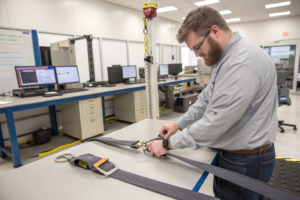
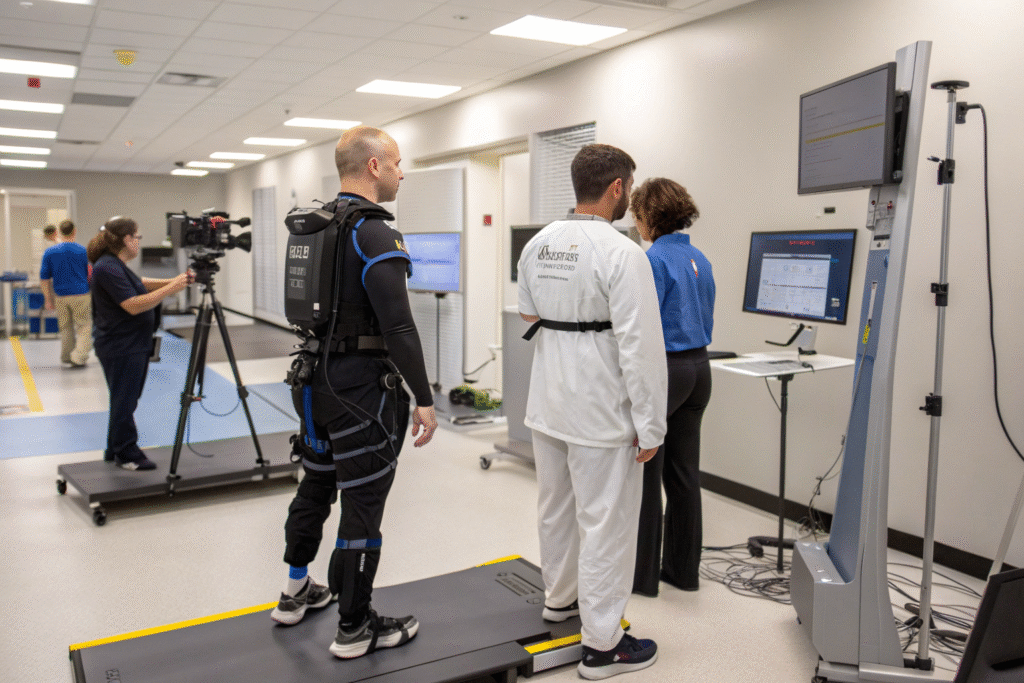
Reputable manufacturers conduct rigorous validation testing comparing their sensor data against gold-standard measurement systems. For posture monitoring, this typically involves having subjects wear both the sensor belt and research-grade motion capture systems while performing structured activities and maintaining various postures. The resulting data is analyzed to quantify accuracy for specific postural measurements—spinal angle, shoulder positioning, pelvic tilt—with reputable suppliers providing these validation results to potential partners.
The validation process should extend beyond laboratory conditions to real-world usage scenarios where factors like clothing layers, varying wearing positions, and different body types can affect performance. Manufacturers with extensive experience understand these variables and have developed compensation algorithms that maintain reasonable accuracy across diverse user populations and wearing conditions. This practical validation is more valuable than perfect laboratory results that don't translate to daily use.
How Is Long-Term Reliability Maintained?
Posture sensor belts must maintain accuracy throughout their lifespan despite the mechanical stresses of daily wear. The most reliable manufacturers implement regular calibration verification processes, either through user-initiated procedures or automated self-check systems. Additionally, they should provide data on sensor drift over time—the gradual loss of accuracy that affects all inertial measurement systems—and have compensation strategies that extend functional accuracy between professional calibrations.
The reliability assurance should include environmental testing that simulates real-world conditions: temperature variations, moisture exposure from perspiration, mechanical flexing simulating years of use, and electromagnetic interference from other devices. Manufacturers who understand these environmental factors and design accordingly typically produce more reliable products than those who simply assume laboratory conditions will prevail during actual use. This comprehensive approach to reliability is particularly important for medical-adjacent applications where inaccurate data could lead to inappropriate interventions.
What User Experience Considerations Are Critical?
The success of posture sensor belts depends heavily on user experience factors that determine whether wearers use them consistently enough to benefit.
| UX Consideration | Implementation Requirement | User Benefit |
|---|---|---|
| Comfort | Thin, flexible sensors distributed to prevent pressure points | All-day wear without discomfort or distraction |
| Discretion | Technology completely concealed within normal belt appearance | Social comfort without medical device stigma |
| Battery Life | Minimum 7-day operation between charges | Reduced maintenance burden supporting consistent use |
| Data Accessibility | Clear posture feedback through multiple channels | Understanding without technical expertise |
| Alerts | Tactile, audible, or visual notifications for posture deviations | Immediate awareness without being overly disruptive |

How Can Technology Be Made Unobtrusive?
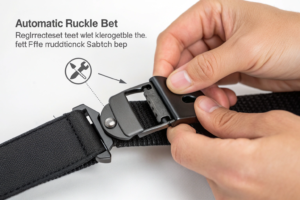
The most successful posture sensor belts employ discreet design strategies that completely conceal technology within normal belt appearance. Rather than adding visible modules, advanced implementations distribute slim sensors throughout the belt structure, use flexible batteries that follow the belt's contour, and minimize any components that create uncomfortable pressure points. This approach maintains the clean silhouette expected of quality belts while incorporating sophisticated monitoring capabilities.
The discretion extends to user interactions, where the most intuitive implementations provide subtle haptic feedback that doesn't announce itself to others. Some advanced systems use color-changing indicators visible only to the wearer, or smartphone notifications that provide detailed feedback privately. These discreet approaches prevent the social discomfort that can cause users to abandon wearable technology, particularly in professional or social settings where drawing attention to health concerns may be undesirable.
What Companion Application Features Drive Engagement?
The companion application experience significantly impacts long-term engagement with posture monitoring systems. The most effective applications provide clear, actionable feedback rather than raw data, using visualizations that help users understand their posture patterns and progress. Educational content explaining why specific postural issues matter and how to address them increases the perceived value beyond simple monitoring. These applications should work seamlessly across iOS and Android platforms with consistent user experiences.
The most engaging implementations incorporate motivational elements that encourage consistent use: progress tracking, achievement milestones, personalized coaching suggestions, and social features (if appropriate for the user base). However, these engagement features must balance with privacy concerns, particularly for health-related data. Manufacturers who provide clear privacy policies, local data processing options, and transparent data usage build trust that supports long-term user relationships.
How Can Sourcing Strategy Mitigate Technical Risks?
The technical complexity of posture sensor belts creates specific sourcing risks that require strategic management approaches.

What Supply Chain Considerations Are Unique?
Sourcing posture sensor belts requires managing dual supply chains for both traditional materials and electronic components, each with different lead times, minimum order quantities, and quality requirements. Electronics components often have longer lead times than leather or webbing, requiring careful production planning to prevent delays. Additionally, electronic components may become obsolete more quickly than fashion elements, creating inventory risks if product development cycles extend unexpectedly.
The most effective sourcing strategies establish relationships with component manufacturers in addition to final assembly partners, creating visibility throughout the supply chain. This approach helps anticipate shortages, quality issues, or cost changes that might impact production. Some manufacturers maintain safety stock of critical electronic components, particularly sensors and power systems that have the longest lead times and greatest impact on functionality if unavailable.
How Can Technical Obsolescence Be Managed?
The rapid pace of technological change creates obsolescence risks for products combining fashion and technology. Unlike traditional belts that may remain current for years, sensor technology can become outdated within 12-18 months as improved components become available. The most forward-thinking manufacturers design modular systems that allow sensor units to be upgraded while retaining the belt platform, extending product lifespan while maintaining technological relevance.
The obsolescence management should include firmware update capabilities that extend functional life even as hardware evolves. Manufacturers who provide regular firmware updates that add features, improve accuracy, or extend battery life demonstrate commitment to product longevity that builds customer loyalty. This approach is particularly valuable in the posture correction market where behavior change requires consistent use over extended periods, making long-term product viability essential for achieving promised benefits.
Conclusion
Sourcing belts with integrated posture sensors requires navigating the intersection of traditional accessories manufacturing and advanced wearable technology. The most successful approaches treat these products as integrated systems requiring expertise in both domains, with careful attention to user experience, accuracy validation, and technical risk management. Brands that master this sourcing challenge position themselves at the forefront of the growing wellness wearables market with products that offer genuine health value while functioning as credible fashion accessories.
As posture awareness continues growing among sedentary populations and technology costs decrease, posture sensor belts are poised to transition from specialty products to mainstream accessories. The sourcing expertise developed today will become increasingly valuable as consumers expect more functionality from everyday items and fashion continues merging with technology.
Ready to source belts with integrated posture sensors? Contact our Business Director, Elaine, at elaine@fumaoclothing.com to discuss our technical capabilities and manufacturing approaches that balance accurate posture monitoring with quality belt construction.