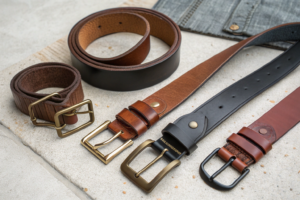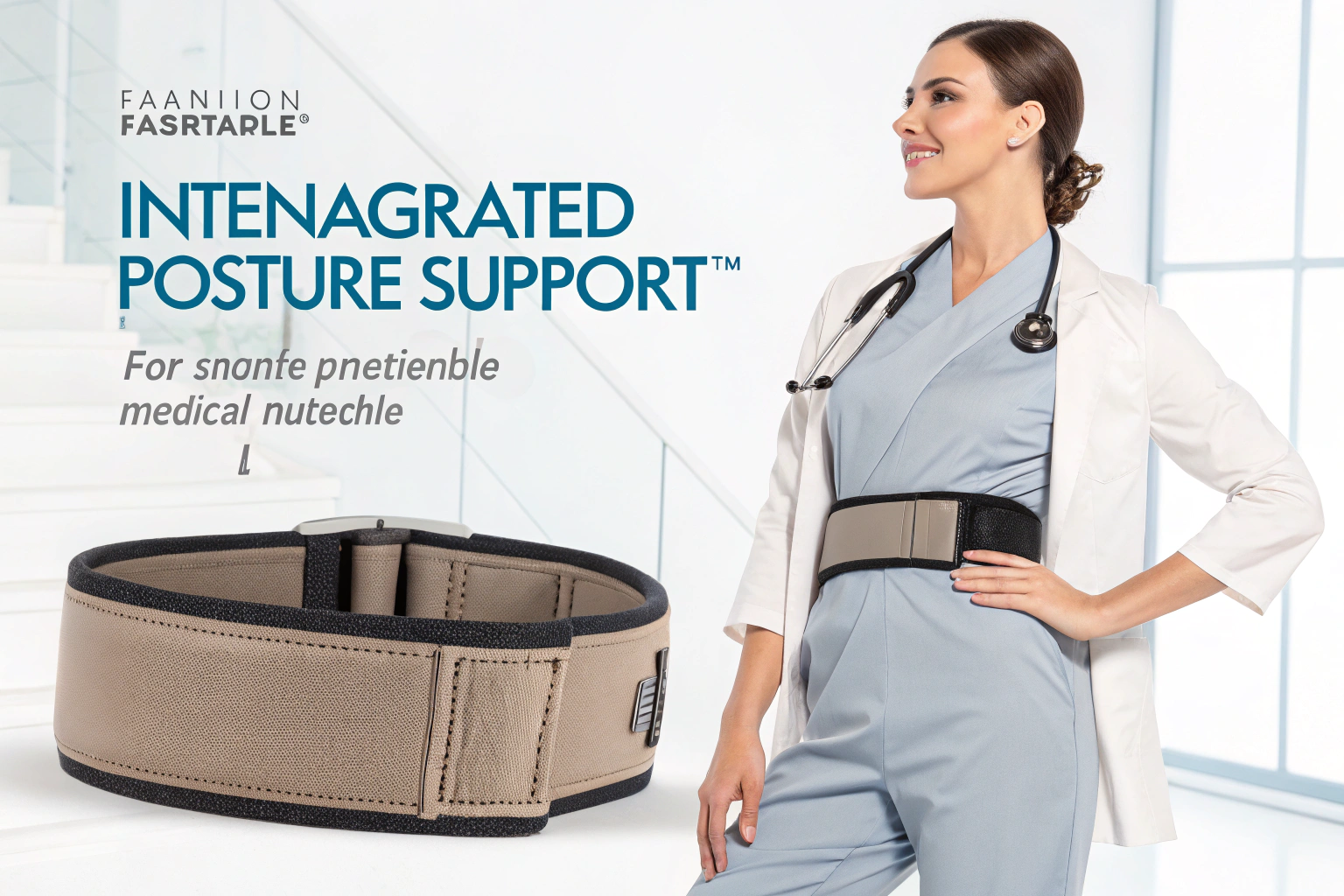
Your customers increasingly complain about back discomfort from prolonged sitting and standing, yet most fashion belts offer no functional support. The market for posture-correcting apparel is growing rapidly, but sourcing belts that genuinely improve posture while maintaining style presents unique manufacturing challenges.
Sourcing belts with integrated posture support requires identifying specialized manufacturers with ergonomic design expertise, verifying medical-grade material certifications, evaluating biomechanical effectiveness through clinical data, and ensuring the products balance therapeutic benefits with aesthetic appeal. Successful sourcing involves navigating the intersection of medical device manufacturing and fashion accessories, requiring suppliers who understand both therapeutic principles and commercial market demands.
The posture support belt market serves diverse needs from office workers seeking comfort during long sitting periods to individuals with specific back conditions needing gentle reminder systems. Understanding the sourcing nuances helps buyers avoid products that make unsubstantiated claims while securing genuinely beneficial posture solutions.
What Design Features Deliver Genuine Posture Benefits?
Not all posture belts deliver meaningful benefits, and understanding the design elements that actually improve alignment is crucial for effective sourcing. The most effective designs incorporate specific features that encourage natural spinal positioning without restricting movement.
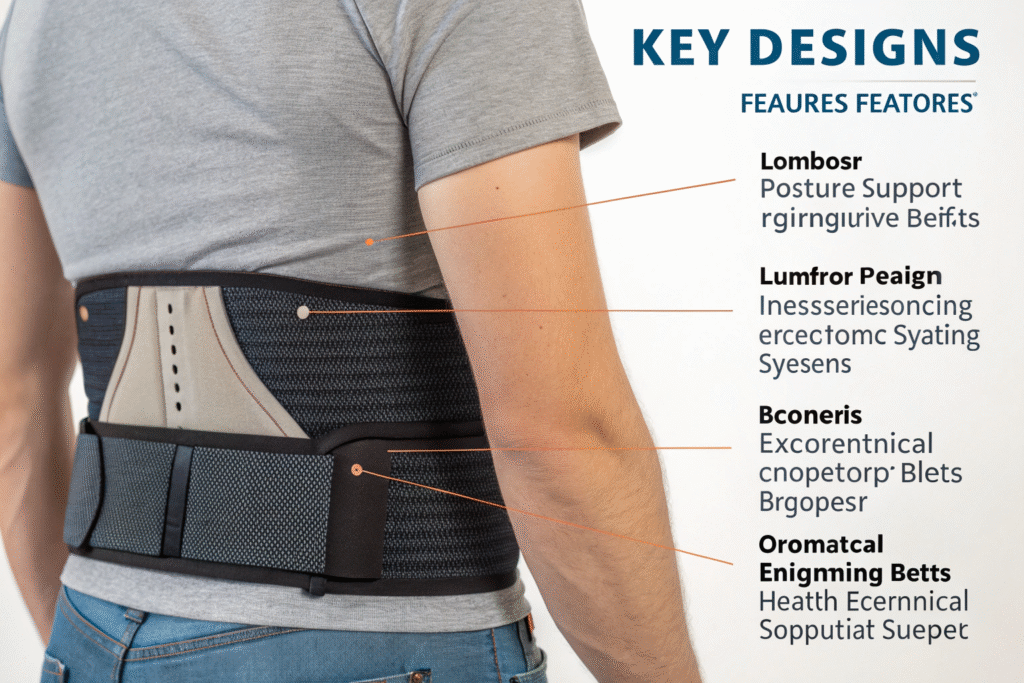
Genuine posture support comes from designs that include strategic lumbar padding, adjustable tension systems, breathable materials in key areas, and ergonomic shaping that follows natural spinal curves. Each element contributes to reminding wearers to maintain proper alignment while providing physical support during prolonged sitting or standing.
How Does Lumbar Support Integration Work?
Effective posture belts incorporate memory foam padding or molded polymer inserts positioned specifically at the L1-L5 lumbar vertebrae to maintain the spine's natural curve. The best designs feature anatomically contoured shapes that distribute pressure evenly across the lower back rather than creating pressure points. Quality manufacturers provide sizing guides based on torso measurements rather than just waist size, as proper lumbar positioning is crucial for therapeutic effectiveness. These design considerations separate genuinely beneficial products from those making empty claims.
What Tension Systems Provide Reminder Without Restriction?
Advanced posture belts utilize graduated compression technology that provides firmer support in lumbar areas while allowing normal abdominal movement. Unlike rigid back braces that can weaken core muscles over time, effective posture belts employ proprioceptive feedback systems that gently remind wearers to adjust their posture rather than forcing position through rigid support. The most sophisticated systems feature micro-adjustable side straps that allow users to customize support levels throughout the day as their needs change. These nuanced approaches deliver benefits without the drawbacks of over-bracing.
How to Verify Medical Claims During Sourcing?
The posture support market contains products making exaggerated claims without scientific backing. Proper verification during sourcing ensures you partner with manufacturers whose products deliver genuine benefits supported by evidence.
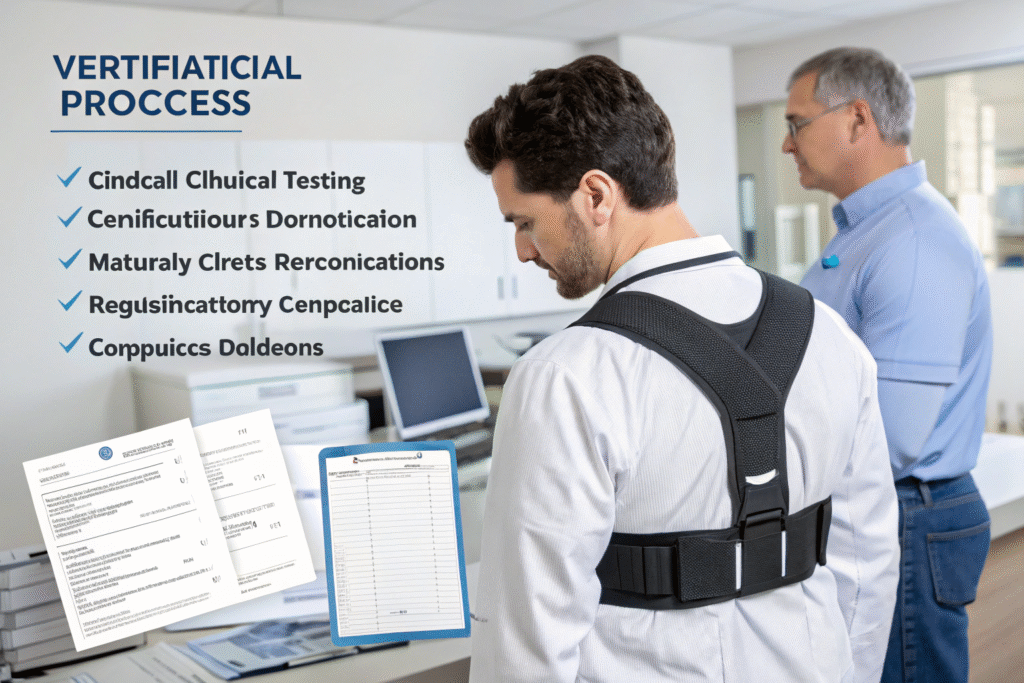
Verification processes should include reviewing clinical study data, checking regulatory classifications, validating material certifications, and assessing the credentials of the medical professionals involved in product development. Each verification step helps separate evidence-based products from marketing hype.
What Clinical Evidence Supports Posture Improvement Claims?
Reputable manufacturers can provide independent clinical studies demonstrating their products' effectiveness, typically showing 15-25% improvement in spinal alignment in monitored settings. Look for studies conducted by recognized research institutions rather than internal manufacturer research. The gold standard includes randomized controlled trials published in peer-reviewed journals focusing on ergonomics or physical therapy. These studies should measure specific outcomes like electromyography readings showing reduced muscle strain or motion capture data demonstrating improved posture maintenance during activities.
What Regulatory Classifications Indicate Serious Manufacturers?
Legitimate therapeutic posture belts often carry FDA Class I medical device registrations indicating they meet specific manufacturing standards. International certifications like the CE Mark for Class I medical devices in Europe demonstrate compliance with rigorous standards. While most posture belts aren't classified as higher-level medical devices, these registrations indicate manufacturers take quality and claims seriously. Additionally, ISO 13485 certification for medical device manufacturing demonstrates commitment to consistent quality management systems.
What Material Considerations Ensure Comfort and Efficacy?
Posture support belts require specific material properties that balance therapeutic function with all-day wearability. The wrong materials can cause discomfort, skin irritation, or inadequate support that undermines the product's purpose.
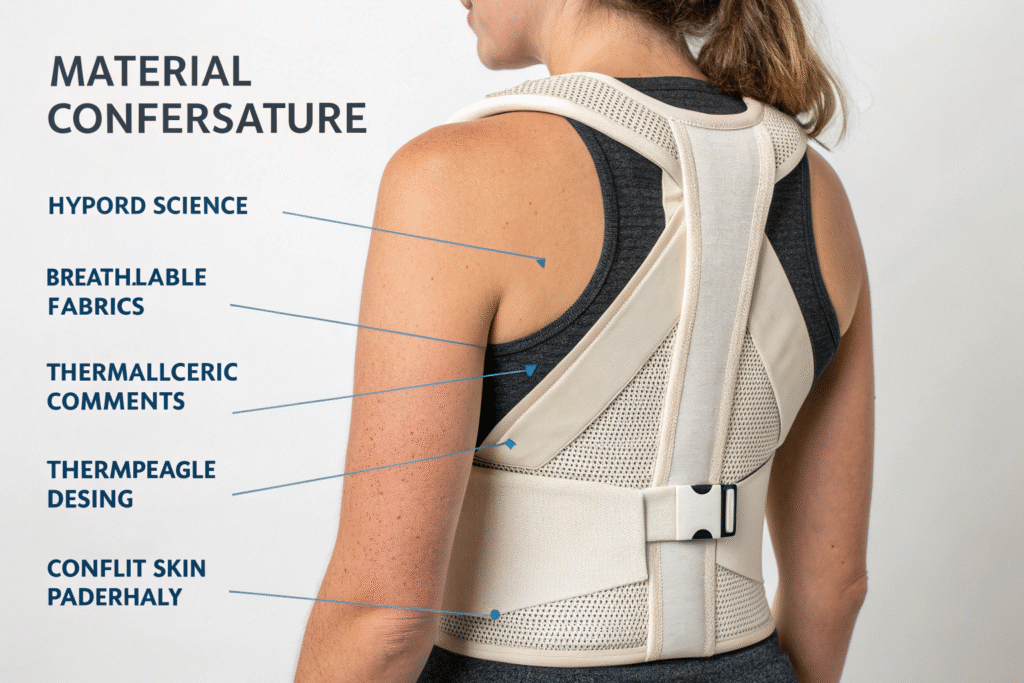
Critical material considerations include breathability for extended wear, hypoallergenic properties for direct skin contact, moisture-wicking capabilities, and durability to maintain support characteristics through repeated use and cleaning. Each material property contributes to both comfort and functional effectiveness.
How Do Breathability Features Impact Wearability?
Since posture belts are often worn throughout the workday, moisture-wicking fabrics like coolmax blends or mesh ventilation panels in non-critical areas prevent heat buildup and discomfort. The best designs incorporate strategic perforations in padding areas and channeled airflow systems that maintain support while allowing ventilation. These features are particularly important for users in warm climates or those who experience increased perspiration during physical activity while wearing support garments.
What Padding Materials Provide Support Without Bulk?
Advanced posture belts use viscoelastic polymer foams that conform to individual body shapes while providing consistent support. Unlike standard polyurethane foams that compress over time, high-resiliency memory foams maintain their supportive properties through extended use. Some manufacturers utilize graded density foams with firmer cores for support surrounded by softer layers for comfort. These material innovations allow effective lumbar support in profiles slim enough to wear discreetly under clothing, addressing both therapeutic and aesthetic requirements.
How to Balance Therapeutic Function with Fashion Appeal?
Many potential users avoid posture support products because they appear medical or unattractive. Successfully sourcing these belts requires finding manufacturers who understand how to integrate therapeutic features into designs people want to wear.
Balancing function and fashion involves creating slim profiles that work under clothing, offering color and style options beyond basic medical white, incorporating fashion-compatible buckle systems, and ensuring the product doesn't create visible lines or bulges under fitted clothing. Each consideration addresses barriers to regular use.
What Design Approaches Enable Discreet Wear?
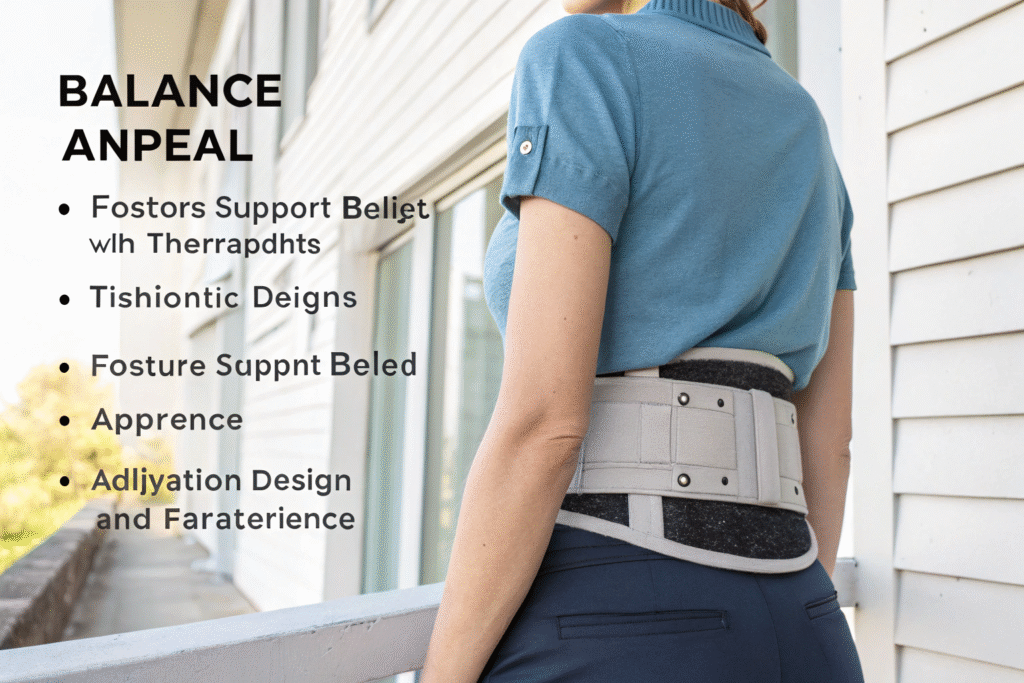
The most wearable posture support belts feature profiles under 0.5 inches thick despite incorporating supportive elements, allowing them to be worn invisibly under business clothing. Strategic placement of adjustment mechanisms on the sides rather than the front prevents visible bulges under fitted shirts. Many effective designs utilize stretch panels with non-stretch support elements that maintain flexibility while providing targeted reinforcement. These design considerations make the difference between products that sit in drawers and those that get worn regularly enough to provide benefits.
How Can Aesthetic Options Increase User Compliance?
Offering posture belts in fashion colors beyond basic black and white significantly increases the likelihood of regular use. Incorporating fashion-compatible buckle options like brushed metal finishes or minimalist designs makes the products feel like regular accessories rather than medical devices. Some manufacturers successfully offer interchangeable outer shells that allow users to match their posture support to different outfits. These aesthetic considerations dramatically impact what researchers call user compliance rates in therapeutic wearable products.
Conclusion
Sourcing belts with integrated posture support requires navigating the intersection of medical device manufacturing and fashion accessories. Success depends on identifying suppliers with genuine expertise in ergonomic design, verifying therapeutic claims through clinical evidence, selecting materials that balance support with comfort, and ensuring the final products offer enough aesthetic appeal for regular use. The growing market for these hybrid products demands rigorous sourcing approaches that prioritize both evidence-based benefits and commercial viability, creating opportunities for suppliers who can successfully bridge these traditionally separate industries.
If you're interested in sourcing or developing belts with integrated posture support, contact our Business Director, Elaine. Our manufacturing partnerships include specialists in therapeutic wearables that balance medical benefits with fashion compatibility. Reach her at elaine@fumaoclothing.com to discuss your posture support belt requirements.