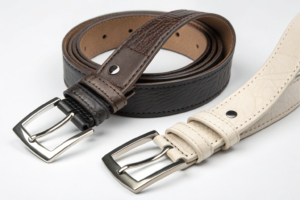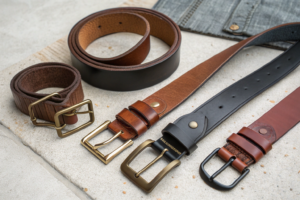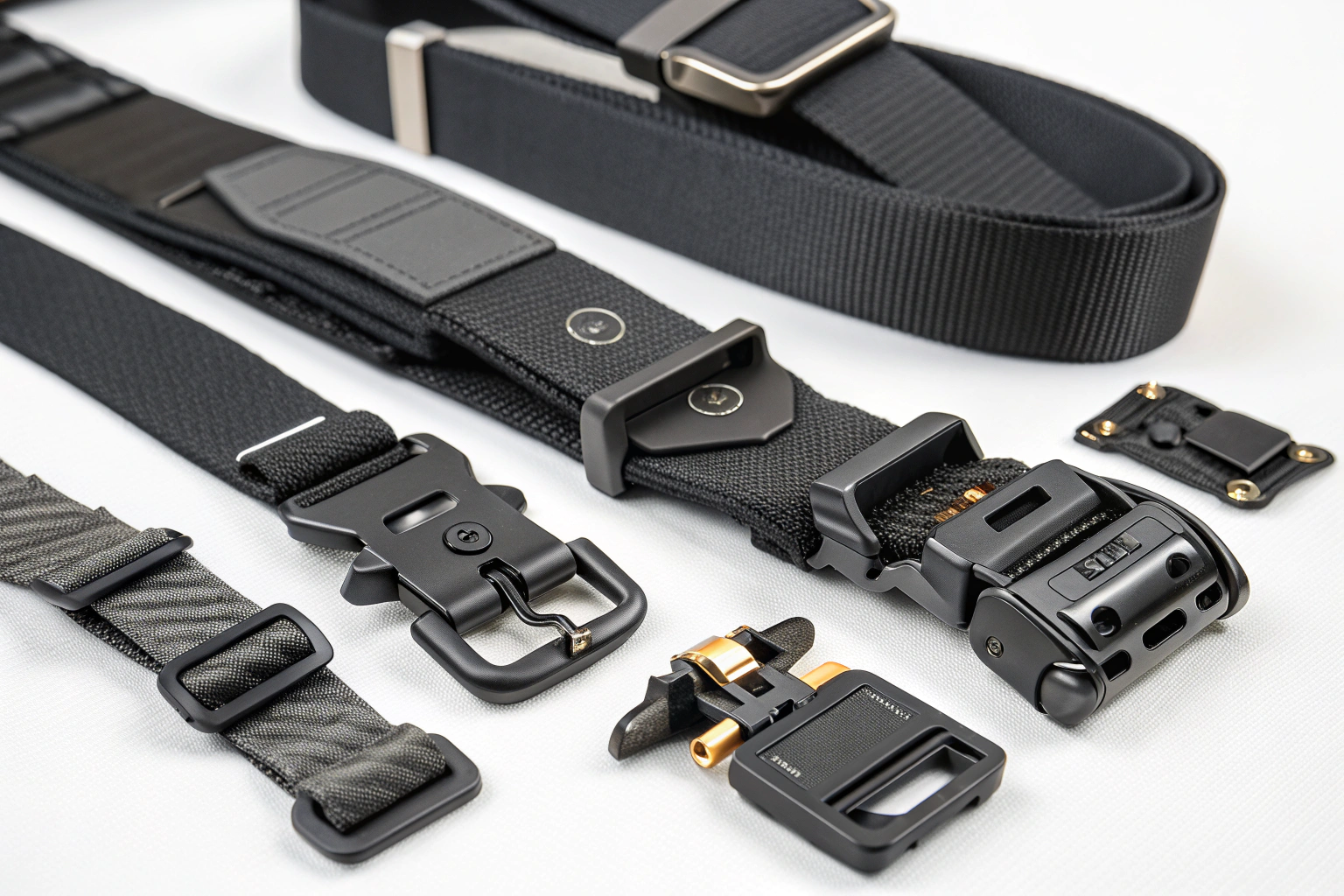
The fashion industry is witnessing a revolutionary shift toward customizable accessories, and modular belt systems stand at the forefront of this trend. These innovative products allow consumers to interchange buckles, straps, and accessories, creating multiple looks from a single purchase. However, sourcing these technically complex products requires specialized knowledge and manufacturing partnerships that many brands struggle to find.
Successfully sourcing belts with modular attachment systems requires understanding specialized manufacturing processes, identifying suppliers with technical expertise, implementing rigorous quality control for interchangeable components, and developing strategic inventory management for modular systems. The key lies in finding manufacturers who master precision engineering for secure attachments while maintaining fashion aesthetics and scalability for volume production.
As consumer demand for personalization continues to grow, mastering the sourcing of modular belt systems becomes increasingly crucial for staying competitive. This guide will walk you through the essential steps to establish reliable supply chains for these innovative products.
What Manufacturing Capabilities Are Essential for Modular Systems?
Not all belt manufacturers can produce quality modular systems. The technical requirements significantly differ from traditional belt production and demand specialized equipment and expertise.
What Technical Expertise Should Your Supplier Possess?
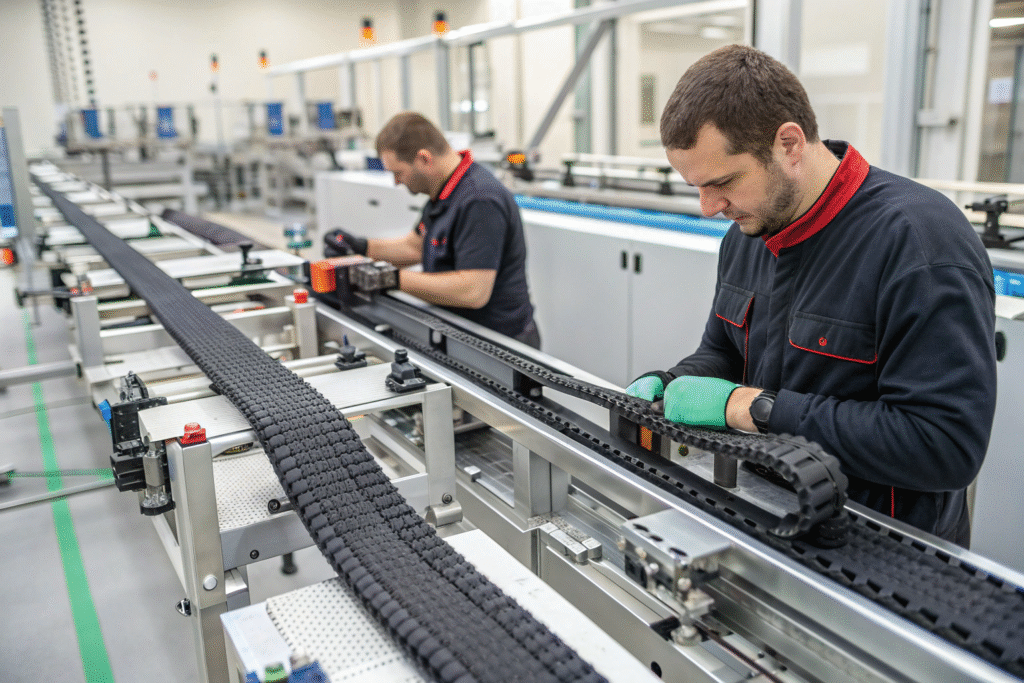
Modular belt manufacturing requires advanced technical capabilities beyond traditional leatherworking. Your supplier needs expertise in precision manufacturing for creating consistent connection systems that securely interlock without compromising aesthetics. Look for manufacturers with experience in metal fabrication for buckles and precision cutting for strap ends to ensure perfect alignment every time.
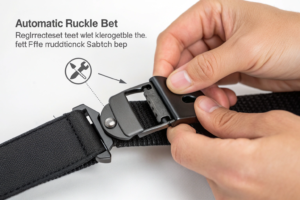
The most capable suppliers employ engineers who understand tolerance specifications and mechanical design principles. They should be able to produce multiple attachment mechanisms such as magnetic clasps, secure snap systems, or precision-engineered sliding mechanisms. Ask potential suppliers about their research and development process for new connection systems and request samples to test the durability of their attachment methods across multiple use cycles.
Which Production Methods Ensure Consistency?
Consistent manufacturing is crucial for modular systems where components from different production batches must work together seamlessly. Advanced digital manufacturing technologies like CNC machining for metal components and laser cutting for leather parts ensure every piece meets exact specifications. These methods maintain consistency across high-volume production runs, which is essential when customers may purchase additional components months after their initial purchase.
The most reliable manufacturers implement statistical process control to monitor production quality in real-time. This involves regularly measuring critical dimensions of both male and female connection points to ensure they remain within tolerance. Many successful brands require suppliers to maintain component libraries with detailed specifications for each part, ensuring that new production runs remain compatible with existing components in the market.
How to Evaluate Supplier Quality for Modular Components?
The quality standards for modular belts exceed those for traditional belts due to the mechanical nature of the connection systems and higher consumer expectations for functionality.
What Quality Tests Are Non-Negotiable?
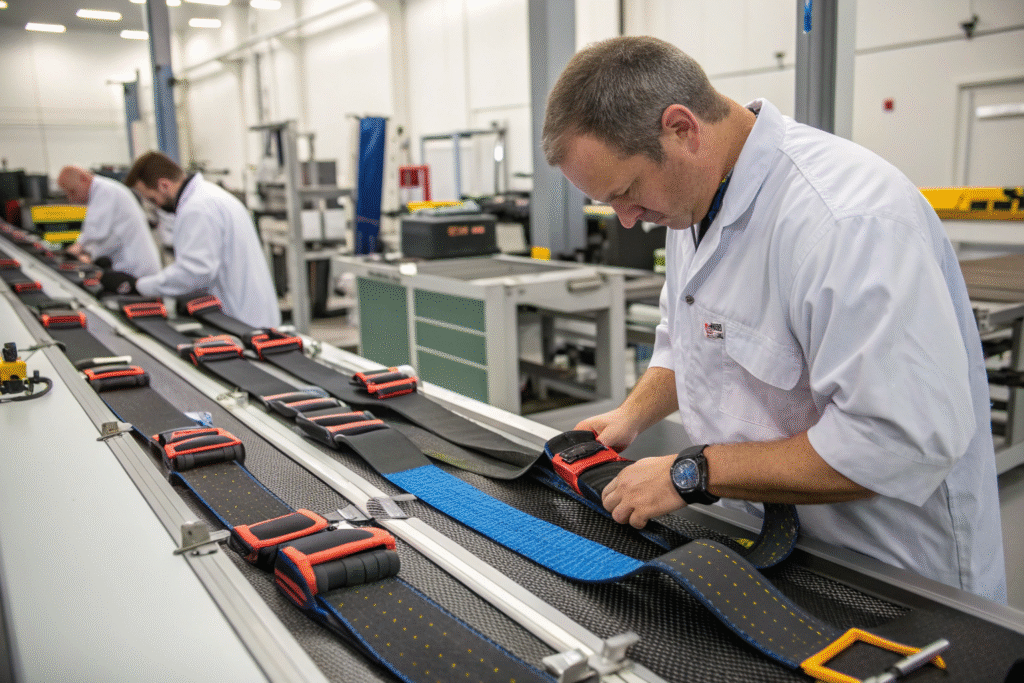
Comprehensive quality testing is essential for modular systems. Your supplier should conduct standardized testing protocols that include attachment durability tests (minimum 10,000 connect-disconnect cycles), weight capacity tests for accessories, and material integrity checks for stress points. Additionally, they should test colorfastness and finish durability specifically at connection points where friction occurs regularly.
Beyond standard tests, evaluate the supplier's approach to compatibility testing. All components within a modular system should be tested for cross-compatibility, not just with current products but with future designs. The best suppliers maintain a quality assurance matrix that tracks how each component performs when paired with every other compatible piece in the system, ensuring customers never encounter fitting issues when mixing and matching.
How to Assess Long-Term Reliability?
Modular systems require long-term reliability since customers expect to use and expand their systems for years. Evaluate suppliers based on their quality management systems and material sourcing consistency. Suppliers who control their material sourcing and maintain adequate raw material inventories provide more consistent products over time compared to those who frequently switch material sources based on price fluctuations.
| Reliability Factor | Assessment Method |
|---|---|
| Material Consistency | Review material certification and sourcing documentation |
| Production Consistency | Audit production records and component tolerance tracking |
| Long-term Support | Evaluate capacity for producing replacement parts years after initial launch |
| Scalability | Assess ability to maintain quality during production volume changes |
Conduct factory audits specifically focused on their documentation systems for modular components. Suppliers who maintain detailed records of tooling specifications, material batches, and production parameters for each component typically deliver better long-term consistency. This documentation becomes crucial when you need to reorder specific components years after the initial production run.
What Sourcing Strategy Maximizes Cost Efficiency?
Modular systems introduce unique cost considerations that differ from traditional belt sourcing. Smart strategic planning can significantly impact your profitability.
How to Structure Your Component Inventory?
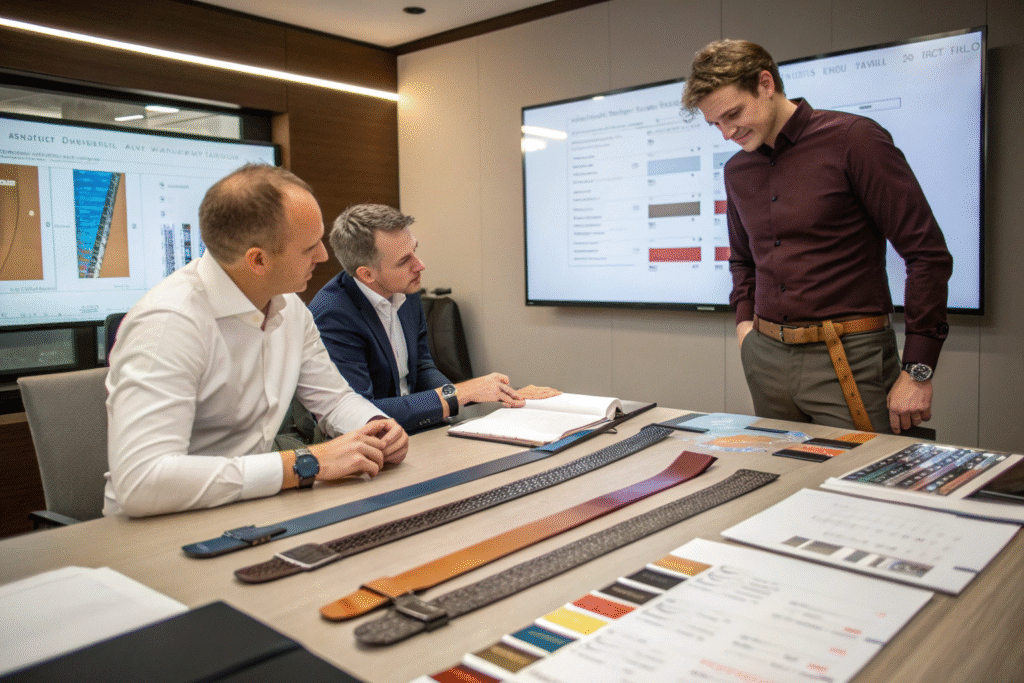
Effective inventory management for modular systems requires balancing availability with cost efficiency. Implement a modular bill of materials approach that tracks components separately rather than only as finished products. This allows you to maintain strategic stock levels of high-use components while producing lower-demand items on an as-needed basis, reducing inventory carrying costs.
The most cost-effective approach involves classifying components into A, B, and C categories based on demand patterns. Category A components (basic straps and popular buckles) should be stocked based on forecasted demand. Category B items (seasonal colors and limited editions) can use a made-to-order approach with longer lead times. Category C components (specialized accessories) work best with pre-order models to validate demand before production.
What Pricing Models Work Best for Modular Systems?
Traditional per-piece pricing often doesn't work optimally for modular systems due to varying production complexities across components. Seek suppliers offering value-based pricing models that account for the entire system rather than individual pieces. Some manufacturers offer tiered pricing where the cost per component decreases as you approach balanced ordering across the system, encouraging optimal product mix.
Negotiate pricing based on the entire ecosystem rather than individual components. Many suppliers offer better terms when committing to a system launch with multiple compatible components rather than piecemeal ordering. Consider agreements that include decreasing marginal costs for additional components ordered within the same system, reflecting the manufacturing efficiencies gained when producing related items together.
How to Ensure Market Success with Modular Belt Systems?
Sourcing the product is only half the battle. Successful market introduction requires strategic planning around presentation, education, and customer experience.

What Marketing Assets Are Most Effective?
Modular systems require different marketing approaches than traditional belts. The most successful brands invest heavily in demonstration content that clearly shows how the system works. Create video tutorials showing the attachment process, style guides demonstrating multiple combinations, and visual configurators that let customers virtually build their ideal combinations before purchasing.
Develop educational materials that address common customer concerns about security of attachments, compatibility questions, and care instructions specific to modular systems. The most effective brands use a combination of professional photography showing numerous combinations and user-generated content from early adopters demonstrating real-world usage. This combination builds both aspiration and trust among potential customers.
How to Optimize Customer Experience?
The customer experience with modular systems extends far beyond the initial purchase. Implement systems that make expanding collections seamless through personalized recommendations based on previously purchased components. Create loyalty programs that reward customers for building their systems and refer friends, turning satisfied customers into brand advocates.
Offer exceptional support specifically trained on the technical aspects of your modular system. Support staff should be able to troubleshoot attachment issues, identify compatibility questions, and make intelligent recommendations for new components based on existing collections. Consider implementing a component replacement program for lost or damaged pieces rather than requiring full set repurchases, significantly enhancing long-term customer value and satisfaction.
Conclusion
Sourcing belts with modular attachment systems requires a strategic approach that balances technical manufacturing capabilities with market-focused planning. Success depends on finding suppliers with specialized expertise in precision components, implementing rigorous quality control for interchangeable parts, developing smart inventory strategies for modular systems, and creating compelling customer experiences that demonstrate the value of customization.
The brands that master modular system sourcing will lead the next wave of accessory innovation, offering customers unprecedented personalization while building sustainable business models with recurring revenue opportunities.
Ready to develop your modular belt collection? Contact our Business Director, Elaine, at elaine@fumaoclothing.com to discuss how our specialized manufacturing expertise in modular attachment systems can help you create successful customizable belt lines that stand out in the market.