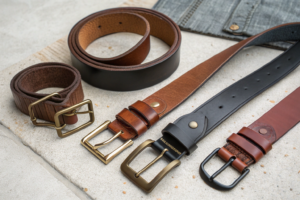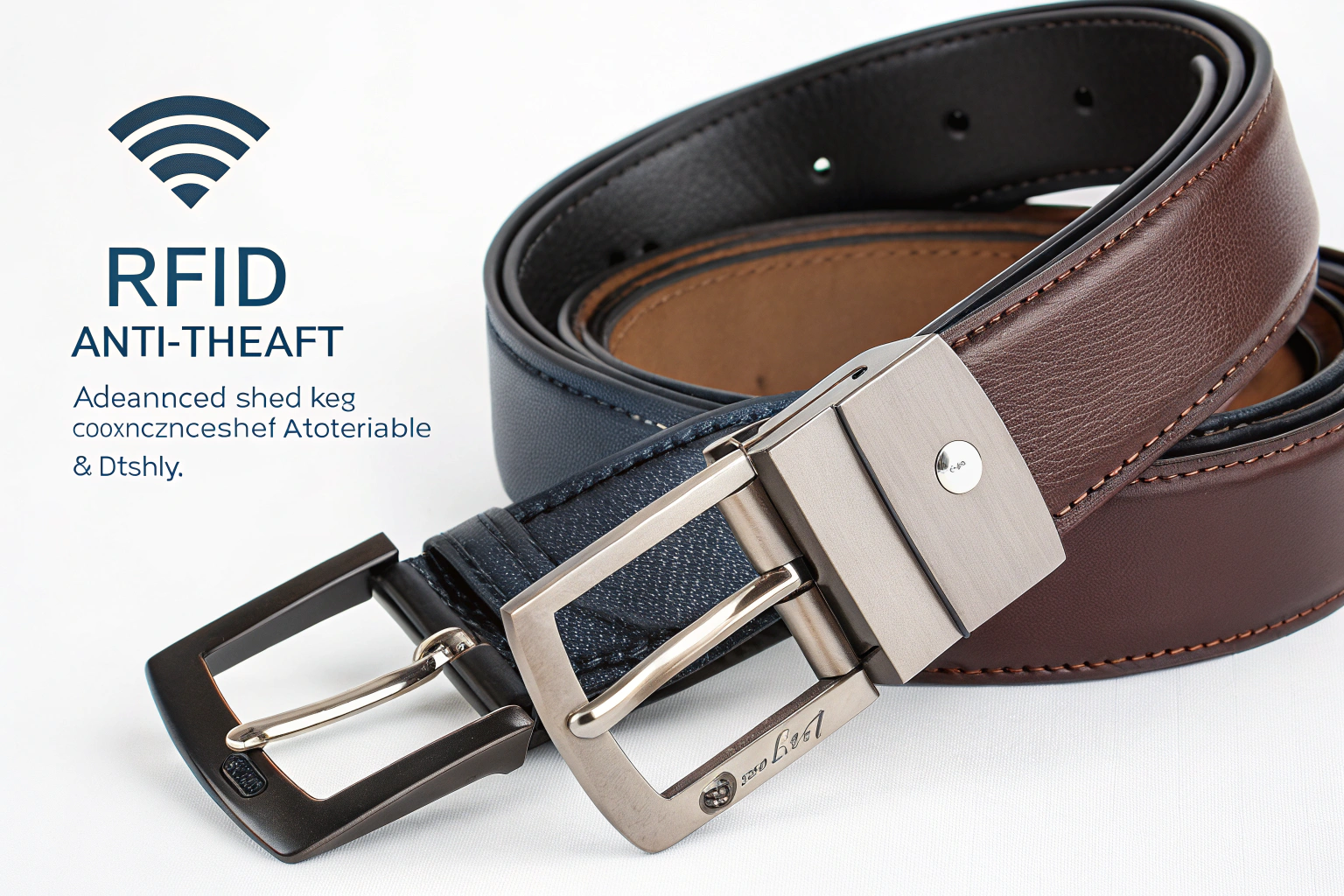
In an increasingly digital world where personal information security has become paramount, RFID-blocking technology has evolved from specialty security products to mainstream accessories. For belt manufacturers and retailers, integrating RFID protection represents both a functional enhancement and a significant market differentiation opportunity in the competitive accessories space.
Sourcing belts with RFID anti-theft features requires understanding material science, identifying specialized manufacturers, verifying protection standards, and balancing security with aesthetic design while ensuring the technology integrates seamlessly into functional accessories. This specialized sourcing process demands technical knowledge beyond traditional belt manufacturing while offering substantial value to security-conscious consumers.
The integration of RFID protection transforms ordinary belts into sophisticated security accessories. Let's explore the comprehensive approach to sourcing these innovative products.
What Technical Specifications Define Quality RFID Protection?
Understanding the technical requirements for effective RFID blocking is essential for evaluating potential suppliers and product quality.

How Do RFID-Blocking Materials Work?
Effective RFID protection relies on materials that create a Faraday cage effect around protected items. The most common approach uses fine metallic mesh or layers of specialized metallic alloys woven into belt materials that disrupt electromagnetic signals. Quality RFID protection requires complete coverage without gaps, typically achieved through full-layer integration rather than patch-based solutions. The material must be dense enough to block the specific frequency ranges used by credit cards (13.56 MHz) and passports (125 kHz) while remaining flexible and comfortable for daily wear.
What Protection Standards Should Suppliers Meet?
Reputable RFID protection should meet international testing standards including ISO 14443 and ISO 15693 compliance. Look for suppliers who can provide independent laboratory verification showing at least 99.9% signal attenuation across all relevant frequencies. The protection should maintain effectiveness through normal wear, cleaning, and aging of the belt materials. Quality manufacturers will provide detailed test reports from recognized laboratories like UL or TÜV, demonstrating consistent performance across production batches and throughout the product's expected lifespan.
How to Identify Qualified Manufacturing Partners?
Finding manufacturers with genuine RFID expertise requires careful vetting beyond standard belt production capabilities.
What Production Capabilities Are Essential?
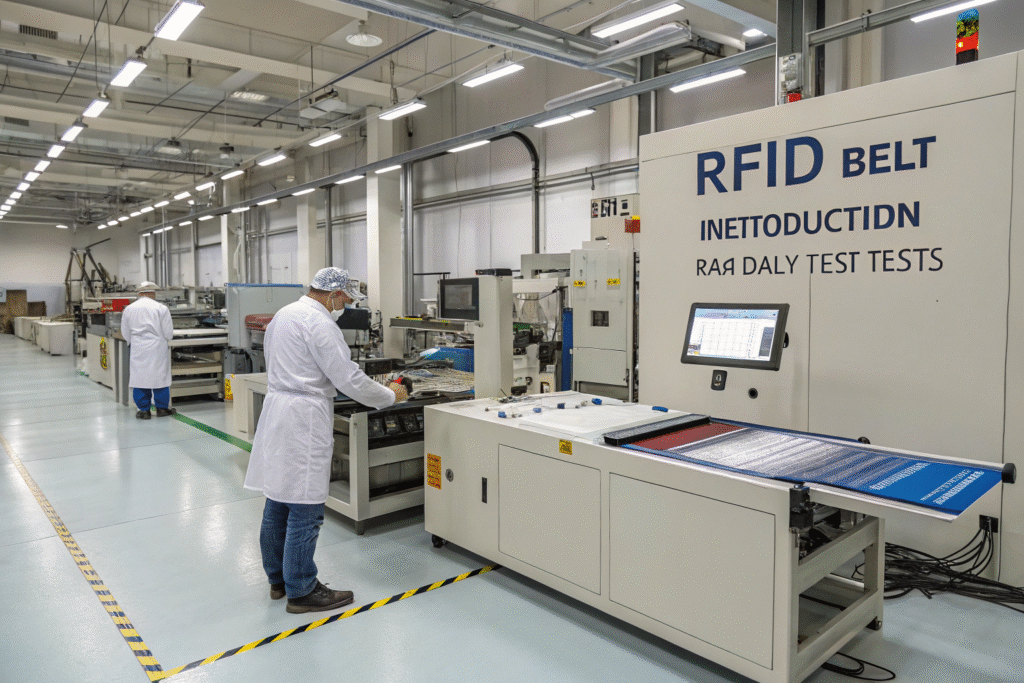
Qualified manufacturers need specialized equipment for material integration including precision lamination systems, conductive thread weaving capabilities, and testing apparatus for verifying protection effectiveness. Look for facilities with clean room environments for sensitive material handling and established processes for preventing contamination that could compromise protection. The best partners will have experience with both traditional belt craftsmanship and technical textile production, allowing them to balance aesthetic quality with functional performance.
How Can You Verify Supplier Claims?
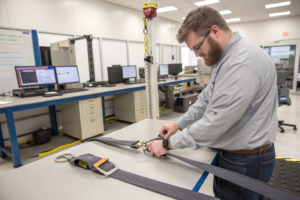
Due diligence should include factory audits specifically focused on RFID capabilities. Request to witness live protection testing during your visit and examine raw material certifications. Ask for samples from previous production runs to conduct independent verification. Reputable suppliers will transparently share their material sourcing, manufacturing processes, and quality control documentation. Be wary of manufacturers who cannot provide specific technical details or who rely on generic "RFID-safe" claims without supporting evidence.
What Design Considerations Balance Security and Style?
Successful RFID belt designs seamlessly integrate protection technology without compromising aesthetic appeal or comfort.
How Can Protection Be Integrated Discreetly?
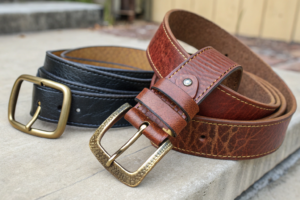
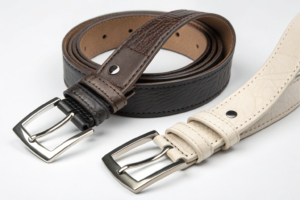
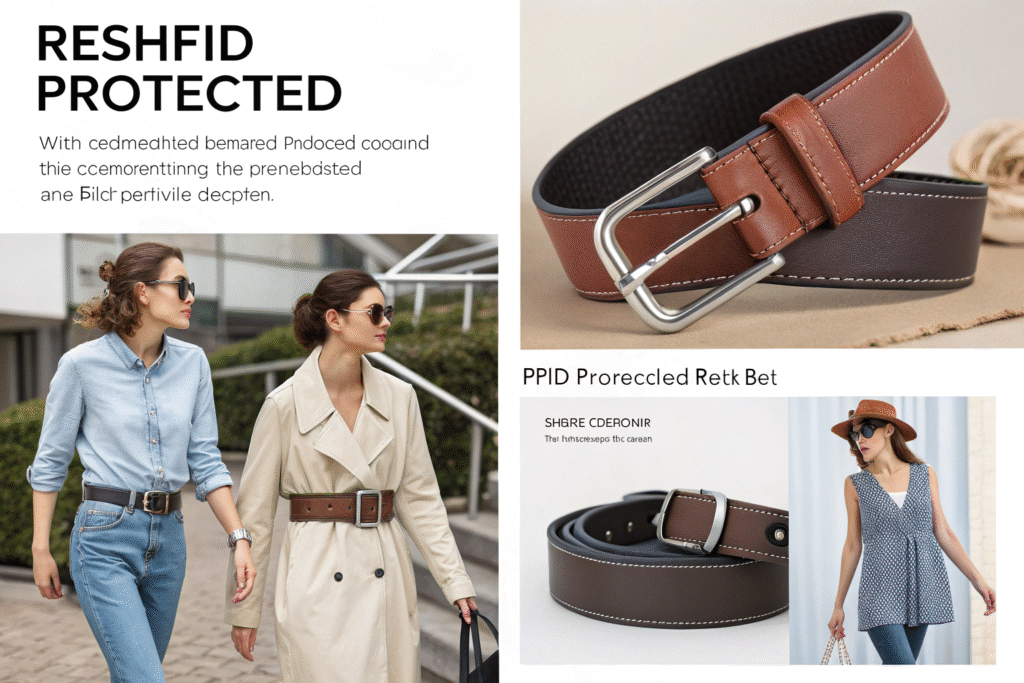
The most successful RFID belt designs use layered construction techniques that hide protective materials between outer leather or fabric layers and inner linings. This approach maintains the belt's traditional appearance while providing comprehensive protection. Advanced manufacturers use ultra-thin metallic meshes and specialized coatings that provide protection without adding significant thickness or weight. The best designs are completely indistinguishable from conventional belts while offering full security functionality.
What Styles Accommodate RFID Protection Best?
Certain belt styles naturally accommodate RFID integration more effectively. Dress belts with full linings provide ideal construction for hidden protection layers. Wider casual belts offer more surface area for consistent coverage, while designs with minimal perforations or cutouts maintain better protection integrity. Manufacturers experienced in RFID integration can advise on which of your existing styles translate best to protected versions and suggest modifications that optimize both security and aesthetics.
How to Validate Product Performance and Durability?
Ensuring long-term protection requires rigorous testing and quality assurance processes.
What Performance Testing Is Essential?
Comprehensive testing should verify initial protection effectiveness and performance retention through simulated years of use. This includes flex testing (10,000+ cycles), abrasion resistance evaluation, temperature and humidity exposure, and cleaning procedure validation. Protection should be tested with multiple RFID chip types and at varying distances to ensure complete security. Reputable manufacturers conduct this testing both during development and as part of ongoing production quality control.
How Does Construction Affect Long-Term Performance?
The belt's construction method significantly impacts how well RFID protection maintains effectiveness. Full-grain leather construction with proper lining provides better long-term protection than thinner materials or constructions with multiple seams that could create weak points. The bonding method between layers must maintain integrity through normal wear, and edge treatments should prevent delamination. Quality manufacturers use construction techniques specifically developed for technical textiles rather than adapting standard belt-making methods.
What Market Positioning and Certification Matter?
Proper positioning and verification help consumers understand the value proposition and trust the product claims.
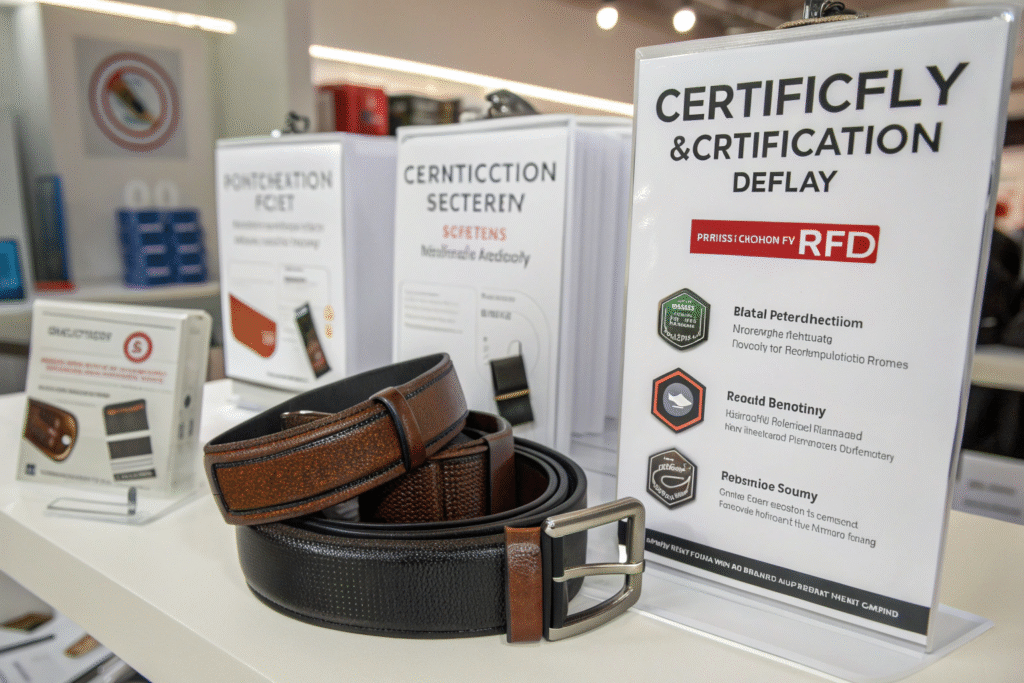
What Certifications Build Consumer Confidence?
Independent security certifications from recognized organizations provide crucial validation for RFID protection claims. Look for products certified by organizations like the Secure IoT Alliance, or those bearing recognized testing laboratory marks. These certifications should be specific to RFID protection rather than general quality marks. Manufacturers should provide documentation showing which specific tests were conducted and the results achieved, allowing for transparent communication with end consumers.
How Should Protection Features Be Marketed?
Effective marketing balances security benefits with lifestyle appeal. Rather than focusing solely on theft prevention, position RFID belts as smart, modern accessories for tech-savvy consumers. Highlight the convenience of always-on protection without needing separate RFID-blocking products. Provide clear, accurate information about what the protection covers without making exaggerated claims. The most successful positioning treats RFID protection as a valuable feature rather than the product's sole identity, making the belts appealing even to consumers who may not initially prioritize security features.
Conclusion
Sourcing belts with RFID anti-theft features requires a strategic approach that balances technical expertise, manufacturing capability, design sensibility, and market understanding. By thoroughly vetting suppliers for both their technical capabilities and traditional craftsmanship, brands can deliver products that offer genuine security benefits while maintaining the aesthetic quality and comfort consumers expect from premium accessories.
The growing importance of digital security ensures continued demand for well-executed RFID-protected accessories. If you're ready to develop or source belts with integrated RFID protection, contact our Business Director, Elaine, at elaine@fumaoclothing.com to discuss how our technical expertise and manufacturing partnerships can help you create security-enhanced accessories that meet both functional requirements and market expectations.