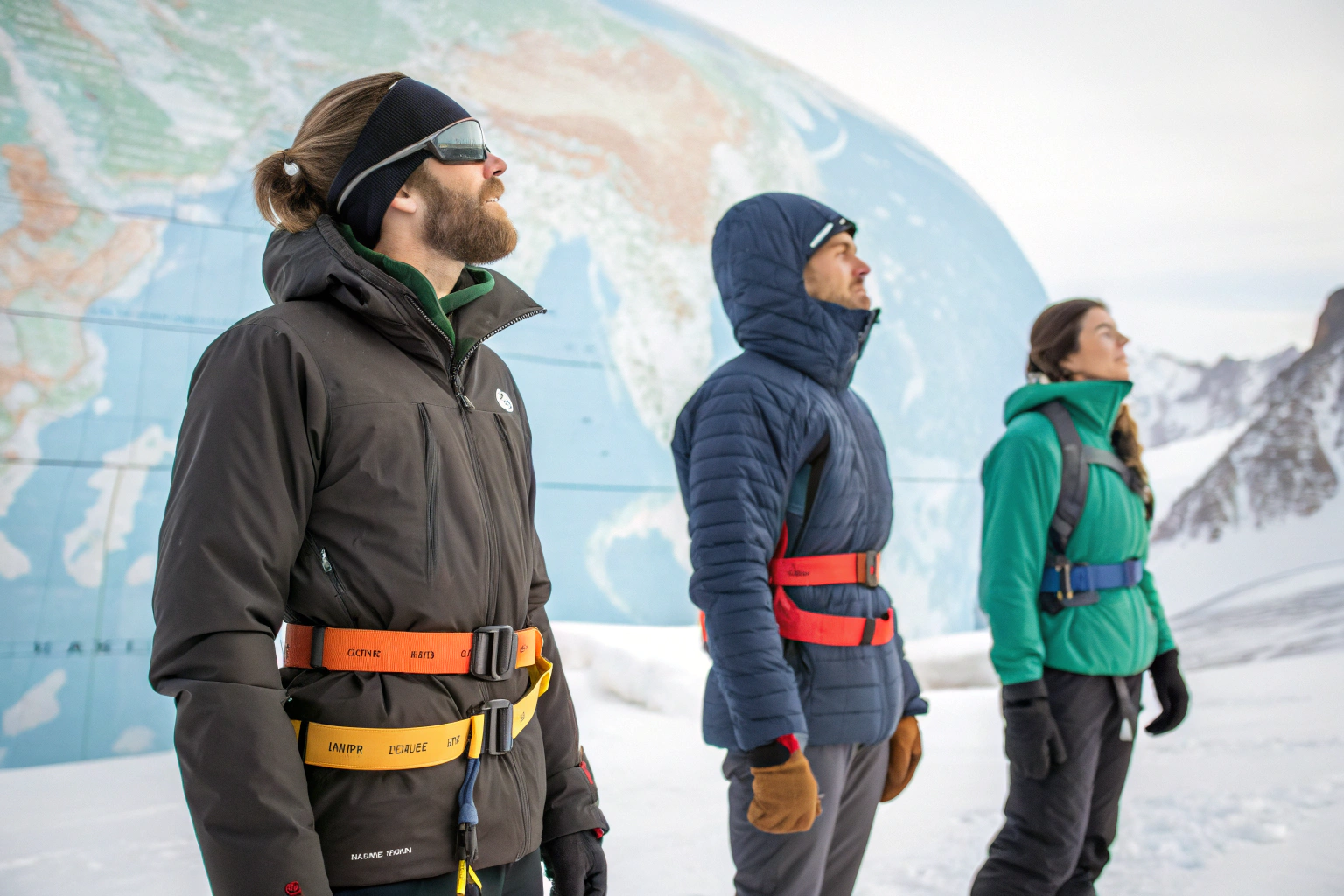
You've shipped a container of beautiful leather belts to a tropical market, only to receive complaints months later about mold, discoloration, and failed stitching. Meanwhile, your shipments to arctic regions are returning with cracked, stiff belts that have become unwearable. These climate-related failures aren't just quality issues—they're fundamental mismatches between your products and their operating environments.
Sourcing climate-specific belts requires understanding how extreme weather affects materials and constructing belts specifically engineered for their destination environments. The solution involves specialized material selection, protective treatments, climate-appropriate construction methods, and rigorous testing that simulates destination conditions before shipment.
This guide will provide a comprehensive framework for sourcing belts that thrive in extreme climates. We'll explore material science for different environments, specialized treatments and construction methods, verification testing protocols, and sourcing strategies for climate-resilient manufacturing.
What Materials Perform Best in Different Climates?
The same belt cannot perform optimally in desert heat, tropical humidity, and arctic cold. Material selection must address the specific challenges of each climate, focusing on how materials respond to temperature extremes, moisture, UV exposure, and biological threats.
Climate-appropriate material selection balances multiple properties: moisture management, thermal stability, UV resistance, and biological resistance. The optimal material for one environment may perform poorly in another, making targeted selection essential.
What Materials Work in Tropical Humid Conditions?
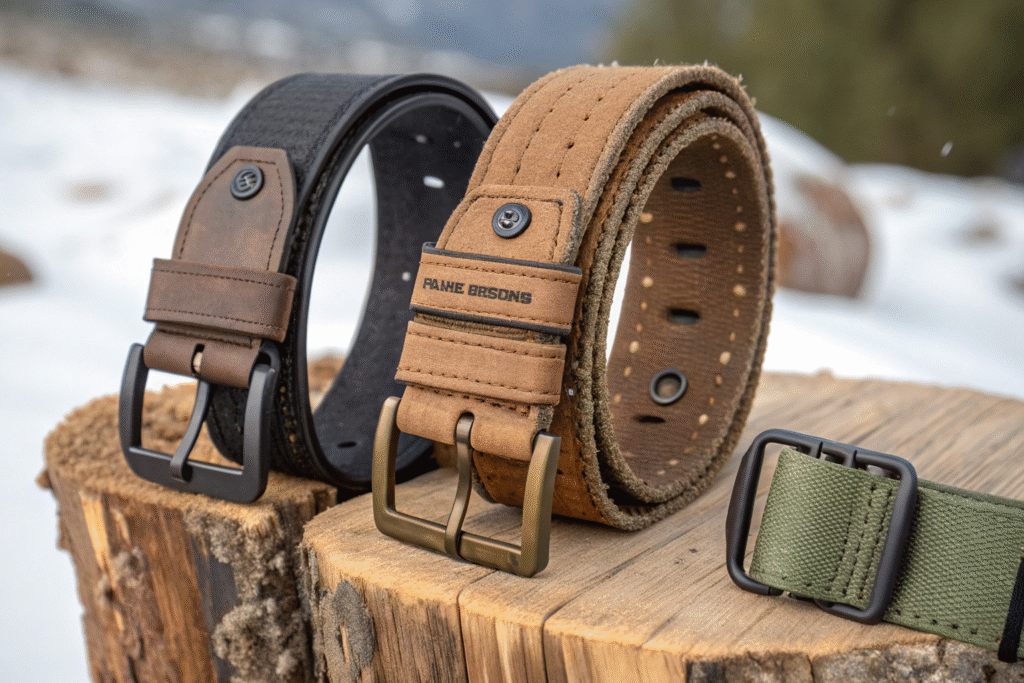
High humidity and temperatures create unique challenges:
- Technical Nylon: Hydrophobic properties prevent moisture absorption, dries quickly
- Polypropylene Webbing: Naturally mildew-resistant, maintains strength when wet
- Vegetable-Tanned Leather: Breathable, less prone to mildew than chrome-tanned alternatives
- Brass Hardware: Corrosion-resistant, doesn't rust in humid conditions
These materials address the core challenges of tropical environments where mold prevention and quick drying are priorities. Our tropical climate belts use these materials in combinations that withstand constant high humidity.
What Materials Succeed in Arctic Conditions?
Extreme cold creates different material challenges:
- Oil-Tanned Leather: Maintains flexibility at low temperatures, resists stiffening
- Thermo-Insulated Linings: Provide barrier against cold transfer
- Stainless Steel Hardware: Less prone to becoming brittle in cold
- Reinforced Stitching: Synthetic threads that don't contract and tear leather
These materials prevent the cracking, stiffness, and component failure that plague standard belts in freezing conditions. The focus shifts to maintaining flexibility and preventing material embrittlement.
How Do Specialized Treatments Enhance Climate Resistance?
Base materials provide the foundation, but specialized treatments create the climate-specific performance needed for extreme environments. These treatments can transform standard materials into climate-optimized components that actively resist environmental damage.
Advanced treatments work at molecular and surface levels to protect against specific climate threats. The most effective treatments are integrated during manufacturing rather than applied as afterthoughts.
What Treatments Protect Against Desert Conditions?
Desert environments demand UV and heat resistance:
- UV-Resistant Coatings: Block solar radiation that causes fading and material breakdown
- Heat-Stable Dyes: Maintain color integrity at high temperatures
- Dust-Proof Sealing: Prevent fine particulate infiltration that abrades materials
- Moisture-Wicking Treatments: Manage perspiration in dry heat
These treatments are essential for desert-duty belts that face intense sun exposure and temperature fluctuations.
What Treatments Work in Marine Environments?
Saltwater and constant moisture require robust protection:
- Salt-Resistant Finishes: Prevent corrosion of metal components
- Waterproof Sealing: Create barriers against saltwater penetration
- Anti-Microbial Treatments: Prevent mold and bacterial growth
- Quick-Dry Technologies: Accelerate moisture evaporation
These treatments are particularly valuable for coastal community belts and fishing industry work belts.
How Does Construction Method Impact Climate Performance?
Even perfect materials can fail if constructed incorrectly for their environment. Climate-specific construction addresses how belts are assembled, stitched, and finished to withstand particular environmental stresses.
Construction methods must accommodate material expansion/contraction, protect vulnerable points, and ensure longevity under specific climate conditions. This often means departing from standard construction techniques.
What Construction Works Best for Humid Environments?
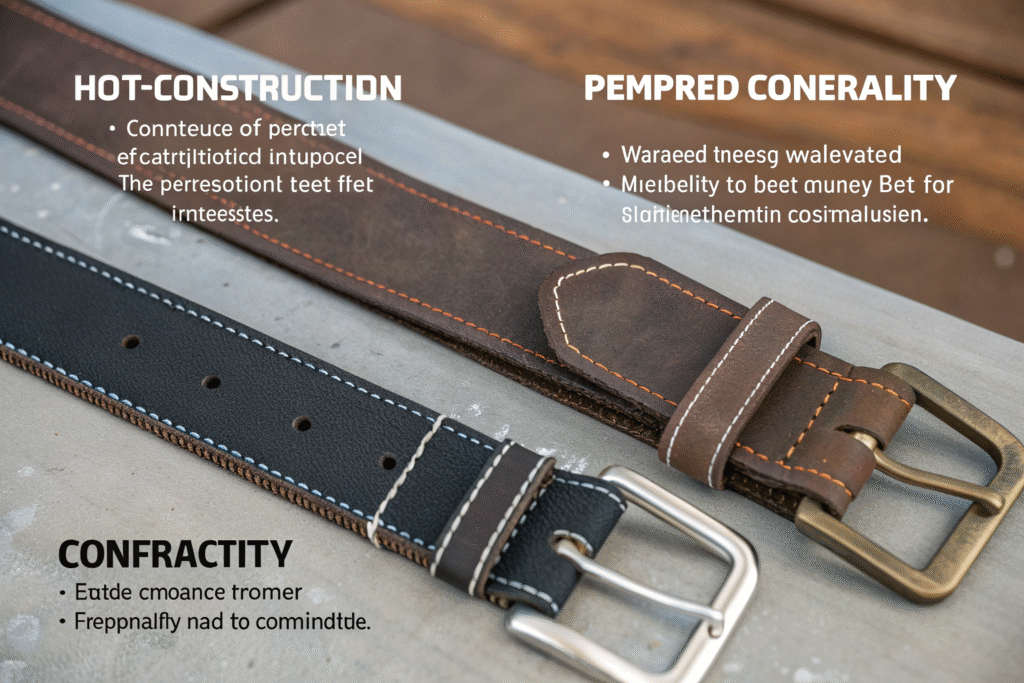
High humidity demands construction that prevents moisture trapping:
- Minimal Layer Construction: Reduces places for moisture to accumulate
- Breathable Stitching Patterns: Allows air circulation through stitch lines
- Mold-Resistant Threads: Synthetic threads that don't support biological growth
- Elevated Hardware: Prevents direct contact between metal and damp skin
These construction approaches are integrated into our humidity-optimized belts to prevent the layered separation and mold growth common in humid climates.
What Construction Succeeds in Variable Temperatures?
Regions with dramatic temperature swings need flexible construction:
- Expansion Joints: Allow for material contraction and expansion
- Flexible Adhesives: Maintain bonds across temperature ranges
- Temperature-Stable Stitching: Threads with minimal expansion/contraction
- Layered Insulation: Traps air for thermal regulation
This approach prevents the seam failures and delamination that occur when materials expand and contract at different rates.
How to Verify Climate Resilience Before Shipping?
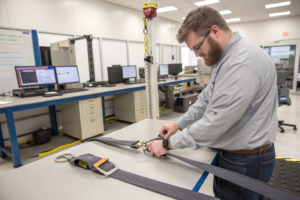
Climate-specific claims mean nothing without verification. Proper testing simulates destination conditions to identify failure points before products reach customers. This proactive approach prevents costly returns and reputation damage.
Effective testing goes beyond standard quality control to replicate the specific environmental stresses belts will face in their destination markets. This requires specialized equipment and protocols.
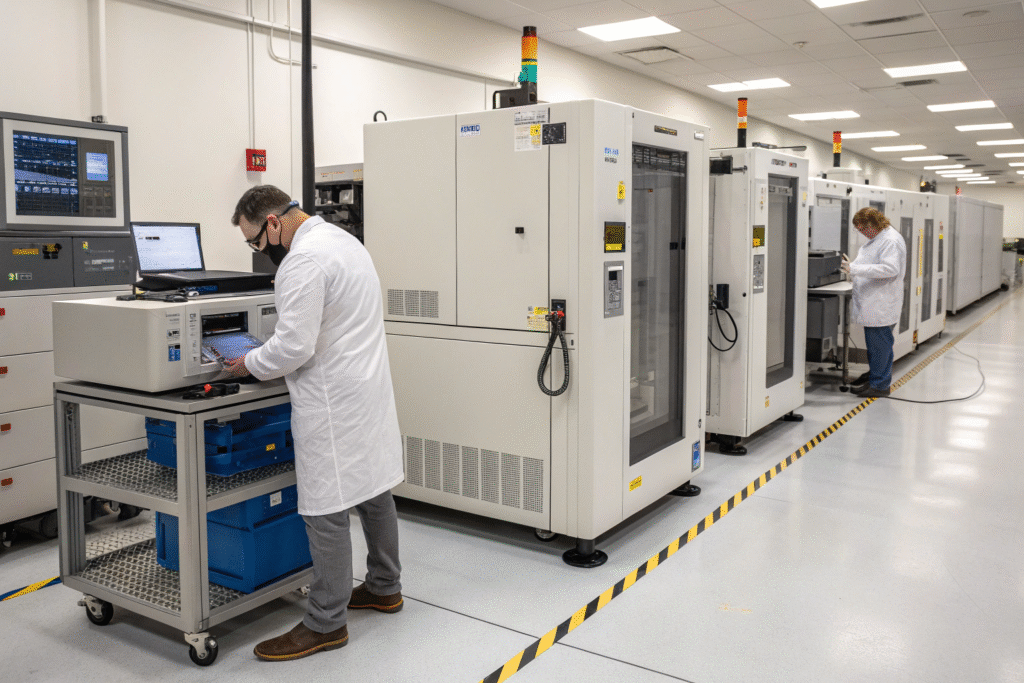
What Testing Protocols Verify Tropical Resilience?
Tropical testing should simulate real-world conditions:
- Humidity Cycling: Repeated exposure to 85-95% humidity
- Mold Resistance Testing: Inoculation with common tropical molds
- Salt Spray Testing: For coastal tropical environments
- UV Exposure Testing: Accelerated sunlight simulation
Our quality verification process includes 240-hour humidity chamber testing for all tropical-destined belts.
What Testing Ensures Arctic Performance?
Cold climate testing focuses on low-temperature functionality:
- Cold Flexibility Testing: Repeated flexing at -20°C to -40°C
- Thermal Shock Testing: Rapid temperature changes from indoor to outdoor conditions
- Impact Resistance at Low Temperatures: Measures material brittleness
- Hardware Function Testing: Ensures buckles operate in freezing conditions
These tests prevent the embarrassing failures that occur when standard belts encounter extreme cold for which they weren't designed.
Conclusion
Sourcing climate-specific belts for extreme weather requires a systematic approach: selecting base materials engineered for specific environmental challenges, applying specialized treatments that enhance natural material properties, using construction methods that accommodate climate stresses, and implementing rigorous testing that verifies performance under destination conditions. This comprehensive methodology transforms belt sourcing from a one-size-fits-all approach to a targeted solution that delivers reliable performance regardless of climate extremes. By understanding and addressing the unique demands of tropical, desert, arctic, and marine environments, you can provide customers with belts that not only survive but thrive in their specific conditions.
If you need assistance sourcing or developing climate-specific belts for your target markets, our factory has extensive experience creating weather-optimized accessories. Contact our Business Director, Elaine, at elaine@fumaoclothing.com to discuss developing belts engineered for your specific climate challenges.