Navigating international trade regulations while sourcing children's safety belts presents unique challenges for importers and retailers. The combination of stringent safety standards and complex tariff classifications creates a sourcing landscape where minor oversights can result in significant cost penalties or compliance issues. Many businesses struggle to balance safety compliance with cost efficiency in this highly regulated product category.
Sourcing tariff-exempt children's safety belts requires identifying products that qualify under specific HTS classifications for safety products, ensuring they meet mandatory safety certifications, and maintaining proper documentation to prove eligibility. The process involves strategic product classification, compliance verification, and supplier selection based on both manufacturing capability and regulatory expertise.
Understanding the intersection of product safety regulations and international trade law is essential for successful sourcing. This guide provides a comprehensive framework for identifying, verifying, and importing children's safety belts while legally minimizing import costs through proper tariff classification and exemption strategies.
What HTS Classifications Offer Tariff Exemptions for Safety Products?
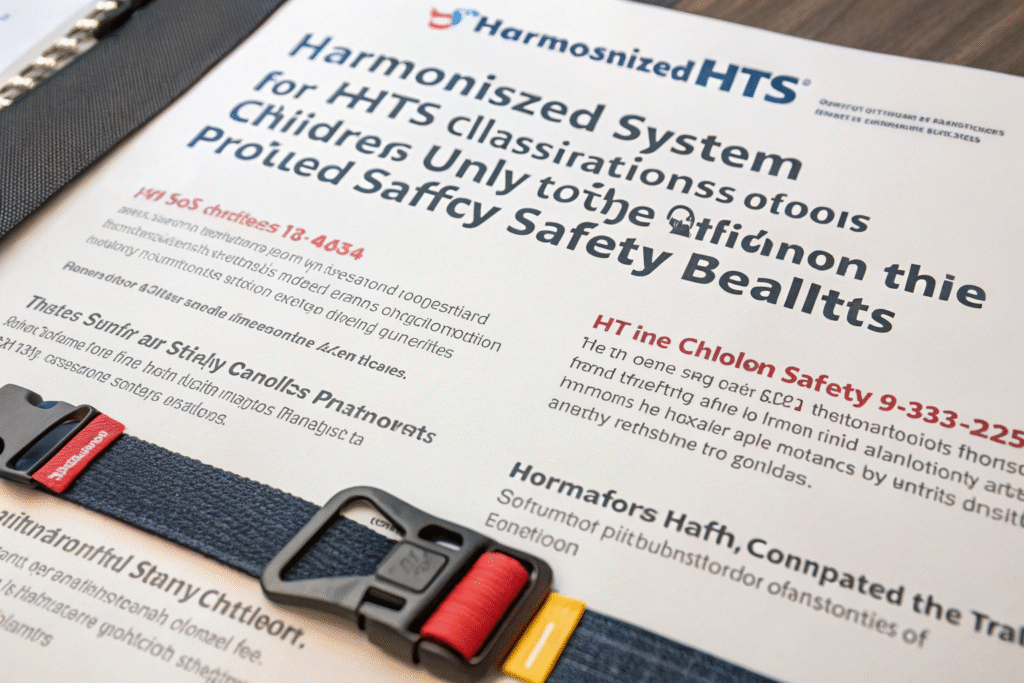
The Harmonized Tariff System (HTS) contains specific classifications for safety-related products that may qualify for reduced or eliminated import duties. Correct classification is the foundational step in accessing these potential cost savings, requiring precise understanding of both product design and regulatory categories.
Children's safety belts typically fall under HTS heading 6307 as "Other made up articles" or potentially under 3926 as "Articles for children's safety," depending on their specific design and materials. Certain safety products may qualify for duty-free treatment under various trade preference programs or specific exemption provisions for child safety items.
How Does Product Design Influence HTS Classification?
The specific features and intended use of children's safety belts dramatically impact their proper HTS classification. Products designed specifically for child passenger safety with integrated harness systems typically receive different classification than general-purpose children's belts. The presence of specialized safety features like quick-release buckles, adjustable harness points, or integrated reflective materials can shift classification to potentially duty-free categories.
What Documentation Proves Safety Product Eligibility?
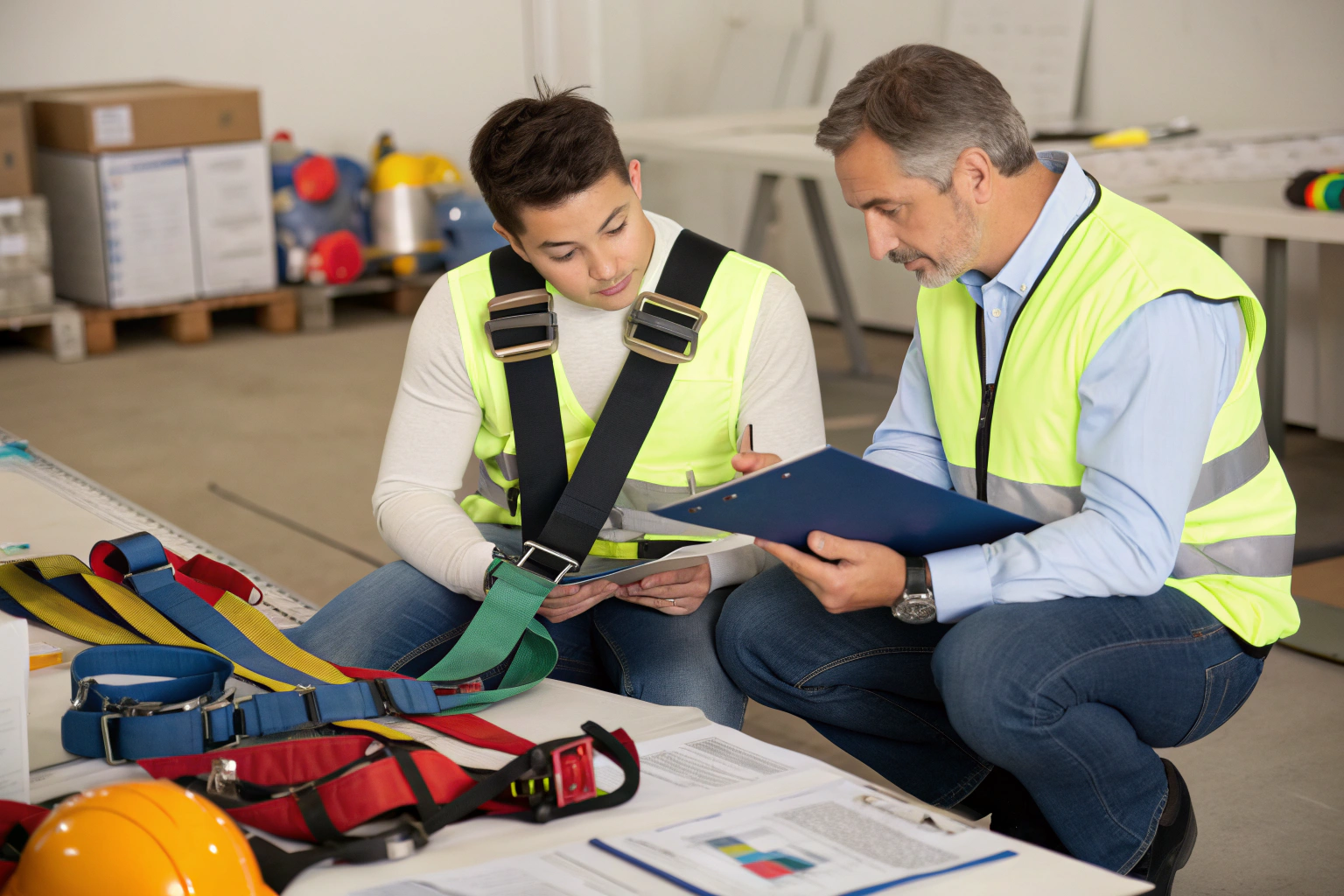
Importers must maintain comprehensive documentation demonstrating that products meet the specific criteria for safety product classifications. This includes product specifications detailing safety features, testing certifications from recognized laboratories, and detailed product descriptions that align with exemption criteria. Proper documentation creates the audit trail necessary to support tariff exemption claims during customs review.
Which Safety Certifications Are Mandatory for Children's Belts?
Children's products face significantly stricter safety regulations than general merchandise, with specific certification requirements that vary by target market. Understanding these mandatory certifications is essential for both compliance and tariff exemption eligibility.
In the United States, children's safety belts must comply with CPSIA (Consumer Product Safety Improvement Act) requirements, while the European Union requires CE marking with specific EN standards. These certifications not only ensure product safety but often serve as prerequisites for special tariff treatment as recognized safety products.

What CPSIA Requirements Apply to Children's Safety Belts?
The Consumer Product Safety Improvement Act mandates third-party testing for children's products, including lead content limits, phthalates restrictions, and tracking label requirements. For safety belts specifically, additional requirements regarding small parts, mechanical hazards, and flammability apply. Products meeting these standards may qualify for special classification as certified safety equipment.
How Do European EN Standards Impact Sourcing Decisions?
The European Union's EN 13210 standard specifically addresses children's harnesses, reins, and similar safety products, establishing requirements for design, strength, and safety. Manufacturers supplying the EU market must ensure compliance with these standards and maintain technical documentation supporting their CE marking. This certification often facilitates smoother customs clearance and may influence tariff classification.
How to Identify Manufacturers with Compliance Expertise?
Sourcing tariff-exempt children's safety belts requires suppliers who understand both manufacturing quality and regulatory compliance. General belt manufacturers often lack the specific expertise needed for certified children's safety products, making supplier selection a critical success factor.
Manufacturers with established experience producing certified children's safety products typically maintain in-house compliance teams, established testing relationships, and documented quality management systems. These capabilities significantly reduce the compliance risks and potential costs associated with improper classification or safety standard violations.

What Questions Reveal a Manufacturer's Compliance Capability?
When evaluating potential suppliers, ask specific questions about their experience with children's product regulations, testing laboratory relationships, and documentation processes. Inquire about previous shipments to your target markets and request examples of compliance documentation they've prepared for similar products. Their responses will reveal whether they possess the necessary expertise or are simply attempting to adapt general manufacturing to specialized safety products.
Why Does Factory Audit Focus Matter for Safety Products?
Standard factory audits often emphasize general quality control and production capabilities, but safety product manufacturers require audits focused specifically on regulatory compliance systems. This includes documentation control, material traceability, and testing validation processes. Suppliers with established compliance frameworks typically welcome these specialized audits as demonstrations of their capability.
| Certification | Governing Body | Key Requirements | Tariff Impact |
|---|---|---|---|
| CPSIA Compliance | US CPSC | Third-party testing, lead limits, tracking labels | Potential duty-free under safety provisions |
| CE Marking (EN 13210) | European Union | Strength testing, design safety, technical documentation | Streamlined clearance, possible preference |
| ISO 13210 | International Standards | General safety requirements, quality management | Enhanced credibility for exemption claims |
What Logistics Strategies Support Tariff Exemption Claims?
Proper documentation and shipping practices are essential for successfully claiming tariff exemptions at import. Even with perfectly classified and certified products, procedural errors can result in full duty assessment and customs delays.
Implementing comprehensive documentation practices, selecting experienced freight forwarders, and understanding country-specific import procedures creates a seamless process for legally minimizing import costs while maintaining full compliance.
How Does Proper Documentation Secure Tariff Exemptions?
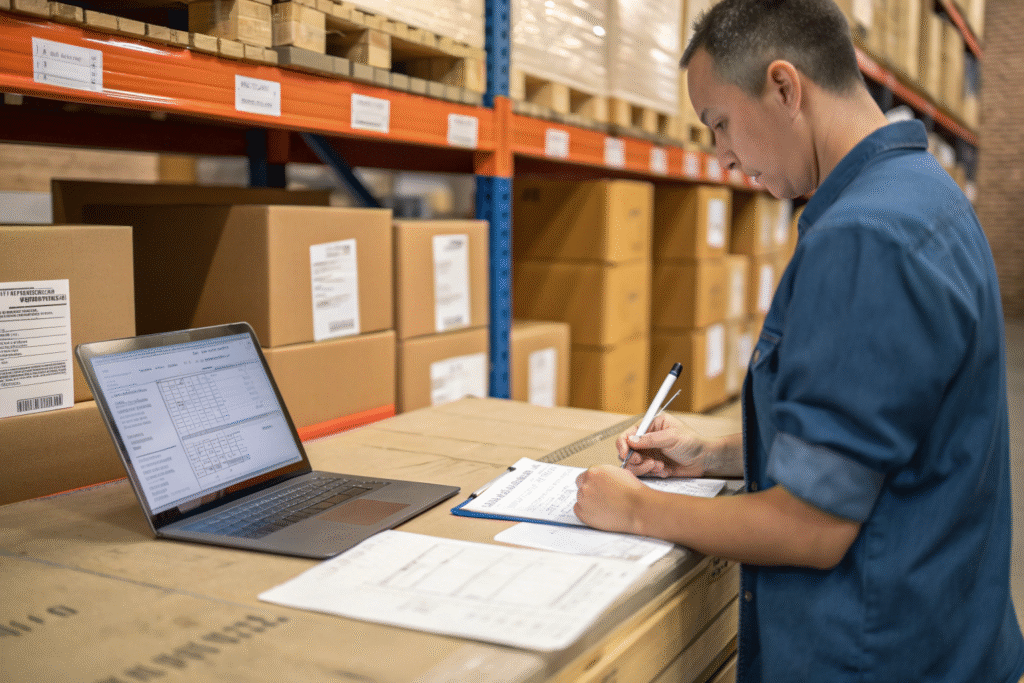
Customs authorities require specific documentation evidence to support tariff exemption claims, including certificates of compliance, detailed product descriptions, and manufacturer affidavits confirming safety features. Importers should maintain organized files with all supporting documentation readily accessible for customs review. Digital systems that link shipping documents with compliance certificates significantly streamline the verification process.
Why Do Experienced Freight Forwarders Matter for Specialty Products?
General freight forwarders may lack experience with the specific documentation requirements for tariff-exempt safety products. Specialized logistics providers familiar with children's products understand the precise documentation needs and classification nuances that prevent customs delays. Their expertise becomes particularly valuable when navigating multiple market regulations or when product classifications span ambiguous categories.
Conclusion
Sourcing tariff-exempt children's safety belts requires a systematic approach that integrates product classification, safety certification, manufacturer capability, and logistics expertise. By understanding the specific regulatory frameworks that govern both product safety and international trade, businesses can legally minimize import costs while ensuring full compliance. The process demands careful attention to documentation, supplier selection, and continuous compliance monitoring throughout the product lifecycle.
Ready to source compliant, tariff-optimized children's safety belts? At StylishBelts, we specialize in manufacturing certified children's safety products with full compliance documentation and optimized classification for cost-efficient importing. Contact our Business Director Elaine today at elaine@fumaoclothing.com to develop children's safety belt solutions that balance safety, quality, and cost efficiency.