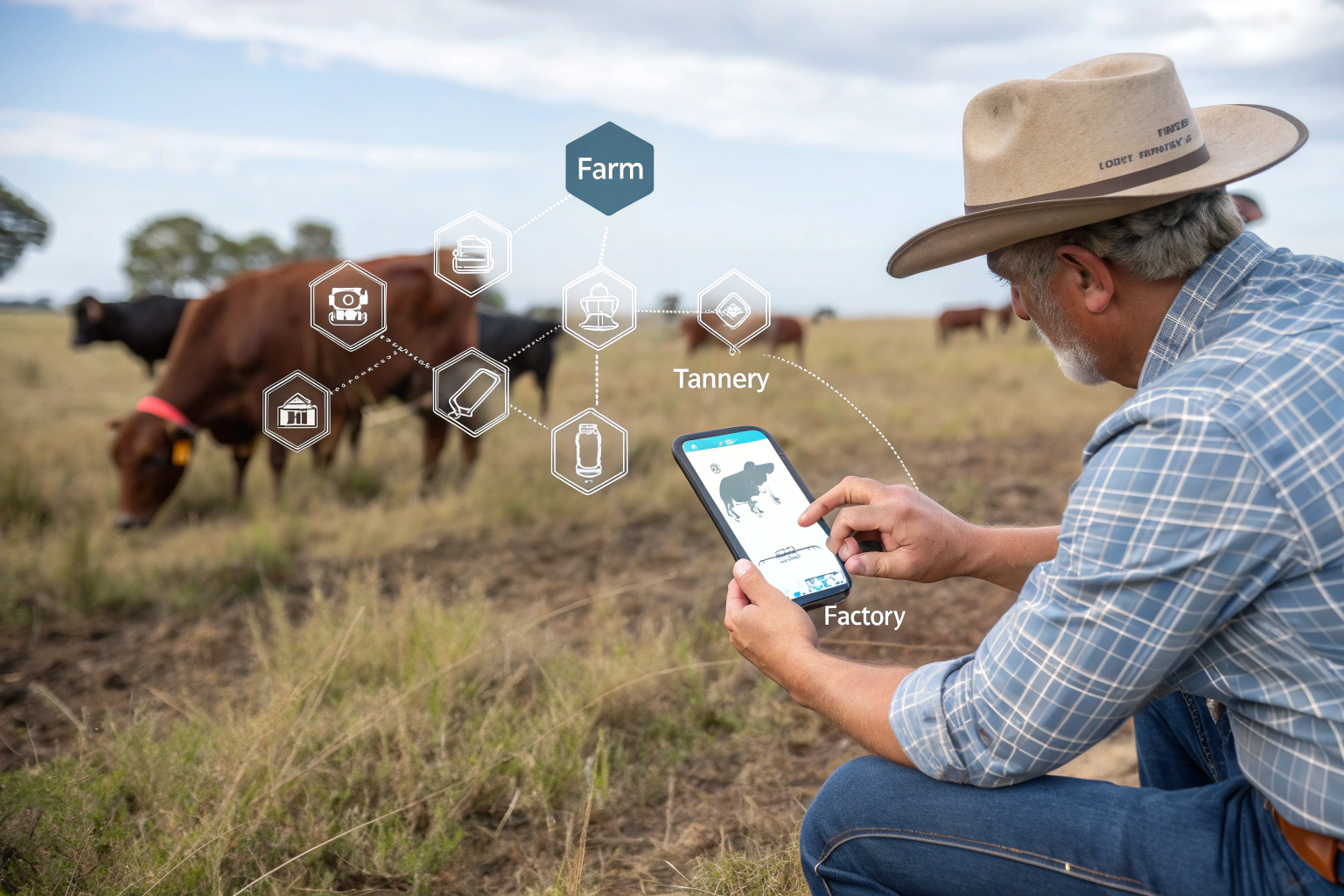
In an era where consumers and brands demand transparency like never before, the leather industry faces intense scrutiny over its environmental and ethical footprint. Simply claiming a belt is made from "sustainable leather" is no longer enough. Buyers want proof—proof of origin, ethical treatment of animals, responsible tanning, and a clean environmental record. This is where blockchain technology enters the scene, offering a revolutionary solution for immutable, transparent supply chains. But for a brand or importer, how can you practically verify that the blockchain record attached to your genuine leather belt is authentic and trustworthy, not just a marketing gimmick?
To verify blockchain traceability in leather, you must go beyond scanning a QR code. It requires active engagement with the digital record to check for specific, immutable data points: the origin farm with GPS and timestamp, animal welfare certifications linked to the lot, a documented chain of custody through each handler, verified tanning process details (chemicals, water usage), and independent audit seals. True verification means confirming that this data is stored on a public or permissioned blockchain, making it tamper-proof and accessible for audit.
This process transforms a leather belt from a simple accessory into a product with a transparent, verifiable biography. Let's dissect the steps to ensure the blockchain promise is a reality, not just a facade.
What data points should a transparent leather blockchain record?
A credible blockchain record is only as good as the data entered into it. "Garbage in, garbage out" applies perfectly here. A robust record should answer the fundamental questions of any conscientious buyer: Where did it come from? How was it produced? Who touched it?
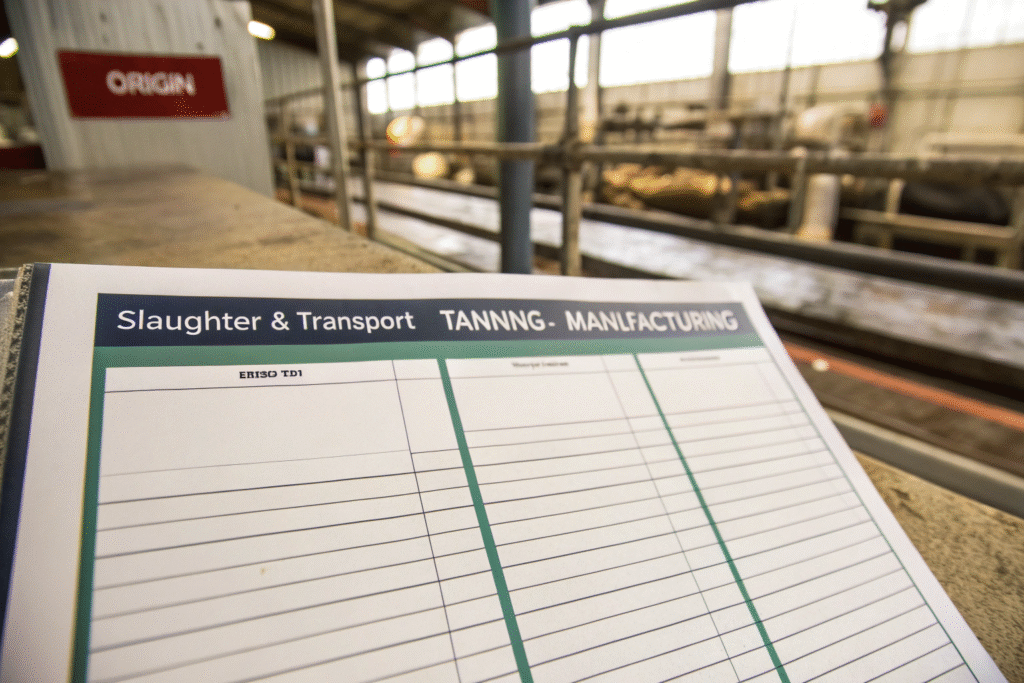
A transparent leather blockchain record must include immutable data points at each stage: 1) Origin: Farm location (with geotag), farm certification (e.g., Animal Welfare Approved), livestock ID/tag number, breed, and date of husbandry events. 2) Slaughter & Transport: Date, facility certification, and transport logs ensuring compliance with welfare during transit. 3) Tanning: Tannery name and location, date of receipt and processing, type of tanning used (vegetable, chrome, etc.), and environmental audit results for wastewater and chemical management. 4) Manufacturing: Timestamped transfer to the belt factory, batch numbers, and finally, a link to the finished product's unique ID (like a serial number).
Each of these entries, or "transactions," is cryptographically hashed and linked to the previous one, creating an unbreakable chain. The absence of any key stage should raise a red flag.
How are livestock identities linked to specific hides?
This is the foundational step. The system breaks down if a hide cannot be definitively traced back to a single animal and its life history. Modern solutions use a combination of physical and digital tagging.
- RFID Ear Tags: Radio Frequency Identification tags are applied to the animal at the farm. Each tag has a unique number that is scanned at every major event (vaccination, movement, slaughter). This number becomes the animal's digital passport ID on the blockchain.
- Hide Stamp/Punch: After slaughter, the hide is physically stamped or laser-marked with a code that corresponds to the animal's RFID number. This creates a physical-digital link that survives the tanning process.
- Batch Aggregation: For efficiency, hides from animals with identical welfare and origin credentials (e.g., from the same certified ranch on the same day) may be batched together under one blockchain "lot" ID. However, the system should allow drilling down to the ranch group level.
Verifying this link means checking that the blockchain record shows a specific ranch ID and date, not just a vague country of origin. Projects like the BeefLedger initiative demonstrate this concept in practice for the meat and leather industry.
Why is tannery environmental data a critical verification point?
The tanning stage is the most environmentally intensive part of leather production. A blockchain that traces a hide from an idyllic pasture but stops at the tannery gate is missing the most crucial chapter. Critical tannery data includes:
- Chemical Inventory: Proof of using restricted substance list (RSL)-compliant chemicals, particularly around chromium management.
- Water Usage & Treatment: Data on water consumption per hide and, most importantly, certificates showing wastewater is treated to meet international standards before discharge.
- Energy Source: Information on the use of renewable energy within the tannery.
When verifying, look for uploaded copies of audit certificates from recognized bodies like the Leather Working Group (LWG). Their gold/silver/bronze ratings are a globally recognized benchmark for environmental performance. A blockchain record that incorporates these LWG audit results directly provides powerful, third-party verified proof.
How to verify the authenticity of the blockchain itself?
Not all "blockchains" are created equal. Some so-called traceability systems are merely centralized databases with a QR code—easily manipulated and lacking true immutability. Your job is to distinguish between marketing buzzwords and genuine decentralized technology.
To verify the authenticity of the blockchain, you need to confirm it is a distributed ledger. Ask the provider: Is the data stored on a public blockchain (like Ethereum or VeChain) or a reputable, permissioned consortium blockchain? Request a "transaction hash" or "block explorer" link for a sample product. This allows you to independently view the data record on a public explorer website, seeing its timestamp and confirming it cannot be altered. Be wary of systems that offer no way for external verification.
The core value proposition of blockchain is trust through decentralization. If you must go back to the supplier to see the data, you're not verifying the blockchain; you're trusting the supplier's website.

What is the difference between a public and a permissioned blockchain?
Understanding this distinction is key to assessing the trust model.
- Public Blockchain: Data is recorded on a decentralized network like Ethereum or VeChain Thor. It is fully transparent and auditable by anyone with an internet connection. Once written, data cannot be changed without consensus from the entire network, which is practically impossible. This offers the highest level of credibility but may have associated transaction costs ("gas fees").
- Permissioned (Consortium) Blockchain: This is a private network operated by a group of pre-approved organizations (e.g., a consortium of brands, tanneries, and NGOs). It is more efficient and private but requires trust in the governing consortium. It is still tamper-resistant for participants, but external auditors may need permission to access the full ledger.
For leather traceability, reputable permissioned blockchains governed by industry groups can be very effective. The key is that the data is cryptographically secured and shared across multiple, independent parties, not held by one entity. Ask who the network validators are.
Can you independently audit a transaction on the ledger?
This is the ultimate test. A genuine blockchain system will provide you with a tool to do this.
- Obtain the Transaction ID/Hash: This is a long alphanumeric string unique to each data entry (e.g., "Hide received at Tannery X").
- Use a Block Explorer: Go to the relevant blockchain's explorer website (e.g., VeChain's Explorer, Ethereum's Etherscan).
- Paste the Hash: Search for the transaction ID. You should be able to see the data (or a cryptographic proof of it), the timestamp, and the wallet address that submitted it. The timestamp proves the data was recorded at a specific time and has not been modified since.
If the supplier cannot or will not provide you with a transaction hash for independent checking, their system likely lacks the fundamental transparency blockchain promises. It may be a "blockchain-washed" database.
What are the practical steps for a buyer to verify at point of purchase?
For a brand sourcing belts or a retailer stocking them, verification needs to be a practical, integrated part of the sourcing workflow. It shouldn't require a degree in cryptography.
Practical verification steps include: 1) Requesting full blockchain access or demo credentials from the leather supplier or belt manufacturer to explore the chain for a specific batch. 2) Physically selecting a sample belt, scanning its QR/NFC tag, and walking through the entire digital journey, cross-checking details against supplied documentation. 3) Verifying that the digital certificate's issuing authority (e.g., a sustainability certifier) is legitimate and their digital signature is valid on the chain. 4) Conducting periodic physical audits that sample and match physical batch markings with their digital twin on the blockchain.
Treat the blockchain as a dynamic, digital compliance file. Your due diligence process should include interacting with it directly.

How to cross-reference physical tags with digital records?
The physical product must be irrevocably linked to its digital record. This is typically done via:
- QR Code: Printed on a label or directly laser-etched onto the leather.
- NFC Chip: Embedded in a leather tag or the belt itself, tapable with a smartphone.
Verification Step: Scan the tag. The digital record should open, showing a unique product ID. Check that this ID matches the ID printed or encoded on the physical tag itself. Furthermore, the record should show the specific batch ID of the leather used. You should then be able to trace that batch ID back through tannery, slaughter, and farm records. Any discrepancy between the physical identifier and the digital record indicates a breakdown in the system.
What red flags indicate potential "blockchain-washing"?
Be vigilant for these warning signs:
- Vague or Poetic Data: Records that say "Sourced from the lush grasslands of Region X" instead of "Farm ID: BRZ-0452, Coordinates: -12.345, -45.678, Certified: Regenerative Organic."
- Missing Middle Stages: The record jumps from "farm" to "finished product," omitting the tannery—the most critical environmental and social risk point.
- No Independent Audit Nodes: The entire system is owned and operated by the supplier company alone, with no independent validators (NGOs, certifiers) participating in the network.
- Static PDFs: The "blockchain" simply links to downloadable PDF certificates, which are easily forged and not immutable.
- Refusal to Provide Transaction Hashes: As mentioned, this denies you the ability to independently verify the integrity of the ledger.
"Blockchain-washing" is the practice of using the term for marketing without the underlying technology. Diligent verification exposes it.
Conclusion
Verifying blockchain traceability in leather is an active, multi-layered process that moves from inspecting digital data points to understanding the underlying technology's architecture. It empowers buyers to demand and validate true transparency, transforming ethical and environmental claims from marketing statements into auditable facts. For brands, this isn't just about risk mitigation; it's about building a powerful story of provenance that resonates with conscious consumers and provides a tangible competitive edge.
Successfully leveraging this technology requires partnership with suppliers who are committed to genuine transparency, not just its appearance. As a factory invested in the future of responsible manufacturing, we are exploring integrations with credible traceability platforms to offer our clients verifiable peace of mind. If you are looking to source belts with authentic, blockchain-verified leather traceability, we can guide you through the technical and practical requirements. For a detailed discussion, contact our Business Director, Elaine, at elaine@fumaoclothing.com. Let's build a supply chain you can see, trust, and proudly share.