The European Union maintains the world's most stringent chemical regulations for consumer products, creating significant compliance challenges for belt importers. With REACH, RoHS, and other chemical restrictions constantly evolving, importers face substantial financial risks including product recalls, customs rejections, and legal penalties for non-compliance. The complexity of global supply chains further complicates verification processes.
Verifying chemical compliance for EU belt imports requires systematic testing, comprehensive documentation, supply chain transparency, and ongoing monitoring of regulatory updates. This process involves understanding multiple EU regulations, implementing robust testing protocols, maintaining proper documentation, and establishing supplier accountability systems to ensure every component meets EU chemical safety standards.
Navigating EU chemical regulations demands both technical knowledge and systematic processes. This guide provides a comprehensive framework for establishing and maintaining compliance throughout your belt import operations.
What EU Regulations Govern Belt Chemical Compliance?
Multiple overlapping EU regulations establish chemical requirements for belts and fashion accessories. Understanding this regulatory landscape is the essential first step in developing effective compliance verification systems.
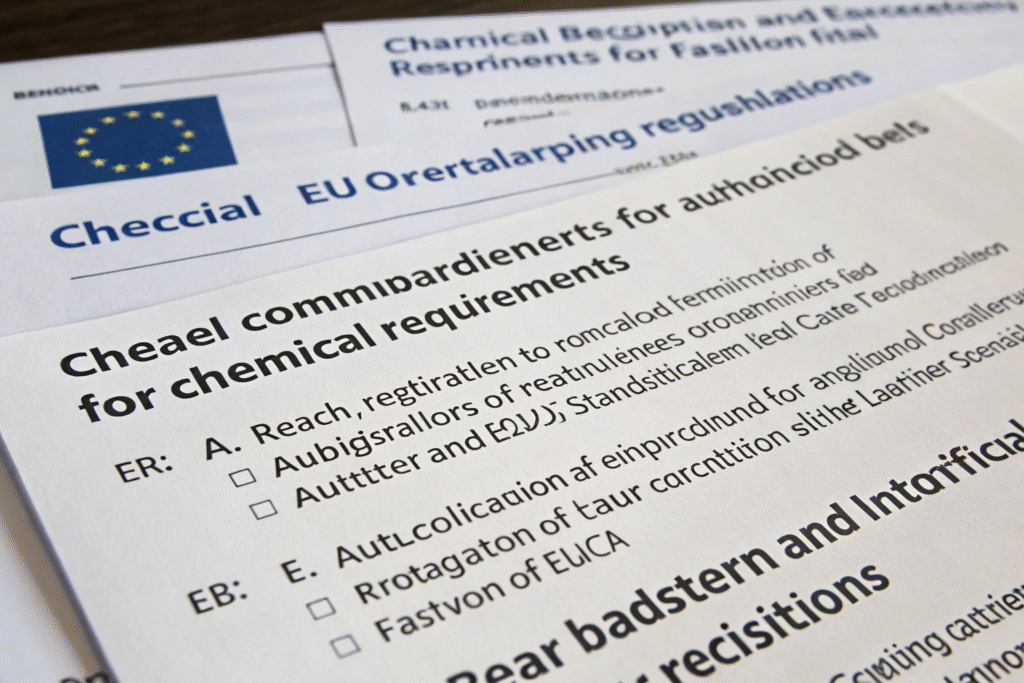
REACH (Registration, Evaluation, Authorisation and Restriction of Chemicals), RoHS (Restriction of Hazardous Substances), and the EU Leather Standard form the core regulatory framework for belt imports. Each regulation addresses different substance categories and carries distinct compliance requirements.
How Does REACH Regulation Impact Belt Components?
The REACH regulation (EC 1907/2006) restricts numerous substances commonly used in belt manufacturing, including specific heavy metals, phthalates, and aromatic amines. For belts, this affects leather tanning chemicals, dye formulations, metal buckle coatings, and plastic components. The regulation's Annex XVII contains over 70 entries with specific restrictions that apply to consumer products, including many fashion accessories.
What Are the Specific Requirements Under EU Leather Standards?
The EU Leather Standard (EN 15987:2015) specifically addresses leather goods and establishes requirements for chromium VI, PCP, and other substances used in leather processing. For belt importers, this means verifying that leather components meet the standard's stringent limits through appropriate testing and supplier certifications. The standard also requires documentation of tanning processes and chemical treatments used in production.
What Testing Protocols Ensure Comprehensive Compliance?
Relying on supplier assurances without independent verification creates significant compliance risks. Establishing systematic testing protocols provides objective evidence of compliance and identifies potential issues before products reach EU borders.
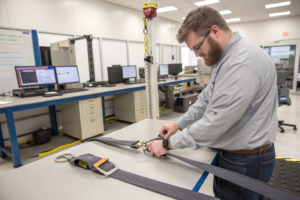
Laboratory testing, supplier audits, and material verification form a three-tiered approach to compliance assurance. Each element addresses different aspects of chemical safety while providing documented evidence for customs authorities.

Which Laboratory Tests Are Essential for Belt Compliance?
Comprehensive belt testing should include analysis for restricted substances under REACH Annex XVII, including:
- Phthalates in PVC and plastic components
- Azo dyes in textile and leather parts
- Nickel release from metal buckles and fittings
- Polycyclic Aromatic Hydrocarbons (PAHs) in rubber and plastic
- Formaldehyde in treated fabrics
Testing should be conducted by ISO 17025 accredited laboratories using recognized EU test methods.
How Often Should Compliance Testing Be Repeated?
Chemical compliance requires ongoing verification rather than one-time testing. Factors determining testing frequency include:
- Material source changes
- Supplier process modifications
- Regulatory updates adding new restrictions
- Production volume and batch variations
Most importers establish quarterly or semi-annual testing schedules, with additional testing triggered by any supply chain changes.
What Documentation Systems Support Compliance Verification?
Proper documentation provides the evidence necessary to demonstrate compliance to customs authorities and market surveillance agencies. Incomplete or inconsistent documentation represents one of the most common reasons for import delays and rejections.
A comprehensive documentation system includes test reports, declarations of conformity, material safety data sheets, and supply chain tracking. These documents collectively create an audit trail proving due diligence in compliance management.

What Should a Declaration of Conformity Include?
A proper EU Declaration of Conformity for belts should contain:
- Manufacturer and importer identification
- Product description and identification numbers
- Applicable EU regulations and standards
- Reference to supporting test reports
- Authorized signature and date
This document serves as the primary compliance statement for customs clearance and must be readily available for inspection.
How Can Supply Chain Mapping Improve Compliance Assurance?
Creating detailed supply chain maps identifying all component sources enables targeted testing and accountability. For belts, this means documenting:
- Leather or material tanneries
- Metal buckle manufacturers
- Dye and chemical suppliers
- Assembly facilities
This transparency allows for specific testing of high-risk components and quicker resolution of compliance issues when they arise.
What Risk Management Strategies Prevent Compliance Failures?
Proactive compliance management significantly reduces the risks of customs rejections, product recalls, and legal penalties. Effective strategies address both regulatory requirements and practical operational challenges.
Supplier qualification, component pre-approval, and regulatory monitoring form the foundation of effective compliance risk management. These approaches prevent problems rather than simply detecting them after production.

How Does Supplier Qualification Reduce Compliance Risks?
Implementing a formal supplier qualification process ensures partners understand and can meet EU chemical requirements. Key elements include:
- Review of supplier chemical management systems
- Verification of testing capabilities and certifications
- Assessment of material traceability systems
- Evaluation of change management procedures
Qualified suppliers demonstrate consistent compliance and respond effectively to regulatory updates.
What Role Does Regulatory Monitoring Play in Compliance?
The EU frequently updates its chemical restrictions and testing requirements. Establishing systematic monitoring processes ensures importers remain current with:
- New substance restrictions in REACH Annex XVII
- Updated testing methods and limits
- Emerging substance concerns (SVHC candidates)
- Member state enforcement priorities
This proactive approach prevents surprises and allows for gradual compliance adjustments rather than emergency responses.
| Compliance Element | Verification Method | Documentation Required |
|---|---|---|
| REACH Annex XVII | Laboratory testing | Test reports from accredited labs |
| SVHC Candidate List | Supplier declarations | Compliance certificates with SVHC statements |
| Leather Standards | Material-specific testing | Leather compliance certificates |
| Metal Components | Nickel release testing | Metal part compliance documentation |
Conclusion
Verifying chemical compliance for EU belt imports requires a systematic, documented approach that addresses multiple regulations through testing, supplier management, and ongoing monitoring. By implementing robust verification processes and maintaining comprehensive documentation, importers can navigate EU chemical regulations confidently while minimizing compliance risks. The investment in thorough compliance systems pays dividends through smoother customs clearance, reduced recall risks, and maintained market access.
Ready to ensure your belt imports fully comply with EU chemical regulations? At StylishBelts, we maintain comprehensive chemical compliance systems and documentation for all our EU-bound products. Contact our Business Director Elaine today at elaine@fumaoclothing.com to discuss how our compliance expertise can streamline your EU import processes.