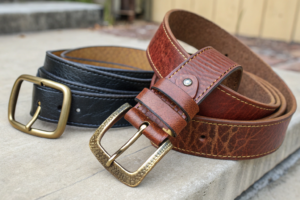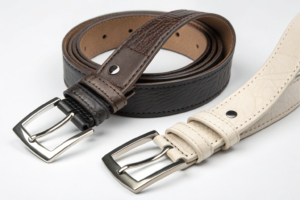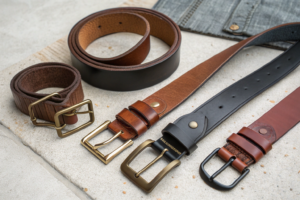
Color transfer from leather belts can ruin clothing, damage brand reputations, and lead to costly returns. Many importers and retailers struggle with inconsistent dye quality that only reveals itself after customer complaints.
Verifying colorfastness in dyed leather belts requires implementing standardized rub tests, crockmeter testing, perspiration resistance checks, and lightfastness assessments. These methods simulate real-world conditions to ensure dyes remain stable during wear, preventing color transfer and fading issues.
Proper colorfastness verification protects your brand and ensures customer satisfaction. Here's a comprehensive guide to testing methods that guarantee your leather belts maintain their color integrity.
What Are the Standard Rub Test Methods?
Rub testing provides the first line of defense against color transfer issues. These simple yet effective methods simulate the friction that occurs during normal wear.
The dry and wet rub tests are essential quality control procedures that can be performed both in factories and receiving warehouses. They immediately reveal potential color transfer problems before products reach consumers.
How to Perform a Dry Rub Test Correctly?
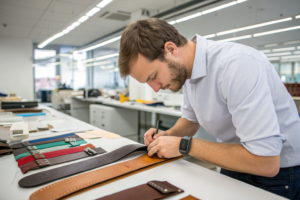
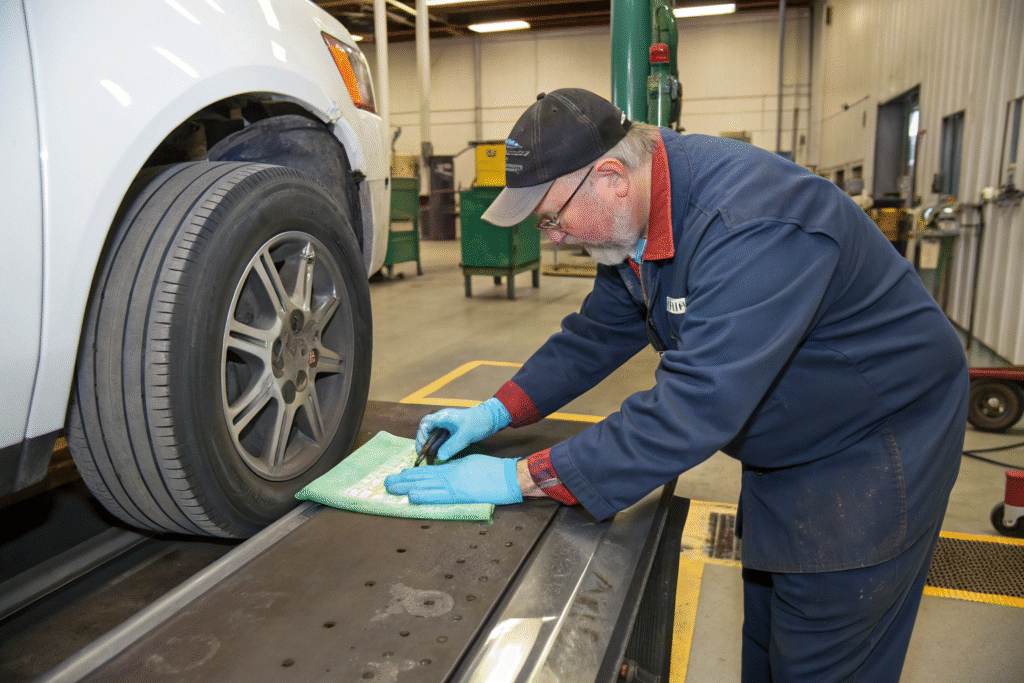
The dry rub test involves taking a white cotton cloth and rubbing it firmly back and forth on the leather surface 10-20 times. Apply consistent pressure—approximately 1-2 pounds—and check the cloth for color transfer. High-quality dyed leather should show minimal to no color on the cloth. This test is particularly important for dark-colored belts like black and navy, which often use stronger dyes that may not be fully fixed during processing.
When is Wet Rub Testing Necessary?
Wet rub testing follows the same procedure but uses a damp white cloth, simulating contact with rain or sweat. This test is crucial because moisture can activate unstable dyes that appear fine under dry conditions. Pay special attention to vegetable-tanned leather and brightly colored belts, as these are more prone to color bleeding when wet. The test should be part of your standard quality control protocol for all belt shipments.
How to Use Crockmeter Testing for Accuracy?
For objective, standardized results, crockmeter testing provides measurable data that eliminates human error from manual rub testing.
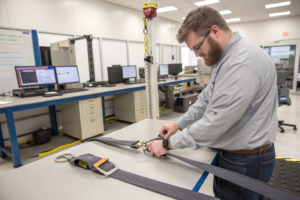
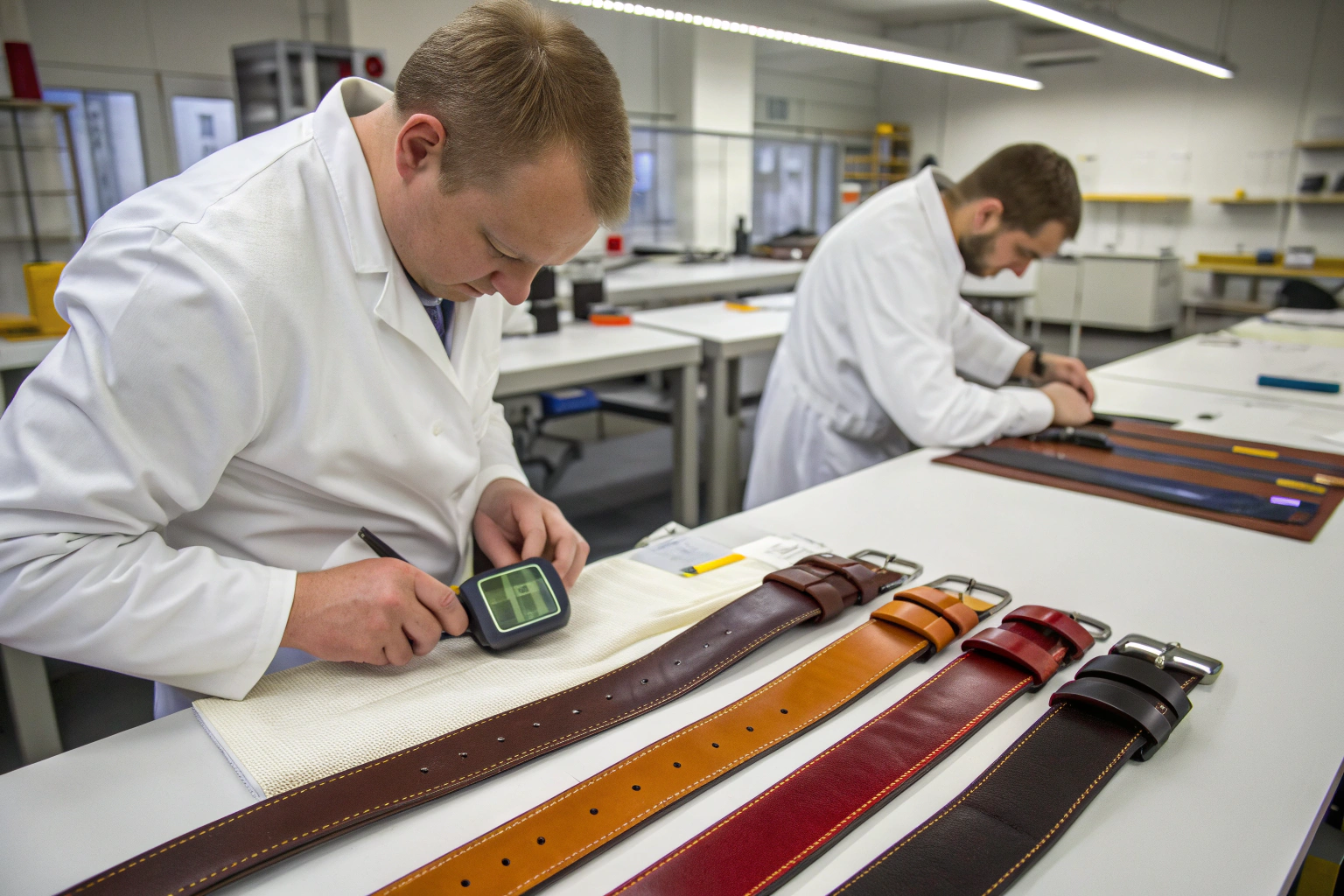
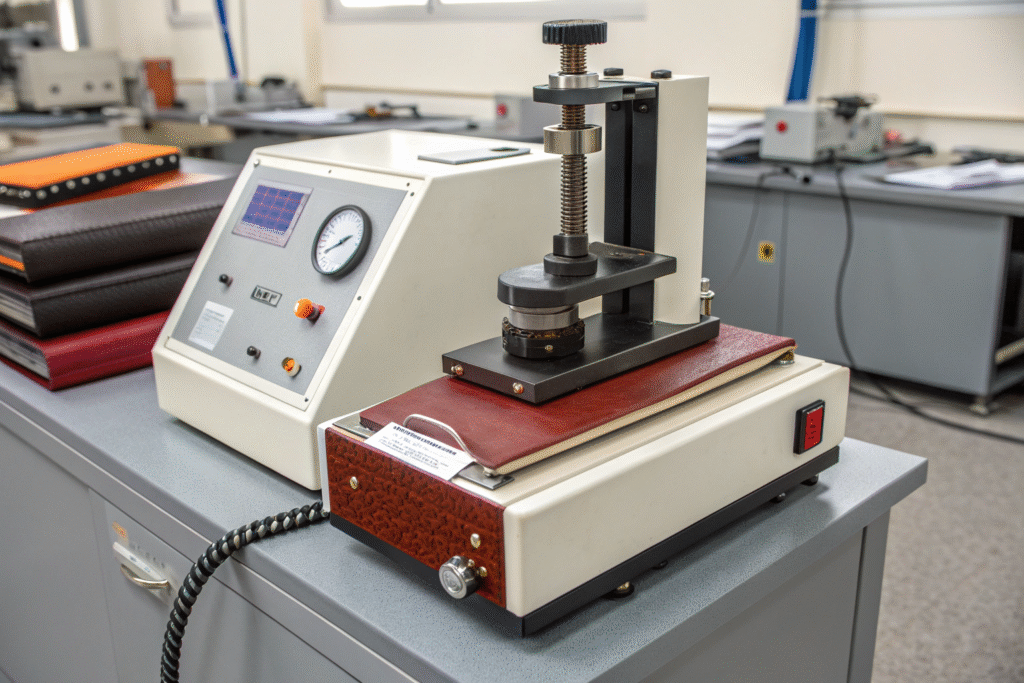
A crockmeter is a specialized device that applies consistent pressure and motion during colorfastness testing. This laboratory equipment ensures reproducible results that meet international testing standards for textile and leather products.
What Are the ASTM Standards for Crockmeter Testing?
The ASTM D5053 standard specifies the proper procedure for leather colorfastness testing using a crockmeter. The test involves mounting a white test cloth on the device's finger, which then moves in a straight path under controlled pressure (9 Newtons) for a specific number of cycles (10-20). The transferred color is then evaluated using the AATCC Chromatic Transference Scale, where grade 5 indicates no transfer and grade 1 represents severe transfer.
How to Interpret Crockmeter Test Results?
Understanding crockmeter results requires comparing the tested cloth against standardized grayscale charts. For most leather accessories, a rating of 4-5 on both dry and wet tests indicates acceptable colorfastness. Belts rated 3 or below will likely cause color transfer issues during normal use. Document these results as part of your supplier quality records, especially when working with fashion belts that use vibrant or unconventional dye colors.
What Environmental Factors Affect Color Stability?
Real-world conditions like sweat, light, and cleaning agents can compromise dye stability. Testing for these factors ensures belts maintain appearance throughout their lifespan.
Environmental testing goes beyond basic rub tests to simulate how belts perform during actual use. These tests are particularly important for products positioned as premium or durable goods.
| Environmental Factor | Test Method | Acceptance Criteria |
|---|---|---|
| Perspiration | Artificial sweat solution application | No color change or transfer |
| Light Exposure | Xenon arc testing per ISO 105-B02 | Minimum 40 hours without fading |
| Dry Cleaning | Perchloroethylene immersion | No color loss or bleeding |
| Water Resistance | Water droplet test | No immediate color bleeding |

Why Test Perspiration Resistance?
Perspiration resistance testing is crucial for belts that contact skin directly. Artificial sweat solutions—both acidic and alkaline—are applied to leather samples, which are then placed under pressure and examined for color transfer. This test is especially relevant for casual belts worn in warm climates and athletic situations. Failure here often indicates poor dye fixation during manufacturing, requiring supplier process improvement.
How Does Lightfastness Testing Prevent Fading?
Lightfastness testing exposes leather samples to intense simulated sunlight using xenon arc lamps. This accelerated aging test predicts how colors will withstand long-term exposure to light. Belts displayed in well-lit retail environments or worn frequently outdoors require good lightfastness ratings. This is particularly important for brightly colored fashion belts and products marketed as fade-resistant, ensuring they maintain their visual appeal over time.
How to Implement Supplier Quality Assurance?
Establishing clear colorfastness requirements with manufacturers prevents problems before production begins. Effective supplier management ensures consistent quality across multiple orders.
Your quality assurance program should include predefined testing protocols, acceptable performance standards, and documentation requirements. This systematic approach creates accountability throughout your supply chain.

What Should Your Technical Pack Include?
Your technical package must specify colorfastness requirements clearly. Include minimum crockmeter ratings (typically 4.0+ for dry, 3.5+ for wet), required test methods (ASTM or ISO standards), and sampling frequency. For genuine leather belts, specify that testing should occur on finished products rather than raw materials, as finishing processes affect color fastness. This documentation becomes your quality benchmark during factory audits and product inspections.
How to Conduct Pre-Shipment Color Verification?
Implement pre-shipment inspections that include random colorfastness testing from each production batch. Third-party inspection services can perform these tests objectively, providing unbiased data before payment release. For high-risk products like dark dyed leather or innovative colors, increase testing frequency and severity. Maintain a supplier scorecard tracking colorfastness performance over time, using this data to qualify preferred manufacturers for future orders.
Conclusion
Comprehensive colorfastness verification protects your investment and brand reputation by ensuring dyed leather belts maintain their color integrity throughout their lifespan. Implementing standardized testing protocols, understanding environmental factors, and establishing clear supplier requirements creates a robust quality system that prevents color transfer issues before they reach customers.
Ensure your leather belts meet the highest colorfastness standards by partnering with a manufacturer committed to rigorous quality control. At StylishBelts, we implement comprehensive color testing for every production batch, guaranteeing products that protect your customers' clothing and your brand's reputation. Contact our Business Director, Elaine, to discuss your quality requirements: elaine@fumaoclothing.com.