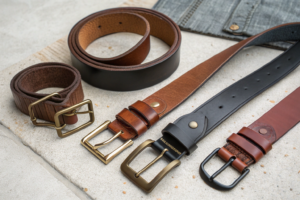
Consumers and brands are increasingly concerned about leather origins. Unethical sourcing can damage your reputation and sales. You need a transparent supply chain that aligns with modern values. We understand this challenge and have implemented strict verification processes.
Verifying ethical leather sourcing requires a multi-step approach: supplier audits for animal welfare and environmental practices, traceability systems like blockchain, and recognized certifications from groups like the Leather Working Group. These measures ensure leather comes from responsible sources, not from controversial origins like deforestation zones or farms with poor animal welfare standards.
In this article, we will explore practical methods to verify ethical leather sourcing. We will cover how to conduct proper supplier audits, implement effective traceability systems, understand relevant certifications, and build long-term ethical partnerships. By the end, you will have a clear framework for ensuring your leather meets ethical standards.
How to Conduct Effective Supplier Audits?
Supplier audits are your first line of defense against unethical practices. Without proper audits, you risk associating with suppliers who violate environmental or labor standards. Regular, thorough audits ensure compliance and build trust.
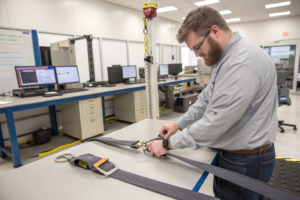
Effective supplier audits combine scheduled inspections with unannounced visits, covering environmental compliance, labor practices, and animal welfare documentation. These audits should verify wastewater treatment, chemical management, and worker safety protocols. They must also trace leather back to slaughterhouses to ensure humane treatment. Comprehensive audits protect your brand and provide evidence of your ethical commitments to consumers and regulators.

What documentation proves ethical animal sourcing?
Legal slaughterhouse certifications and animal welfare certificates are crucial. Documentation must show leather does not come from endangered species or regions with illegal deforestation. Suppliers should provide traceability records linking hides to specific farms or regions. Transport documents and veterinary health certificates further verify ethical treatment. These documents form a paper trail that auditors can cross-reference to confirm compliance with international standards and your company's ethical sourcing policy.
How do you verify environmental compliance in tanneries?
Verify environmental compliance through wastewater discharge reports, chemical usage logs, and environmental management system certifications. Tanneries should have proper water treatment facilities and valid operating permits. Check for certifications like the Leather Working Group rating, which assesses environmental performance. Review their hazardous material handling procedures and waste disposal records. Physical inspection of treatment facilities and interviews with environmental managers provide additional verification of their compliance with local and international environmental regulations.
Why is Supply Chain Traceability Crucial?
Traceability transforms ethical claims from marketing statements to verifiable facts. Without traceability, you cannot confidently assert your leather's origins or environmental impact. Complete visibility prevents unethical materials from entering your supply chain.
Supply chain traceability is crucial because it provides documented evidence of leather origins, processing methods, and transportation routes. This transparency allows brands to verify animal welfare standards, ensure compliance with international regulations, and communicate authentic sustainability stories to consumers. Advanced traceability systems also help identify inefficiencies and potential risks within the supply chain, enabling proactive management and continuous improvement of ethical standards.
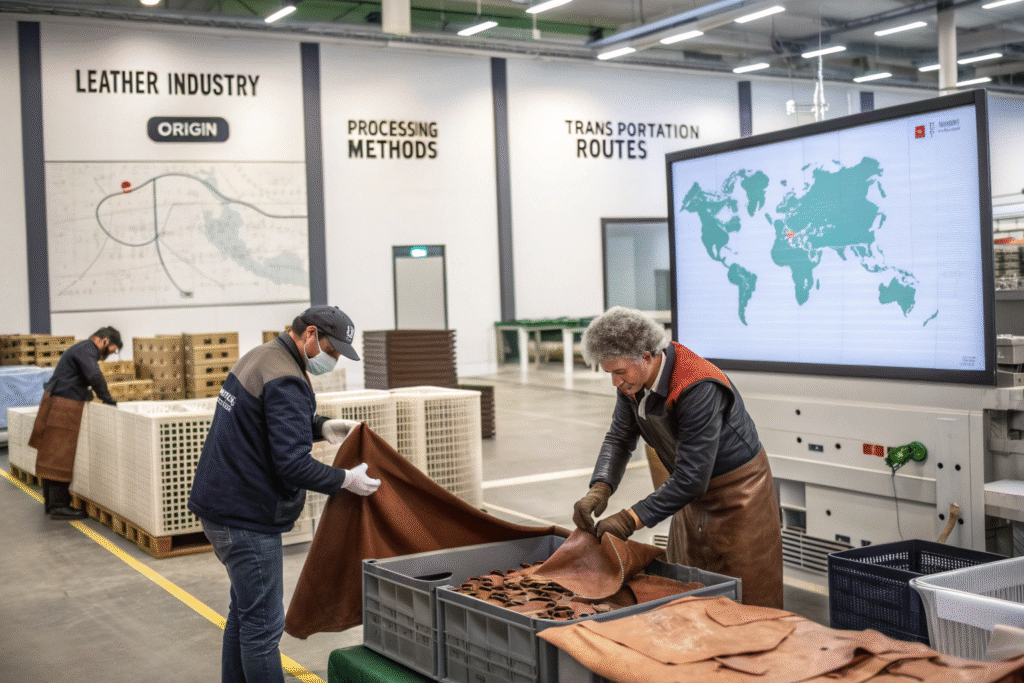
Can blockchain technology improve leather tracing?
Blockchain technology significantly enhances leather tracing by creating an immutable, transparent record of each hide's journey from farm to finished product. This distributed ledger technology prevents data tampering and provides all supply chain partners with access to verified information about origins, processing stages, and certifications. Several major luxury brands now use blockchain platforms to track their leather goods, providing consumers with definitive proof of ethical sourcing while streamlining compliance reporting across complex global supply chains.
What are the limitations of current traceability systems?
Current traceability systems face challenges with small farm integration, cost implementation, and data standardization across different regions. Many systems struggle to track leather from mixed sources when hides from multiple farms are processed together. The high cost of sophisticated tracking technology can be prohibitive for smaller suppliers. Additionally, varying documentation standards and regulations between countries create gaps in traceability records that can be difficult to bridge without universal standards and cooperation among all supply chain participants.
Which Certifications Guarantee Ethical Leather?
Certifications provide independent verification of ethical claims. Without recognized certifications, you rely solely on supplier promises, which may not reflect actual practices. Third-party certifications offer credible assurance to your customers.
Certifications from the Leather Working Group, OEKO-TEX, and SA8000 provide comprehensive verification of environmental standards, chemical safety, and social responsibility. These certifications require regular audits and continuous improvement. They cover different aspects of ethical production, from tannery environmental management to worker welfare. While no single certification covers all ethical aspects, a combination of these credentials demonstrates a supplier's commitment to responsible practices across environmental, social, and animal welfare dimensions.
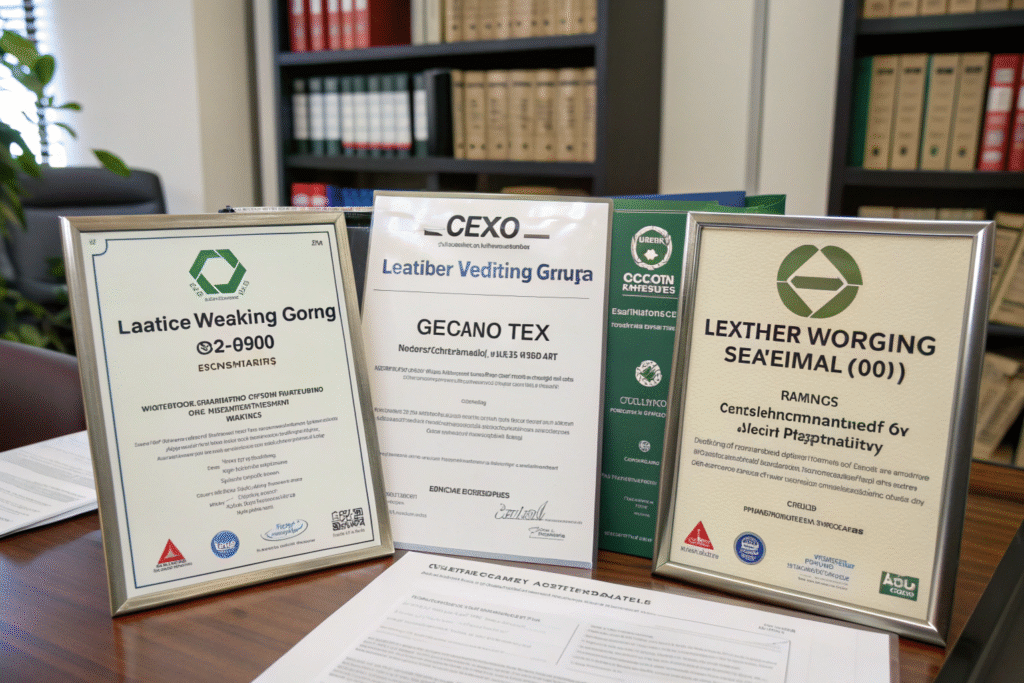
How does Leather Working Group certification work?
The Leather Working Group certification involves a detailed audit protocol that assesses tannery performance across environmental compliance, chemical management, and traceability. Auditors evaluate water usage, energy consumption, waste management, and air emissions. The certification uses a medal rating system (Gold, Silver, Bronze) based on audit scores, with requirements for annual reporting and re-audits every three years. This internationally recognized standard specifically focuses on environmental manufacturing practices within the leather industry, providing brands with verified evidence of sustainable production methods.
What is the difference between vegan and ethical leather certifications?
Vegan leather certifications focus solely on material composition, verifying the absence of animal products through standards like PETA-Approved Vegan. These certifications don't address environmental impact or labor conditions. Ethical leather certifications like LWG focus on environmental responsibility, traceability, and sometimes social accountability while acknowledging the use of animal hides. The key distinction is that vegan certifications avoid animal use entirely, while ethical leather certifications aim to ensure animal-derived materials are sourced responsibly with minimal environmental impact.
How to Build Long-Term Ethical Partnerships?
Long-term partnerships create shared value and improve ethical standards over time. Transactional relationships discourage investment in sustainability, while committed partnerships enable continuous improvement and innovation in ethical practices.
Building long-term ethical partnerships requires transparent communication, shared value creation, and joint investment in sustainability initiatives. This approach involves fair pricing that enables suppliers to maintain ethical standards, collaborative problem-solving when issues arise, and mutual commitment to long-term goals rather than short-term cost savings. Successful partnerships include regular performance reviews, continuous improvement plans, and knowledge sharing about best practices in ethical sourcing and manufacturing processes.

What metrics track ethical performance over time?
Key metrics for tracking ethical performance include audit scores, certification maintenance rates, environmental impact data (water usage, carbon emissions), worker turnover rates, and supply chain transparency percentages. Regular assessment of these metrics through standardized reporting frameworks like the Sustainable Development Goals indicators provides objective evidence of improvement or identifies areas needing attention. These measurable outcomes replace vague promises with concrete data, enabling both partners to demonstrate tangible progress toward their shared ethical objectives.
How does ethical sourcing impact product quality?
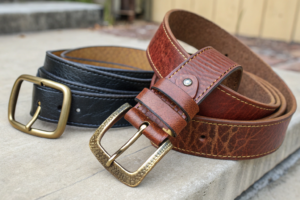
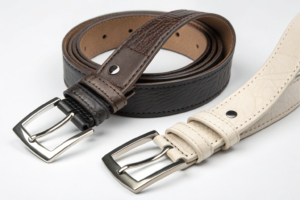
Ethical sourcing directly enhances product quality through better raw material selection, improved manufacturing processes, and greater worker engagement. Ethically sourced leather typically comes from healthier animals raised in better conditions, resulting in fewer hide defects and more consistent quality. Tanneries with strong environmental controls often produce more uniform leather with predictable performance characteristics. Additionally, facilities with ethical labor practices experience lower employee turnover, leading to more skilled craftsmanship and attention to detail in finished products like belts and accessories.
Conclusion
Verifying ethical leather sourcing requires diligence across multiple fronts: rigorous audits, transparent traceability, recognized certifications, and committed partnerships. Implementing these practices protects your brand reputation and meets growing consumer demand for responsible products. Ethical verification is no longer optional but essential for sustainable business success.
If you are looking for a belt manufacturer committed to ethical leather sourcing and transparent supply chains, we invite you to contact our Business Director, Elaine. She can provide detailed information about our sourcing policies and certification compliance. Reach out to Elaine at elaine@fumaoclothing.com to discuss how Shanghai Fumao can be your trusted partner for ethically produced belts.