In an industry historically shadowed by concerns over environmental damage and exploitative labor practices, the "Fair Trade" label on leather goods promises a more ethical path. For conscious brands and consumers, it signifies that the leather was produced with respect for workers' rights, fair wages, safe conditions, and environmental stewardship. But in a complex global supply chain where greenwashing is rampant, how can you, as a buyer or brand, move beyond a label on a hangtag to verify the authenticity of Fair Trade leather? Trust must be built on evidence, not claims.
To verify Fair Trade certification in leather, you must conduct a multi-layered audit that examines the chain of custody documentation from certified farm to finished hide, confirms the accreditation of the certifying body itself (e.g., Fairtrade International, WFTO), performs supply chain traceability checks often involving batch numbers and transaction certificates, and, where possible, conducts onsite or virtual audits of key stages in the production process. Verification is a process of due diligence, not a one-time check.
For manufacturers and brands committed to ethical sourcing, this rigorous verification is non-negotiable. It protects your reputation, ensures compliance with increasing due diligence legislation, and delivers the authentic story your customers demand. Let's outline the concrete steps to establish trust.
What Are the Recognized Fair Trade Standards for Leather?
Not all "fair" claims are equal. "Fair Trade" is a specific, regulated term, while "ethical" or "fairly made" are not. Verification begins with understanding which legitimate, independent standard is being claimed and what that particular standard covers. The leather supply chain—from animal husbandry to tanning—has specific points of certification.
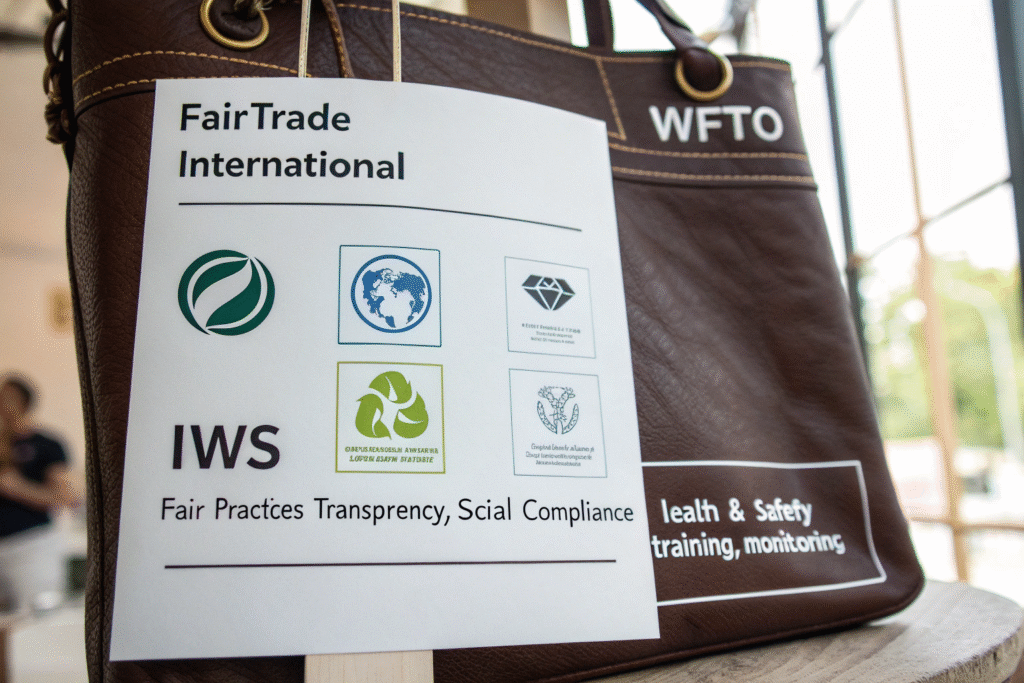
The primary recognized standards are: Fairtrade International's Standard for Hides and Skins, which focuses on the farmer/producer level for raw hides; the World Fair Trade Organization (WFTO) Guarantee System, which certifies entire trading organizations (like tanneries or brands) on their holistic practices; and various national or producer-led initiatives (e.g., certain cooperatives in India or Ethiopia). The scope, from farm-only to full supply chain, differs significantly.
What Does the Fairtrade International Standard for Hides/Skins Cover?
This is the most direct standard for the raw material. Its key pillars include:
- Fairtrade Minimum Price: A safety net price paid to producer organizations, calculated to cover the costs of sustainable production.
- Fairtrade Premium: An additional sum paid to the producer organization, to be invested in social, economic, or environmental projects democratically chosen by the community (e.g., clean water, schools, healthcare).
- Core Labor & Environmental Standards: Prohibits child labor, forced labor, and discrimination; promotes safe working conditions; and sets baseline environmental protections. You can review the full Fairtrade Standard for Hides and Skins online.
Verification under this standard means checking that the hide supplier (e.g., a cooperative in Kenya) is certified and that the subsequent transactions follow the Fairtrade Traceability System.
How Does the WFTO Guarantee System Differ?
The World Fair Trade Organization takes a different approach. It doesn't certify a single product but the entire organization (the tannery, the manufacturer, or the brand) against 10 Principles of Fair Trade, which include fair pay, good working conditions, transparency, respect for the environment, and promoting Fair Trade. A WFTO-certified leather goods brand ensures its entire operation and supply chain adhere to these principles, which may include using Fairtrade-certified hides as a starting point. Verification here involves checking the organization's status on the WFTO public register.
How to Audit the Chain of Custody and Documentation?
A certificate from a farm is meaningless if the leather in your belt cannot be traced back to that specific batch. The heart of verification is the chain of custody—the unbroken, documented sequence of custody, processing, and ownership from certified origin to final product. This is managed through a system of unique identifiers and transaction certificates.
A verifiable chain of custody requires: a unique batch or lot number assigned at the certified origin (farm/cooperative); a Transaction Certificate (TC) issued for each commercial transaction along the supply chain (from cooperative to trader, trader to tannery, tannery to manufacturer); and internal traceability systems at the tannery and factory to keep certified leather segregated from non-certified leather throughout processing. You must be able to map your finished product back to a specific TC from the certified origin.

What Specific Documents Must You Collect?
When sourcing, demand this dossier from your tannery or supplier:
- Scope Certificate: Proof the producer organization (e.g., the hide cooperative) is certified by Fairtrade International.
- Transaction Certificates (TCs): The most critical evidence. Each TC is a unique document issued by FLOCERT (Fairtrade's independent certifier) or the relevant body for each sale. It includes the seller's and buyer's details, product, quantity, and the unique Fairtrade certificate number. You need the full chain of TCs.
- Tannery's Certification/Scope Certificate: If the tannery itself is certified to process Fairtrade leather (which is ideal), ask for their certificate.
- Invoices & Packing Lists: Commercial documents that should reference the TC numbers and batch IDs, linking the paperwork to the physical goods.
A credible supplier will provide these willingly. Redacting commercial pricing is acceptable, but the certificate numbers and batch data must be visible.
How to Check for Mass Balance vs. Physical Segregation?
Understanding the traceability model is crucial. Fairtrade allows different models:
- Physical Segregation: The certified material is kept completely separate at every stage. This offers the highest integrity and is easiest to verify visually in a factory audit.
- Mass Balance: Certified and non-certified materials are mixed during processing, but the amount of certified material sold as "Fairtrade" is tracked via bookkeeping. While it helps bring Fairtrade to more mainstream supply chains, it means the specific leather in your product is not physically identifiable as Fairtrade. For maximum credibility with end-consumers, physically segregated leather is the gold standard and should be specified in your contracts. Always ask which model your supplier uses.
What Does On-Site and Virtual Supplier Auditing Entail?
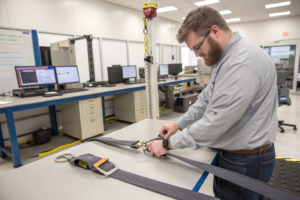
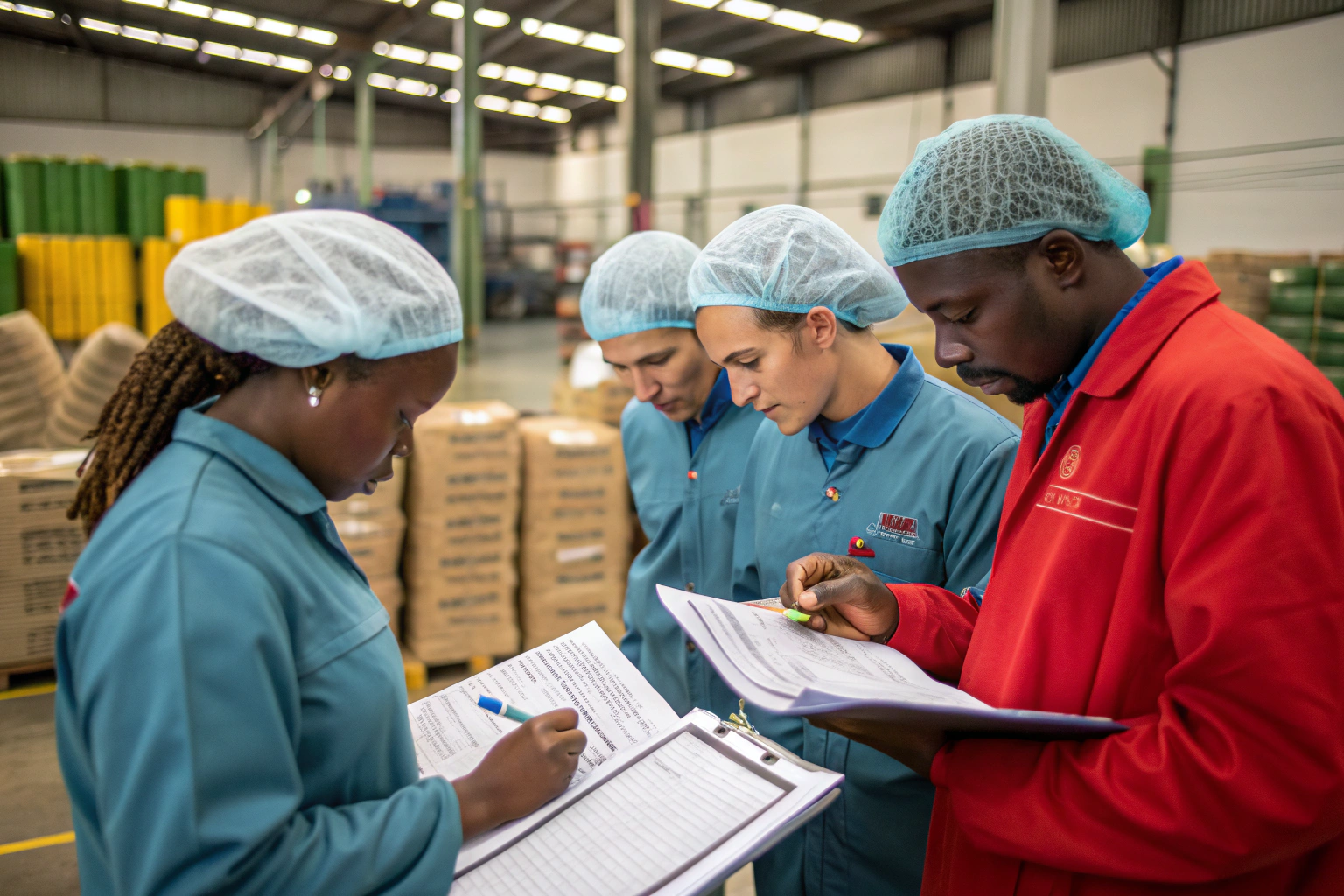
Paperwork can be forged. The ultimate verification step involves seeing the operations firsthand. An audit, whether conducted by your team, a third-party firm, or via a verified virtual tour, assesses whether the daily reality matches the certified promises. It examines social, environmental, and traceability practices on the ground.
An effective audit assesses: physical traceability systems (labeling, segregation); worker interviews (conducted privately to verify fair wages, working hours, safety); environmental management (chemical handling, waste water treatment); and record-keeping accuracy (cross-referencing production logs with Fairtrade TCs and payroll). The goal is to validate that the certification is lived, not just framed on the wall.

What Are the Key Social Compliance Checkpoints?
Beyond the paperwork, you must verify humane conditions:
- Wage Verification: Request to see anonymized payroll records for a sample period, cross-checked against regional minimum and living wage benchmarks. The Fair Wage Network provides tools.
- Working Hours: Review time cards. Ensure they reflect legal limits and that overtime is voluntary and compensated appropriately.
- Freedom of Association: Evidence of worker committees or unions operating without interference.
- Health & Safety: Observe and inquire about safety training, provision of protective equipment (gloves, aprons, masks), and emergency procedures. The absence of strong chemical smells and visible ventilation is a basic indicator.
These checks align with SA8000 or ETI Base Code principles, which often underpin Fair Trade standards.
How to Evaluate Environmental Stewardsage Claims?
Fair Trade includes environmental protection. Audit for:
- Chemical Management: Are REACH-restricted or chromium(VI) chemicals used? Is there a system for safe storage and disposal?
- Water Treatment: Does the tannery have a functional Effluent Treatment Plant (ETP)? Request recent water test reports.
- Solid Waste: How are leather shavings and trimmings disposed of? Is there any effort at recycling or composting?
A facility investing in proper environmental controls is more likely to be serious about its overall ethical commitments. Virtual audits can involve live video walks of these facilities and screen-sharing of test reports.
How to Navigate Greenwashing and Spot Red Flags?
The market is rife with misleading terminology. "Ethically sourced," "eco-friendly leather," and "supporting artisans" are positive-sounding but unverified claims. Distinguishing true Fair Trade from greenwashing requires a critical eye and knowledge of common warning signs.
Major red flags include: suppliers using vague, unverifiable language without naming a specific standard; reluctance or inability to provide transaction certificates and batch traceability; a price that seems too low to accommodate Fairtrade premiums and sustainable practices; lack of transparency about the supply chain's middlemen; and defensive or evasive responses to audit requests. Authentic partners are transparent partners.

What are Common Misleading Claims to Watch For?
- "Vegetable-Tanned = Fair Trade": While vegetable tanning is more environmentally friendly, it says nothing about labor conditions or fair prices for farmers.
- "Made by Artisans": This romanticizes labor but doesn't guarantee fair wages or safe conditions. Ask for proof of how "artisan" is defined and compensated.
- "Contains Fair Trade Materials": This could refer to a minor component (like thread) while the leather itself is uncertified. Demand specificity.
- Company's Own "Ethical Code": While possibly sincere, it lacks independent verification. Look for third-party certification.
Always ask: "Can you show me the independent, third-party certificate that verifies this specific claim?"
How to Use Public Databases and Verification Tools?
Leverage the tools provided by certifiers:
- Fairtrade International's Public Certificate Search: You can search for certified producer organizations by name or country.
- WFTO's Member Search: Verify if a company is a registered WFTO member in good standing.
- FLOCERT Verification: You can contact FLOCERT to confirm the validity of a Transaction Certificate number provided to you, though they may require the consent of the certificate holder.
These are powerful, free tools for the first layer of fact-checking. If a supplier's claimed certification doesn't appear, it's a major red flag.
Conclusion
Verifying Fair Trade certification in leather is a rigorous, multi-faceted process that moves far beyond accepting a logo at face value. It demands a commitment to forensic supply chain examination—scrutinizing formal documentation, understanding traceability models, conducting social and environmental audits, and critically assessing claims against independent databases. For brands, this due diligence is the bedrock of ethical sourcing; it mitigates risk, builds consumer trust, and ensures that the premium paid for "Fair Trade" genuinely reaches the farmers and workers it is intended to support.
In a market hungry for authenticity, the ability to transparently verify and communicate your supply chain integrity is a powerful competitive advantage. It transforms a marketing claim into a demonstrable commitment to justice and sustainability.
If you are committed to sourcing truly verified Fair Trade or ethically assured leather for your products, partnering with a manufacturer that prioritizes transparent, documented supply chains is essential. We have established traceability systems and partnerships with certified tanneries, and we welcome collaborative audits. Contact our Business Director, Elaine, to discuss how we can help you build a verifiably ethical collection: elaine@fumaoclothing.com. Let's ensure the story behind the leather is as strong as the product itself.