Outdoor belts face constant exposure to sunlight's damaging effects, with ultraviolet radiation causing color fading, material degradation, and premature failure. Consumers and brands alike need reliable methods to verify UV resistance before products reach the market, yet many struggle with understanding proper verification processes and standards.
Verifying UV resistance in outdoor belt materials requires standardized laboratory testing, real-world performance validation, supplier documentation review, and ongoing quality monitoring. The most reliable approach combines accelerated aging tests that simulate years of sun exposure in weeks with actual outdoor exposure studies that confirm laboratory findings. Understanding material-specific testing protocols and performance benchmarks ensures accurate assessment of how belts will withstand prolonged UV exposure.
With outdoor activities and work environments demanding durable accessories, proper UV resistance verification has become essential for product success and customer satisfaction. This guide details the comprehensive verification process from laboratory to field testing.
What Laboratory Testing Methods Provide Accurate Results?
Laboratory testing forms the foundation of UV resistance verification, offering controlled, reproducible conditions that accelerate the aging process to deliver timely results.
How Does Accelerated Weathering Testing Work?
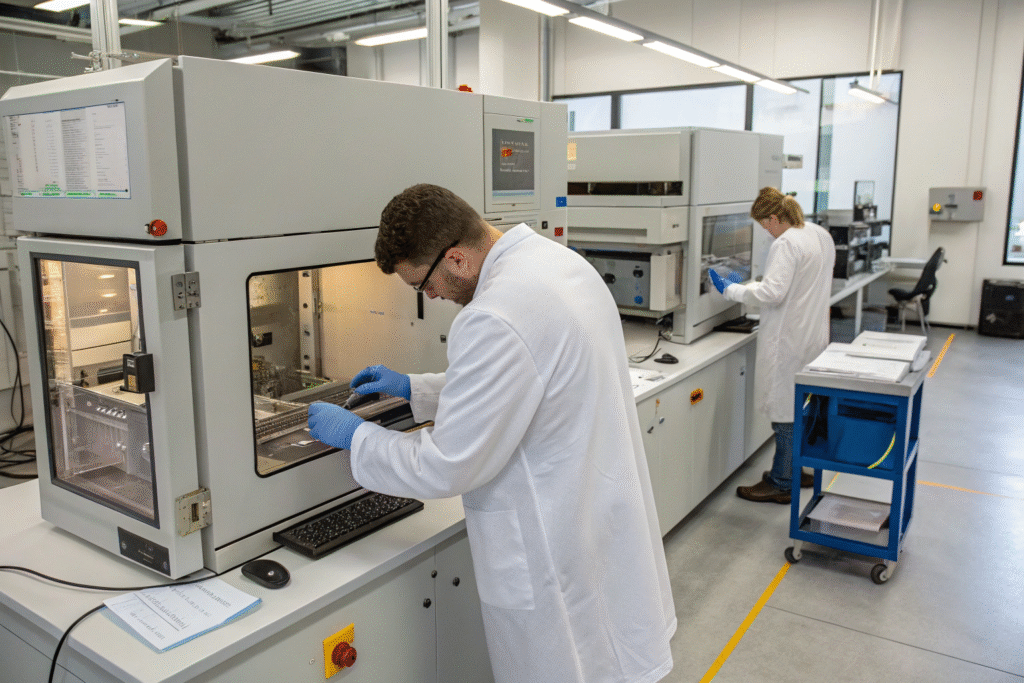
Accelerated weathering testers like the QUV tester simulate UV damage by exposing materials to alternating cycles of UV light and moisture at elevated temperatures. These chambers use fluorescent UV lamps that mimic the critical short wavelengths of sunlight, while condensation or water spray systems reproduce rain and dew effects. The testing compresses years of outdoor exposure into weeks or months, allowing manufacturers to predict long-term performance quickly.
The standardized nature of these tests enables direct comparison between materials and suppliers. A typical test protocol might involve 1000 hours of exposure, equivalent to approximately one year of outdoor exposure in Florida or Arizona. Materials are evaluated at intervals for color change (using spectrophotometers), surface cracking, loss of gloss, and physical property changes. The most reliable suppliers test multiple production batches to ensure consistency, not just initial samples.
What International Standards Govern UV Testing?
Several international standards define UV testing protocols specific to different materials. For leather belts, ISO 105-B02 specifies xenon-arc exposure methods, while ASTM G155 covers similar testing for synthetic materials. Textile components follow AATCC Test Method 16, and plastic buckles reference ASTM D4329. Understanding which standards apply to each belt component ensures comprehensive testing.
Manufacturers should request test certificates specifying the standard used, exposure duration, and performance metrics measured. Reputable testing laboratories provide detailed reports showing quantitative data rather than pass/fail assessments. The most thorough verification includes testing across multiple standards to account for varying environmental conditions the belt might encounter in different markets and climates.
How Can Real-World Performance Be Validated?
While laboratory testing provides essential baseline data, real-world validation confirms how materials perform under actual use conditions with combined environmental stressors.
What Outdoor Exposure Testing Delivers Reliable Data?
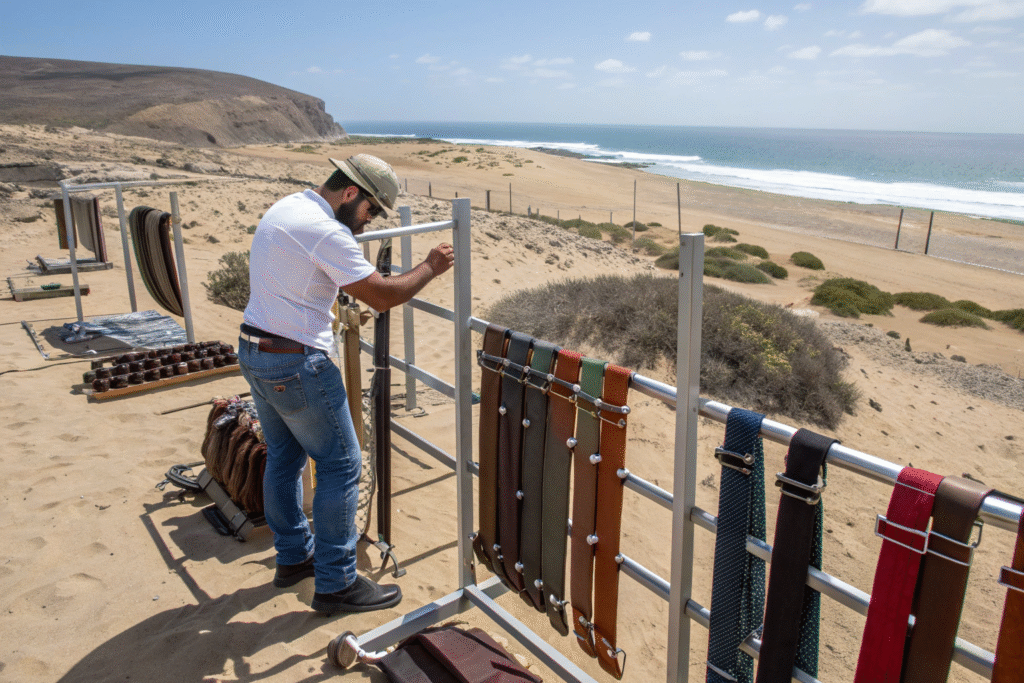
Outdoor testing stations in high-UV locations like Arizona, Florida, or Australia provide critical real-world performance data. These facilities mount belt samples on racks at 45-degree angles facing south (northern hemisphere) to maximize sun exposure, with some samples under glass to simulate indoor fading. Regular evaluations track color change, tensile strength reduction, surface deterioration, and flexibility loss.
The most comprehensive outdoor testing programs run for 12-24 months, capturing seasonal variations that affect degradation rates. Some programs use EMMAQUA (Equatorial Mount with Mirrors for Acceleration with Water) devices that concentrate sunlight to achieve acceleration while maintaining realistic spectral distribution. This approach bridges the gap between pure laboratory testing and actual outdoor exposure, providing faster results than standard outdoor testing while maintaining real-world relevance.
How Should Field Testing with Actual Users Be Conducted?
Controlled field testing programs with actual users provide practical performance data that laboratory testing cannot capture. These programs equip outdoor professionals (hikers, construction workers, marine personnel) with test belts and detailed logging requirements. Participants document usage conditions, exposure hours, cleaning methods, and observed changes through standardized reporting forms.
Successful field testing requires careful participant selection to represent target user groups and sufficient sample sizes (typically 50-100 units) to account for usage variations. The most valuable programs incorporate retrieval of samples at 3, 6, and 12-month intervals for laboratory analysis comparing field-aged samples with unexposed controls. This approach captures combined degradation from UV exposure, mechanical stress, cleaning, and environmental contaminants that occur during actual use.
What Supplier Verification Processes Ensure Compliance?
Verifying supplier claims requires systematic documentation review, manufacturing process audits, and independent verification testing.
What Documentation Should Reliable Suppliers Provide?
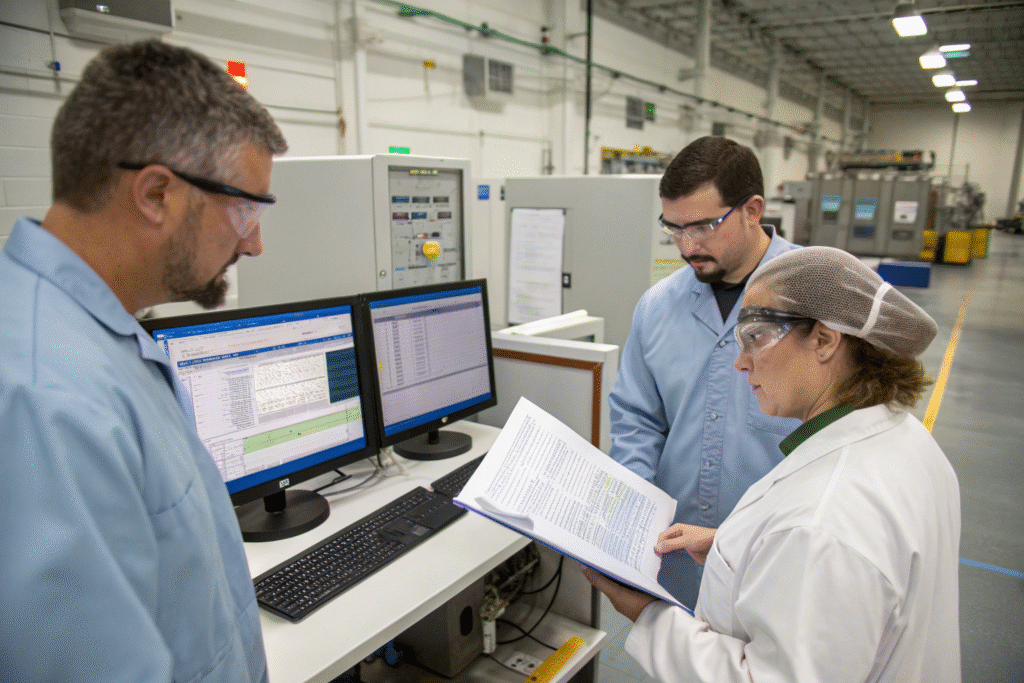
Competent suppliers furnish comprehensive technical documentation including material specifications listing UV stabilizer types and concentrations, laboratory test certificates from accredited third-party labs, and manufacturing process controls ensuring consistent UV protection application. They should provide batch-specific test data rather than generic material specifications, demonstrating consistent performance across production runs.
The most thorough suppliers also provide failure analysis reports showing how materials perform at exposure levels beyond typical requirements. This demonstrates deep understanding of their products' limitations rather than just minimum compliance. Documentation should clearly state testing conditions (irradiance level, black panel temperature, light/dark cycles) rather than just total exposure hours, as these parameters significantly affect results and equivalency to real-world conditions.
How Can Manufacturing Process Audits Verify Consistency?
On-site manufacturing audits should verify that UV protection measures are consistently applied throughout production. Auditors should examine raw material incoming inspection records, monitor additive incorporation processes (especially for masterbatch distribution in synthetics), and review equipment calibration records for UV treatment applications. Process control charts should demonstrate consistent application of protective coatings or treatments.
The audit should specifically check for potential failure points like inadequate mixing of UV stabilizers, uneven application of protective coatings, or insufficient curing of UV-resistant finishes. Production staff should demonstrate understanding of how process variations affect UV performance, not just mechanical specifications. The most reliable suppliers maintain separate processing lines for UV-resistant products to prevent contamination from standard materials.
How Are Results Measured and Interpreted?
Understanding performance metrics and establishing appropriate acceptance criteria are essential for meaningful UV resistance verification.
| Performance Metric | Test Method | Acceptance Criteria | Real-World Equivalent |
|---|---|---|---|
| Color Fastness | AATCC 16 / ISO 105-B02 | ΔE < 3.0 after 300 kJ/m² | Minimal visible fading after 1-2 years |
| Tensile Strength Retention | ASTM D638 / D5035 | >80% after 1000 hours QUV | Maintains functionality after 2+ years |
| Surface Cracking | Visual inspection per ASTM D660 | No cracking after 2000 hours QUV | No visible deterioration after 3+ years |
| Elongation at Break | ASTM D638 / D5035 | >70% retention after 1000 hours QUV | Maintains flexibility after 2+ years |
What Performance Metrics Matter Most?
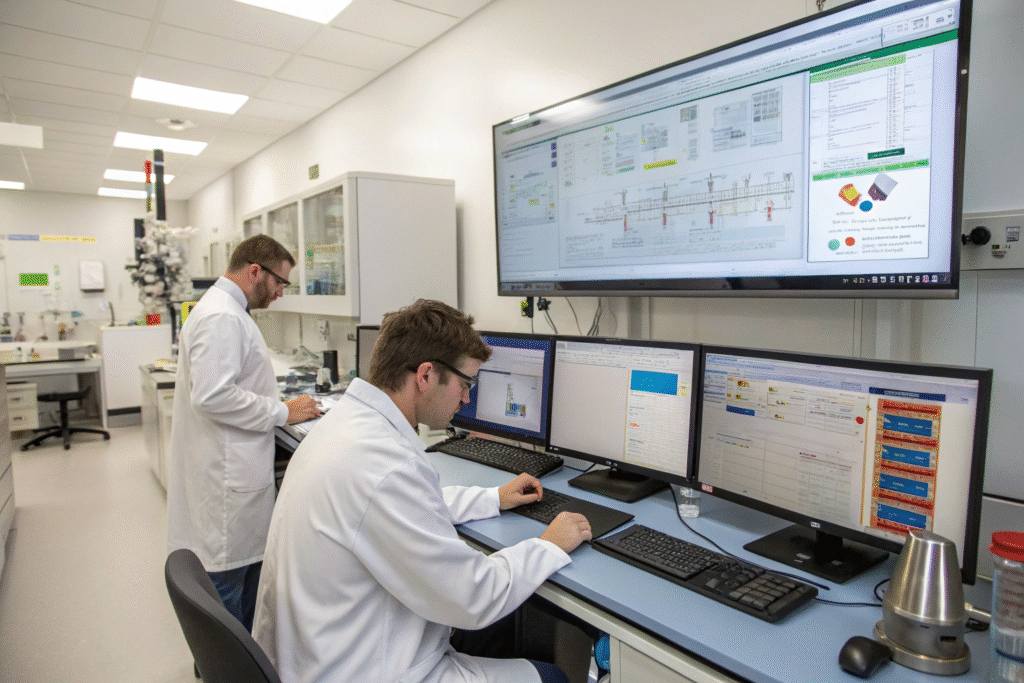
The most critical UV performance metrics vary by material but typically include color change (ΔE value), tensile strength retention, surface cracking assessment, and flexibility measurements. Colorfastness is typically the first failure point, with ΔE values below 3.0 indicating minimal visible change, while values above 5.0 show obvious fading. Mechanical properties like tensile strength and elongation retention indicate whether the material maintains functionality despite cosmetic changes.
Establishing appropriate benchmarks requires understanding the belt's expected service life and environment. Fashion belts might prioritize color retention, while safety harnesses emphasize strength preservation. The most comprehensive specifications set different thresholds for different components—higher colorfastness requirements for visible strap surfaces, greater strength retention for load-bearing elements.
How Should Test Results Guide Material Selection?
Test results should inform material selection decisions based on the product's price point and expected lifespan. Premium belts should demonstrate less than 10% property degradation after 2000 hours of QUV testing, while budget options might accept 25-30% degradation. The relationship between accelerated testing hours and real-world performance depends on geographic location, with 1000 QUV hours approximately equaling 1-2 years in southern climates.
The most effective material selection considers degradation patterns, not just final values. Some materials maintain appearance while suffering significant strength loss, creating safety risks. Others show surface fading while retaining mechanical integrity. Understanding these patterns ensures selection of materials appropriate for the specific balance of aesthetic and functional requirements.
Conclusion
Verifying UV resistance in outdoor belt materials requires a multi-faceted approach combining standardized laboratory testing, real-world performance validation, thorough supplier verification, and informed interpretation of results. No single method provides complete assurance—rather, the convergence of data from different verification methods builds confidence in long-term performance.
Brands that implement comprehensive UV verification protocols reduce product returns, enhance customer satisfaction, and build reputations for durability. In the competitive outdoor accessories market, proven UV resistance represents a significant competitive advantage that justifies premium positioning and builds long-term brand loyalty.
Ready to verify UV resistance for your outdoor belt collections? Contact our Business Director, Elaine, at elaine@fumaoclothing.com to discuss our comprehensive testing protocols and UV-resistant material options that ensure your products withstand the test of time and elements.