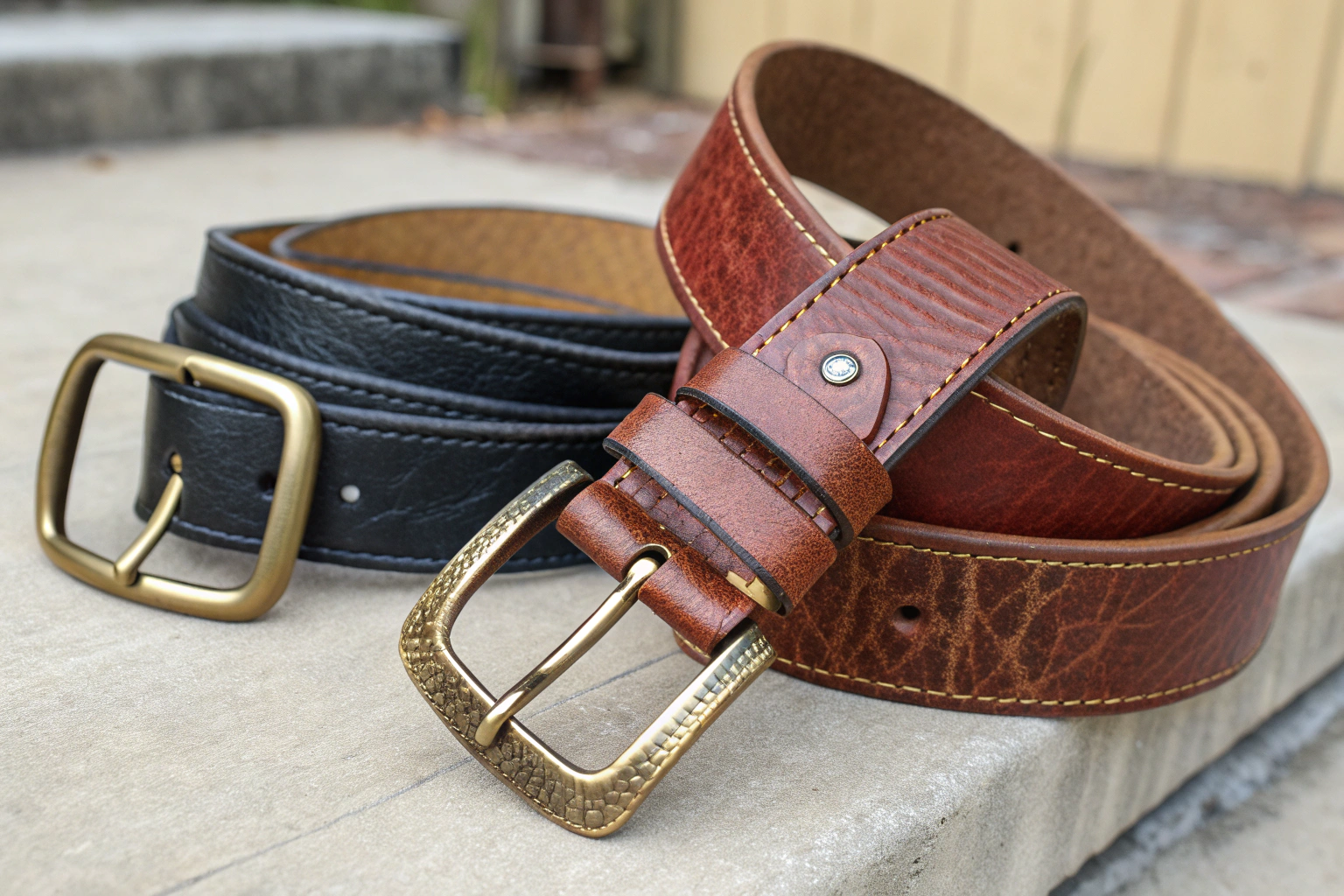
In the world of fashion accessories, "genuine leather" has long been held as a gold standard, a mark of quality and durability that separates premium belts from disposable fast-fashion items. For many buyers and consumers, it's the first and sometimes only specification they look for. But as material science advances and consumer values diversify, a critical question emerges: in the pursuit of style, sustainability, and function, is genuine leather always the unbeatable champion for a fashion belt? The answer is increasingly nuanced, depending on design goals, ethical considerations, and performance needs.
No, genuine leather is not always the best choice for a fashion belt. While it offers unmatched natural beauty, durability, and a prestigious heritage, its suitability depends on the specific context. For ultra-lightweight designs, vibrant/unusual colors, strict vegan ethics, extreme weather resistance, or very low price points, high-quality synthetic alternatives or innovative plant-based materials can be superior or more appropriate choices.
The modern fashion belt market is no longer a binary choice between "real" and "fake." It's a spectrum of materials, each with its own ideal application. Let's move beyond the label and examine when genuine leather shines and when other materials might take the lead.
When does genuine leather unequivocally win?
There are certain domains where the inherent properties of genuine leather remain largely unchallenged. These are scenarios where its natural advantages are critical to the product's success and user satisfaction.
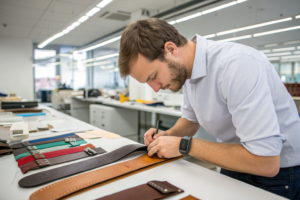
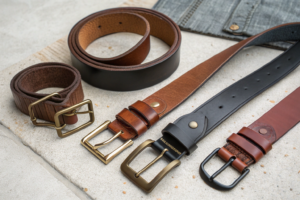
Genuine leather unequivocally wins in applications demanding longevity, natural patina development, breathability, and a traditional sense of luxury. This includes heritage and classic style belts (e.g., dress belts, western belts), products marketed on craftsmanship and heirloom quality, and situations where the material's ability to mold to the body and age gracefully is a core part of the value proposition.
In these contexts, leather isn't just a material; it's part of the product's soul. The story of a belt that improves with age is a powerful narrative that synthetic materials struggle to replicate authentically.
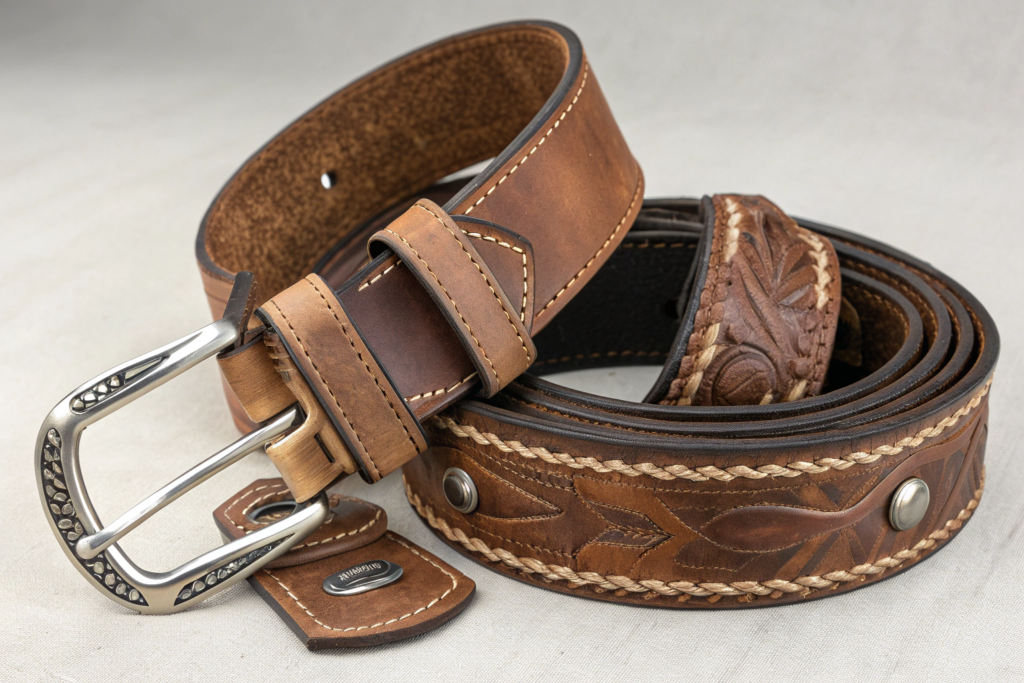
Why is leather irreplaceable for developing a personal patina?
The personal patina is leather's superpower. This is the unique aging process where the leather darkens, softens, and gains character from exposure to light, oils, and the wearer's body. No two leather belts will ever age exactly the same.
This process creates an emotional bond between the product and the owner. It signifies authenticity, history, and quality. For brands selling a story of timeless style and personal journey, this is an invaluable asset. A vegetable-tanned full-grain leather belt is the ultimate canvas for this story. High-end synthetic materials may resist aging to look "new," but they cannot develop this desirable, unique character, which is a key driver for consumers in the heritage and luxury segments.
In which fashion categories does leather provide unmatched structure and drape?
Leather's unique combination of strength and pliability gives it an unmatched drape and structure that is difficult to mimic perfectly.
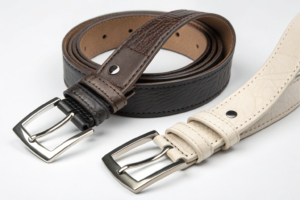
- Structured Dress Belts: For a sharp, polished men's dress belt that needs to hold a crisp shape through a suit pant's loops, a firm calfskin or capeskin leather is ideal. It provides a clean, defined silhouette.
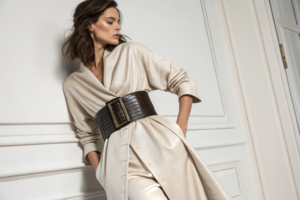
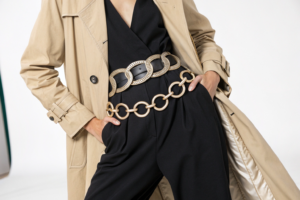
- Soft, Draping Belts: Conversely, supple lambskin or deerskin can create beautiful, fluid drapes in women's fashion belts or bohemian-style belts, conforming elegantly to the body without buckling awkwardly.
While some advanced textiles come close, leather's natural ability to be tempered and finished to achieve a wide range of stiffnesses—from rigid to buttery soft—within the same material family gives designers unparalleled control. This versatility is why it remains the benchmark in these categories.
When should you consider high-performance synthetic alternatives?
The term "synthetic" or "faux leather" often carries a negative connotation of cheapness and poor quality. However, the category has evolved dramatically. Today's high-performance synthetic materials are engineered for specific advantages that genuine leather cannot match.
You should consider high-performance synthetic alternatives when your design requires extreme color consistency, high resistance to water/stains, very low weight, vibrant/unusual colors (neons, metallics), or a completely vegan product claim. Materials like high-density polyurethane (PU) microfiber laminates, recycled PET fabrics, and advanced thermoplastic polyurethane (TPU) can outperform leather in these specific areas.
These are not "cheap substitutes" but technical materials chosen for a clear functional or aesthetic purpose. They are ideal for fashion-forward, trend-driven collections where specific visual effects or practical performance are paramount.
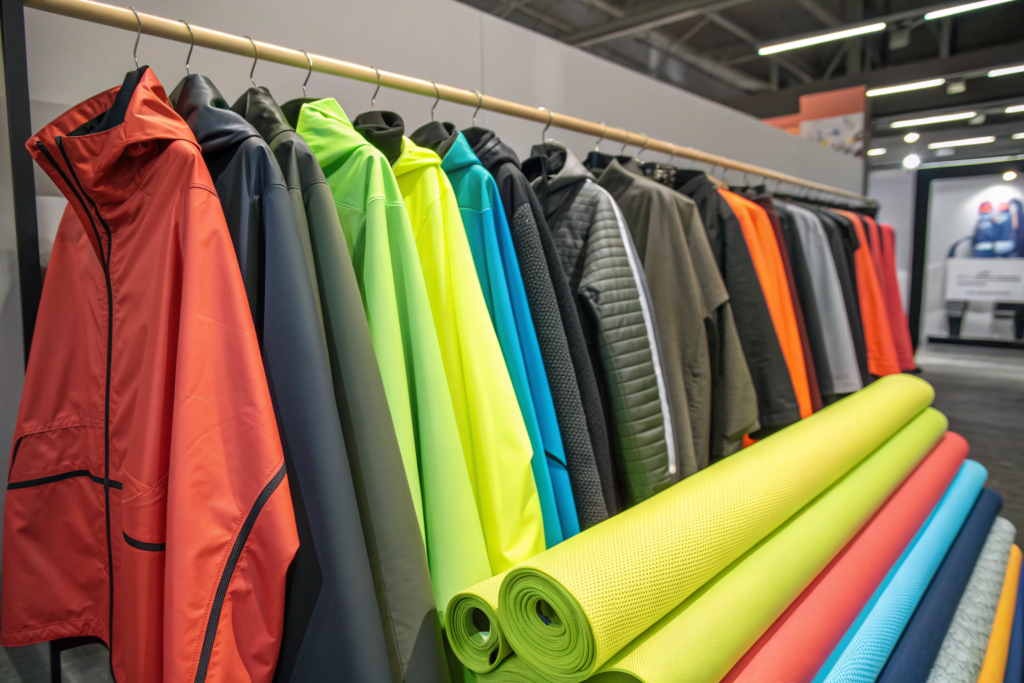
How do modern microfiber PU belts compare in look and feel?
Gone are the days of plasticky, squeaky pleather. Modern microfiber PU is a game-changer. It involves weaving a microfilament polyester base and impregnating it with a polyurethane coating. The result is a material with:
- Realistic Grain: It can be embossed with incredibly convincing leather grain patterns.
- Excellent Drape and Hand-Feel: It can be made very soft and supple, rivaling the feel of good leather.
- Consistency and Color Fastness: It offers perfect uniformity in color and texture, batch after batch, which is challenging with natural hides. It also holds bright dyes and metallics without fading or cracking as leather might.
For a fashion brand producing a collection of belts in pastel or metallic shades for a single season, a high-quality PU offers consistency, affordability, and the desired aesthetic without the limitations of dyeing natural leather. Resources like Textile Exchange provide insights into material innovations in this space.
Are there synthetic materials that outperform leather in weather resistance?
Absolutely. This is a key functional advantage. Genuine leather is porous and can be damaged by prolonged water exposure, salt, and extreme humidity. It requires protection and care.
- Advanced TPU and PVC Blends: These materials are inherently waterproof, easy to clean with a wipe, and highly resistant to mold and mildew. They are the clear choice for outdoor fashion belts, travel belts, or belts marketed in regions with high rainfall or humidity.
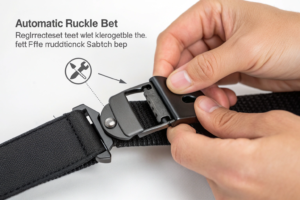
- Coated Technical Nylons: For ultra-lightweight, packable travel belts or performance-oriented fashion, these synthetics are unbeatable.
If your brand's value proposition includes "carefree," "travel-ready," or "all-weather" performance, a high-tech synthetic is often the more honest and functional choice than leather treated with temporary water repellents.
What about emerging sustainable and vegan materials?
The rise of conscious consumerism has fueled innovation in materials that aim to offer an alternative to both animal leather and petroleum-based synthetics. This "third way" is rapidly gaining traction.
Emerging sustainable and vegan materials, such as those made from pineapple leaves (Piñatex), apple pomace, cactus, mushroom mycelium, or recycled rubber, present compelling alternatives. They are best chosen when the brand's core identity is built on radical transparency, innovative sustainability, and catering explicitly to vegan or environmentally conscious consumers who reject both animal and plastic-based products.
These materials often have unique, aesthetically pleasing textures and tell a powerful brand story. However, they come with their own set of considerations regarding cost, scalability, and performance.
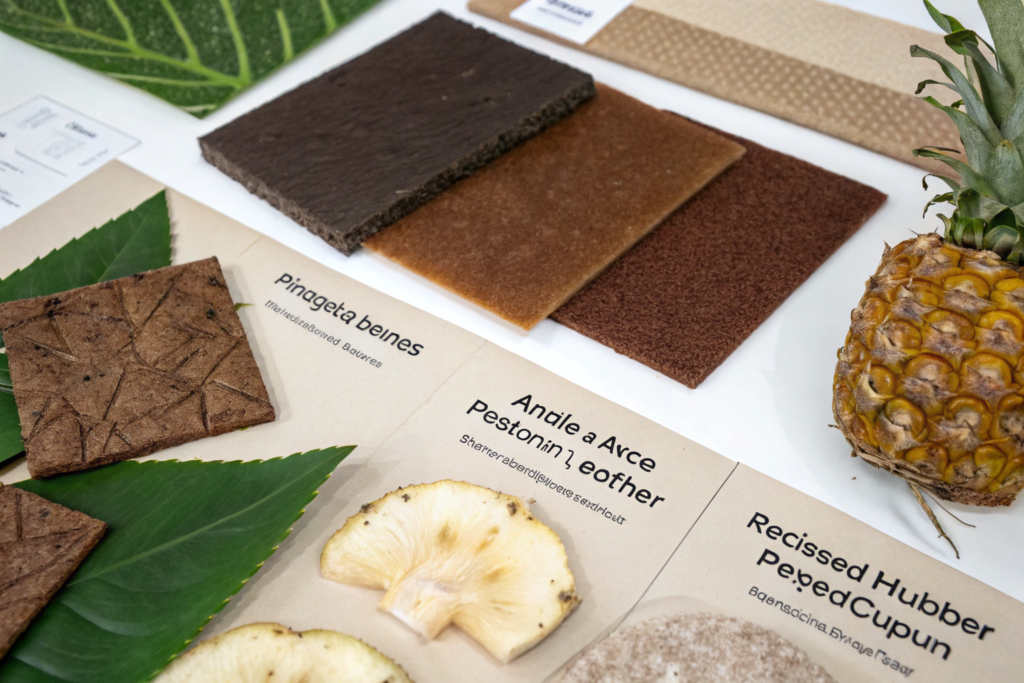
Can plant-based "leathers" match the durability of genuine leather?
Currently, most plant-based leathers are in an earlier stage of development regarding durability and lifespan. They often behave more like a thick, structured textile or a composite material.
- Abrasion Resistance: They may not be as scratch-resistant as full-grain leather.
- Long-Term Flexibility: Some can become brittle or show creasing over time with repeated flexing.
- Water Resistance: This varies greatly; some require additional coatings.
They are excellent for fashion items where durability expectations are aligned with a seasonal or mid-term lifecycle, rather than a "decade-long" heirloom promise. The story is about innovation and eco-impact, not necessarily about outperforming leather's traditional strength metrics. Brands like Desserto (cactus leather) are at the forefront of advancing these properties.
How do the environmental impacts truly compare?
This is a complex lifecycle analysis. Genuine leather is a by-product of the meat industry but involves resource-intensive tanning. Virgin synthetics are derived from fossil fuels and are not biodegradable. Plant-based alternatives use agricultural waste but may contain binding polymers.
There is no universally "best" answer. The most responsible choice depends on which environmental metrics you prioritize (carbon, water, waste, biodegradability) and the specific supply chain of the material. For a brand, the key is honest communication. Avoid greenwashing by making specific, verifiable claims, such as "made with 40% apple waste from the juice industry" or "using chrome-free leather from a LWG Gold-rated tannery." Transparency is more valuable than a vague "eco-friendly" label.
How to make the right material choice for your brand?
The decision ultimately comes down to aligning your material with your brand's DNA, your customer's desires, and your product's intended use. It's a strategic design and business decision.
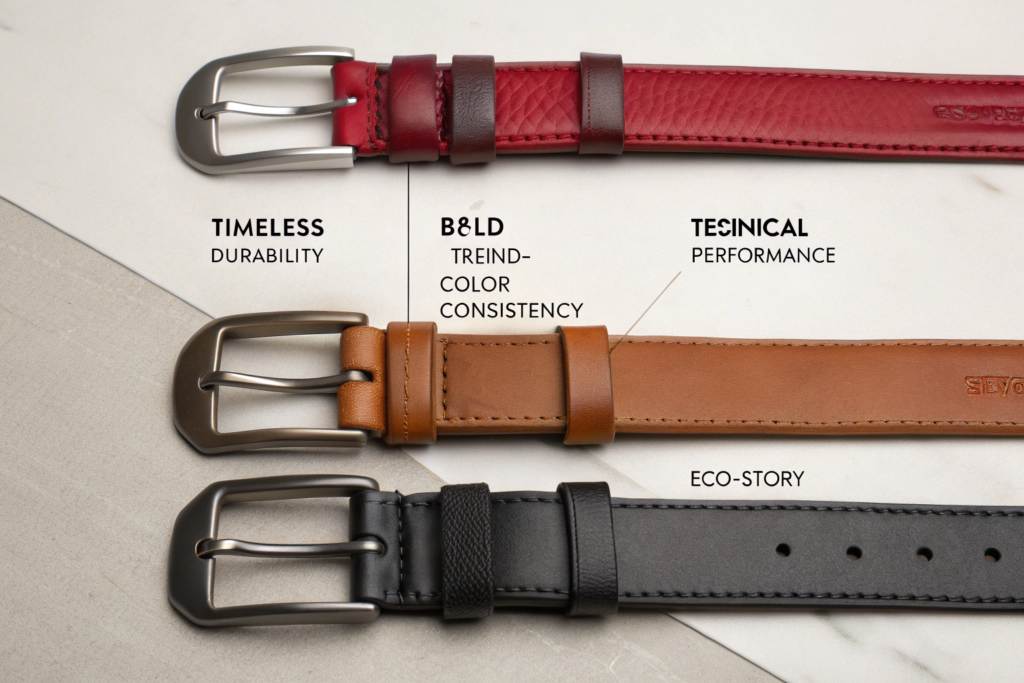
To make the right choice, define your priorities: Is it timeless durability (favor leather), bold trend-color consistency (favor high-end PU), technical performance (favor advanced synthetics), or a groundbreaking eco-story (favor innovative bio-materials)? Then, source the highest quality version of that material within your cost framework. A cheap leather belt is often worse than a well-made synthetic one, and vice versa.
Your choice becomes part of your brand narrative. It's an opportunity to either reinforce tradition or signal innovation.
Should you offer a mixed material lineup?
Absolutely. A diversified material lineup is a sign of a sophisticated brand that understands different customer needs. For example:
- Core Line: Timeless cowhide leather belts in black and brown.
- Fashion Line: Seasonal colors and textures in high-performance microfiber.
- Sustainable Line: Statement pieces in cork or Piñatex.
- Tech Line: Waterproof nylon belts for travel.
This approach allows you to cater to multiple customer segments and price points without diluting your brand's integrity. It demonstrates design versatility and market awareness.
What questions should you ask your supplier when sourcing?
To ensure quality and alignment, ask targeted questions:
- For Leather: "What is the grade (full-grain, top-grain)? What tanning process is used? Can you provide LWG audit reports?"
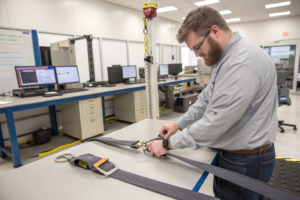
- For Synthetics: "What is the base fabric (polyester, recycled PET)? What is the PU coating thickness? Can it pass a cold crack test for flexibility?"
- For Vegan/Bio Materials: "What is the exact composition (percentage of plant matter vs. binder)? What are the care instructions and expected lifespan? What is the minimum order quantity?"
A reputable supplier will have clear answers and technical data sheets. This due diligence is the difference between a successful product and a failed one, regardless of the material type.
Conclusion
Genuine leather is a phenomenal material with a legacy that is secure in many segments of the fashion belt industry. Its natural beauty, durability, and aging characteristics are truly special. However, it is not a universally "best" choice. The modern landscape offers a rich array of high-performance synthetics and innovative sustainable materials that excel in specific areas where traditional leather may have limitations.
The smartest approach for contemporary brands is to move beyond dogma and adopt a purpose-driven material strategy. Choose leather for its irreplaceable heritage and patina. Choose advanced synthetics for their colorfast vibrancy and weather resistance. Choose next-gen bio-materials for their story of innovation and reduced environmental impact. By matching the material to the mission of each product line, you can build a stronger, more responsive, and more honest brand. If you need guidance in navigating these complex material choices for your next collection, contact our Business Director, Elaine, at elaine@fumaoclothing.com. Let's select the perfect foundation for your designs.