The Western belt, once a symbol of rugged ranch life and Americana, is experiencing a powerful revival on global fashion runways, in streetwear, and within the wardrobes of those seeking authentic, statement-making accessories. This isn't about costume; it's about integrating a piece of heritage with contemporary style. For the modern wearer, the perfect cowboy belt is a bold fusion of craftsmanship, personal expression, and versatile styling. For brands and buyers, understanding this revival is key to tapping into a market that values authenticity, artisan detail, and cross-cultural style fusion. So, how do you navigate the resurgence of this iconic accessory, both in wearing it and in sourcing it authentically?
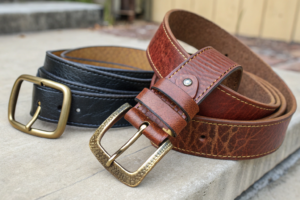
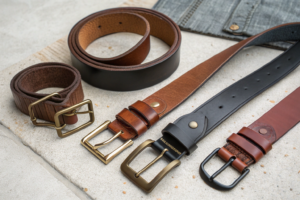
The perfect cowboy belt for the revival is defined by its balance of traditional craftsmanship and modern sensibility. Key elements include a wide, sturdy strap (often 1.5" to 2.5"), intricate tooling or embossing, a substantial ornate buckle (often in silver tones), and high-quality leather. Styling it successfully hinges on contrast—pairing it with minimalist modern pieces to let the belt be the focal point, or using it to add rugged texture to an otherwise polished look.
This trend is about narrative. The belt tells a story of craft and history, and styling it is about writing that story into your personal modern context. Let's explore how to master both the aesthetic and the acquisition.
What defines authentic Western belt craftsmanship?
Authenticity in a Western belt isn't about where you are; it's about how it's made. The revival prizes genuine artisan techniques that have been passed down for generations, distinguishing a quality piece from a mass-produced costume item.
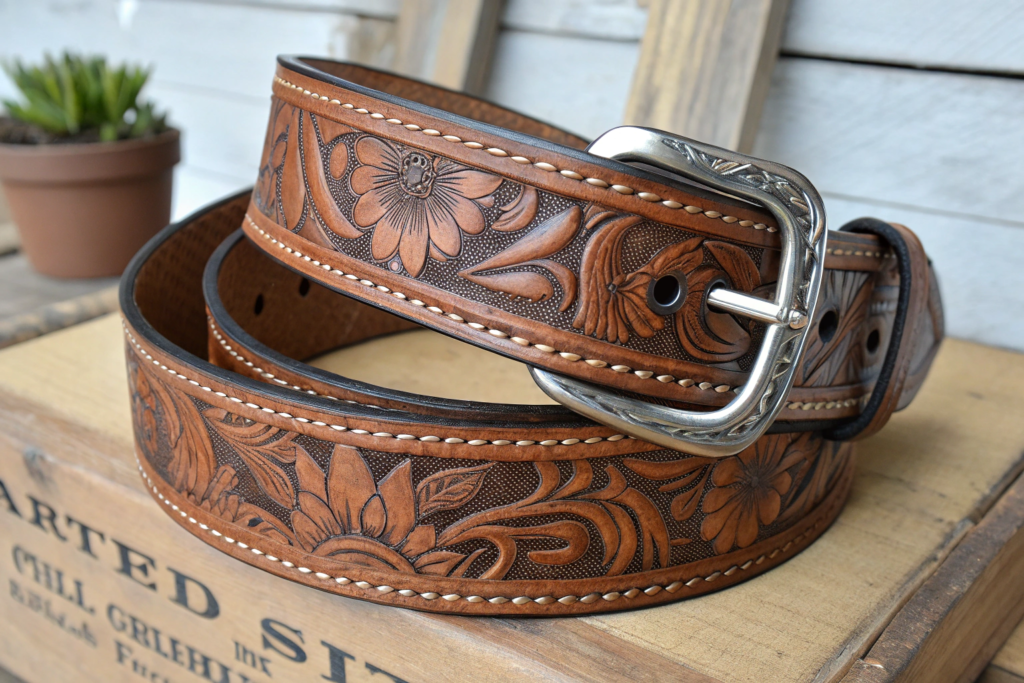
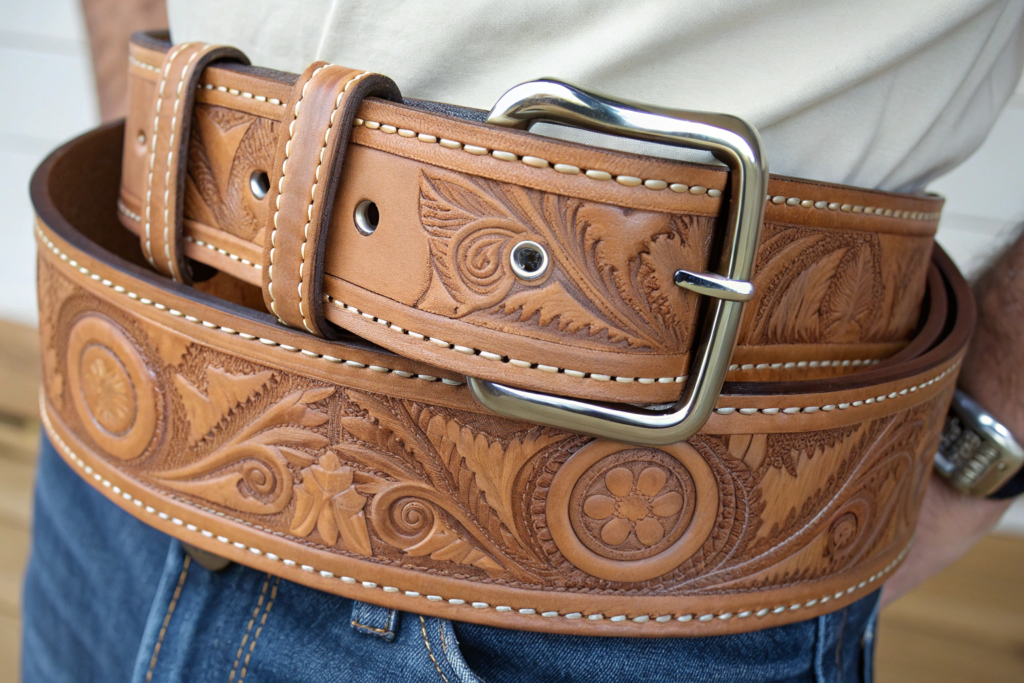
Authentic Western belt craftsmanship is defined by hand-tooling or quality embossing on full-grain leather, saddle stitching with thick, waxed thread, the use of solid metal buckles (often stamped, cast, or engraved), and durable construction meant to last a lifetime. The leather should be vegetable-tanned, which allows for deep, clear tooling and enables the belt to develop a rich patina over time.
These belts are not fast fashion. They are heirloom-quality accessories. The craftsmanship is visible in the depth of the tooled patterns—whether floral, geometric, or scenic—and in the weight and finish of the buckle.
How can you distinguish hand-tooling from machine embossing?
This is a critical skill for sourcing and appreciating quality.
- Hand-Tooling: An artisan uses individual metal stamps and mallets to pound designs into damp leather. The results have variation in depth and alignment; no two impressions are perfectly identical. The lines are sharp, and the design has a three-dimensional, "carved" feel. It's a time-intensive artisanal process.
- Machine Embossing/Roller Printing: A metal roller with a raised pattern is pressed onto the leather under high pressure. The pattern is perfectly uniform and repetitive across the entire length. The impression is often shallower and can feel slightly flattened compared to hand-tooling.
For the revival market, hand-tooled belts command a premium and are at the heart of the trend's appreciation for "slow fashion" and craft. They are the centerpiece of collections from heritage brands and sought-after artisans.
Why is buckle weight and construction so important?
The buckle is the crown of the cowboy belt. Its quality is immediately apparent.
- Weight: A solid brass, sterling silver, or zinc alloy buckle has a satisfying, substantial heft. A lightweight, thin, plated buckle feels cheap and will not last.
- Construction: Look for evidence of craftsmanship: stamping (designs pressed into metal), casting (poured into a mold, often with great detail), or engraving. The buckle should be securely attached with a heavy-duty, often adjustable, buckle loop or "keepers."
- Finish: Quality buckles have a durable finish, whether it's a polished silver look, an antique brass patina, or a bright nickel plate. The finish should not feel like it will chip or tarnish easily.
A substantial buckle isn't just for show; it's a historical and functional element that balances the wide leather strap. It's a piece of wearable metal art.
How to style a cowboy belt in a modern, non-costume way?
The fear of looking like you're headed to a rodeo when you're actually headed to the office or a dinner party is real. The key to modern styling is intentional contrast and selective pairing.
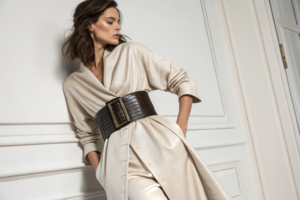
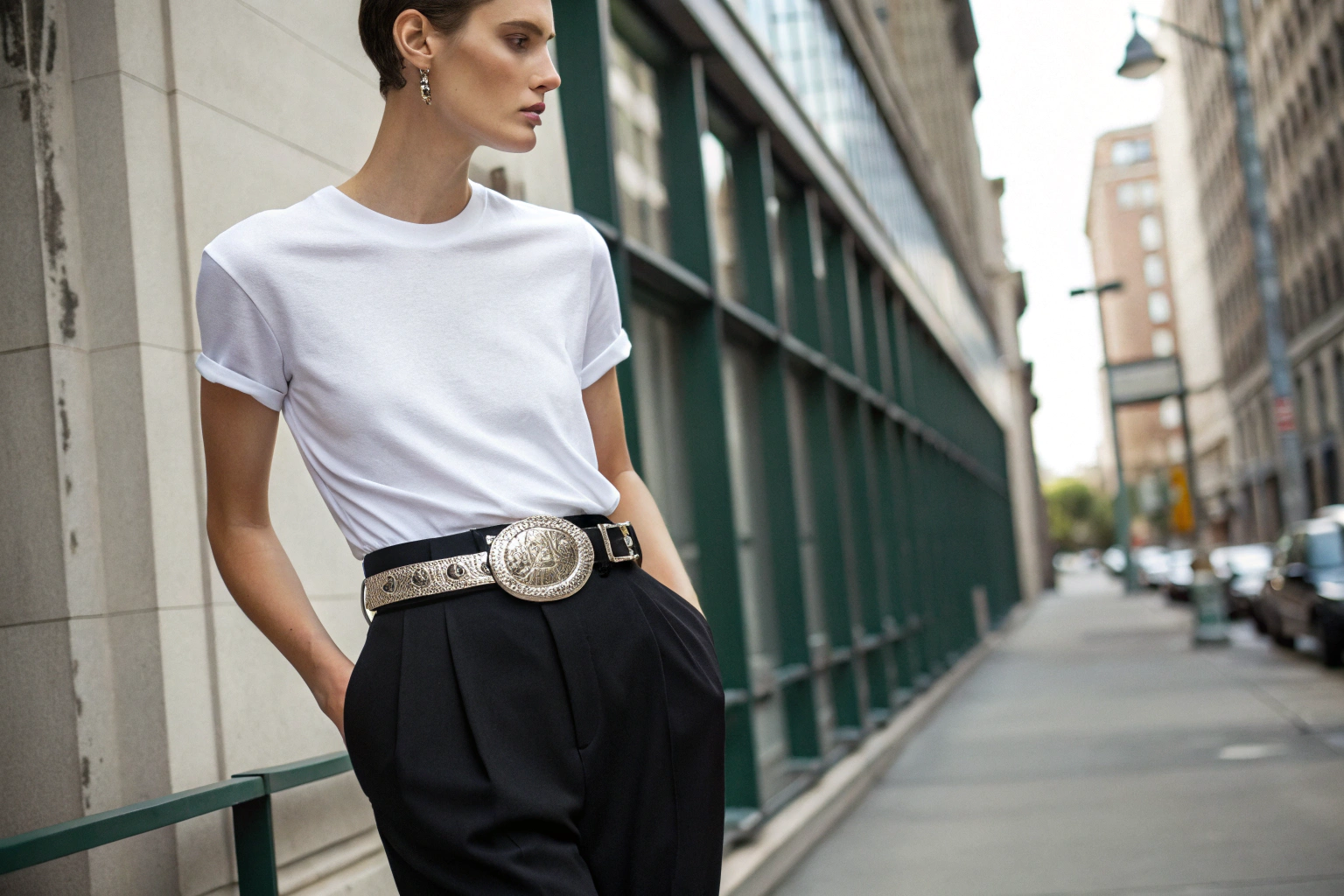
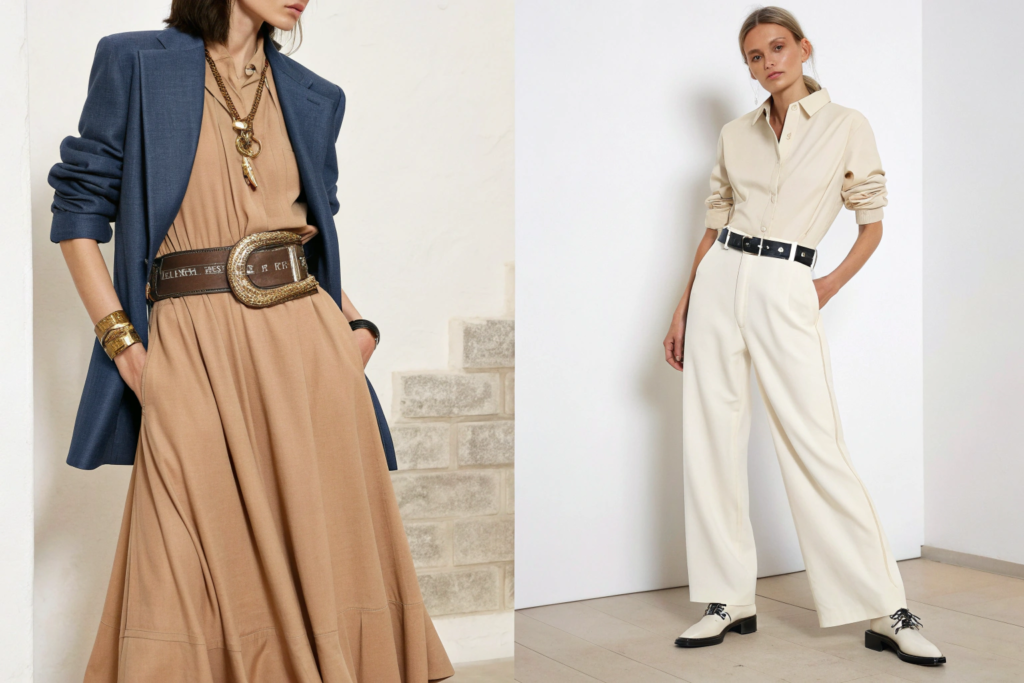
Style a cowboy belt modernly by using it as a statement piece against a backdrop of minimalist, contemporary clothing. Cinch it over a flowing midi dress, a tailored blazer, a simple oversized shirt, or high-waisted wide-leg trousers. Keep the rest of your outfit and accessories (shoes, jewelry) sleek and simple to let the belt be the undisputed hero. Avoid pairing it with other overtly Western items like cowboy boots or fringed jackets unless you're fully committing to the aesthetic.
This approach transforms the belt from a thematic accessory into a powerful, personalized style accent. It becomes a reflection of your eclectic taste rather than a uniform.
Can a Western belt be worn in a formal or business-casual setting?
Yes, with careful curation. The goal is to introduce texture and personality without breaking decorum.
- Business Casual: Pair a dark brown tooled leather belt with a simpler, smaller buckle (perhaps a oval or rectangle shape) with dark denim, a crisp button-down shirt, and a blazer. The belt adds a touch of interesting texture in an otherwise standard outfit.
- Smart/Formal Edge: A sleek, all-black Western belt with subtle embossing and a polished silver buckle can be worn with a black suit or a tailored black dress. It reads as architectural and bold rather than rustic.
The principle is to elevate the belt by context. In a formal setting, its craftsmanship is appreciated as fine detail, not as rustic flair.
What are the key "do's and don'ts" for avoiding a costume look?
- DO:
- Balance Proportion: A wide belt (2"+) works best with high-waisted bottoms or over dresses. A slightly narrower belt (1.5") is more versatile for everyday pants.
- Mix Eras and Styles: Pair the vintage feel of the belt with modern silhouettes.
- Focus on One Western Piece: Let the belt stand alone.
- DON'T:
- Over-Accessorize: Avoid pairing with turquoise jewelry, cowboy boots, and a Western shirt simultaneously.
- Choose Novelty Buckles: Opt for classic tooling, conchos, or geometric patterns over buckles shaped like longhorn skulls or horseshoes unless that is your specific, intentional vibe.
- Wear with Distressed "Costume" Denim: Choose clean, well-fitted denim or trousers instead.
The modern take is about abstraction—taking the elements of Western style (tooling, hardware, leather) and using them in a new, refined context.
What should you look for when sourcing authentic Western belts?
For retailers or brands looking to stock or produce Western belts, authenticity and quality are your currency. The market is full of imitations, so due diligence is required to find true artisan partners or reputable suppliers.
When sourcing, prioritize manufacturers or workshops with a proven heritage in leather tooling and Western wear. Evaluate their sample for genuine hand-tooling or high-quality embossing, insist on full-grain or top-grain vegetable-tanned leather, verify the buckle's metal composition and attachment method, and assess the overall construction—particularly the strength of the stitching and the robustness of the buckle loop. Transparency about the supply chain, especially leather origin, is a growing demand.
Sourcing is not just about buying a product; it's about partnering with custodians of a craft. This adds immense value and story to your brand.
Is it better to source from specialized artisans or larger manufacturers?
The choice depends on your brand's scale, price point, and story.
- Specialized Artisans/Small Workshops: Ideal for limited editions, collaborations, or luxury lines. They offer unparalleled authenticity, custom designs, and a compelling story. However, MOQs (Minimum Order Quantities) may be higher per design, lead times can be longer, and consistency across large batches can be a challenge.
- Larger Manufacturers with Western Expertise: Better for building a core, scalable collection. They can offer consistent quality, larger production capacity, and potentially better pricing due to efficiencies. The key is finding one that still respects traditional techniques (like quality embossing that mimics tooling) and uses excellent materials.
Many successful brands use a hybrid model: a core line from a capable factory and special artisan collaborations for seasonal highlights. Resources like the Permanent Style directory or trade shows like Magic in Las Vegas can connect you with both types of suppliers.
How can you ensure ethical and sustainable sourcing of materials?
The modern consumer is increasingly conscious. For a product rooted in tradition, ethical sourcing is a powerful alignment.
- Leather: Source from tanneries certified by the Leather Working Group (LWG) for environmental stewardship. Traceability to farms practicing responsible animal husbandry is a premium selling point.
- Metals: Inquire about the sourcing of buckle metals. Recycled brass or silver is an excellent point of differentiation.
- Artisan Fairness: When working with small workshops, ensure fair wages and safe working conditions. This ethical story resonates deeply.
Brands that can transparently communicate their commitment to both craft preservation and responsible sourcing will lead the next wave of the Western revival.
How is the Western belt trend evolving beyond its traditional roots?
The revival is not a static reproduction of the past. It is being reinterpreted through global lenses, gender-fluid fashion, and high-design concepts, pushing it into exciting new territories.
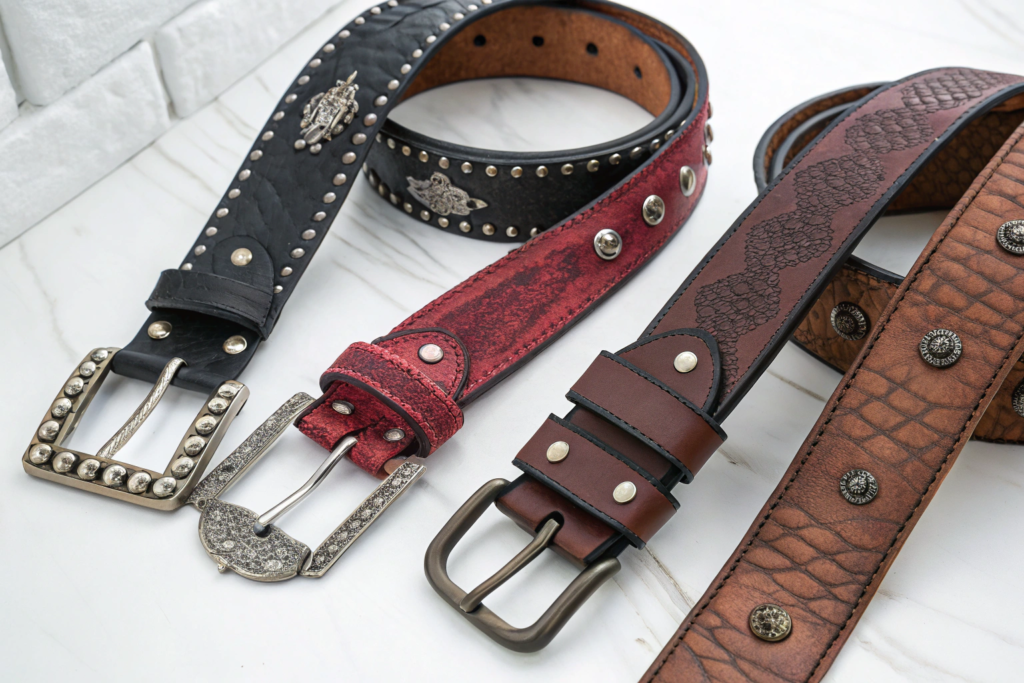
The trend is evolving through gender-neutral styling (the belt is a unisex staple), fusion with other subcultures (e.g., Western motifs in goth or punk aesthetics), experimentation with unconventional materials (colored leathers, exotic skins, or fabric inlays), and minimalist reinterpretations where the Western essence is suggested through a single detail, like a subtle saddle stitch or a simple concho.
This evolution ensures the trend's longevity, moving it from a nostalgic niche to a perennial source of inspiration in the global fashion landscape.
Are we seeing high-fashion adaptations of the cowboy belt?
Absolutely. Luxury houses and contemporary designers are key drivers of the revival. They deconstruct and elevate the form.
- Designer Takes: Brands like Gucci, Saint Laurent, and Ralph Lauren (perennially) have featured exquisite, exaggerated versions—using crocodile leather, incorporating precious stones into buckles, or scaling buckles to dramatic proportions.
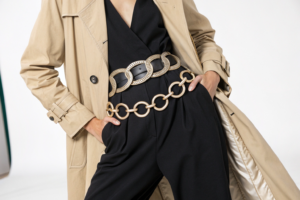
- The Influence: These high-fashion iterations validate the trend for the mainstream and provide styling blueprints (like belting a coat or wearing one over a silk dress) that trickle down to everyday fashion.
For a brand, observing these adaptations provides insight into how to make the classic feel fresh and luxurious.
What is driving the trend's popularity in non-Western markets like Asia and Europe?
The appeal is transnational because it speaks to universal themes:
- Craft Appreciation: There is a global respect for visible, skilled craftsmanship that tells a story.
- Individuality: In an era of homogenized fast fashion, a distinctive, handcrafted belt is a mark of individual style.
- Romanticism: It connects the wearer to a romanticized ideal of freedom, adventure, and authenticity—a powerful narrative regardless of geography.
- Styling Versatility: As demonstrated, its ability to contrast with both streetwear and high-fashion looks makes it a versatile tool for personal expression worldwide.
This global demand means sourcing and design must consider a broader range of fits, buckle preferences (smaller sizes may be preferred in some markets), and styling contexts.
Conclusion
The Western belt revival is a testament to the enduring power of authentic craftsmanship and its ability to find new relevance in a modern wardrobe. Successfully styling or sourcing the perfect cowboy belt hinges on understanding this duality: honoring the traditional techniques that give it soul, while innovatively integrating it into contemporary life. For the wearer, it's an opportunity to make a bold, personal statement. For the brand, it's a chance to offer a product rich with heritage, quality, and narrative depth.
Whether you are a retailer looking to curate a compelling selection, a brand aiming to launch a line, or a consumer seeking the perfect piece, the journey involves seeking out true quality, embracing conscious styling, and appreciating the story in the stitches and stamps. If you are looking to source or develop a collection of authentic, revival-ready Western belts that blend time-honored craft with modern appeal, we can connect you with expert artisans and manufacturers. Contact our Business Director, Elaine, at elaine@fumaoclothing.com to discuss how to saddle up for this timeless trend.