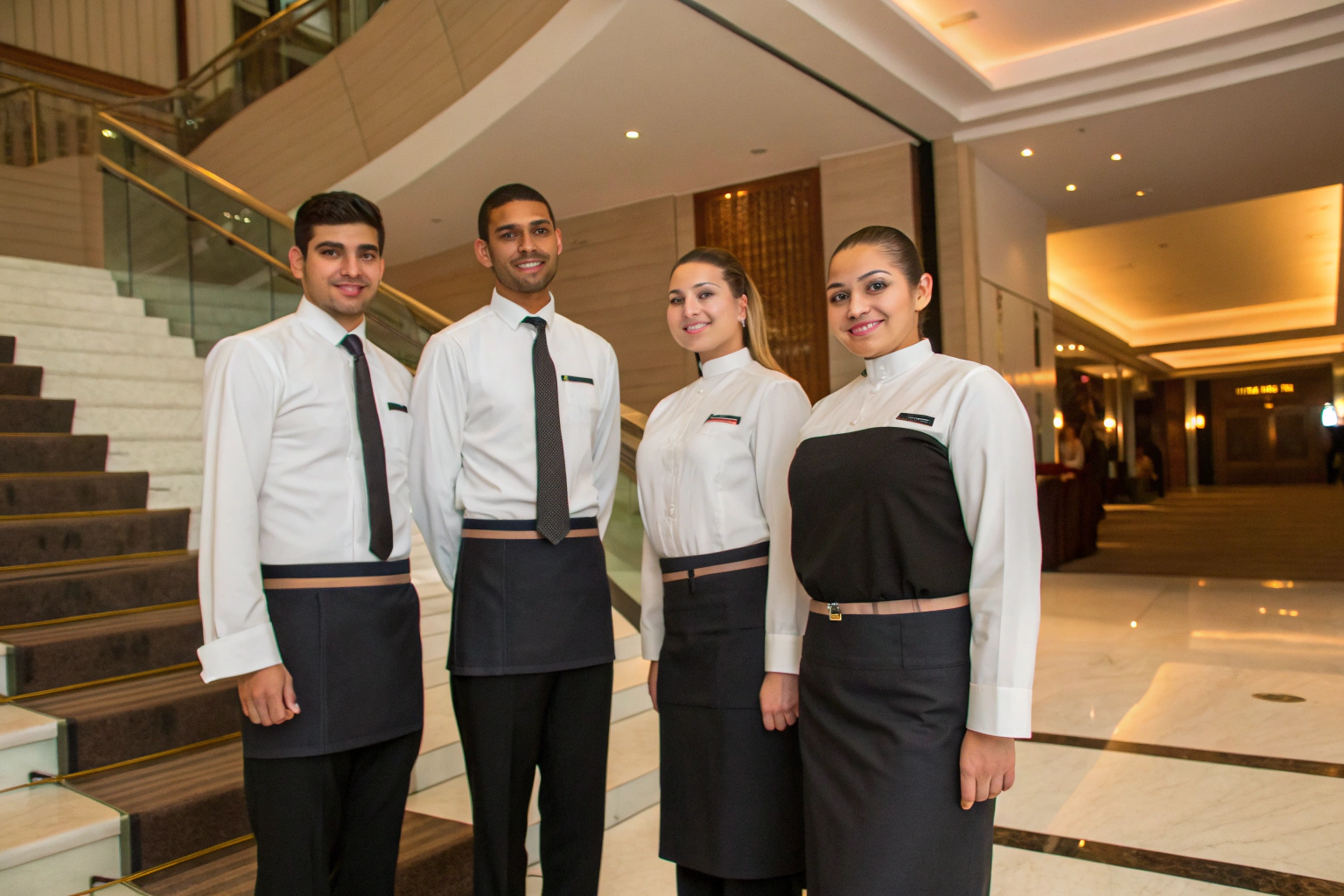
Your boutique hotel staff looks professional, but something feels incomplete. The uniforms lack that final polished touch that elevates your brand aesthetic and makes employees feel truly put together. Standard uniform belts often look generic and fail to complement your carefully curated hotel design philosophy.
The best belt styles for boutique hotel uniforms balance sophisticated aesthetics with practical functionality, featuring minimalist leather designs for management, versatile reversible options for cross-department staff, durable yet stylish web belts for maintenance teams, and discreet no-hole belts for maximum comfort during long shifts. These selections enhance brand image while addressing the diverse physical demands of hotel work across different positions.
Boutique hotels thrive on distinctive design details that create memorable guest experiences. Staff uniforms—and their accessories—contribute significantly to this atmospheric curation, making belt selection more important than many hoteliers initially recognize.
How Do Belt Choices Reflect Boutique Hotel Branding?
Every element in a boutique hotel communicates brand values, and staff uniforms serve as walking brand ambassadors. Belt choices either reinforce or undermine the carefully crafted atmosphere guests expect from a distinctive hospitality experience.
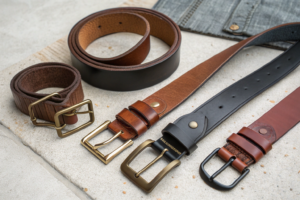
The right belt styles extend brand storytelling through materials, colors, and design details that align with your hotel's specific aesthetic—whether minimalist, heritage, coastal, urban, or rustic. These accessories should look intentionally chosen rather than standard-issue, demonstrating the property's attention to detail that justifies premium positioning.
What Materials Convey Different Brand Personalities?
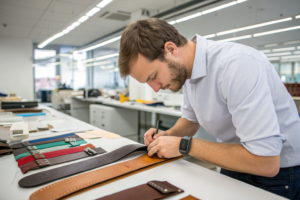
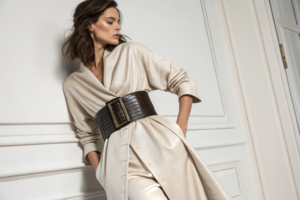
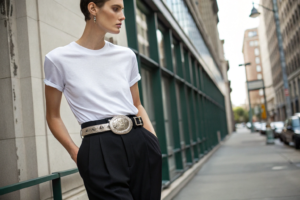
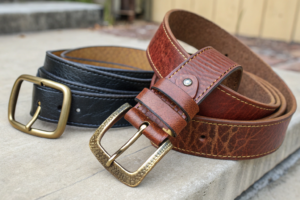
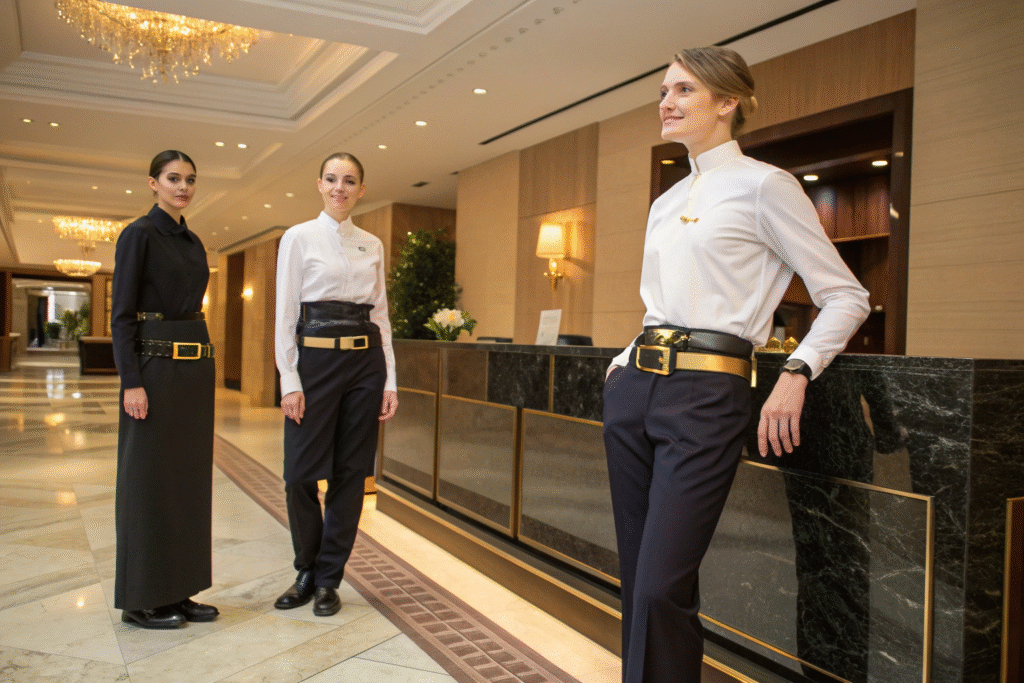
Luxury boutique properties benefit from full-grain leather belts in rich tones that develop character with age, reinforcing values of authenticity and quality. Modern design hotels might select sleek synthetic materials with minimalist buckles that reflect contemporary aesthetics. Heritage properties often choose woven fabric belts or leather with traditional buckle styles that suggest timeless elegance. The material selection should feel intentional and aligned with other design elements throughout the property, from lobby furnishings to guest room details.
How Should Color Selection Complement Uniform Palettes?
Belt colors should either match uniform tones for a monolithic, elongated look or provide subtle contrast that adds depth without distraction. For elevated uniform programs, consider having belts custom-dyed to match specific brand colors unavailable in standard offerings. The most successful implementations use belt color to create visual hierarchy—perhaps management wears a distinctive color while line staff share another—reinforcing organizational structure through subtle accessory differentiation rather than obvious uniform variations.
What Functional Features Support Staff Performance?
Hotel staff perform physically demanding work requiring freedom of movement and all-day comfort. Belt choices must support rather than hinder performance across diverse responsibilities from bending to make beds to standing for extended periods at reception.
Functional belt features become particularly important for staff who work extended shifts or move between dramatically different physical tasks throughout their workday. The right belt disappears during wear, while the wrong one constantly reminds the wearer of its presence through discomfort or impracticality.
Which Designs Maximize All-Day Comfort?
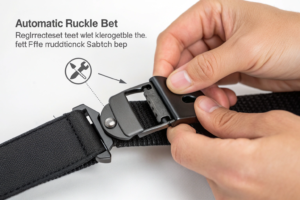
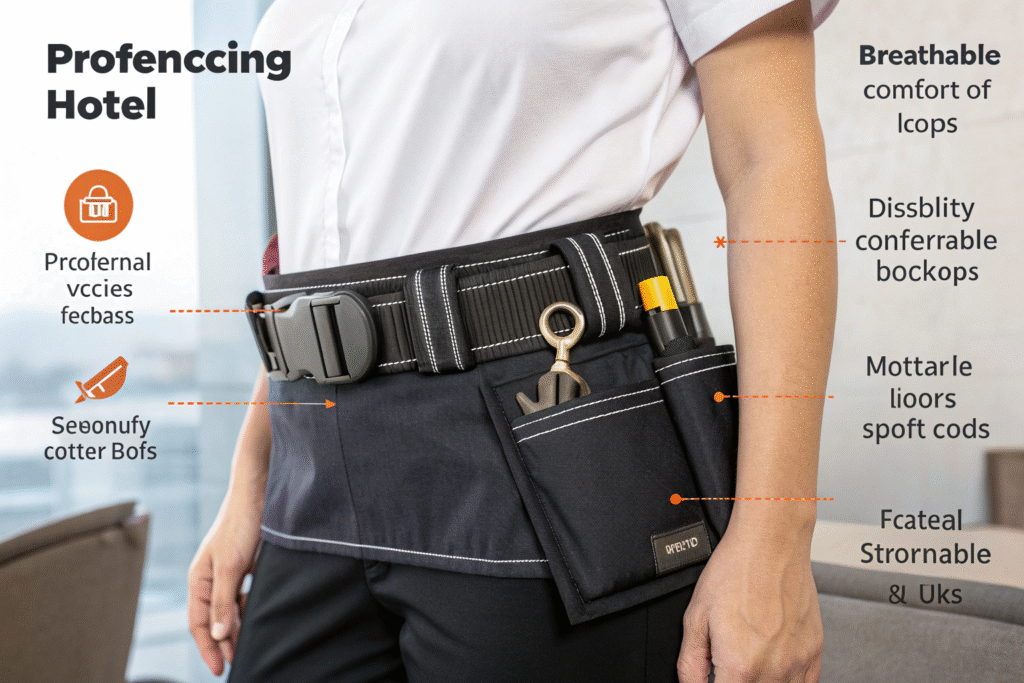
No-hole belt systems with micro-adjustability prevent the discomfort of traditional belts that fit perfectly standing but become restrictive when sitting. For staff who alternate between desk work and physical tasks, this adaptability is invaluable. Flexible core construction allows the belt to move with the body rather than against it, while padded backings prevent digging during prolonged standing. These comfort-focused features reduce distraction and fatigue, allowing staff to focus entirely on guest service rather than their clothing.
What Durability Factors Matter for Daily Hotel Use?
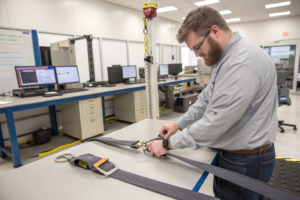
Hotel belts face unique challenges including constant friction against uniform fabrics, exposure to cleaning chemicals, and frequent adjustment. Quality leather finishing resists scuffing from contact with furniture and equipment, while corrosion-resistant buckles maintain appearance despite humidity in laundry and housekeeping areas. Reinforced stitching at stress points prevents failure where belts loop through buckles or experience repeated tension. These durability considerations extend product lifespan despite rigorous daily use across multiple shifts.
How Should Belt Styles Vary by Department?
A one-style-fits-all approach misses opportunities to align accessories with specific departmental needs and visibility levels. Strategic variation ensures each team has belts supporting their particular responsibilities while maintaining overall brand cohesion.
Department-specific belt selection considers front-of-house visibility, physical demands, and professional expectations unique to each position. This tailored approach demonstrates thoughtful uniform planning that respects different work requirements throughout the hotel.
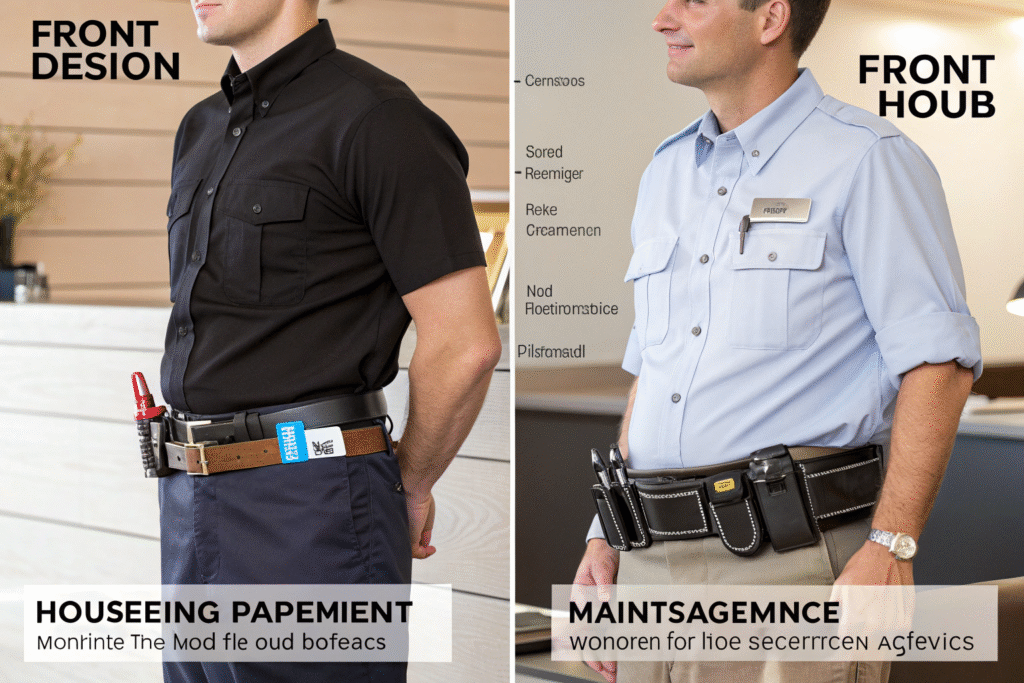
What Styles Suit High-Visibility Front Desk Staff?
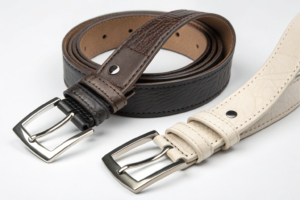
Front desk personnel require the most polished belt options that convey professionalism and attention to detail. Structured leather belts with simple, elegant buckles project competence and reliability. Conservative width (1.25-1.5 inches) and colors that complement rather than compete with the uniform create a put-together appearance. For luxury properties, subtle branding on the buckle back (visible only to staff) can reinforce brand identity without commercializing the guest experience. These choices support the front desk's role as the hotel's visual ambassador.
What Practical Options Work for Housekeeping and Maintenance?
Housekeeping and engineering staff need durable, comfortable belts that withstand physical activity without compromising professionalism. Web belts with quick-release buckles are practical for staff who might need to secure tools or move freely in confined spaces. Dark colors hide inevitable contact with cleaning products or maintenance materials. For positions requiring equipment carrying, consider slightly wider designs (1.75-2 inches) that distribute weight more comfortably. These practical choices acknowledge the physical nature of these roles while maintaining a uniformed appearance.
What Investment Considerations Guide Smart Purchasing?
Uniform accessories represent both financial investment and brand commitment. Smart purchasing decisions balance initial costs against longevity, employee satisfaction, and brand perception across multiple replacement cycles.
Strategic belt purchasing considers more than just unit cost, incorporating factors like replacement frequency, cleaning requirements, and the hidden costs of poor-quality accessories that fail prematurely or undermine staff morale and professional presentation.

How Does Quality Impact Total Cost of Ownership?
Higher initial investment in quality leather belts often proves more economical through extended lifespan. A $60 belt lasting three years delivers better value than a $20 belt requiring annual replacement. Quality construction resists the typical failure points of cheap belts—buckle breakage, finish peeling, stitching failure—that necessitate premature replacement. Additionally, superior appearance maintains brand standards longer, avoiding the gradual degradation that cheap accessories exhibit after repeated cleaning and wear cycles.
What Inventory Strategy Supports Efficient Management?
Maintaining strategic inventory levels of replacement belts in core sizes prevents uniform inconsistencies when staff need replacements. A 10-15% backup inventory covers normal turnover without excessive capital commitment. Implementing a clear replacement protocol specifying when belts are replaced (rather than waiting for complete failure) maintains presentation standards. Tracking belt lifespan by department identifies which positions require more frequent replacement, enabling proactive budgeting rather than reactive purchasing that often sacrifices quality for immediacy.
Conclusion
Boutique hotel uniform belts deserve consideration equal to other design elements that create distinctive guest experiences. The ideal selections blend brand-appropriate aesthetics with practical features that support staff performance across diverse hotel roles. By choosing department-specific styles that reflect property personality while delivering all-day comfort and durability, hotels can elevate their uniform program from merely functional to genuinely brand-enhancing. This attention to accessory detail communicates the thoroughness and quality consciousness that boutique hotel guests expect and appreciate.
If you're developing or refreshing your boutique hotel uniform program, contact our Business Director, Elaine. Our expertise in hospitality accessories can help you select belts that enhance both staff comfort and brand presentation. Reach her at elaine@fumaoclothing.com to discuss your uniform belt requirements.