Petite individuals face consistent challenges in finding belts that fit properly, as standard sizing often overwhelms smaller frames and creates disproportionate styling. Traditional belt designs scaled down from regular sizes frequently fail to address the unique proportions of petite bodies, resulting in accessories that gap, overwhelm, or simply don't function correctly for smaller waists and shorter torsos.
The best belt styles for petite sizing feature proportional scaling beyond simple length reduction, narrower widths that complement smaller frames, strategic placement options that elongate silhouettes, and hardware scaled appropriately for delicate proportions. These designs specifically address the fit and styling challenges unique to petite bodies while maintaining fashion relevance and functionality.
Understanding petite proportions requires more than just making smaller products—it demands rethinking how belts interact with smaller frames. This guide explores the specific styles, proportions, and design elements that work best for petite sizing.
What Proportional Scaling Principles Work for Petite Frames?
Simply reducing belt dimensions uniformly fails to address the complex proportional relationships that make accessories work on petite frames. Successful petite belt design requires understanding how each element interacts with smaller body proportions.
Width, hardware scale, hole placement, and taper ratios must all be adjusted in relationship to each other rather than simply making everything smaller. This proportional approach creates belts that look intentionally designed for petite frames rather than shrunken versions of standard products.
Why Does Width Proportion Matter More Than Absolute Measurement?
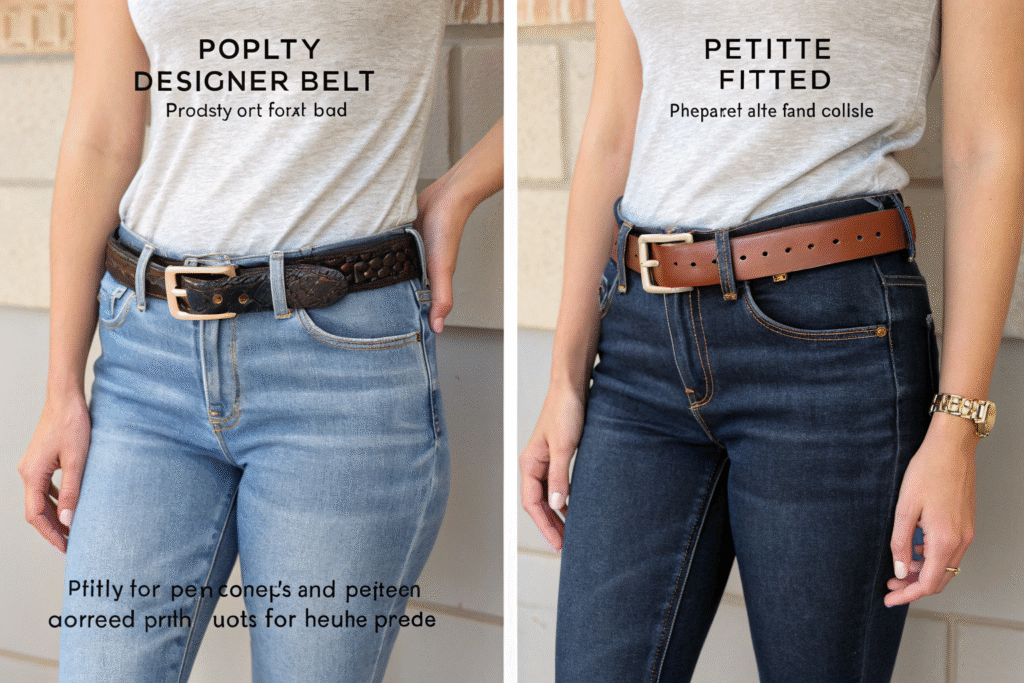
The relationship between belt width and body frame size creates visual balance or imbalance. For petite frames, belts between 1-1.5 inches wide typically work best, as they provide definition without overwhelming smaller proportions. Extremely thin belts can appear insignificant, while wider styles often dominate petite frames. The most flattering widths create a balanced line that defines the waist without cutting the body in half visually.
How Should Hardware Be Scaled for Petite Proportions?
Buckle size should relate to both belt width and body frame, with most petite frames accommodating buckles between 1.5-2.5 inches wide. Oversized buckles can overwhelm delicate features and create visual weight in the wrong places. The most successful petite buckles provide sufficient presence to anchor the outfit while remaining proportional to the wearer's frame and features.
What Styles Create Flattering Visual Effects?
Specific belt styles work particularly well for petite frames by creating visual length, maintaining proportion, and emphasizing natural waist definitions. Understanding these style categories helps petite individuals select belts that enhance rather than compromise their proportions.
Certain silhouettes, materials, and fastening approaches naturally complement smaller frames by working with petite proportions rather than fighting against them. Each style category addresses specific styling challenges.
How Do Slim Reversible Belts Maximize Versatility?
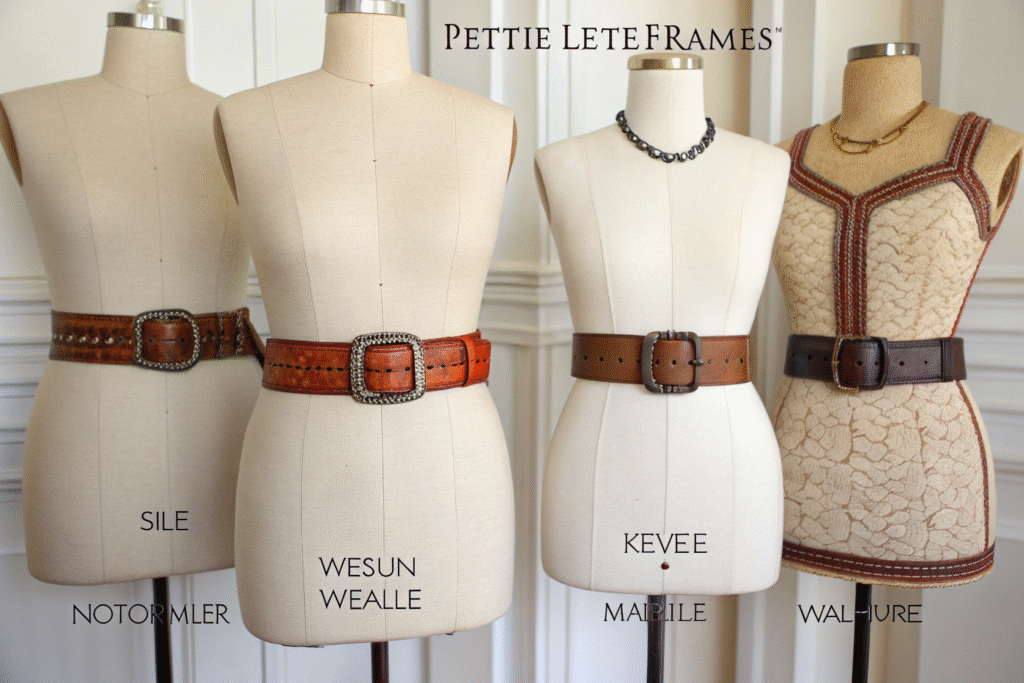
Reversible belts in slender profiles offer multiple styling options from a single accessory, particularly valuable for petite wardrobes where space is limited. These typically 1-1.25 inch wide belts can transition between casual and formal looks while maintaining appropriate scale. The reversible nature doubles styling options without requiring additional storage space, making them ideal for petite individuals building versatile, space-efficient accessory collections.
Why Do Elasticated Waist-Defining Belts Work Well?
Belts with strategic elastic inserts or stretch panels accommodate natural body fluctuations while creating consistent waist definition. For petite frames, these designs prevent the gaping that can occur with rigid belts on shorter torsos. The gentle flexibility allows the belt to move with the body while maintaining its position, creating smooth lines that don't cut across the torso awkwardly.
What Placement Strategies Enhance Petite Proportions?
How and where belts are worn significantly impacts their flattering effect on petite frames. Strategic placement can create visual length, improve balance, and emphasize the natural waist in ways that complement smaller proportions.
Understanding vertical proportion, visual weight distribution, and optical illusion principles enables petite individuals to wear belts in ways that enhance rather than compromise their stature. Each placement approach serves specific styling objectives.

How Does High-Waist Placement Elongate Legs?
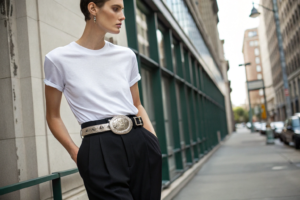
Positioning belts at the natural waist or higher creates the illusion of longer legs by raising the visual waistline. This approach works particularly well with dresses or high-waisted pants where the belt can define the smallest part of the torso. The elevated placement makes legs appear longer while creating balanced proportions between upper and lower body—especially important for petite frames where leg lengthening is often desirable.
Why Should Petite Frames Avoid Low Hip Placement?
Belts worn low on the hips can shorten the torso and overwhelm petite proportions by creating visual bulk in the wrong areas. This placement often works against petite frames by cutting the body at its widest point rather than its narrowest. The resulting silhouette can appear boxy and shortened, exactly the opposite of what most petite individuals hope to achieve with belt styling.
What Fastening Systems Accommodate Petite Needs?
Traditional belt fastening systems often fail petite wearers because standard hole spacing doesn't account for smaller circumference increments between sizes. Innovative fastening approaches can provide better fit and comfort for petite frames.
Adjustment precision, security, and ease of use become particularly important for petite sizing where minor fit variations have significant visual impact. Each fastening system offers different advantages for petite wearers.
How Do Micro-Adjustment Buckles Improve Petite Fit?
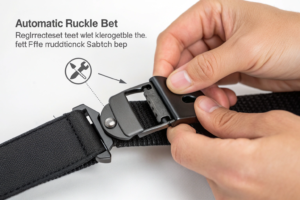
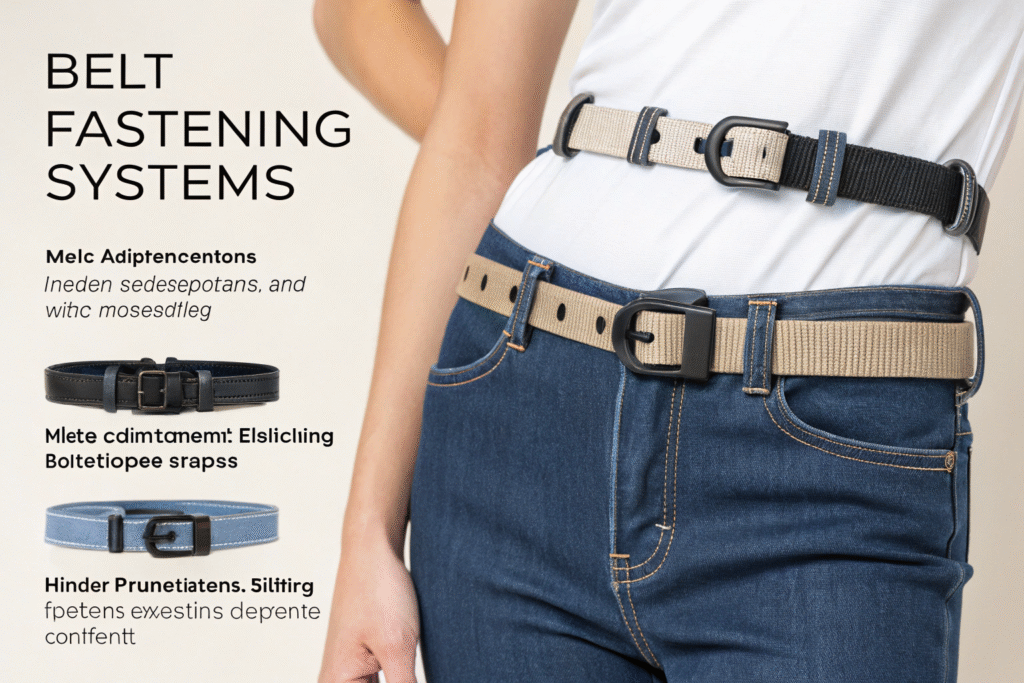
Systems allowing tiny incremental adjustments enable perfect fit for petite frames that might fall between standard hole placements. These mechanisms typically offer 1/4-inch adjustments rather than the standard 1-inch increments, accommodating the subtle size variations that matter more on smaller frames. The precision fit prevents the awkward between-holes positioning that can compromise both comfort and appearance.
Why Are Magnetic Closures Particularly Petite-Friendly?
Magnetic buckle systems provide secure fastening with easy operation that works well for petite hands and strength. These closures typically lie flatter than traditional buckles, reducing bulk at the waistline. The effortless operation makes adjustment simple throughout the day as bodies naturally change—particularly valuable for petite individuals who might find traditional buckles cumbersome or difficult to manage.
| Style Category | Petite Advantage | Ideal Proportion |
|---|---|---|
| Slim Reversible | Space efficiency, versatility | 1-1.25 inch width |
| Waist-Defining Elastic | Accommodates fluctuations | 1.5 inch with strategic stretch |
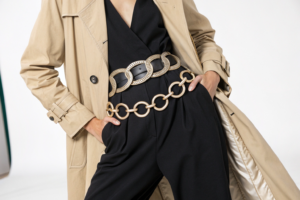
| Chain Detail | Lightweight visual interest | Delicate links, proportional hardware |
| Knotted or Tie | Adjustable, soft appearance | 1-1.5 inch fabric width |
Conclusion
The best belt styles for petite sizing address the unique proportional challenges of smaller frames through specifically scaled dimensions, flattering silhouettes, strategic placement, and precision adjustment systems. By understanding that petite design requires more than simple size reduction—demanding instead a complete rethinking of proportion relationships—brands can create belts that truly work for petite individuals. The most successful approaches make petite wearers feel the belt was designed specifically for their body rather than being a compromised version of a standard product.
Ready to develop belt collections specifically designed for petite sizing? At StylishBelts, we specialize in proportional design that addresses the unique needs of petite frames without compromising style or quality. Contact our Business Director Elaine today at elaine@fumaoclothing.com to discuss how our petite expertise can enhance your product offerings for smaller frames.