Uniform programs face unique challenges in balancing professional appearance, durability, comfort, and cost-effectiveness. Standard retail belts often fail to withstand the demands of daily professional use, leading to frequent replacements, inconsistent appearance, and employee discomfort. The wrong belt choice can undermine an otherwise effective uniform program.
The best belt styles for uniform programs combine durable construction, professional aesthetics, practical functionality, and consistent availability. These belts must maintain their appearance through daily wear while accommodating the specific needs of different professions, from hospitality and security to healthcare and corporate environments.
Selecting the right belt styles requires understanding both the practical demands of various work environments and the operational requirements of uniform management. This guide explores the belt styles that deliver optimal performance across different uniformed professions.
What Defines an Ideal Uniform Belt?
Uniform belts must meet significantly different requirements than fashion accessories. While appearance matters, functionality, durability, and consistency often determine program success more than mere aesthetics.
The ideal uniform belt features reinforced construction, conservative styling, easy maintenance, and reliable availability for replacement and expansion. These characteristics ensure the belt supports rather than complicates uniform program management.
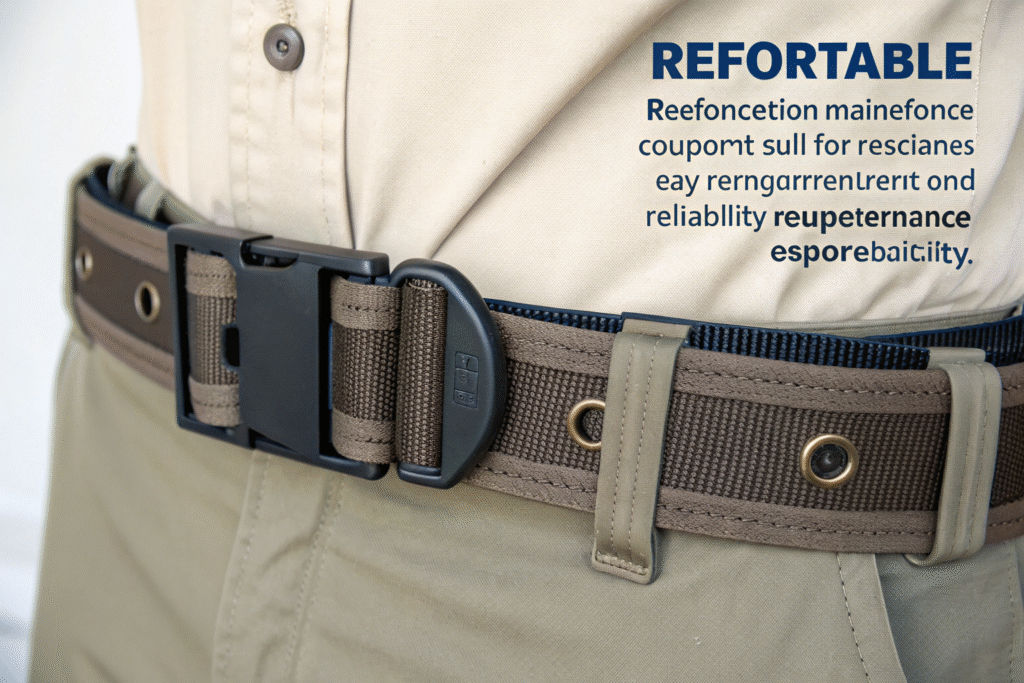
Why Does Durability Outweigh Fashion in Uniform Applications?
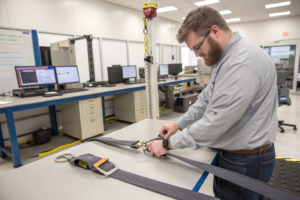
Uniform belts experience daily wear that far exceeds typical consumer use, often in demanding environments with exposure to chemicals, moisture, and physical stress. Belts must maintain their professional appearance through hundreds of wears without significant deterioration. Reinforced stitching, quality buckle mechanisms, and scuff-resistant materials become essential rather than optional features.
How Does Consistency Impact Uniform Program Management?
Uniform programs require consistent appearance across all employees regardless of when items were purchased or replaced. Belt colors must match exactly, buckle styles must remain identical, and sizing must be predictable across production runs. This consistency eliminates the visual chaos that occurs when employees source their own accessories or when replacement items differ slightly from originals.
Which Belt Styles Work Best for Specific Professions?
Different work environments create distinct requirements for belt functionality and appearance. Understanding these profession-specific needs ensures selected belts enhance rather than hinder job performance.
Security, hospitality, healthcare, and corporate settings each benefit from tailored belt features that address their unique challenges. The most effective uniform programs select belts based on occupational requirements rather than one-style-fits-all approaches.
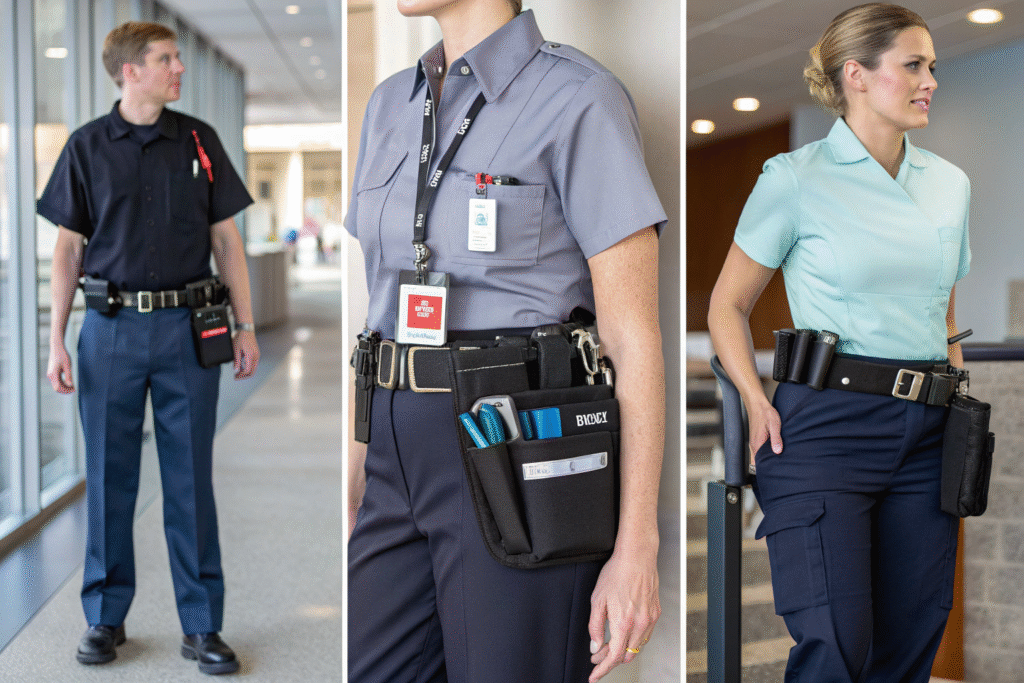
What Makes Security Belts Different from Standard Designs?
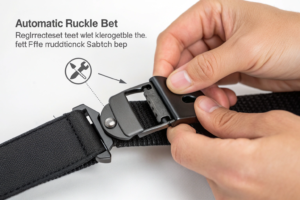
Security personnel require belts that support equipment carrying while maintaining professional appearance. These belts typically feature reinforced construction to handle the weight of radios, restraint systems, and utility pouches without sagging or distortion. Quick-release mechanisms provide safety benefits, while conservative buckle designs maintain authority without appearing overly tactical.
Why Do Hospitality Belts Need Stain Resistance and Comfort?
Hotel, restaurant, and event staff require belts that withstand frequent cleaning while maintaining comfort during long shifts. Stain-resistant treatments, moisture-wicking linings, and flexible materials ensure belts remain presentable through spills and maintain comfort during extended standing. Discreet, elegant buckle designs complement uniform aesthetics without drawing excessive attention.
What Operational Factors Should Influence Belt Selection?
Beyond appearance and profession-specific needs, several operational considerations significantly impact uniform program success. These practical factors often determine whether a belt style works within broader uniform management systems.
Cost management, inventory complexity, and replacement logistics should influence belt selection as much as aesthetic considerations. The most successful choices balance all these factors effectively.
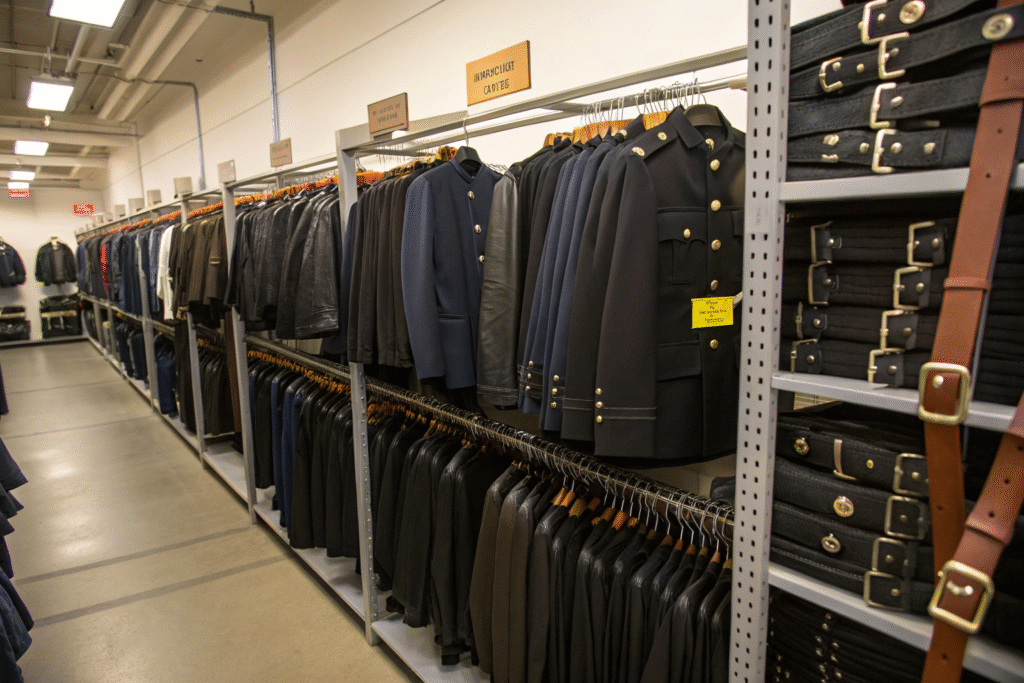
How Does Total Cost of Ownership Differ from Purchase Price?
Uniform managers must consider long-term costs beyond initial purchase price, including replacement frequency, cleaning expenses, and employee satisfaction impact. A slightly more expensive belt that lasts twice as long typically provides better value than a cheap alternative requiring frequent replacement. Durability testing and lifecycle cost analysis prevent false economy in belt selection.
Why Does Inventory Simplicity Matter for Large Programs?
Uniform programs serving hundreds or thousands of employees benefit from streamlined inventory management. Limiting belt options to a few core styles and sizes reduces storage requirements, simplifies ordering, and ensures consistency. The most effective programs often standardize on 2-3 belt styles that cover all uniform needs rather than offering extensive choice that complicates operations.
What Features Enhance Uniform Belt Performance?
Specific design features can significantly improve belt performance in uniform applications. These elements address common issues that undermine uniform program effectiveness and employee satisfaction.
Adjustment systems, material selections, and buckle mechanisms each contribute to overall performance. Understanding these features helps identify belts that will perform well in uniform environments.
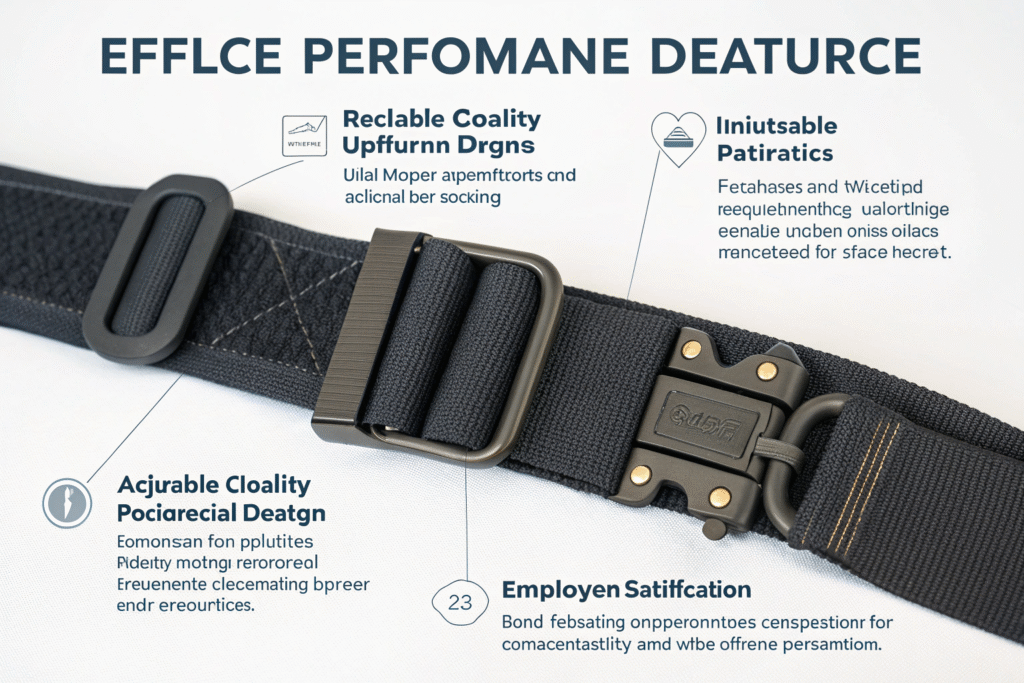
How Do Advanced Adjustment Systems Improve Fit?
Traditional belt holes provide limited sizing options that often fail to accommodate all body types comfortably. Belts with micro-adjustment capabilities or continuous sizing systems ensure better fit across diverse employee populations. Improved comfort reduces distraction and increases wear compliance, ensuring uniform standards are consistently maintained.
Why Do Certain Materials Outperform in Uniform Applications?
While genuine leather offers traditional appeal, advanced synthetic materials often provide superior performance in demanding uniform environments. These materials typically offer better stain resistance, moisture management, and consistency while requiring less maintenance. The material selection should align with cleaning protocols and wear conditions specific to each work environment.
| Profession | Key Belt Requirements | Recommended Features |
|---|---|---|
| Security/Law Enforcement | Equipment support, durability | Reinforced webbing, quick-release, equipment loops |
| Hospitality | Stain resistance, elegant appearance | Synthetic materials, discreet buckles, comfort lining |
| Healthcare | Cleanability, comfort during long shifts | Antimicrobial treatment, flexible construction, simple buckles |
| Corporate | Professional aesthetics, consistency | Conservative leather, standard buckle designs, precise sizing |
Conclusion
Selecting the best belt styles for uniform programs requires balancing professional appearance, occupation-specific functionality, operational practicality, and cost management. The most successful choices enhance uniform standards while withstanding the demands of daily professional use. By understanding the distinct requirements of different work environments and the operational realities of uniform management, organizations can select belts that support their broader uniform objectives rather than complicating them.
Ready to develop belt solutions for your uniform program? At StylishBelts, we specialize in creating accessories that meet the specific demands of uniformed professionals across multiple industries. Contact our Business Director Elaine today at elaine@fumaoclothing.com to discuss how our uniform belt expertise can enhance your program's effectiveness and appearance.