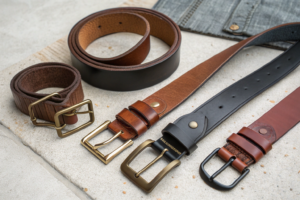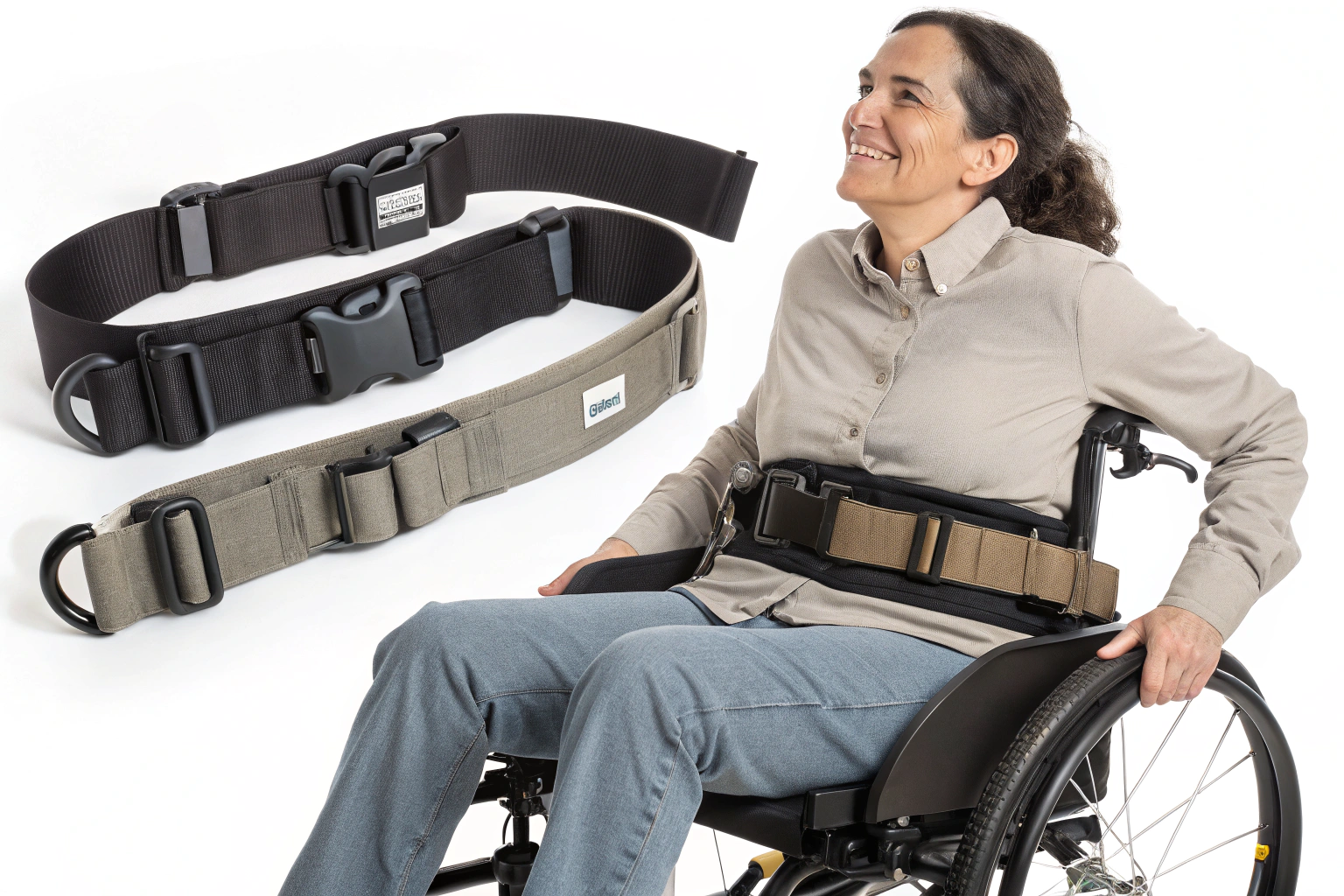
Finding functional and comfortable belts presents unique challenges for wheelchair users, whose sitting position, mobility requirements, and pressure distribution needs differ significantly from ambulatory individuals. Standard belt designs often create discomfort, pressure points, or functional limitations when adapted to seated use throughout the day.
The best belt styles for wheelchair users prioritize easy fastening, minimal bulk, pressure distribution, and accessibility while accommodating seated posture and providing secure function without restricting movement or circulation. These specialized designs address the unique ergonomic requirements of prolonged sitting while maintaining style and dignity.
Understanding the specific needs of wheelchair users transforms belt selection from a simple fashion choice to an important functional decision. Let's explore the key considerations and optimal designs for this user group.
What Design Features Enhance Comfort and Function?
Specific design elements dramatically improve belt performance for wheelchair users, addressing common pain points while maintaining practicality.
How Do Stretch and Flexibility Features Help?
Belts incorporating elasticated sections or full stretch construction accommodate the natural body expansion that occurs during sitting while maintaining consistent tension. These designs prevent the tight, restrictive feeling that standard belts can create across the abdomen when seated. The gentle compression provided by stretch belts can also offer subtle postural support without creating pressure points. Look for belts with strategic elastic integration that maintain their shape while providing the necessary give for comfortable all-day sitting and position changes.
What Fastening Systems Work Best?
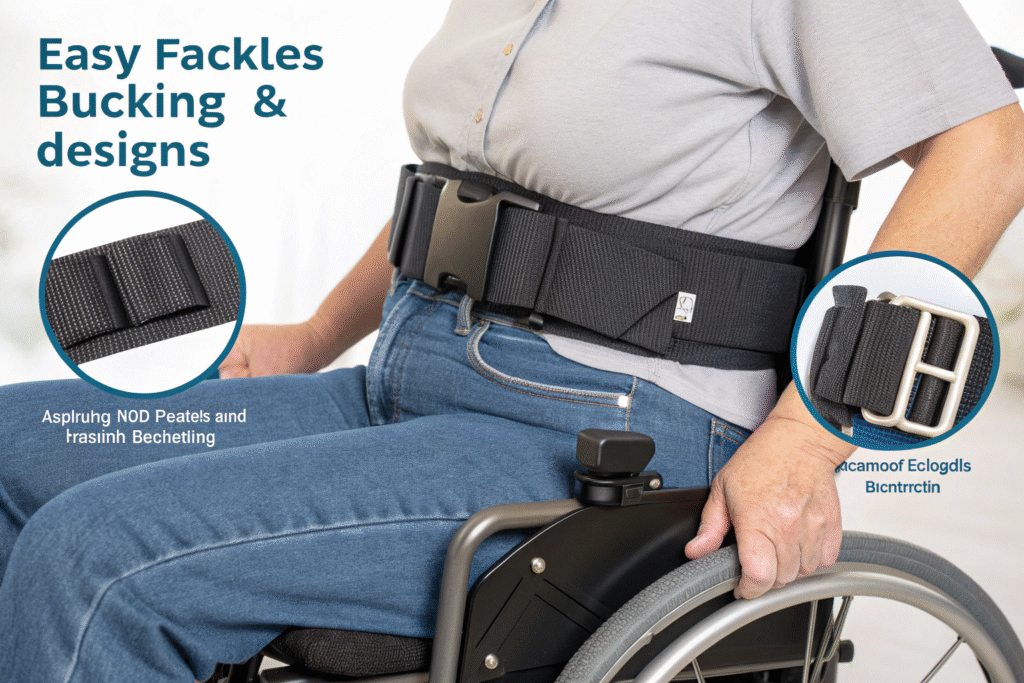
Magnetic closures, velcro systems, and easy-grip buckle designs provide the ideal combination of security and accessibility for wheelchair users. These systems require minimal hand strength and dexterity, making them suitable for users with limited hand function. Unlike traditional belt buckles that can dig into the abdomen or catch on clothing during transfers, these streamlined fasteners lie flat and smooth against the body. The best designs allow for easy one-handed operation while providing audible or tactile confirmation of secure fastening.
How Does Material Selection Impact Usability?
The choice of materials significantly affects comfort, durability, and practical functionality for wheelchair users.
What Backing Materials Prevent Skin Irritation?
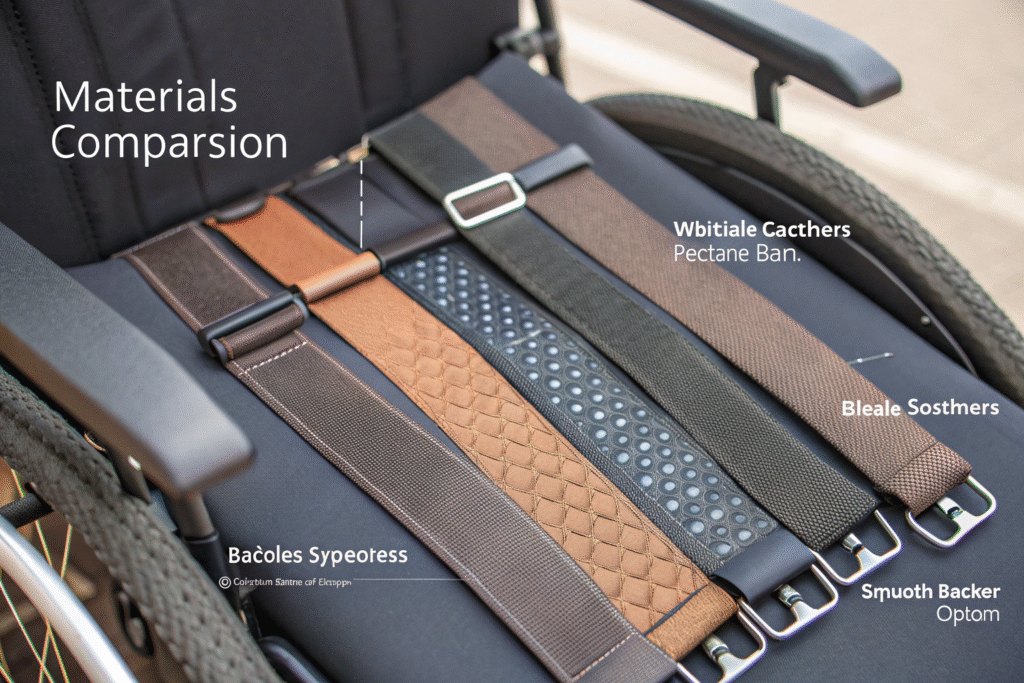
Smooth, seamless backings are crucial for preventing skin damage and discomfort during prolonged sitting. Belts with full leather lining or soft fabric backings protect against friction and pressure points that can lead to skin breakdown. Materials should be breathable to prevent moisture buildup and hypoallergenic to avoid irritation. Unlike standard belts that may have rough seams or hardware on the inner surface, wheelchair-appropriate designs prioritize completely smooth interiors that won't create pressure points against the back or sides when leaning against wheelchair backs.
How Do Weight and Thickness Affect Comfort?
Lightweight, low-profile designs prevent the bulkiness that can interfere with wheelchair positioning and comfort. Thinner belt constructions distribute pressure more evenly across the seated abdomen and back. Materials should be substantial enough to maintain their function but not so heavy that they create dragging pressure or interfere with body positioning. The ideal balance provides enough structure to serve its purpose without adding significant weight or volume that could compromise comfort during extended sitting periods.
What Specialized Styles Address Specific Needs?
Certain belt styles naturally accommodate the unique requirements of wheelchair users better than traditional designs.
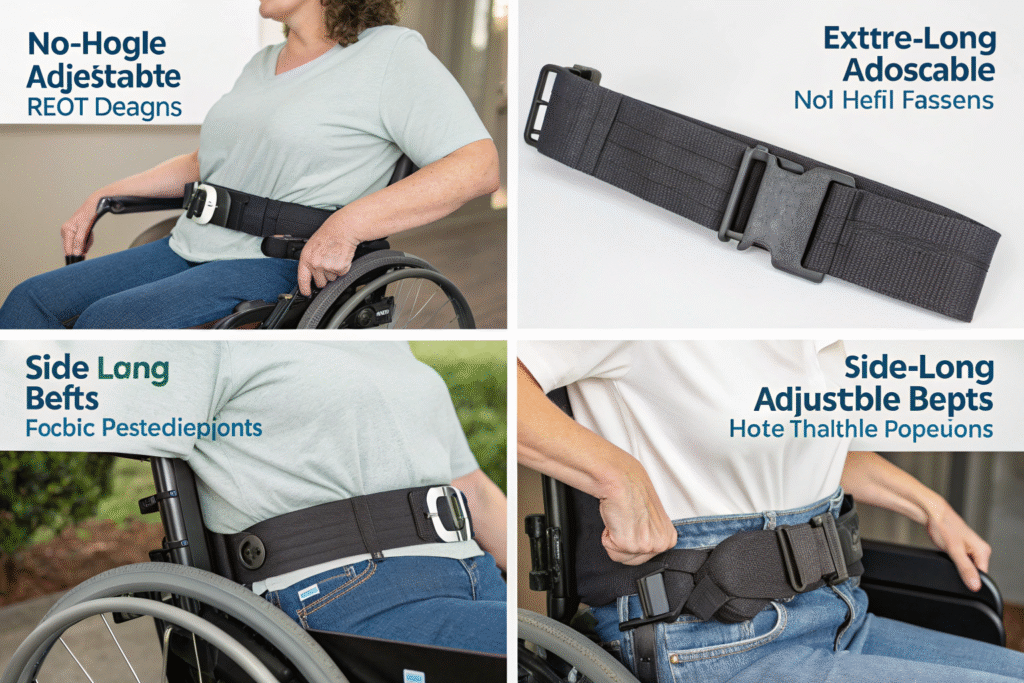
Why Are No-Hole Adjustable Belts Ideal?
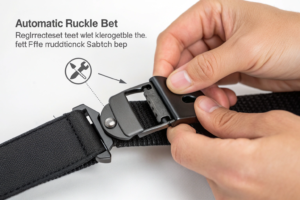
Ratchet belt systems and continuous adjustment mechanisms provide micro-adjustable fit that accommodates the body's changing dimensions throughout the day. These systems eliminate the limited positioning of traditional hole belts, allowing for precise comfort tuning as the user changes position or experiences abdominal bloating. The ability to make small incremental adjustments without removing the belt is particularly valuable for wheelchair users who may find frequent readjustment challenging. These systems also typically feature smoother interior surfaces without protruding prongs that can create pressure points.
How Do Side-Fastening Designs Improve Function?
Belts with side or angled closures prevent hardware from pressing into the abdomen when leaning forward or against wheelchair backs. These designs position buckles or closures toward the hip area where they're less likely to cause discomfort or pressure points. Side-fastening options also often provide easier access for users who fasten their own belts, as the closure sits in a more natural hand position rather than directly in front. This positioning can significantly improve independence for users with limited reach or flexibility.
What Safety Considerations Guide Selection?
Safety factors unique to wheelchair use must inform belt selection to prevent medical complications and ensure secure function.
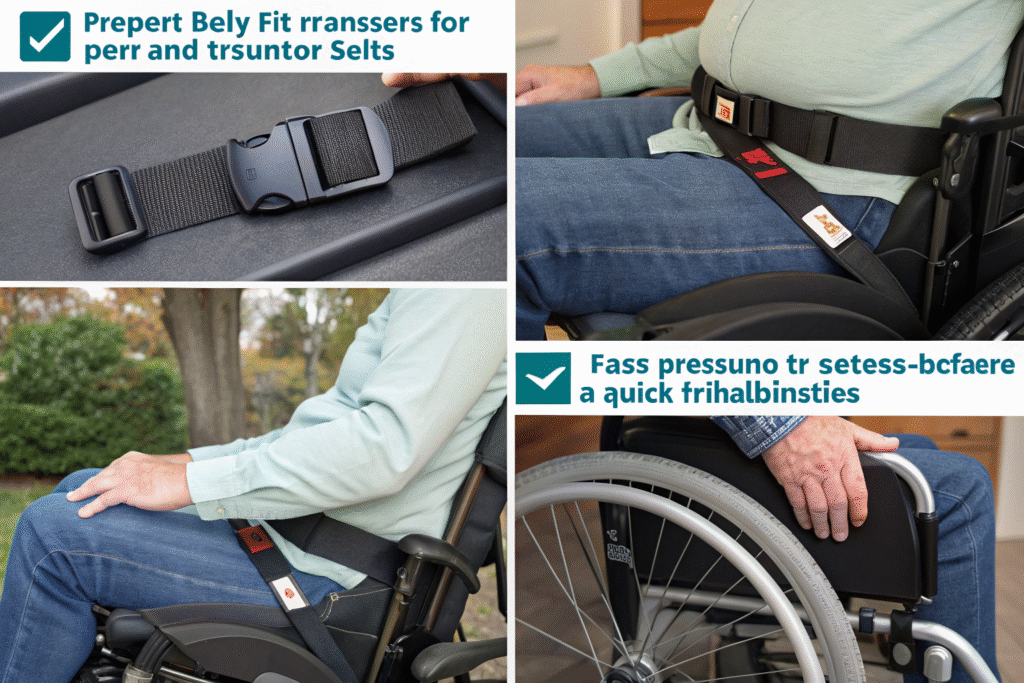
How Does Proper Fit Prevent Medical Issues?
Correct sizing and adjustment are crucial for preventing pressure-related skin complications that wheelchair users may develop. Belts should be snug enough to serve their function without restricting circulation or creating concentrated pressure points. The ability to accommodate daily fluctuations in abdominal size helps maintain consistent, appropriate pressure levels. Medical professionals often recommend belts that can be easily loosened during prolonged sitting periods to reduce pressure risks while maintaining dignity and clothing security.
What Quick-Release Features Enhance Safety?
Emergency quick-release mechanisms provide important safety benefits for wheelchair users who may need rapid medical access or position changes. Magnetic clasps that separate under specific pressure, velcro systems that tear away quickly, and breakaway belt designs can prevent entanglement during transfers or emergencies. These features are particularly valuable for users with conditions that may require urgent medical attention or who need assistance with personal care throughout the day. The ideal quick-release system balances easy emergency access with secure everyday function.
How Can Style and Dignity Be Maintained?
While functionality is paramount, maintaining personal style and dignity through belt choice remains important for wheelchair users.

What Stylish Adaptive Options Exist?
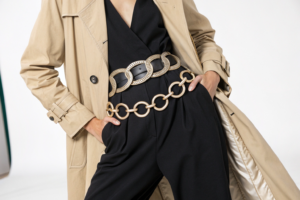
Many fashion-forward adaptive brands now offer belts that combine medical-grade functionality with contemporary styling. These options include designer materials, modern color palettes, and fashionable hardware that align with current trends while incorporating necessary adaptive features. The growing adaptive fashion movement has significantly expanded stylish options that don't force users to choose between function and appearance. These designs help maintain personal expression and confidence while addressing physical needs.
How Can Standard Belts Be Adapted?
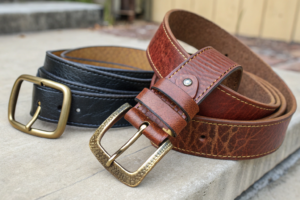
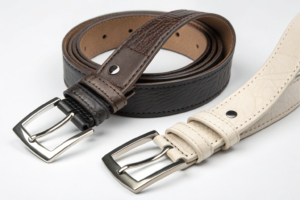
Some traditional belt styles can be modified for better wheelchair compatibility. Thinner leather belts with smooth buckles can work well if properly sized and positioned. Switching to side fastening or adding aftermarket quick-release modifications can improve standard belt functionality. The key is selecting designs with minimal internal hardware, smooth surfaces, and enough flexibility to accommodate seated positions comfortably. Sometimes, simple adjustments to wearing position or fastening technique can make conventional belts more wheelchair-friendly.
Conclusion
The best belt styles for wheelchair users successfully balance medical necessity, functional requirements, and personal style. By prioritizing easy fastening, pressure distribution, flexibility, and safety, these specialized designs significantly enhance comfort and independence while addressing the unique challenges of seated wear.
As adaptive fashion continues to evolve, wheelchair users have more options than ever for belts that meet both their physical needs and aesthetic preferences. If you're interested in developing or sourcing belts specifically designed for wheelchair users, contact our Business Director, Elaine, at elaine@fumaoclothing.com to discuss how our design expertise and manufacturing capabilities can create products that combine optimal function with dignified style for this important market segment.