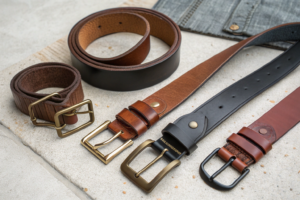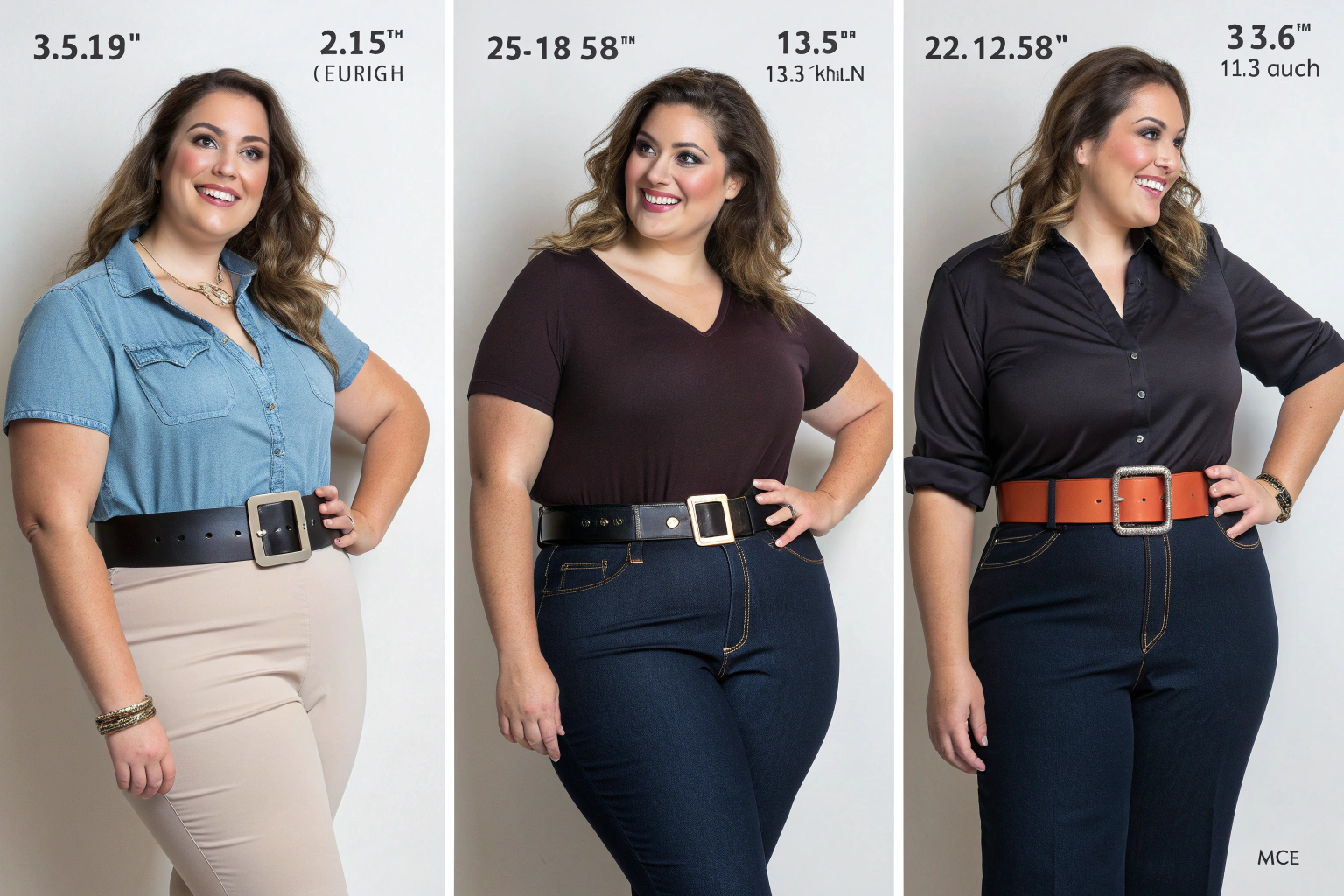
Plus-size fashion represents one of the fastest-growing segments in the apparel industry, yet many brands struggle with accessory scaling. Belts designed for standard sizes often fail both functionally and aesthetically when applied to plus-size proportions, leading to discomfort, poor fit, and style limitations for a significant customer base.
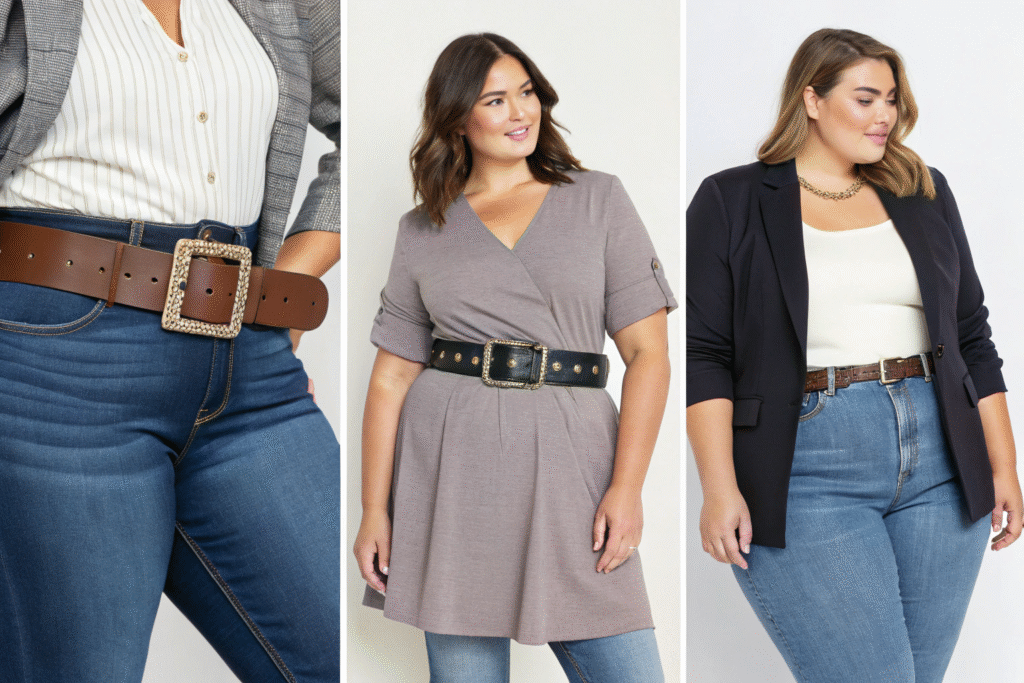
The best belt widths for plus-size fashion lines range from 1.5 inches (38mm) to 3 inches (76mm), with specific widths serving different functions. Medium widths (1.5"-2") work best for defining the waist in dresses and tunics, while wider belts (2.5"-3") provide superior support and proportion balancing for hips and abdominal areas in pants and jeans.
Properly scaled belts do more than just fasten - they create flattering silhouettes, provide comfortable support, and empower confidence. Understanding the relationship between width, proportion, and function is essential for creating successful plus-size accessories.
How Does Belt Width Affect Plus-Size Proportion and Silhouette?
Width selection directly impacts how a belt enhances or disrupts body proportions. The right width creates visual balance and flattering lines, while the wrong width can emphasize areas the wearer may wish to minimize.
In plus-size fashion, belts serve as strategic styling tools rather than just functional accessories. Wider belts generally work better for creating defined waistlines and balancing broader shoulder and hip proportions. The scale of the belt must match the scale of the body and garment to achieve harmonious proportions.
What width creates the most flattering waist definition?
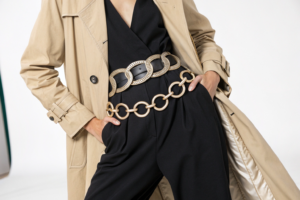
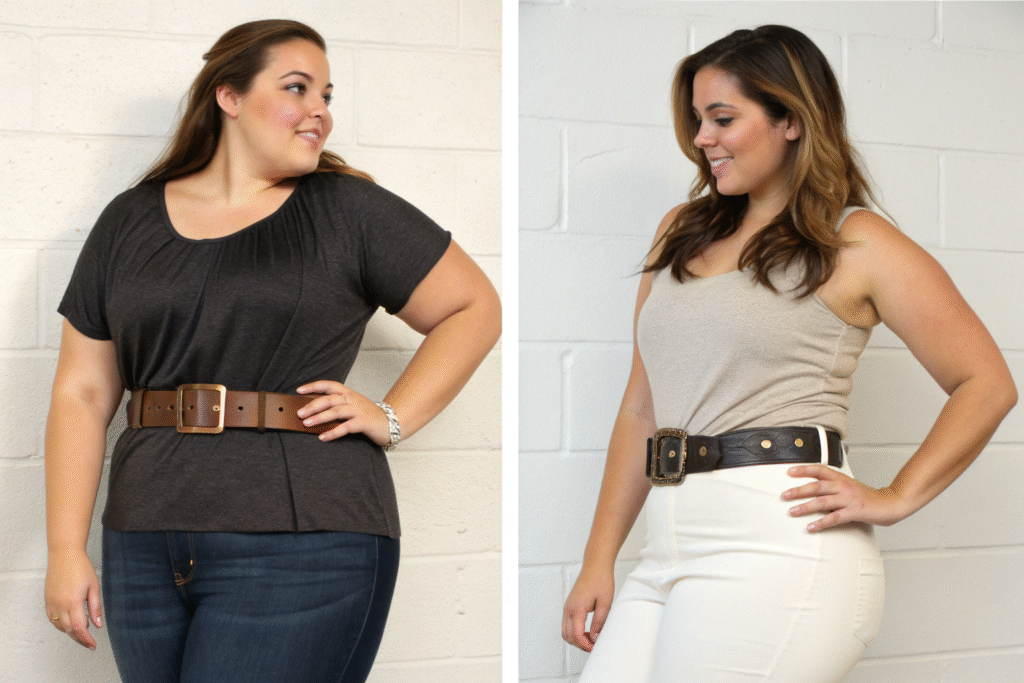
For waist definition, 2-inch to 2.5-inch widths typically deliver the most flattering results on plus-size figures. This width is substantial enough to create a visible waistline without appearing disproportionate. When placed at the natural waistline, this width helps create the coveted hourglass silhouette by clearly marking the narrowest part of the torso. The proportion principle in styling suggests that accessories should scale to body size, making medium-width belts ideal for defining curves without overwhelming the frame.
How does width impact vertical body proportions?
Narrower belts (1.5"-1.75") can create the illusion of height when worn with dresses or long tops, as they create less horizontal breakage. Conversely, wider belts (2.5"-3") work well to visually shorten the torso when this creates better balance with the lower body. Understanding these optical effects allows designers to create belts that help customers achieve their desired proportional effects, making width a powerful tool in the plus-size styling arsenal.
What Functional Considerations Determine Ideal Width?
Beyond aesthetics, functional considerations heavily influence optimal belt widths for plus-size customers. Comfort, support, and practical fastening mechanisms vary significantly across different widths and applications.
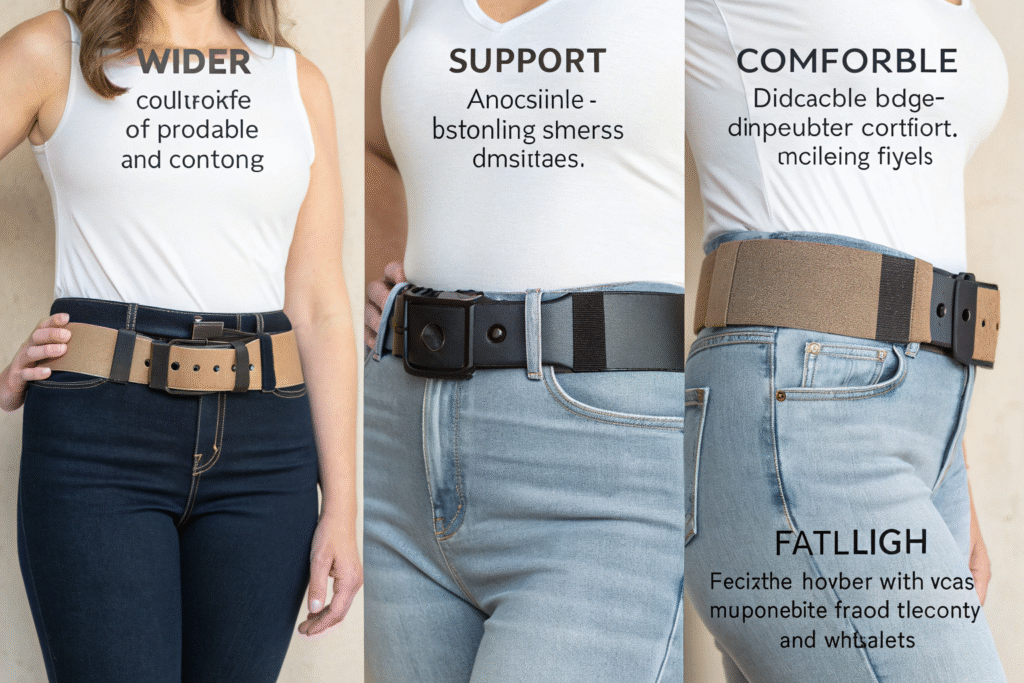
Wider belts distribute pressure more evenly around the torso, reducing the "digging in" sensation that can occur with narrow belts on softer body contours. This improved weight distribution makes wider belts more comfortable for all-day wear, particularly when sitting for extended periods.
How does width affect comfort and wearability?
Comfort increases with width up to a point, as broader surfaces distribute pressure across a larger area. For plus-size customers, 2.5-inch widths often provide the ideal balance of support and flexibility. Beyond 3 inches, belts may become restrictive during movement, particularly when sitting. The ergonomic design principle of pressure distribution confirms that wider support surfaces reduce localized pressure points, making medium-to-wide belts more comfortable for extended wear.
What fastening systems work best with wider belts?
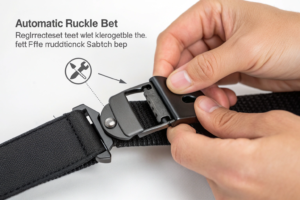
Wider belts require proportionally scaled hardware for both aesthetic balance and functional performance. Plate buckles and automatic closure systems typically work better than traditional pin buckles for widths over 2 inches, as they provide more secure fastening across the broader surface. The mechanism should engage multiple points or distribute tension evenly to prevent the belt from twisting or gaping, common issues when standard fasteners are applied to wider plus-size belts.
How Should Belt Width Vary by Garment Type?
The ideal belt width changes depending on the garment it's accessorizing. Understanding these contextual applications helps brands create appropriately scaled products for different plus-size clothing categories.
Different garments create different styling opportunities and functional requirements. A belt that works perfectly with jeans may be unsuitable for a dress, making versatile width offerings essential for comprehensive plus-size collections.
What widths work best with plus-size jeans and pants?
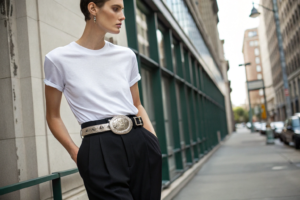
For jeans and pants, 1.5-inch to 2-inch widths typically work best as they fit standard belt loops while providing sufficient support. This width range offers a secure hold without adding bulk at the waistline that might create visible lines under tops. The denim industry standard for belt loops generally accommodates up to 2-inch widths, making this the practical maximum for pants belts unless specifically designed with expanded loops.
Which widths are ideal for plus-size dresses and tunics?
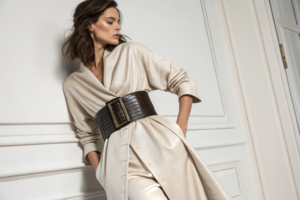
Dresses and tunics offer more flexibility, with 2-inch to 3-inch widths creating beautiful waist definition. Empire waist dresses often accommodate the widest belts (up to 3 inches), while shift dresses and tunics typically pair best with 2-inch to 2.5-inch widths. These broader belts help create shape in otherwise loose-fitting garments, serving both functional and aesthetic purposes in plus-size dressing.
What Manufacturing Adjustments Are Needed for Plus-Size Belts?
Creating successful plus-size belts requires specific manufacturing adjustments beyond simply extending length. Proportion, materials, and construction must all be optimized for larger-scale accessories.
Standard belt patterns and construction techniques often fail when scaled up for plus-size applications. Specialized manufacturing approaches ensure that wider belts maintain their shape, provide comfortable wear, and deliver long-lasting performance.
How does pattern making differ for wider belts?
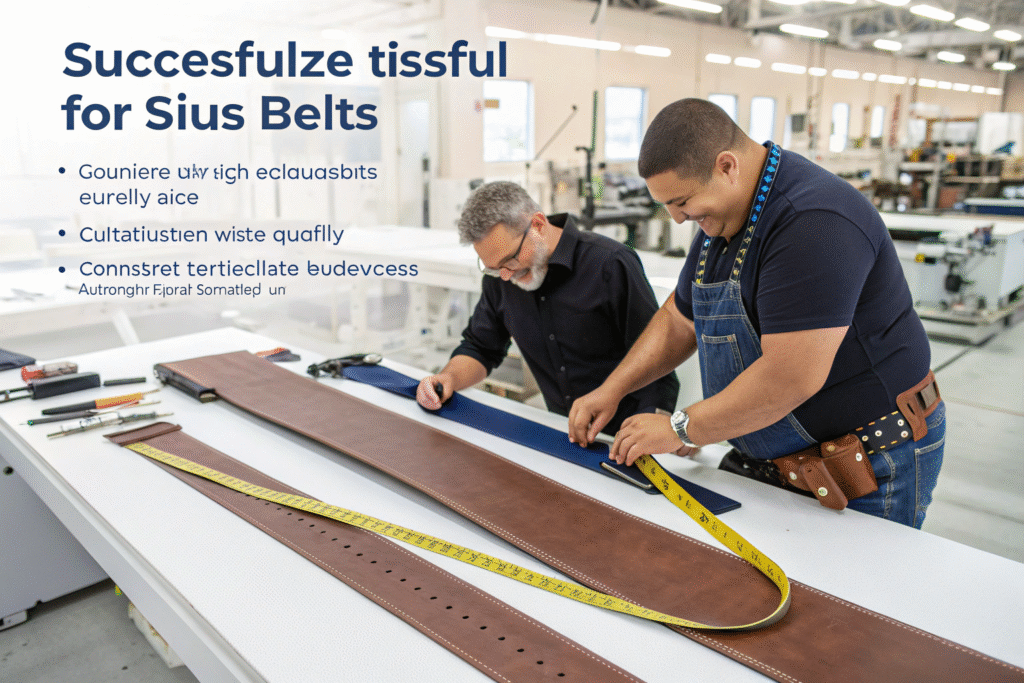
Wider belts require adjusted pattern grading to account for increased material and different stress points. The curvature at the buckle end must be more gradual to prevent buckling, and the tapering toward the tip needs recalculation to maintain proportion. Additionally, wider belts often benefit from strategic reinforcement at stress points to prevent deformation over time, requiring specialized pattern engineering that differs from standard belt manufacturing.
What material considerations are unique to plus-size widths?
Wider belts require materials with appropriate flexibility and structural integrity. While genuine leather offers natural moldability, high-quality PU and reinforced textiles often provide more consistent performance across broader surfaces. The material must resist creasing and maintain its shape while accommodating body movement. Lamination techniques may need adjustment to prevent delamination along the increased surface area, ensuring the belt retains its appearance through extended use.
Conclusion
Selecting the right belt widths for plus-size fashion lines requires understanding the intersection of proportion, function, and manufacturing. The 1.5-inch to 3-inch range covers most applications, with specific widths serving distinct purposes in creating flattering silhouettes and comfortable wear. By scaling accessories to match plus-size proportions, brands can deliver products that truly meet their customers' needs for both style and comfort.
If your brand is developing a plus-size belt collection and needs manufacturing expertise in proportionally scaled accessories, our factory specializes in creating belts optimized for plus-size proportions. Contact our Business Director, Elaine, at elaine@fumaoclothing.com to discuss how we can help develop the right width options for your fashion line.