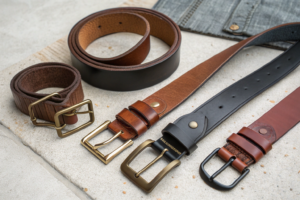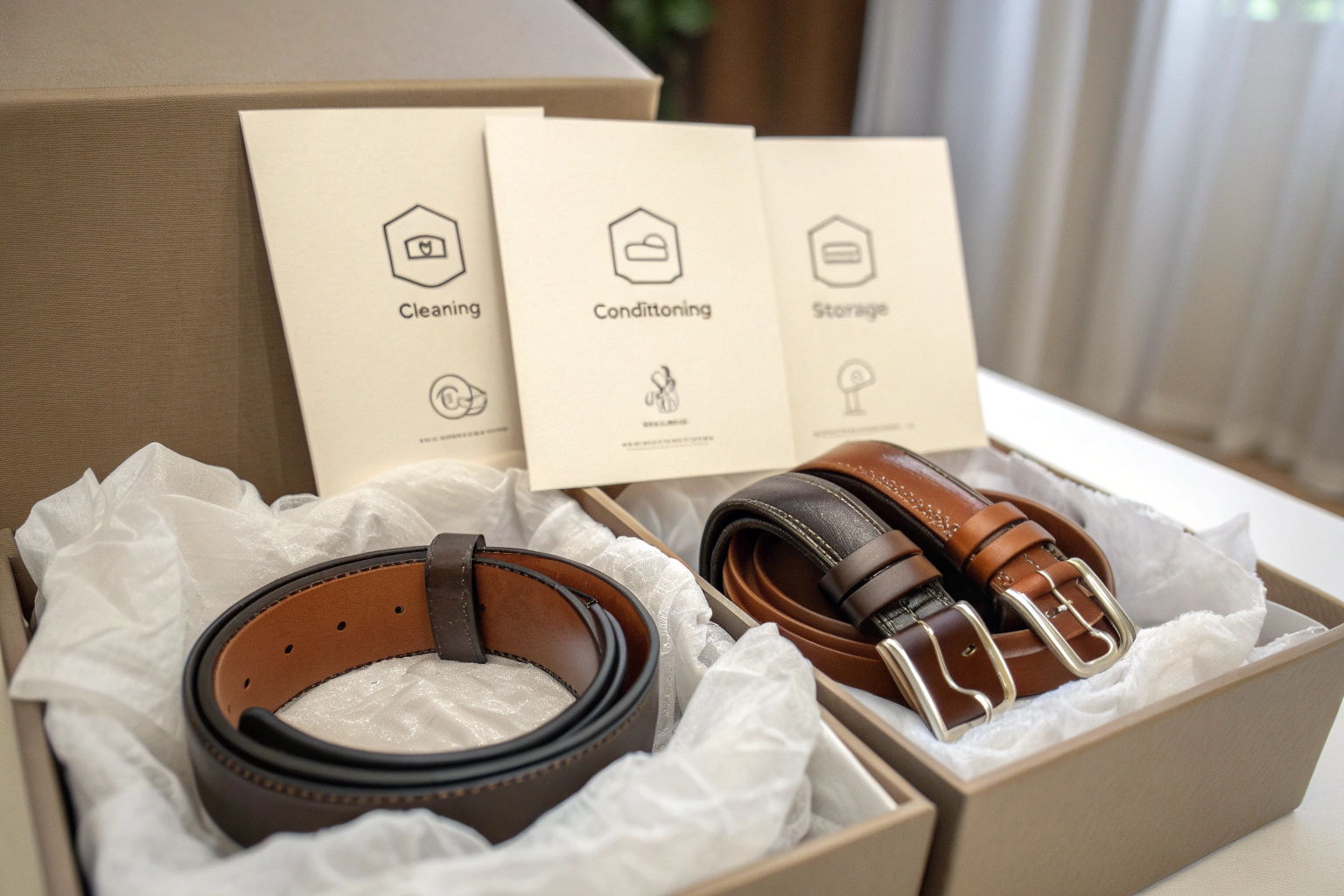
Nothing diminishes the luxury perception of a leather belt faster than seeing it deteriorate prematurely due to improper care. Customers invest in genuine leather expecting longevity, yet most receive their purchases with minimal or confusing care instructions. The result? Beautiful products that quickly lose their luster, leading to disappointed customers and damaged brand reputation. How can retailers provide care guidance that actually preserves leather quality while enhancing the unboxing experience?
The best leather care instructions for retail packaging combine clear visual guidance, practical step-by-step instructions, recommended product suggestions, and warning about common mistakes. Effective care information should be immediately accessible, easy to understand, and specific to the type of leather and finish. This approach transforms packaging from mere protection to an educational tool that extends product lifespan and strengthens brand loyalty.
Providing proper leather care guidance requires understanding different leather types, common customer mistakes, and effective communication methods. Let's explore the essential care components, packaging integration strategies, seasonal considerations, and brand-building opportunities that superior care instructions provide.
What Essential Care Components Must Be Included?
Comprehensive leather care instructions address the complete lifecycle of the product, from immediate care to long-term maintenance. Missing any key component can lead to preventable damage and customer dissatisfaction.
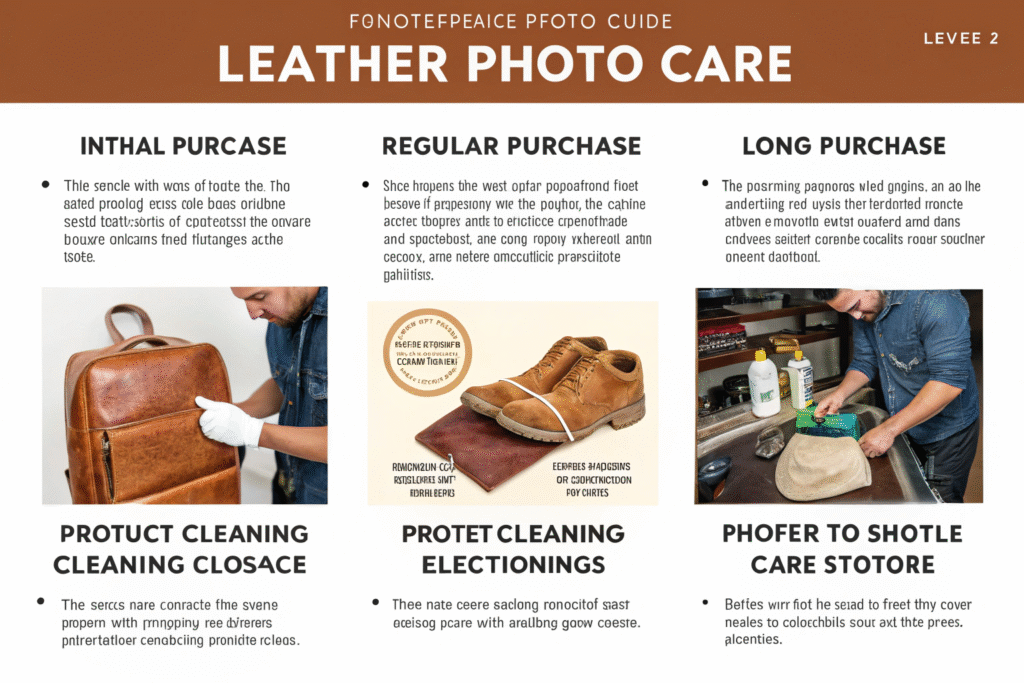
Essential care components include immediate post-purchase care, regular cleaning methods, conditioning schedules, proper storage techniques, and problem-specific troubleshooting. Each element should be communicated with clear visuals and concise language that accommodates both novice and experienced leather owners.
Why Must Instructions Address Different Leather Types?
Leather care varies significantly by type: vegetable-tanned leather requires different conditioning than chrome-tanned, while suede needs completely different cleaning methods than smooth leather. Generic instructions can actually damage certain leathers—for example, using oils on delicate lambskin or applying waterproofing sprays to suede. Specific guidance prevents well-intentioned maintenance that inadvertently ruins the product. The Leather Working Group provides technical specifications for different leather types and their specific care requirements that inform proper instruction development.
What Are the Critical "Never Do" Warnings?
Critical warnings include never using household cleaners (which strip natural oils), avoiding excessive heat or direct sunlight during drying, preventing prolonged water exposure, and cautioning against improper storage that causes permanent creasing. These common customer mistakes cause the majority of preventable leather damage and should be highlighted with clear visual warnings. Experience from the Leather Conservation Centre demonstrates that most leather damage results from well-intentioned but improper care rather than neglect.
How to Effectively Integrate Care Instructions into Packaging?
The presentation and accessibility of care instructions significantly impact whether customers actually use them. Beautifully integrated guidance enhances perceived value while buried booklets often go unread.
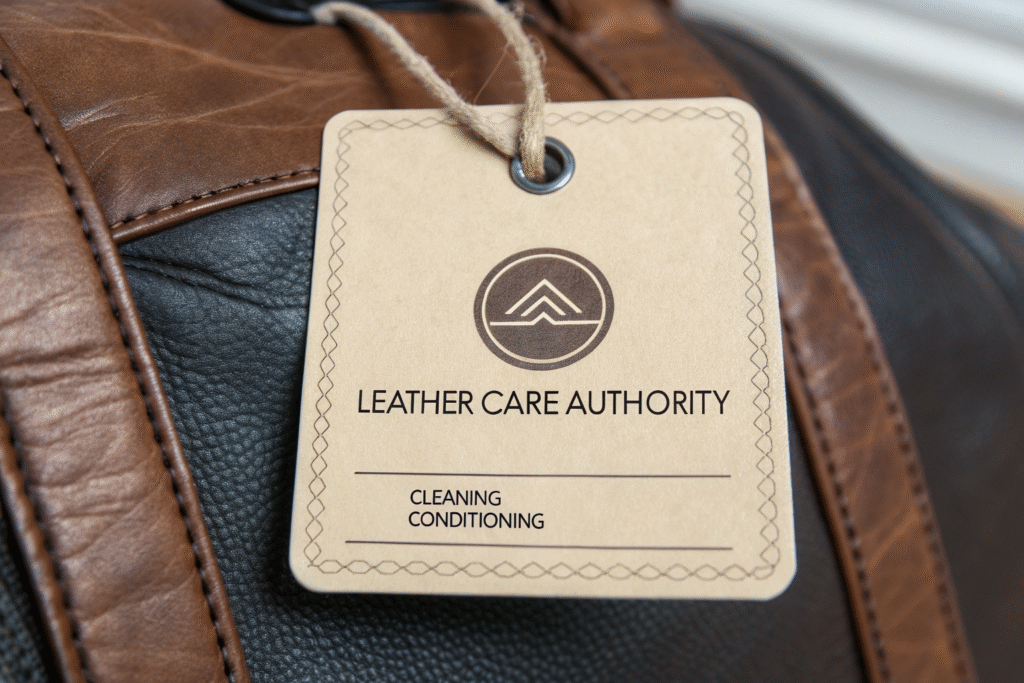
Effective integration methods include attractive hang tags, elegant booklet designs, QR codes linking to online resources, and packaging itself that demonstrates proper storage. The most successful approaches make care information an inherent part of the unboxing experience rather than an afterthought.

What Packaging Locations Maximize Visibility?
The most visible locations include hang tags attached directly to the belt, top-layer placement in gift boxes, interior lid printing, and sleeve designs on outer packaging. Placement should ensure customers encounter care instructions naturally during unboxing, not buried beneath other materials. Strategic positioning also allows retailers to maintain elegant minimalist exterior packaging while providing comprehensive interior guidance. Research from The Packaging School demonstrates that care information received during unboxing is 5 times more likely to be retained and used than separately provided materials.
How Can Digital Integration Enhance Physical Instructions?
Digital integration through QR codes or custom URLs provides access to video tutorials, seasonal care reminders, product-specific advice, and direct customer support. This approach accommodates different learning styles while keeping physical packaging clean and elegant. Digital resources can also be updated as new care information emerges, ensuring customers always access the most current guidance. Platforms like QR Code Generator offer solutions for creating dynamic codes that can update destination content without changing packaging.
What Seasonal Care Considerations Should Be Highlighted?
Leather care needs change with seasons and climates, yet most instructions provide only generic year-round guidance. Seasonal specific advice demonstrates sophisticated understanding of leather's needs while preventing climate-related damage.
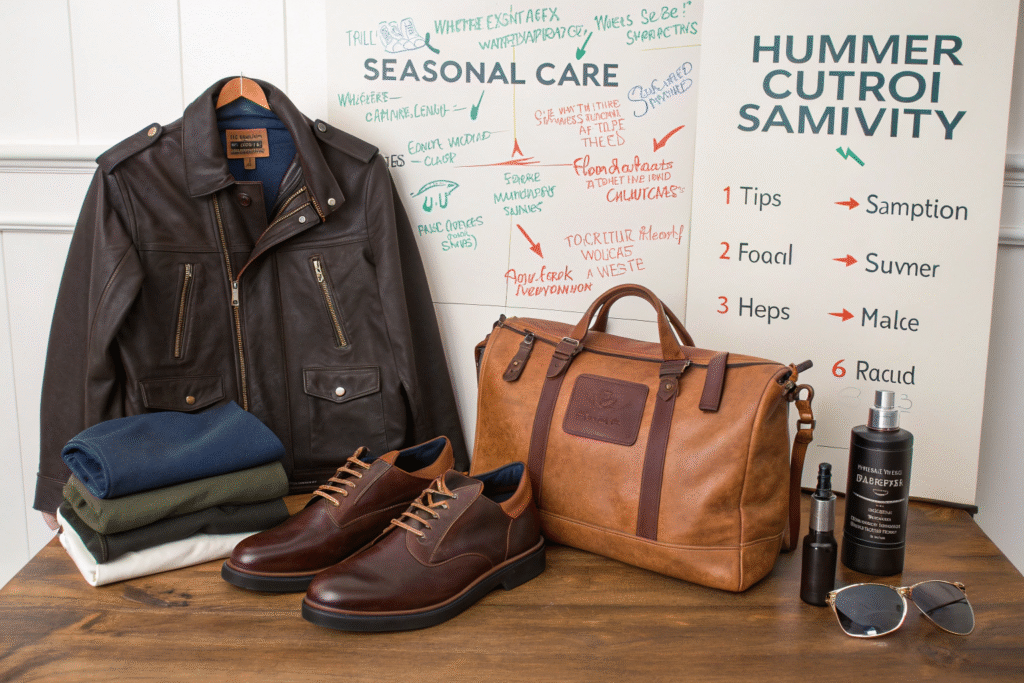
Seasonal considerations include humidity control during summer months, dryness prevention in winter, transitional season preparation, and travel-specific recommendations for different climates. Addressing these variations shows customers that your expertise extends beyond initial purchase to long-term product enjoyment.
Why Does Humidity Require Special Attention?
High humidity encourages mold growth and can cause leather to become limp and lose shape, while low humidity causes cracking and stiffness. Instructions should guide customers on maintaining ideal 45-55% humidity levels through proper storage and occasional conditioning adjustments. This is particularly important for customers in coastal regions or areas with extreme seasonal humidity variations. The American Leather Chemists Association provides scientific data on humidity's effects on different leather types and appropriate preventive measures.
How Should Winter Care Differ from Summer?
Winter care should emphasize protection against dry indoor heat and salt exposure, while summer care focuses on sweat management and humidity control. Specific recommendations might include more frequent conditioning during heating season and immediate cleaning after salt exposure. These seasonal adjustments prevent the most common climate-related leather damage that occurs when care remains static year-round. Climate-specific research from The Leather Institute informs how different environmental conditions affect various leather types throughout seasonal changes.
How Can Care Instructions Build Brand Loyalty?
Well-executed care instructions transform from mere maintenance guidance into powerful brand-building tools that extend customer relationships far beyond the initial purchase.
Brand loyalty opportunities include positioning your brand as a leather care authority, creating ongoing engagement through seasonal reminders, offering branded care products, and building community around proper product maintenance. These approaches turn single transactions into long-term relationships.
How Does Educational Content Establish Authority?
Educational content establishes authority by demonstrating deep product knowledge and commitment to customer success. Detailed care instructions show that your brand understands leather's complete lifecycle, not just initial sale. This expertise builds trust that extends to future purchases and brand recommendations. Content marketing research from Content Marketing Institute shows that educational materials significantly increase brand loyalty and perceived expertise in fashion and accessory categories.
Can Care Instructions Drive Additional Product Sales?
Strategic care instructions can naturally introduce complementary products like branded conditioners, cleaning kits, and storage solutions. These suggestions feel like helpful recommendations rather than sales pitches when integrated into genuine care guidance. The approach also ensures customers use products specifically formulated for your leather types, preventing damage from incompatible care products. Market data from NPD Group indicates that accessory brands offering compatible care products achieve 23% higher customer retention than those without such offerings.
Conclusion
Exceptional leather care instructions represent far more than basic maintenance guidance—they're integral components of the luxury experience that demonstrate brand expertise and commitment to customer satisfaction. Properly executed care information preserves product quality, enhances perceived value, and builds lasting customer relationships.
The investment in comprehensive care guidance pays dividends through extended product lifespan, reduced return rates, and strengthened brand loyalty. If you're looking to develop packaging with care instructions that reflect your brand's quality standards, our manufacturing expertise can help integrate educational elements that enhance the customer experience. Contact our Business Director, Elaine, to discuss how we can develop packaging solutions that include superior care guidance for your leather products. Reach out to Elaine at elaine@fumaoclothing.com. Let's create packaging that educates while it impresses.