In today's digital landscape, video content has become the most effective medium for educating customers about product maintenance. For belt manufacturers and retailers, creating compelling care instruction videos represents a powerful opportunity to reduce returns, build brand loyalty, and differentiate from competitors. Yet many brands struggle to produce content that actually gets watched and followed.
The best practices for belt care video content include demonstrating realistic cleaning scenarios, showing dramatic before-and-after transformations, using unexpected household cleaning agents, and focusing on specific material types with tailored approaches. Successful videos balance educational value with entertainment, making care instructions memorable while showcasing product quality and durability through proper maintenance.
As consumers increasingly seek longevity from their purchases, effective care content has transformed from a customer service obligation to a strategic marketing tool. Understanding how to create videos that customers actually want to watch can significantly impact brand perception and product lifespan.
How to Structure Belt Care Videos for Maximum Engagement?
Video structure determines whether viewers watch to completion or abandon within the first seconds. The most successful care videos follow proven patterns that maintain interest while delivering practical value.
What Opening Hooks Capture Immediate Attention?
The first 5-10 seconds of any care video must overcome scrolling inertia by presenting an immediate problem the viewer recognizes. Showing a stained, cracked, or faded belt that looks "ruined" creates instant identification—most belt owners have similar items in their closet. The most effective hooks pair this visual problem with a provocative question like "Think this belt is beyond saving?" or "This common mistake is destroying your favorite belt."
The problem-solution framework establishes immediate relevance, but the specific problem must be common enough to attract broad interest while being solvable through the techniques demonstrated. Starting with restoration of severely damaged belts creates dramatic impact, but the damage should reflect realistic scenarios rather than extreme cases most viewers won't encounter. This balance ensures the content feels both aspirational and practically applicable.
How Should Information Be Sequenced for Retention?
Successful care videos follow the "see, do, remember" learning pattern: first showing the finished result to create motivation, then demonstrating the process step-by-step, and finally summarizing key takeaways. This structure respects both goal-oriented viewers who want immediate answers and comprehensive learners who need full context.
The middle demonstration section should progress from simplest to most complex techniques, allowing viewers to stop watching once their immediate need is met while encouraging continued viewing for additional value. Each technique should be demonstrated completely before moving to the next, with clear transitions signaled by changing tools or materials. This segmentation helps viewers mentally bookmark specific solutions for future reference.
What Production Techniques Make Instructions Clear?
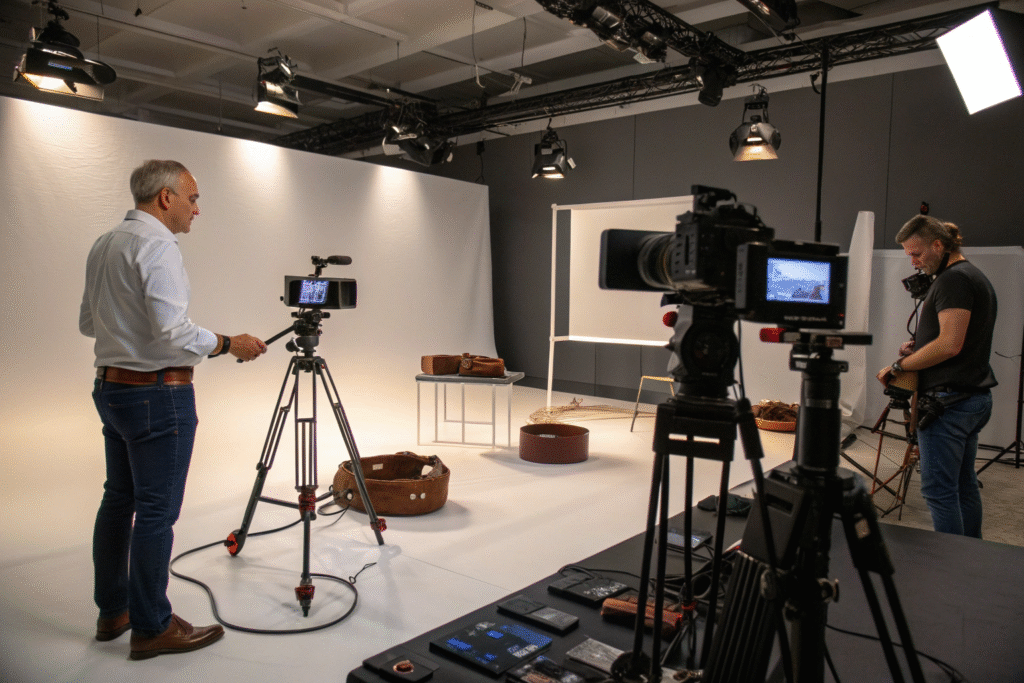
Technical clarity separates professional care content from amateur tutorials, establishing brand authority while ensuring viewers can successfully follow instructions.

How Do Visual Clarification Methods Improve Understanding?
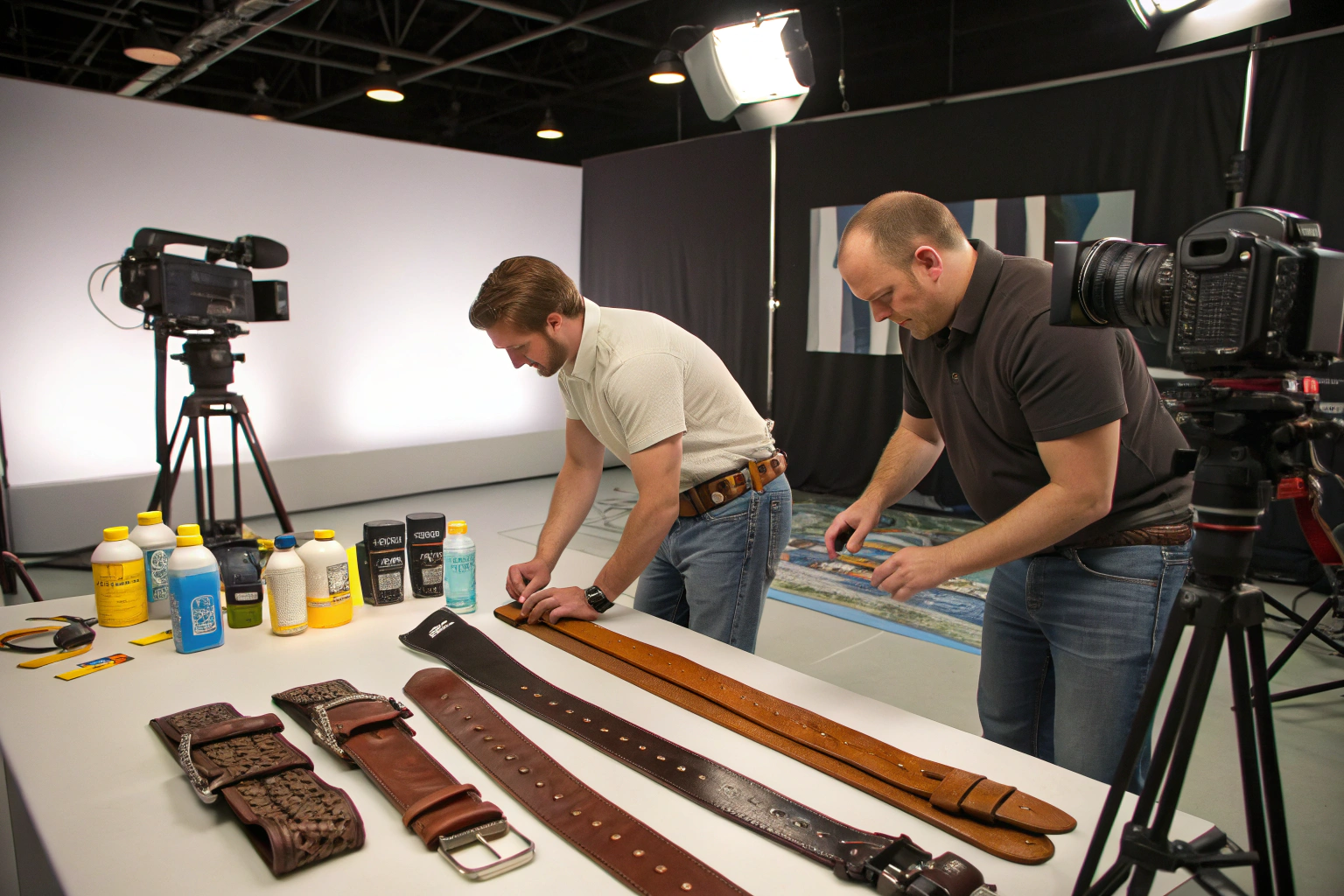
Strategic camera angles and visual enhancements significantly impact how well viewers replicate care techniques. Macro shots showing brush direction on leather grain, split-screen comparisons of different cleaning methods on identical belts, and graphic overlays highlighting pressure points or problem areas all reduce cognitive load for viewers.
The most effective visual techniques include using color contrast to show dirt removal (white cloths on dark leather), slow-motion footage for complex techniques like edge polishing, and before-and-after side-by-sides that provide immediate visual validation of the method's effectiveness. These production choices transform abstract instructions into concrete, replicable actions that viewers feel confident attempting.
What Audio Techniques Enhance Learning Retention?
Clear audio narration significantly impacts how well viewers remember and implement care instructions. The most successful videos feature calm, authoritative voiceover that describes actions as they occur, emphasizes critical warnings, and explains why each step matters. This dual-channel processing (visual demonstration + verbal explanation) reinforces learning more effectively than either approach alone.
Background music, when used, should remain instrumental and at low volume to avoid distracting from verbal instructions. Natural sounds of the cleaning process (brushing, spraying, wiping) provide auditory feedback that helps viewers recognize proper technique. The most professional productions include audio sweetening that emphasizes these process sounds while minimizing distracting background noise.
How Should Content Be Tailored to Specific Materials?
Generic care instructions create frustrated customers and damaged products. Material-specific content demonstrates expertise while providing genuinely useful guidance.
What Are Key Differentiation Points Between Materials?
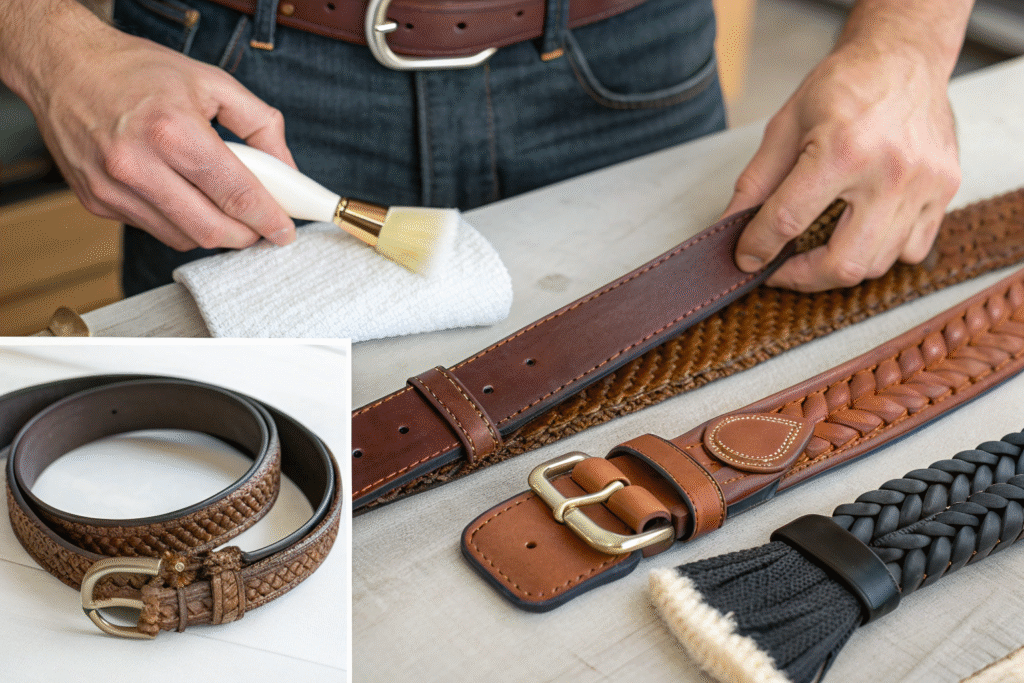
Effective material-specific content highlights contrasting care requirements rather than presenting universal approaches. Leather care should emphasize conditioning and gradual patina development, synthetic materials require focus on stain resistance and color preservation, while woven fabrics need instruction on shape retention and odor prevention. These differences become the organizational framework for series-based content.
The most engaging material comparisons use visual demonstrations of what happens when wrong methods are applied—showing water spotting on unfinished leather, chemical damage to synthetics, or shrinkage in woven belts. These cautionary examples make the correct methods more memorable while demonstrating the brand's deep product knowledge. Viewers who see the consequences of improper care are more likely to seek specific guidance rather than assuming universal approaches.
How Can Common Household Solutions Be Demonstrated Safely?
Many viewers search for care solutions using household products they already own, creating an opportunity for brands to provide safe, tested alternatives to professional products. Videos demonstrating vinegar solutions for odor removal, baking soda pastes for stain treatment, or olive oil for leather conditioning can generate significant viewership when presented with proper caveats and testing.
The most responsible approach shows household solutions on sample materials first, clearly stating limitations and potential risks. Side-by-side comparisons with professional products establish context while giving viewers options across budget levels. Clear warnings about which materials should never receive household treatments (like exotic leathers or delicate fabrics) prevent damage while positioning the brand as a trustworthy authority.
How Can Brands Maximize Content Reach and Impact?
Creating exceptional care content delivers limited value without strategic distribution and engagement optimization.

What Platform-Specific Optimizations Boost Visibility?
Each video platform has unique requirements that impact content performance. YouTube videos benefit from longer durations (5-10 minutes) with detailed chapters, while TikTok and Instagram Reels require condensed 30-90 second versions focusing on single techniques. Platform-native content consistently outperforms cross-posted material, necessitating tailored edits for each channel.
The most successful distribution strategies include creating vertical versions of horizontal content, adding platform-specific text overlays, and optimizing thumbnails for each platform's visual style. YouTube thumbnails often feature dramatic before-and-after comparisons, while social platforms prefer clean product shots with intriguing captions. These adaptations significantly increase organic reach without additional production cost.
How Does Care Content Support Broader Business Goals?
Strategic belt care content reduces customer service inquiries by addressing common questions proactively, extends product lifespan to reinforce quality perceptions, and creates natural opportunities for accessory sales (care products, storage solutions). The most sophisticated programs integrate care content throughout the customer journey—from pre-purchase education to post-purchase maintenance.
The data generated by care content viewership provides valuable product intelligence. High view counts for specific material care indicate common confusion points, while search analytics reveal customer concerns before they contact support. This feedback loop helps brands improve product documentation, design more durable products, and develop complementary care product lines that generate additional revenue streams.
Conclusion
Exceptional belt care video content represents a significant competitive advantage in an increasingly visual digital landscape. By combining production quality, educational value, and strategic distribution, brands can transform routine maintenance instructions into engaging content that builds trust, reduces returns, and extends product relationships.
The most successful care content programs balance universal principles with material-specific guidance, demonstrating both broad expertise and nuanced understanding. This approach positions brands as authoritative partners in product longevity rather than simply manufacturers or retailers.
Ready to develop professional belt care content that enhances customer experience and strengthens brand loyalty? Contact our Business Director, Elaine, at elaine@fumaoclothing.com to discuss how our product expertise and content development capabilities can create compelling care resources for your customers.