Your customer finds the perfect belt. They love the design, the leather, the buckle. They add it to their cart, but at the last moment, they hesitate. The sizing is confusing. They're unsure if they should order based on their pants size or measure an old belt. This moment of doubt is where many sales are lost. A poorly optimized size chart is more than an inconvenience; it's a direct barrier to conversion and a primary driver of returns.
Optimizing your belt size chart is a critical strategy for boosting sales and minimizing returns. The best practices involve creating a clear, intuitive system that bridges the gap between what the customer knows (their pants size) and what they need to order (their belt size). This requires accurate measurement standards, multi-method guidance, and transparent fit communication tailored to different belt styles.
This guide will walk you through the essential steps to create a foolproof sizing system. We'll cover how to establish a clear and accurate measurement standard, provide multiple easy-to-follow sizing methods, tailor your chart for different belt styles and genders, and use strategic placement and language to build customer confidence.
How to Establish a Clear and Accurate Measurement Standard?
The most common point of failure in a size chart is ambiguity. If a customer doesn't understand what "Size 32" actually represents—is it the belt's total length? The length to the middle hole?—they will guess, and often guess wrong. Consistency and clarity in your measurement definitions are non-negotiable.
The industry best practice is to size belts by the distance from the buckle to the center hole. This provides a consistent reference point that directly correlates to the customer's waist measurement. Your size chart must explicitly state this standard and provide the corresponding total length for each size to give a complete picture.

What is the "Buckle to Center Hole" Method?
This method measures from the point where the leather strap meets the buckle (the "pin line") to the center punch hole. For example, a belt labeled "Size 32" should be 32 inches from the buckle to its middle hole. This means it will fit a waist that is approximately 32 inches, providing a perfect fit when worn on that center hole.
This standard eliminates the guesswork of total length, which includes the buckle itself and the tail end. By aligning the belt size with the customer's actual pants size, you create an intuitive link. Clearly stating this method on your product pages for men's belts and women's belts is the first step toward reducing sizing anxiety.
Why Must You Provide a Comprehensive Size Conversion Chart?
A simple list of sizes is not enough. Customers wear different brands from different countries. A comprehensive conversion chart bridges these gaps, serving as a universal translator for your customers.
A well-designed chart should include:
- Your Belt Size (e.g., 30, 32, 34)
- Corresponding Waist/Pant Size (e.g., 30, 32, 34)
- Buckle to Center Hole Measurement (in inches and centimeters)
- Total Length Measurement (in inches and centimeters)
Providing this level of detail shows professionalism and a commitment to customer care, directly addressing a major pain point in online apparel and accessory shopping.
How to Provide Multiple, Easy-to-Follow Sizing Methods?
Relying on a single sizing method will alienate a portion of your audience. Some customers know their pants size, others have a favorite old belt, and many are willing to measure themselves if guided properly. Catering to all these preferences maximizes confidence and conversions.
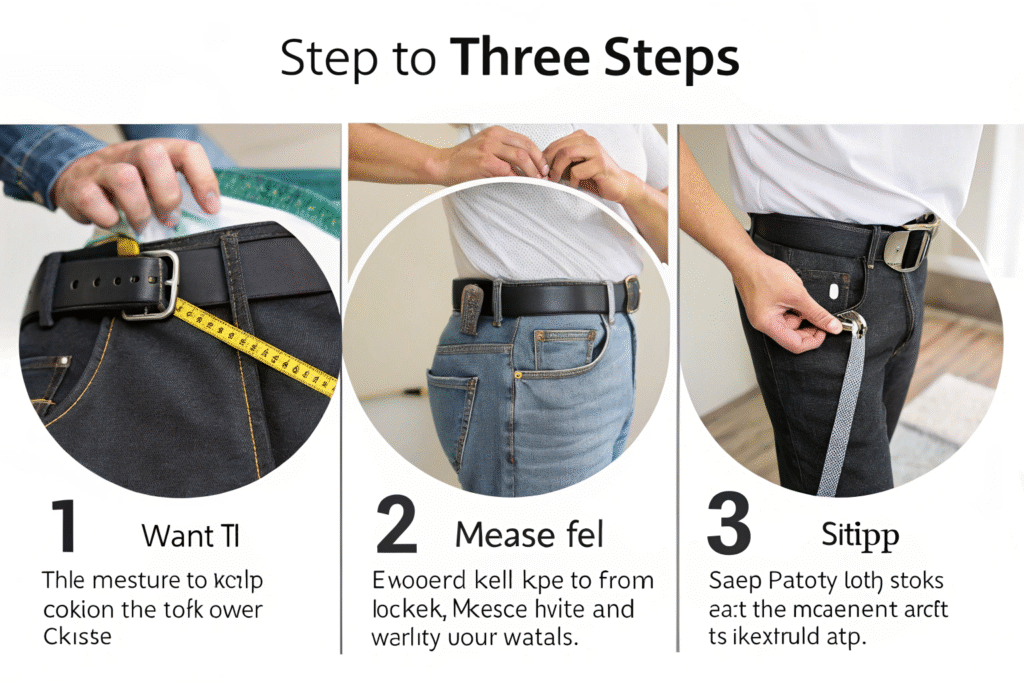
The most effective approach is to offer three reliable methods: measuring a current belt, measuring the waist, and using pants size as a reference. By presenting these options clearly, you empower every customer to find their size with a method they trust and find convenient.
What is the Most Reliable Method: Measuring a Current Belt?
This is often the most accurate method. Instruct customers to lay a well-fitting belt flat and measure from the point where the leather meets the buckle to the hole they use most frequently. The resulting number is the belt size they should order.
This method works because it replicates a proven fit. It's particularly useful for dress belts where fit is precise. Ensure your instructions include a clear diagram to avoid measurement from the wrong starting point.
How Should Customers Measure Their Waist for a Belt?
For customers without a reference belt, direct waist measurement is key. The instruction must be precise: "Measure around your waist where you normally wear your pants, using a soft tape measure. Ensure the tape is snug but not tight."
A critical best practice is to advise customers to measure over their clothing. This accounts for the bulk of pants and provides a more functional measurement than a bare waist. This method is essential for accurate sizing of casual belts and unisex styles where fit can vary.
How to Tailor Your Chart for Different Styles and Genders?
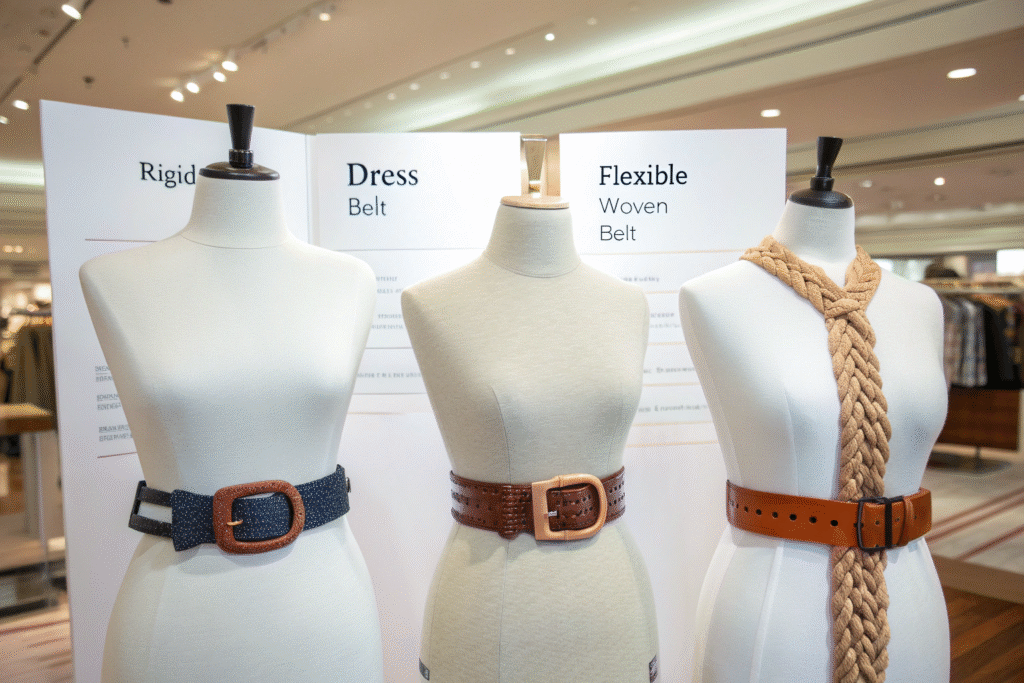
A one-size-fits-all chart does not work for belts because different styles have different fit requirements. A rigid dress belt, a flexible woven belt, and a women's fashion belt worn on the hips all follow different sizing logic. Failing to account for this leads to poor fit and high return rates.
Your sizing guidance must be context-aware. This means creating sub-charts or specific notes for different product categories. This level of detail demonstrates a deep understanding of your products and your customers' needs, building trust and ensuring a better fit.
Why Do Men's and Women's Belts Require Different Conventions?
Men's belts are almost universally sized by the "buckle to center hole" method corresponding to pants size. Women's belts, however, are often more variable. Many women's fashion belts are sized generically (S, M, L) or are designed to be worn on the hips rather than the natural waist.
Your chart must address this. For women's belts, provide a clear size guide that correlates S/M/L to both waist and hip measurements. Include notes on where the belt is intended to be worn (e.g., "This style is designed to be worn at your natural waist" or "This belt fits comfortably on the hips").
How Does Buckle Type and Belt Flexibility Affect Fit?
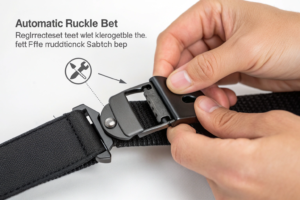
The buckle mechanism and the belt's material significantly influence fit. A reversible belt with a fixed center buckle will have a more rigid fit than a slide buckle belt with infinite adjustability.
Add specific notes to your chart:
- "For rigid leather belts, we recommend sizing up one inch from your pants size for comfort."
- "Slide buckle belts offer micro-adjustability; choose your exact pants size."
- "Elasticated belts are designed for a flexible fit; please refer to the stretch measurement guide."
This nuanced advice prevents returns and shows superior product knowledge, a key part of quality service.
How to Use Strategic Placement and Language for Confidence?
You can have the world's most accurate size chart, but if it's hard to find or difficult to understand, it's useless. The final step in optimization is integrating the chart seamlessly into the shopping experience and using language that reassures rather than confuses.
The size chart should be immediately accessible, visually clear, and written in simple, action-oriented language. The goal is to make the customer feel supported and confident in their selection, removing the final barriers to purchase.

Where is the Optimal Placement for a Size Chart?
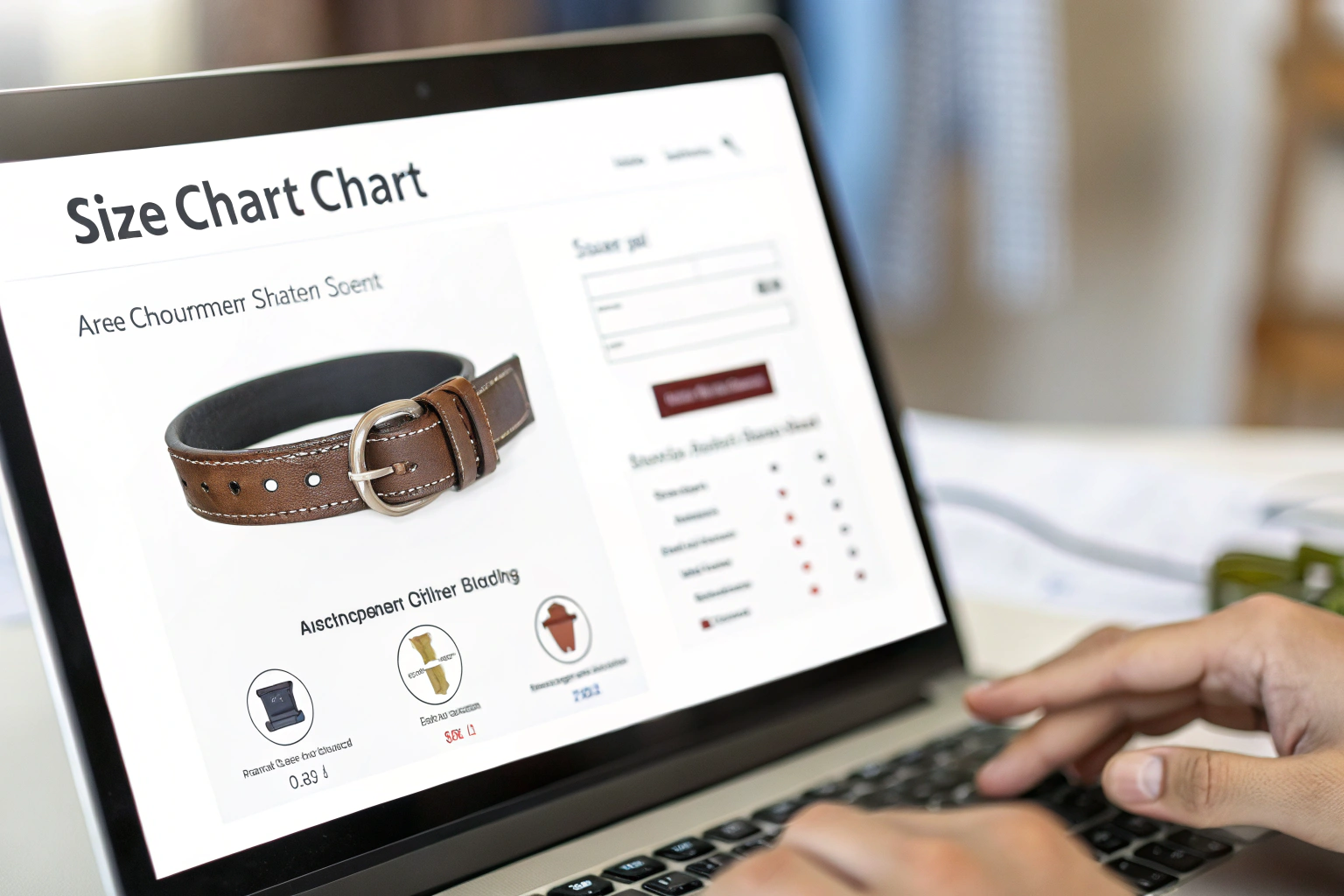
The size selector and chart should be located directly next to the "Add to Cart" button. It should not be hidden behind a small link that says "Size Guide"; instead, make it an integral part of the product page layout.
For maximum effectiveness, consider an interactive size chart that updates based on the size selected by the customer. This dynamic interaction provides immediate confirmation and reinforces their choice, reducing cart abandonment.
What Language Builds Trust and Reduces Anxiety?
Use clear, positive, and reassuring language throughout your sizing section.
- Instead of: "Find your size."
- Use: "Find Your Perfect Fit. Use the method that works best for you."
- Include: "Unsure? Contact us! We'll help you find the right size."
- Add a guarantee: "We want you to love your belt. If the fit isn't perfect, our hassle-free returns make it easy to exchange."
This customer-centric approach, combined with a technically accurate chart, transforms the sizing process from a point of friction into a demonstration of your brand's reliability and service.
Conclusion
Optimizing your belt size chart is a direct investment in higher conversion rates and lower return costs. By establishing a clear "buckle to center hole" standard, providing multiple intuitive sizing methods, tailoring guidance for different styles and genders, and integrating the chart strategically with confident language, you remove the primary points of customer hesitation. A well-designed size chart is not just a utility; it's a powerful sales and trust-building tool that enhances the entire customer experience.
If you are looking for a manufacturing partner that provides precise, consistent sizing and supports your e-commerce success with clear product documentation, we can help. Contact our Business Director, Elaine, at elaine@fumaoclothing.com to discuss producing a belt line with optimized, customer-friendly sizing.