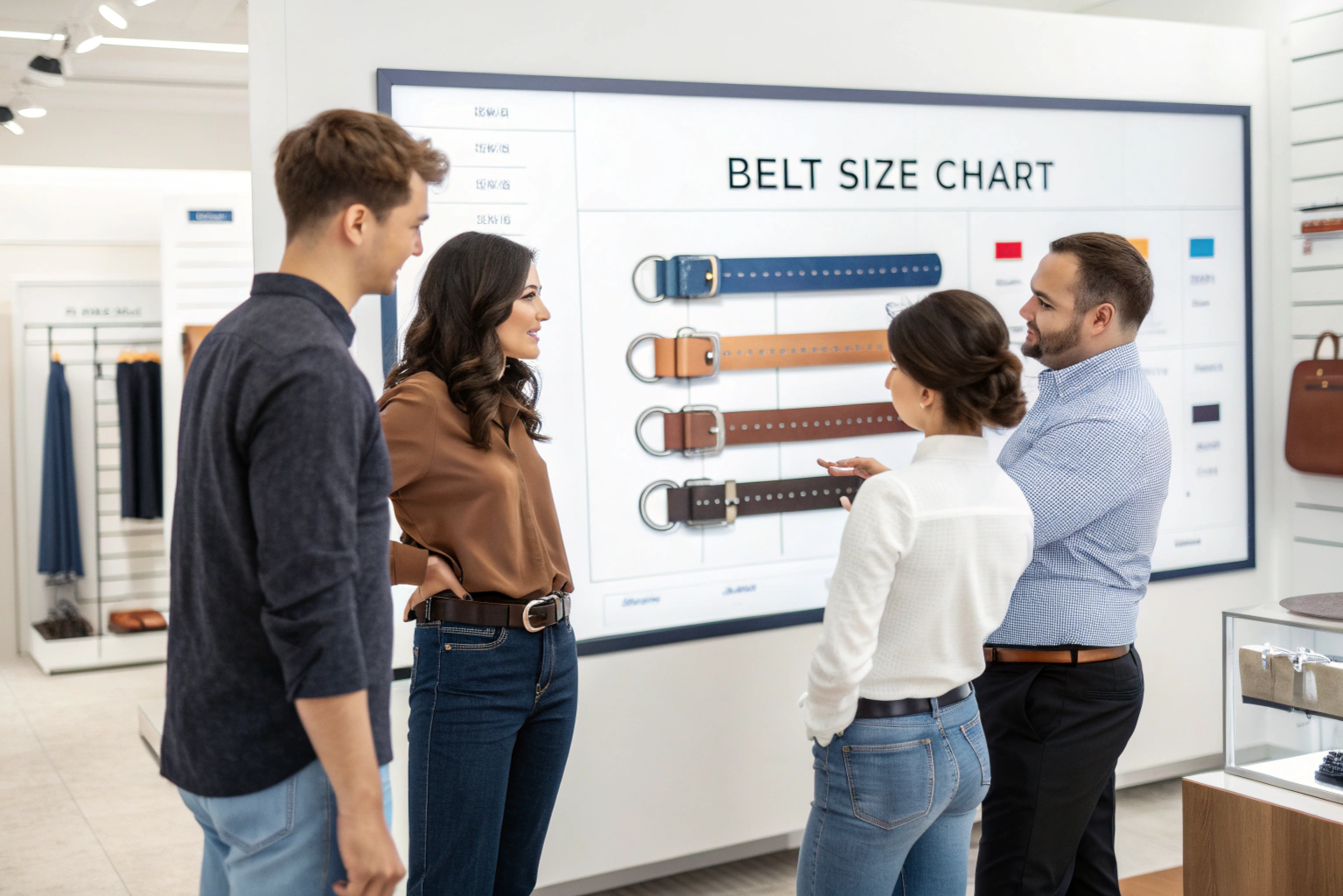
Customers hesitate when they're unsure about sizing. A confusing belt size chart leads to abandoned carts, increased returns, and frustrated customers. You've invested in quality products and marketing, but a poor sizing experience can undermine everything. How can you ensure customers choose the right size with confidence?
The best practices for belt size chart optimization include providing clear measurement guides, using visual aids, offering multiple sizing systems, and integrating smart sizing tools. An optimized chart reduces return rates, improves customer satisfaction, and increases conversion rates by helping customers make informed purchasing decisions without guesswork.
Implementing these practices requires understanding both technical measurements and customer behavior. Let's explore how to create measurement clarity, use visual guidance, accommodate international customers, and leverage technology for better sizing experiences.
How to Create Clear Measurement Guidelines?
Ambiguous sizing information causes confusion and returns. Customers need straightforward, actionable guidance to determine their correct belt size. Clear measurement guidelines build trust and reduce purchase anxiety.
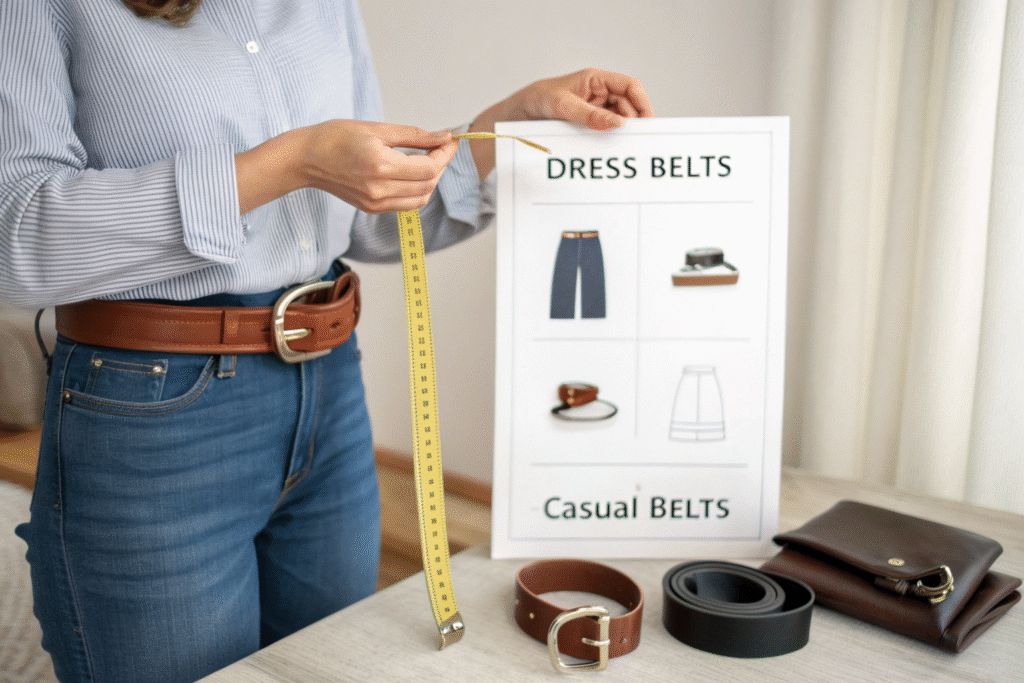
Establish clear measurement guidelines by providing step-by-step instructions for measuring existing belts and body measurements. Use simple language and avoid technical jargon. Include specific guidance for different belt types - dress belts versus casual belts may fit differently. The most effective charts provide multiple measurement methods to accommodate different customer preferences and existing wardrobe items.
What Are the Essential Measurement Steps?
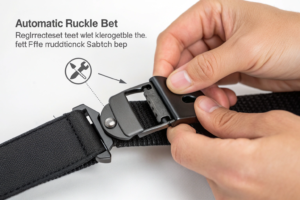
The essential measurement steps include measuring an existing well-fitting belt from the buckle to the most used hole, and measuring waist or hip circumference where the belt will be worn. For the belt measurement method, lay the belt flat and measure from the inside of the buckle to the hole currently used. For body measurements, use a flexible tape measure around the pants waistband. The International Organization for Standardization provides global standards for clothing measurements that can inform your sizing approach. Additionally, the American Society for Testing and Materials sets specific standards for leather goods and accessories measurement protocols.
How Should You Present Size Conversions?
Present size conversions in a clean, scannable table format that shows US, European, and UK sizes alongside centimeter and inch measurements. Group conversions logically - separate men's, women's, and youth sizes since their sizing systems differ dramatically. Include clear notes about fit expectations, such as "fits true to size" or "runs large/small." For international customers, provide guidance on which sizing system to use based on their location. Many global retailers follow the Size Conversion Guidelines established by international standards organizations to ensure consistency across markets.
Why Are Visual Guides Crucial for Size Selection?
Text-only size charts leave room for misinterpretation. Visual guides bridge the understanding gap by showing customers exactly how to measure and what size to choose. They transform abstract measurements into concrete, actionable information.
Visual guides are crucial because they process faster than text and reduce cognitive load. Customers are 85% more likely to purchase when they understand sizing clearly. Diagrams showing where to measure, how belts should fit, and visual comparisons between different sizes help customers make confident decisions. This is particularly important for online stores where physical try-on isn't possible.
What Types of Visual Aids Are Most Effective?
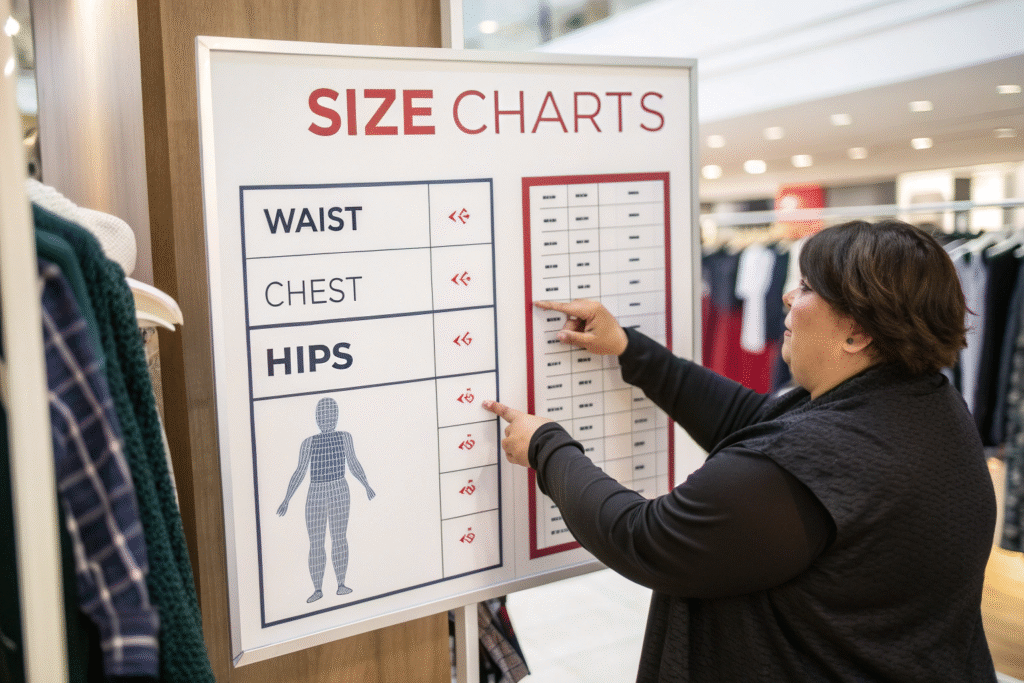
The most effective visual aids include measurement diagram overlays, fit comparison graphics, and real-life sizing examples. Measurement overlays show exactly where to place measuring tapes on belts and bodies. Fit comparison graphics demonstrate the difference between sizes - for example, showing how a 32" versus 34" belt looks when worn. Real-life examples using diverse models of different body types help customers visualize how belts will fit their specific shape. The User Experience Professionals Association provides research on how visual information processing affects e-commerce conversion rates.
How Can You Showcase Proper Fit Visually?
Showcase proper fit by using photos or videos that demonstrate ideal belt fit - typically with 2-3 inches of extra length beyond the buckle when fastened on the middle hole. Show the same belt on different body types to illustrate how sizing adapts to various shapes. Include close-ups of how the belt should sit on hips or waist without gaping or pulling. For adjustable belts like ratchet belts or reversible belts, show the range of adjustment available. The Interactive Advertising Bureau has guidelines on product visualization standards that enhance customer understanding and satisfaction.
How to Accommodate International Sizing Systems?
Global customers encounter confusion when facing unfamiliar sizing systems. A US customer shopping European belts or an Asian customer buying Western sizes needs clear conversion guidance. Accommodating multiple sizing systems expands your market reach while reducing sizing errors.
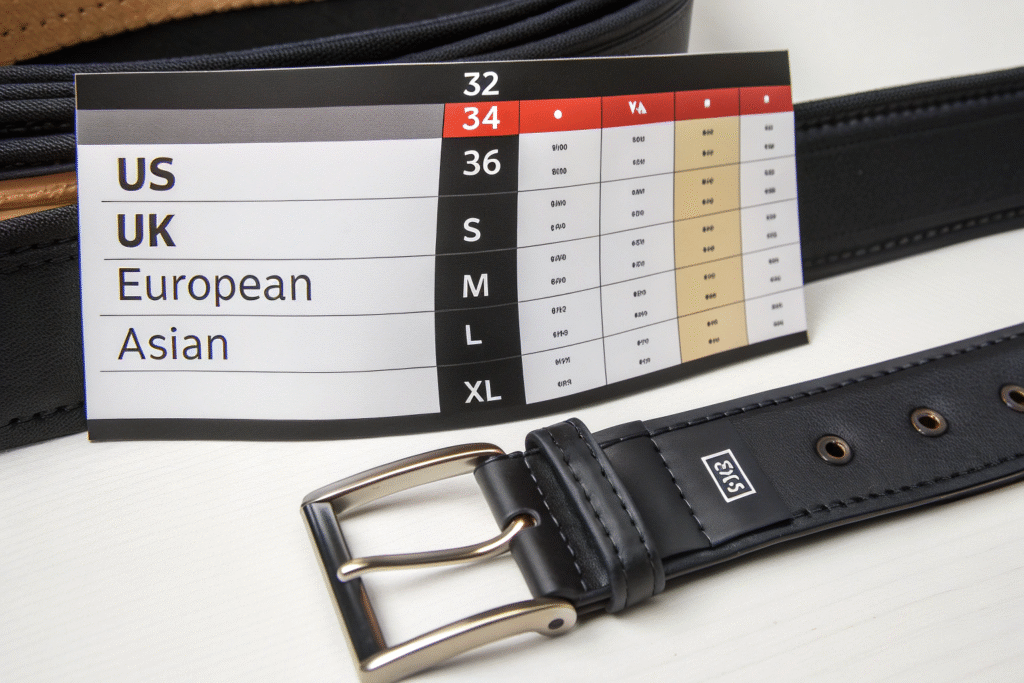
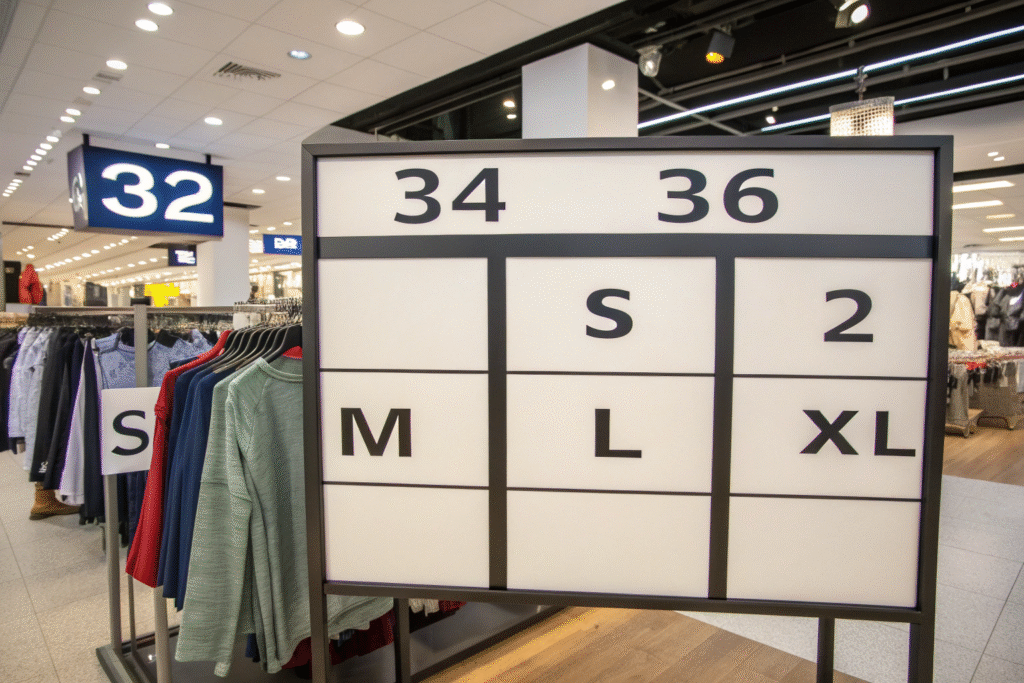
Accommodate international sizing systems by providing comprehensive conversion charts that include US, UK, European, and Asian sizing standards. Implement region-specific size defaults based on customer IP address or shipping destination. Include both numeric sizes (32, 34, 36) and letter sizes (S, M, L, XL) since different markets prefer different labeling systems. Always provide centimeter and inch measurements as the universal baseline.
What Are the Key International Size Differences?
The key international size differences include measurement starting points and numbering systems. US sizes typically measure from the buckle to the middle hole, while some European sizes measure total length including buckle. US men's sizes usually correspond to pant waist size (size 32 belt for 32" waist), while European sizes may use centimeter-based numbering (80, 85, 90 cm). Asian sizing often runs smaller, requiring specific conversion notes. The International Trade Centre provides market-specific sizing information that helps businesses adapt their size charts for international audiences.
How Should You Handle Size Conversion Discrepancies?
Handle size conversion discrepancies by providing clear warnings about fit variations and recommending when to size up or down. Include specific notes like "European sizes run large, we recommend ordering one size down from your US size" or "For between sizes, order up for casual wear, order down for dress wear." Create separate conversion tables for different belt types since leather belts, formal belts, and casual belts may have different fit expectations. The U.S. Fashion Industry Association offers resources on global sizing standards and compliance requirements for international fashion commerce.
What Technology Solutions Enhance Sizing Accuracy?
Basic size charts have limitations in addressing individual fit questions. Technology solutions provide personalized sizing recommendations, reduce human error in measurement, and offer interactive experiences that build customer confidence in their size selection.
Technology solutions enhance sizing accuracy through virtual fitting tools, AI recommendation engines, and integrated sizing apps. These tools use algorithms, customer data, and interactive interfaces to provide personalized size recommendations. They can reduce returns by up to 40% while providing valuable fit data that helps improve your product development and size grading.
How Do Virtual Fitting Tools Work?
Virtual fitting tools use augmented reality, photo-based measurement, or questionnaire-based algorithms to recommend sizes. AR tools let customers "try on" belts using their camera. Photo-based tools use reference objects to determine scale and measurements. Questionnaire-based tools ask about current belt sizes, pant sizes, height, weight, and fit preferences to calculate ideal size. These tools often integrate with e-commerce platforms like Shopify's AR capabilities or use specialized sizing API services from providers like 3DLook.
What Data Should You Collect for Size Optimization?
Collect customer height, weight, typical pant size, existing belt sizes, and fit preferences (snug vs. loose). Also gather return reason data to identify patterns in sizing miscalculations. This data helps refine your size charts and product specifications over time. Implement analytics to track which parts of your size chart customers interact with most and where they drop off. Privacy-compliant data collection following GDPR guidelines ensures customer trust while providing valuable sizing insights. Connection with Google Analytics can help track size chart engagement and conversion funnel performance.
Conclusion
Optimizing your belt size chart is not just about providing measurements - it's about creating a comprehensive sizing experience that builds customer confidence. Clear measurement guidelines, visual aids, international accommodations, and technology solutions work together to reduce uncertainty and returns while improving conversion rates.
An optimized size chart directly impacts your bottom line through fewer returns and higher customer satisfaction. If you're looking to implement these best practices for your belt products, our team can help develop customized sizing solutions for your specific product line. Contact our Business Director, Elaine, to discuss how we can optimize your sizing strategy and reduce return rates. Reach out to Elaine at elaine@fumaoclothing.com. Let's create sizing experiences that convert browsers into satisfied customers.