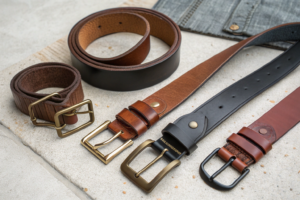
Customers return belts more often for sizing issues than any other reason. The frustration of receiving multiple belts in the same marked size that fit completely differently damages brand credibility and increases operational costs. Inconsistent sizing represents one of the most persistent quality challenges in belt manufacturing.
Achieving belt size consistency requires implementing standardized measurement protocols, precision cutting technology, controlled production environments, and rigorous quality control systems. The most successful manufacturers combine automated cutting equipment with manual verification processes, maintain stable temperature and humidity conditions, and conduct statistical process control to monitor variation across production runs.
The global leather goods market faces return rates of 15-25% primarily due to sizing inconsistencies, representing billions in lost revenue annually. Implementing robust size consistency practices not only reduces returns but builds customer trust and brand reputation for reliability. This guide explores the specific methods that separate manufacturers who consistently deliver accurate sizing from those who struggle with variations.
How to Establish Standardized Measurement Protocols?
Standardized measurement forms the foundation of size consistency. Without clear, universally understood measurement protocols, even the most advanced manufacturing equipment cannot produce consistent results. The protocol must account for different belt styles, materials, and intended wear positions.
The International Organization for Standardization (ISO) provides guidelines, but belt manufacturers often develop more specific internal standards. These typically include defined start and end points for measurement, standard tension applications, environmental conditioning requirements, and calibrated tool specifications. Every team member must follow identical procedures to achieve reproducible results.

What Measurement Points Define True Belt Length?
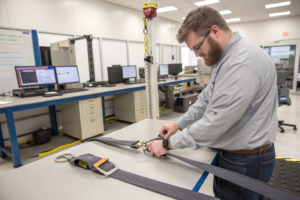
True belt length measurement must account for the entire functional length from buckle attachment to end hole. The industry standard measures from the point where the leather meets the buckle frame to the center of the end hole. This method ensures consistent sizing regardless of buckle style or thickness.
For accurate comparisons, belts should be measured under consistent tension—typically 2-3 pounds of pull—to eliminate variations caused by material stretch during measurement. The American Society for Testing and Materials provides guidelines for leather measurement under controlled conditions. Digital measurement systems with automatic tension control provide more consistent results than manual methods.
How Does Environmental Conditioning Affect Size Measurements?
Leather and synthetic materials expand and contract with temperature and humidity changes. Proper measurement requires conditioning belts for 24 hours at standard environmental conditions (20°C ± 2° and 65% ± 5% relative humidity) before final measurement and marking. This prevents seasonal variations from affecting size accuracy.
Manufacturing facilities without environmental controls can experience size variations up to 3-4% between humid summer months and dry winter conditions. Investing in controlled production environments represents one of the most effective steps toward achieving size consistency, particularly for natural materials like leather that respond dramatically to atmospheric changes.
What Manufacturing Processes Ensure Consistent Sizing?
Precision manufacturing processes transform measurement standards into consistently sized products. The transition from manual craftsmanship to controlled manufacturing separates producers who achieve reliable sizing from those who struggle with variations. Each production stage presents opportunities to introduce or control size variations.
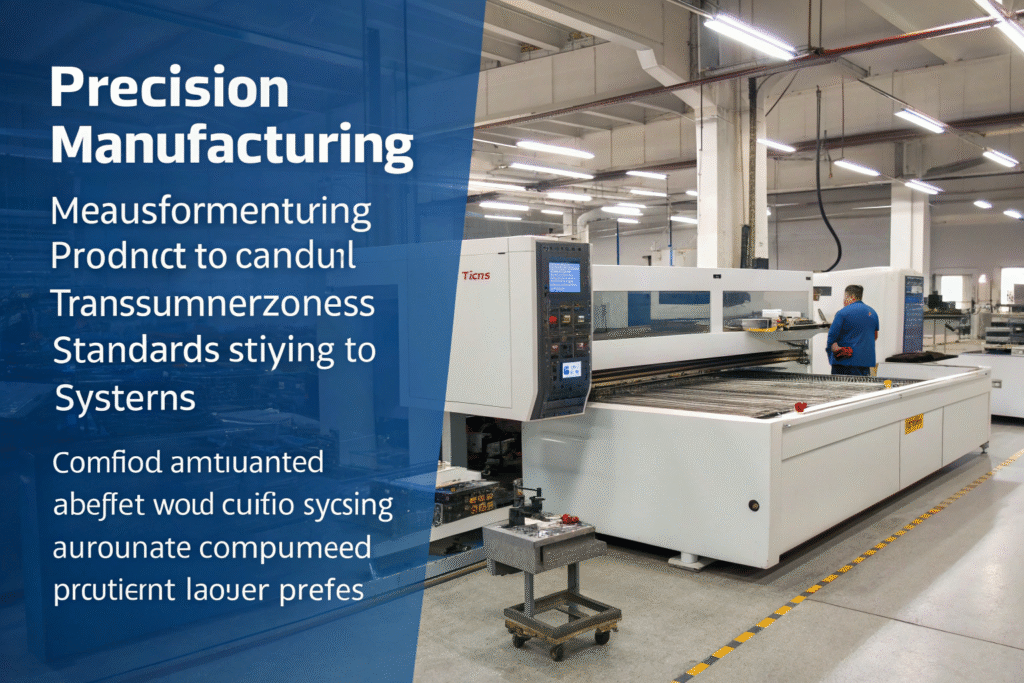
Automated cutting systems provide the foundation for size consistency. Computer-controlled clicker presses or laser cutters follow digital patterns with precision manual methods cannot match. However, even automated systems require regular calibration and maintenance to maintain accuracy across thousands of cutting cycles.
How Does Cutting Technology Impact Size Accuracy?
Manual knife cutting typically produces variations of ±3-5mm per belt, while automated clicker presses can achieve ±1mm consistency. Laser cutting systems offer the highest precision at ±0.5mm but require additional investment and expertise. The cutting method must match the material—laser cutting works well for synthetics but can burn leather edges.
Die maintenance significantly impacts cutting consistency. Worn cutting edges create gradual size increases as the die compresses rather than cleanly slices through materials. Regular die inspection and sharpening schedules prevent this drift toward larger sizes. Using certified die manufacturers ensures proper tolerances from the initial tooling stage.
What Role Does Stitching Play in Size Stability?
Stitching patterns and tension directly affect belt dimensions. Excessive thread tension can shorten belts by compressing materials, while insufficient tension allows elongation during wear. Lockstitch machines generally provide more consistent tension than chainstitch systems, particularly for longer production runs.
The stitch density and hole placement must be consistent across all sizes. Automated pattern programmers ensure identical hole spacing regardless of operator skill level. For critical applications, statistical process control charts track stitch length and hole placement measurements, triggering adjustments when variations approach control limits before non-conforming products occur.
How to Implement Effective Quality Control Systems?
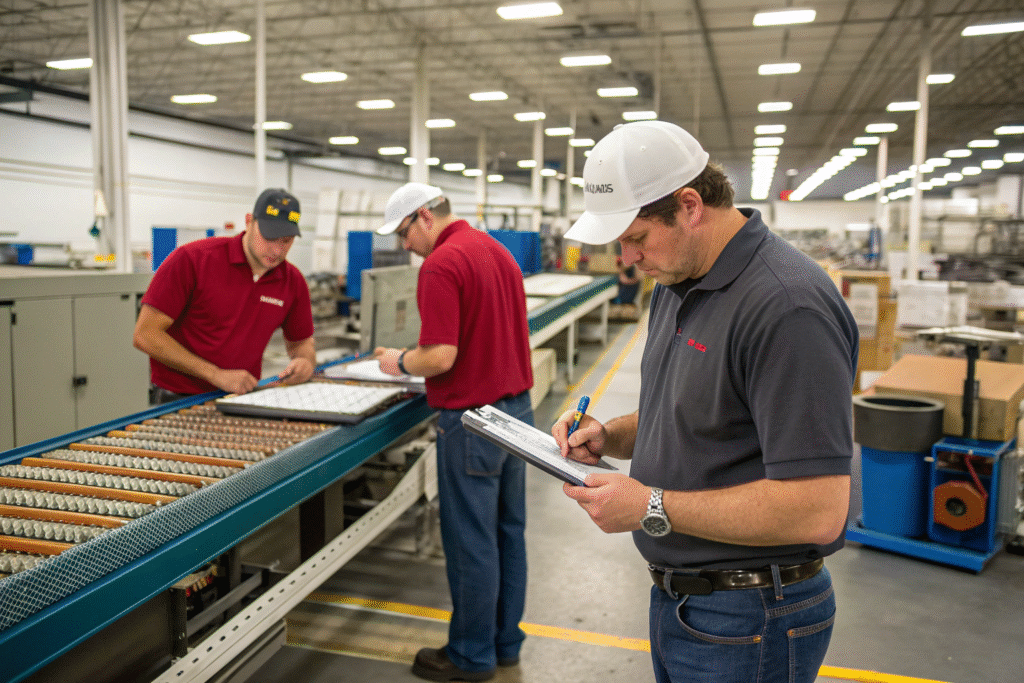
Quality control represents the final defense against size variations reaching customers. An effective system catches deviations early, identifies their root causes, and prevents recurrence. The most successful manufacturers implement quality checks at multiple production stages rather than relying solely on final inspection.
First-piece inspection verifies that setup parameters produce correctly sized belts before full production runs begin. In-process checks at predetermined intervals catch tooling wear or machine drift early. Final audit inspection provides comprehensive verification before products ship to customers.
What Sampling Plans Provide Reliable Size Verification?
ANSI/ASQ Z1.4 sampling plans provide statistically valid methods for determining how many units to inspect from each production lot. For typical belt production runs of 500-2,000 units, general inspection level II usually applies. This balances inspection costs with reliable quality assurance.
The Acceptable Quality Limit (AQL) determines how many defects are tolerable. For critical dimensions like belt length, a tightened AQL of 1.0% or lower ensures consistent quality. Measurement data should be recorded and analyzed to identify trends rather than simply determining pass/fail status for each lot.
How Can Measurement Data Drive Continuous Improvement?
Recording actual measurements rather than just pass/fail status creates valuable data for process improvement. Control charts tracking belt length measurements reveal subtle process changes before they produce non-conforming products. Histograms show whether processes are properly centered within specification limits.
Correlation analysis identifies relationships between measurement variations and production factors like material batches, machine operators, or environmental conditions. This data-driven approach transforms quality control from defect detection to defect prevention, ultimately reducing costs while improving customer satisfaction with consistent sizing.
What Role Do Materials Play in Size Consistency?
Material selection and handling significantly impact size stability throughout a belt's lifecycle. Natural materials like leather present different challenges than synthetic alternatives. Understanding these material characteristics helps manufacturers select appropriate materials and implement handling procedures that minimize variations.
Leather's natural fiber structure continues to relax and stretch slightly throughout manufacturing. Pre-stretching processes and proper grain selection minimize this movement. Synthetic materials offer more predictable behavior but can be affected by temperature variations during cutting and finishing processes.
How Does Leather Selection Affect Size Stability?
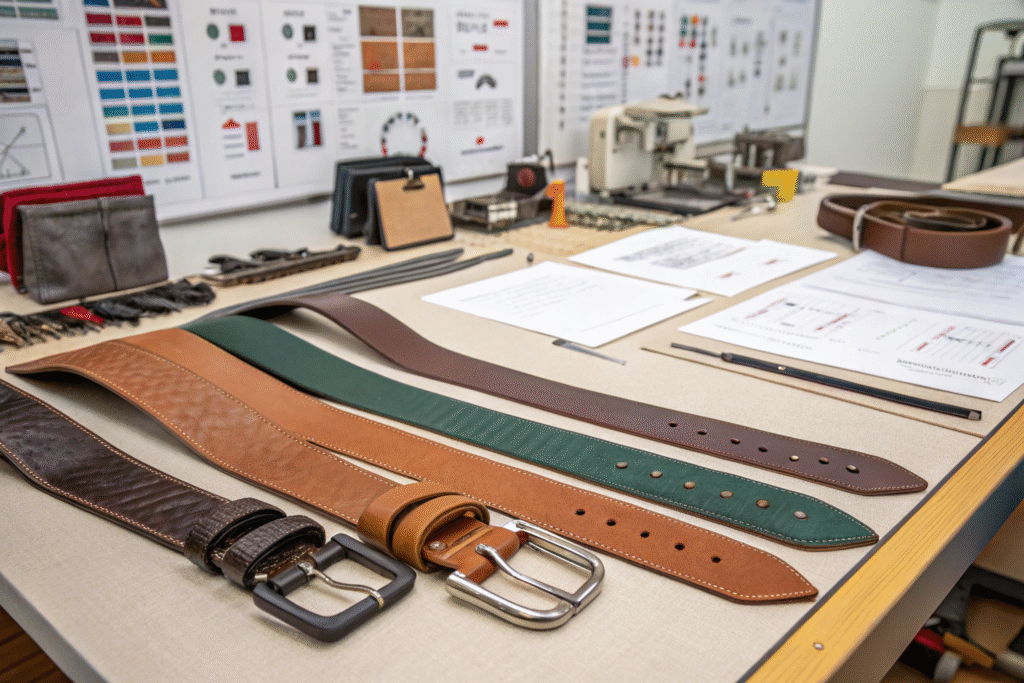
Leather from different animal species and hide locations exhibits varying stretch characteristics. Butt sections generally provide the most stable foundation for belts, while belly areas stretch more significantly. Proper hide mapping and cutting pattern placement maximize yield while maintaining consistency.
The tanning process significantly impacts leather stability. Vegetable-tanned leather generally offers better dimensional stability than chrome-tanned alternatives once properly conditioned. Working with tanneries that understand belt manufacturing requirements ensures materials arrive with consistent characteristics that support size accuracy.
How Do Material Storage Conditions Impact Sizing?
Material storage conditions directly affect size consistency. Leather stored in uncontrolled environments absorbs and releases moisture, expanding and contracting before cutting. Synthetic materials can develop memory shapes when stored on small rolls, creating curvature that affects flat measurements.
Establishing proper material handling protocols includes maintaining consistent temperature and humidity in storage areas, rotating stock to prevent long-term deformation, and allowing materials to acclimate to production environments before cutting. These steps prevent material variations from undermining manufacturing precision.
Conclusion
Achieving belt size consistency requires a systematic approach spanning measurement protocols, manufacturing processes, quality systems, and material management. The manufacturers who excel implement robust standards at each stage rather than relying on any single solution. This comprehensive approach delivers the reliable sizing that builds customer trust and reduces operational costs.
The investment in size consistency pays continuous dividends through reduced returns, stronger brand reputation, and improved manufacturing efficiency. As e-commerce continues growing, accurate sizing becomes increasingly crucial since customers cannot try products before purchase. Manufacturers who master size consistency gain significant competitive advantages in today's market.
Ready to implement best practices for belt size consistency in your production? Contact our Business Director, Elaine, at elaine@fumaoclothing.com to discuss how our precision manufacturing processes and quality systems can deliver the consistent sizing your customers expect.