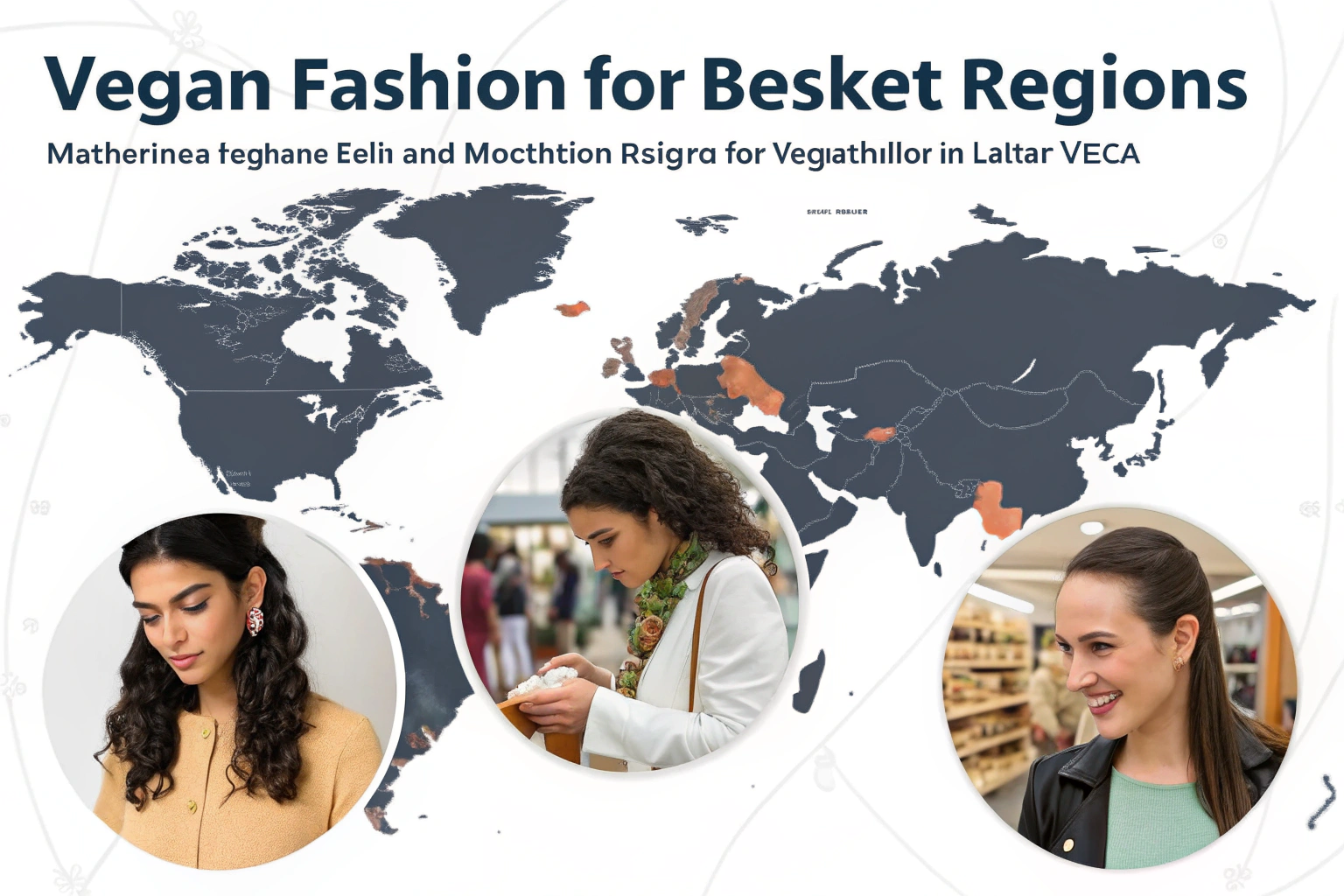
The global demand for vegan leather belts is growing rapidly. Traditional markets are becoming saturated. Smart businesses are looking for new opportunities. Where should you focus your expansion efforts?
Emerging markets for vegan leather belts include Southeast Asia's growing middle class, Eastern Europe's fashion-conscious youth, Latin America's eco-aware urban centers, and the Middle East's luxury ethical consumers. These regions show increasing disposable income, environmental awareness, and appetite for cruelty-free fashion alternatives that align with local cultural values and climate needs.
The vegan leather market is projected to reach $89.6 billion by 2025, with significant growth coming beyond North America and Western Europe. Understanding these emerging regions requires analyzing consumer behavior, distribution channels, and local preferences. This guide explores the most promising opportunities and how to successfully enter them.
Why is Southeast Asia Becoming a Vegan Leather Hotspot?
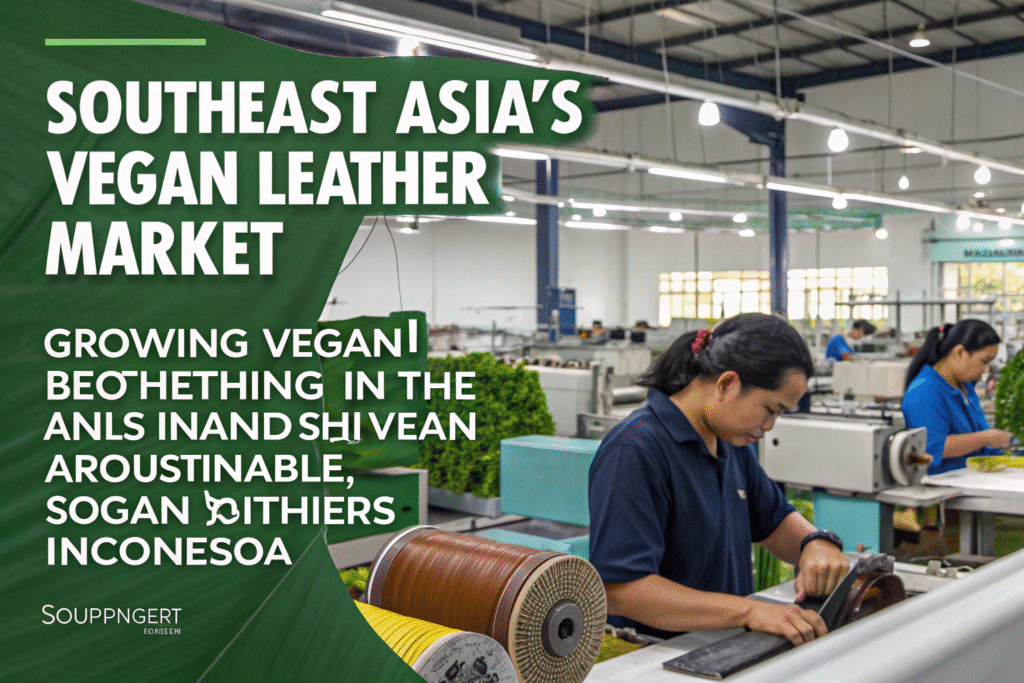
Southeast Asia's vegan leather market is experiencing explosive growth. The region's middle class is expanding rapidly. Countries like Vietnam, Thailand, and Indonesia are leading this trend. Several factors make this region particularly promising for vegan belt expansion.
The tropical climate makes breathable, durable vegan materials particularly appealing. Traditional leather often becomes uncomfortable in high humidity. Vegan alternatives made from pineapple leaves, cactus, or recycled materials offer better performance. Additionally, the region's strong manufacturing capabilities mean shorter supply chains and faster market response times for fashion accessories.
What Demographic Trends Support Vegan Belt Growth in Southeast Asia?
Young urban professionals are driving demand for ethical fashion. With over 65% of Southeast Asia's population under 35, this demographic is highly receptive to vegan products. They're digitally connected, environmentally conscious, and have growing disposable income. Major cities like Bangkok, Ho Chi Minh City, and Jakarta have seen vegan fashion boutiques multiply in recent years.
The rise of conscious consumerism aligns with regional environmental concerns. Countries like Thailand and Vietnam face significant pollution challenges, making sustainable products increasingly attractive. Government initiatives supporting sustainable manufacturing further accelerate this trend. For belt retailers, this creates opportunities to position vegan products as both stylish and responsible choices.
How Does Religious Diversity Influence Vegan Product Acceptance?
Buddhist populations in Thailand, Vietnam, and Singapore show strong interest in cruelty-free products. The principle of ahimsa (non-violence) makes vegan leather particularly appealing. Similarly, Muslim consumers in Indonesia and Malaysia appreciate vegan options that align with halal principles, even for non-food products.
This religious compatibility creates natural market openings. During vegetarian festivals in Thailand or ethical consumption campaigns in Indonesia, vegan belts see significant sales spikes. Understanding these cultural consumption patterns helps timing product launches and marketing campaigns. The diverse religious landscape actually strengthens rather than hinders vegan leather adoption across the region.
What Makes Eastern Europe Promising for Vegan Belts?
Eastern Europe represents an underserved market with substantial potential. Countries like Poland, Czech Republic, and Romania are experiencing economic growth and changing fashion attitudes. The vegan leather market here is less competitive than Western Europe, offering first-mover advantages.
Post-communist generations are embracing global fashion trends while maintaining distinct regional aesthetics. They're increasingly concerned about animal welfare and environmental sustainability. The climate also demands durable accessories that can withstand cold winters, making quality vegan belts practical for year-round wear.
How Are Economic Changes Driving Fashion Evolution?
Rising disposable incomes allow consumers to experiment with new materials and styles. The average monthly wage in Poland has increased by 27% since 2018, creating new fashion spending capacity. Eastern European consumers are value-conscious but increasingly willing to pay premiums for quality and ethical production.
The rapid growth of e-commerce platforms makes market entry more accessible. Online fashion retailers like Allegro in Poland and eMAG in Romania have seen triple-digit growth in ethical fashion categories. This digital infrastructure allows international belt brands to reach consumers directly without extensive physical retail networks, reducing market entry barriers.
What Style Preferences Define Eastern European Vegan Fashion?
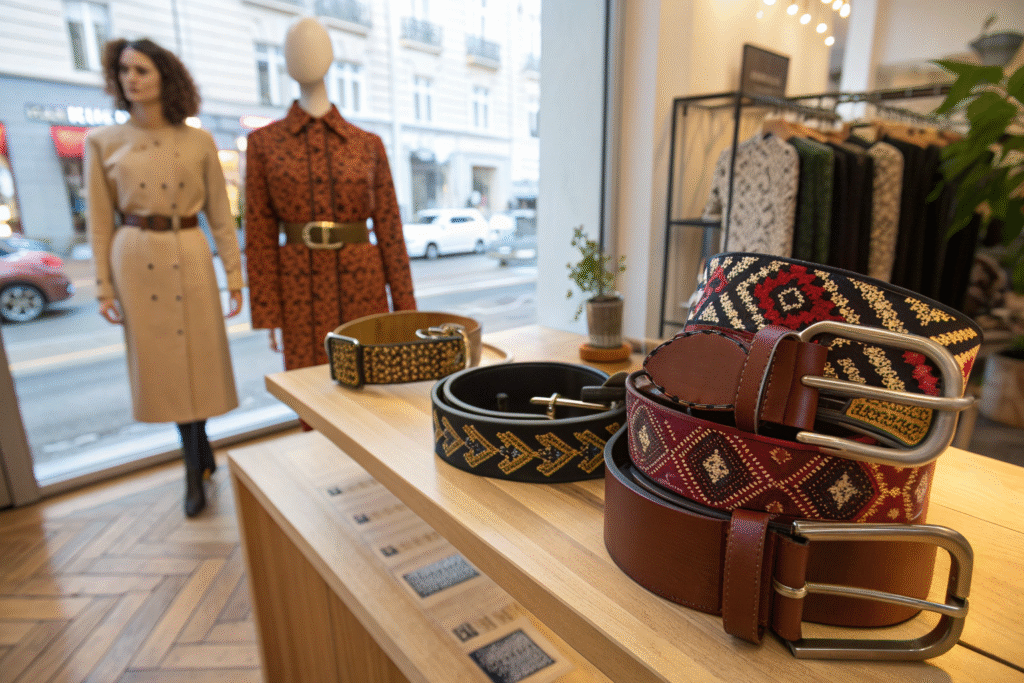
Eastern European consumers favor minimalist, versatile designs that transition from day to night. Neutral colors and classic buckles outperform trendy styles. There's particular interest in vegan belts that mimic high-quality leather aesthetics without animal products, reflecting the region's appreciation for luxury cues.
Quality perception is crucial. Consumers carefully examine stitching, hardware, and material durability. They're skeptical of "vegan" meaning "lower quality" and need convincing of product longevity. Successful brands emphasize craftsmanship and materials innovation alongside ethical credentials to win this discerning market.
Why is Latin America Embracing Vegan Leather Accessories?
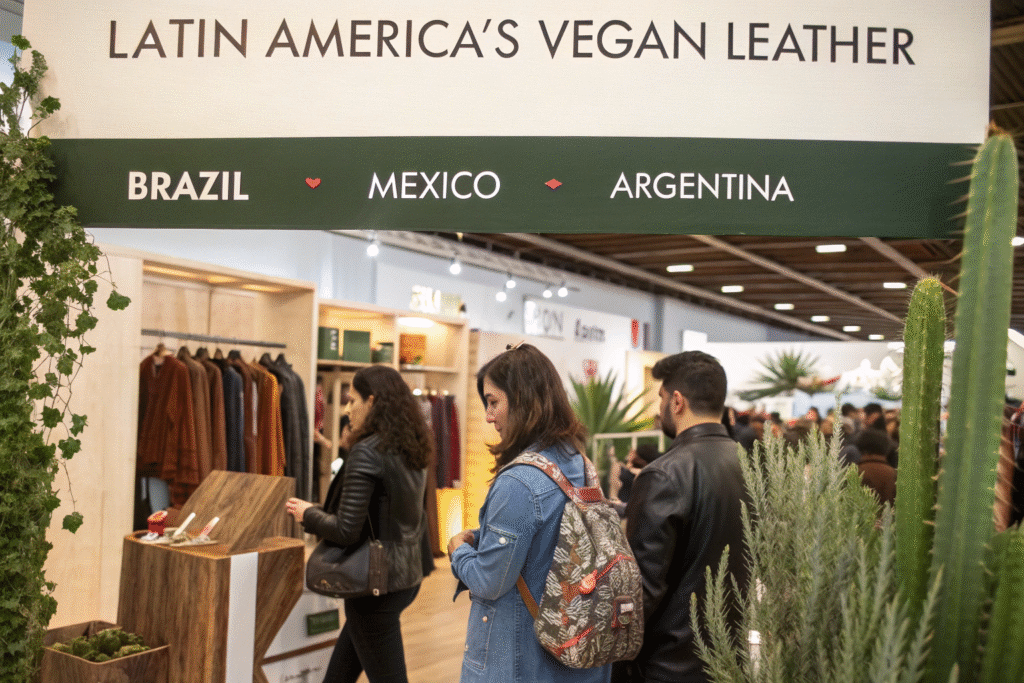
Latin America's vegan leather market is growing at 12% annually, outpacing global averages. Brazil, Mexico, and Argentina lead this expansion, driven by environmental awareness, fashion consciousness, and innovative local material development.
The region has rich traditions in plant-based materials, from Amazonian natural rubber to Argentinean cactus leather. This cultural familiarity with bio-based materials creates natural acceptance of vegan leather alternatives. Additionally, the strong presence of European fashion influences makes Latin American consumers receptive to global sustainable trends.
How Do Local Materials Create Unique Market Opportunities?
Brazilian brands are pioneering vegan leather from Amazonian mushrooms and tropical fruits. Mexican designers are creating stunning accessories from cactus and agave waste. These local material innovations resonate with consumers seeking authentic, regionally-inspired products with compelling sustainability stories.
The "Hecho en México" (Made in Mexico) and "Produzido no Brasil" (Produced in Brazil) movements create pride in local manufacturing. Vegan belts incorporating indigenous materials and techniques benefit from this cultural momentum. International brands can collaborate with local artisans to create unique products that stand out in both regional and global markets.
What Retail Strategies Work in Latin American Markets?
Social commerce dominates fashion discovery in Latin America. Instagram and WhatsApp drive over 40% of fashion purchases in Brazil. Successful brands create shareable content showing vegan materials' benefits and production processes. Limited editions and collaborations with local influencers generate excitement in these highly social markets.
Physical retail remains important for building trust. Department store concessions in shopping malls and standalone boutiques in trendy neighborhoods like Mexico City's Roma or São Paulo's Jardins establish brand credibility. A hybrid omnichannel approach works best, combining digital marketing with selective physical presence to reach Latin America's diverse consumer segments.
What Opportunities Exist in the Middle East's Luxury Vegan Market?
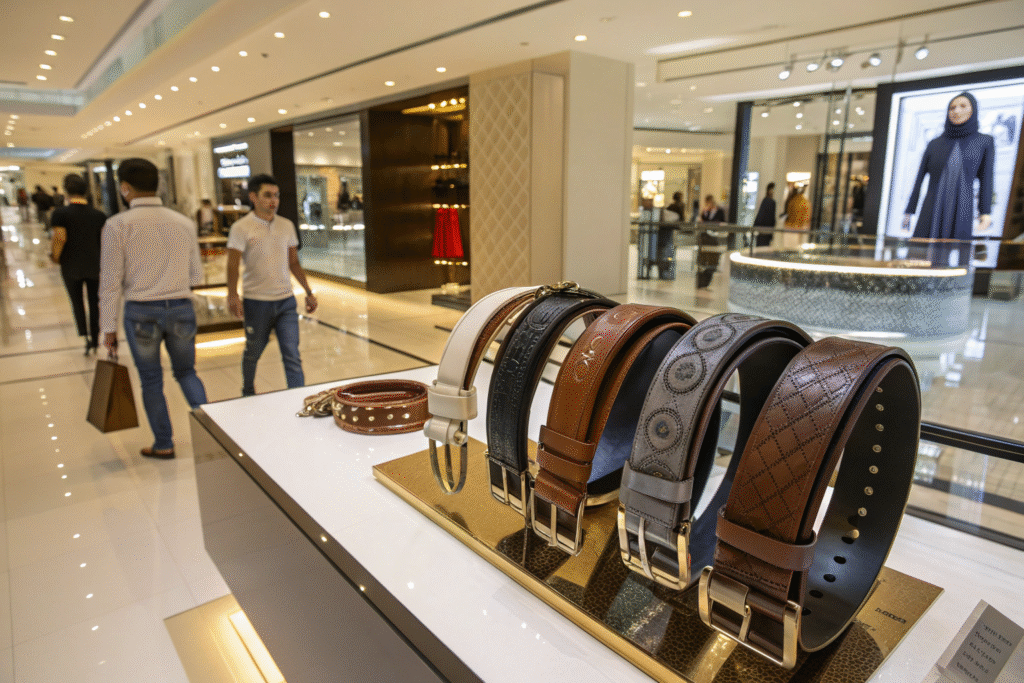
The Middle East represents the most premium emerging market for vegan leather belts. The UAE, Saudi Arabia, and Qatar are developing sophisticated markets for ethical luxury goods. While traditionally associated with opulent animal leather, the region is rapidly embracing vegan alternatives.
High disposable incomes, young populations, and growing environmental awareness create ideal conditions for premium vegan accessories. The region's extreme heat also makes breathable, non-leather materials practically advantageous. Luxury malls from Dubai to Riyadh are increasingly dedicating space to sustainable fashion brands.
How Are Regional Values Aligning with Vegan Luxury?
Islamic principles of environmental stewardship resonate with sustainable fashion. The concept of "khalifa" (stewardship of the Earth) is increasingly referenced in marketing ethical products. While not explicitly religious, vegan leather aligns with these values, particularly for younger consumers seeking modern interpretations of traditional principles.
The growing influence of Western-educated millennials and Gen Z is transforming fashion attitudes. These consumers are digitally savvy, globally connected, and concerned about sustainability. They expect the same luxury experience from vegan products as traditional luxury goods, demanding exquisite craftsmanship and sophisticated branding alongside ethical credentials.
What Distribution Channels Are Most Effective?
Luxury department stores like Harvey Nichols and Bloomingdale's in Dubai have launched dedicated sustainable sections. High-end concept stores like Saucee in Saudi Arabia curate ethical fashion collections. These established retail partners provide immediate credibility and access to affluent consumers.
During Ramadan and other festive seasons, special collections and gift sets perform exceptionally well. The culture of gift-giving creates opportunities for premium vegan belt presentations. Successful brands create limited editions with special packaging that acknowledges cultural sensitivities while promoting sustainability values in this rapidly evolving market.
Conclusion
The global landscape for vegan leather belts is expanding beyond traditional Western markets. Southeast Asia offers rapid growth and manufacturing advantages. Eastern Europe provides access to value-conscious but quality-focused consumers. Latin America combines material innovation with strong cultural identity. The Middle East represents the premium segment with exceptional growth potential.
Understanding each region's unique consumer behavior, distribution channels, and cultural context is essential for success. The brands that will dominate these emerging markets are those that combine consistent quality with localized marketing and authentic sustainability stories.
Ready to expand your belt collection into emerging vegan leather markets? Contact our Business Director, Elaine, at elaine@fumaoclothing.com to discuss developing region-specific vegan belt collections that capture these growing opportunities.