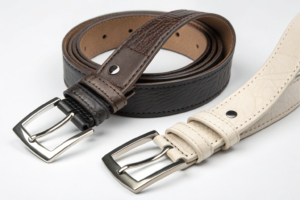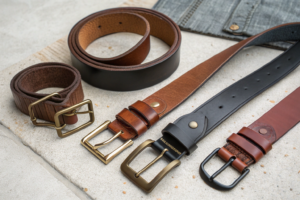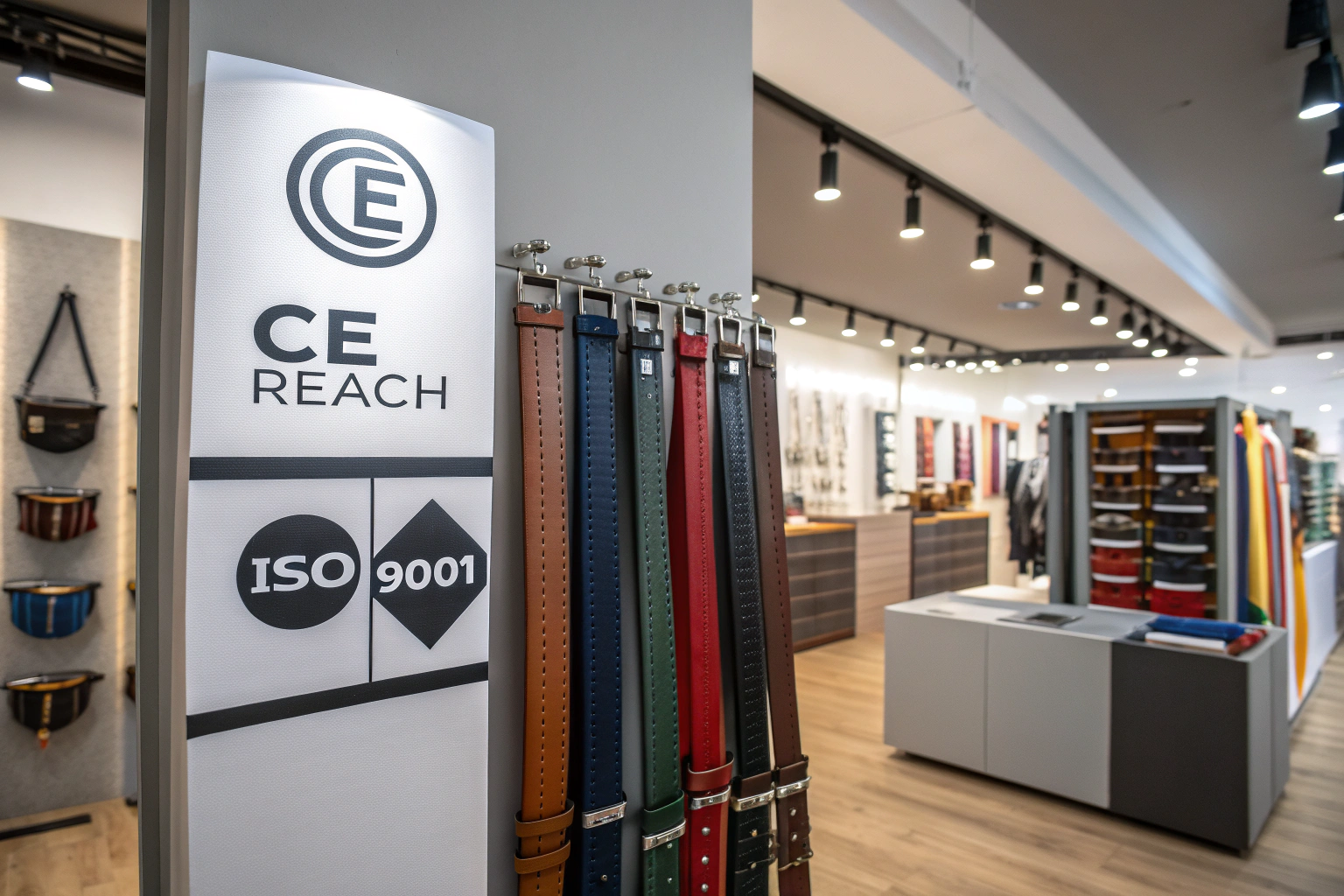
You've just received a large order from a European retailer. Your belts are manufactured, packaged, and ready to ship. Then comes the devastating news: your shipment is stuck at customs because it lacks the proper certifications. The retailer is furious, you're facing steep fines, and your reputation is damaged. This scenario destroys businesses every year, but it's completely preventable with the right knowledge.
Exporting belts to Europe requires specific certifications that prove your products meet EU safety, environmental, and quality standards. The key certifications include CE marking for certain belt types, REACH compliance for chemical safety, OEKO-TEX Standard 100 for textile components, and ISO 9001 for manufacturing quality control. Understanding and obtaining these certifications is not optional—it's mandatory for market access.
This guide will walk you through the essential certifications for European belt exports. We'll explore product-specific safety markings, chemical compliance requirements, textile certifications, and quality management standards that build buyer confidence.
What Product Safety Certifications Are Mandatory?
The European Union has strict product safety regulations that vary depending on your belt's classification. While most fashion belts don't require CE marking, misunderstanding these requirements can lead to rejected shipments and legal penalties.
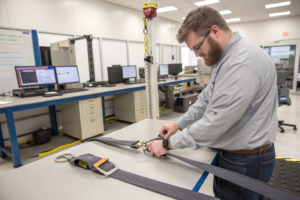
Product safety certification depends on whether your belts are considered personal protective equipment (PPE) or general consumer products. Most fashion belts fall under general product safety regulations, but certain types—like safety harnesses or work belts—may require specific certifications.

When Is CE Marking Required for Belts?
CE marking indicates conformity with health, safety, and environmental protection standards for products sold in the European Economic Area. For belts, CE marking is typically required only if they're classified as personal protective equipment.
CE marking applies to:
- Safety Harnesses: Industrial fall protection belts
- Work Positioning Belts: For construction and industrial use
- Sports Safety Belts: Climbing or safety equipment
Most fashion belts and dress belts don't require CE marking. However, if you're unsure, the EU's classification guidelines provide clear definitions. When required, CE marking involves a conformity assessment procedure and technical documentation.
What Are the General Product Safety Requirements?
All consumer products, including belts, must meet the General Product Safety Directive (GPSD). This requires manufacturers to:
- Conduct Risk Analysis: Identify potential risks in normal use
- Provide Warnings: Include appropriate safety information
- Maintain Documentation: Keep technical files for 10 years
- Implement Recall Procedures: Have systems for product recalls if needed
Our factory's quality management system ensures we meet these fundamental requirements for all our European exports.
How Does REACH Compliance Affect Belt Exports?
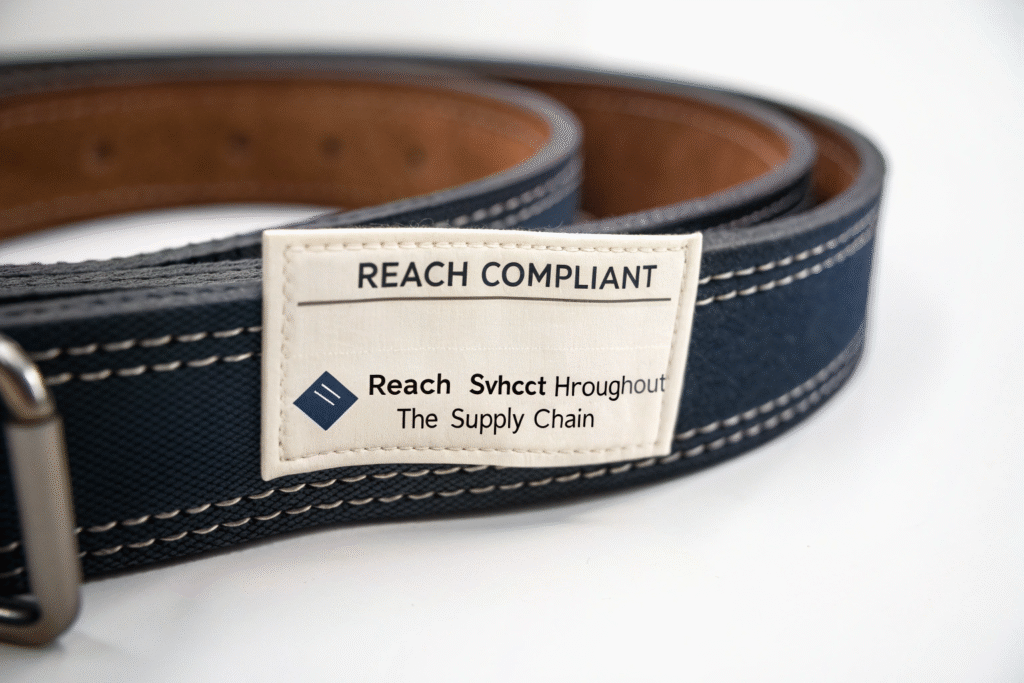
REACH (Registration, Evaluation, Authorization and Restriction of Chemicals) is one of the most comprehensive chemical regulations globally. It affects virtually all consumer products, including belts, by restricting hazardous substances throughout the supply chain.
REACH compliance is mandatory for all belt exports to Europe, regardless of materials. The regulation restricts specific chemicals in final products and requires transparency about substances of very high concern (SVHCs).
What Chemicals Are Restricted in Belt Production?
REACH Annex XVII contains specific restrictions that impact belt manufacturing:
- Azo Dyes: Cannot release carcinogenic aromatic amines
- Cadmium: Restricted in all components below 0.01%
- Nickel: Limited migration from metal parts like buckles
- Phthalates: Restricted in plastics below 0.1%
- Chromium VI: Restricted in leather products
We ensure compliance through rigorous material testing and supplier verification for all our European-bound products.
How to Demonstrate REACH Compliance?
Proper documentation is essential for customs clearance:
- Test Reports: From accredited laboratories
- Declaration of Conformity: Supplier declarations for all components
- Safety Data Sheets: When required for certain substances
- Technical Documentation: Complete material breakdowns
Without this documentation, European customs authorities can reject entire shipments, resulting in significant financial losses.
What Textile Certifications Build Consumer Trust?
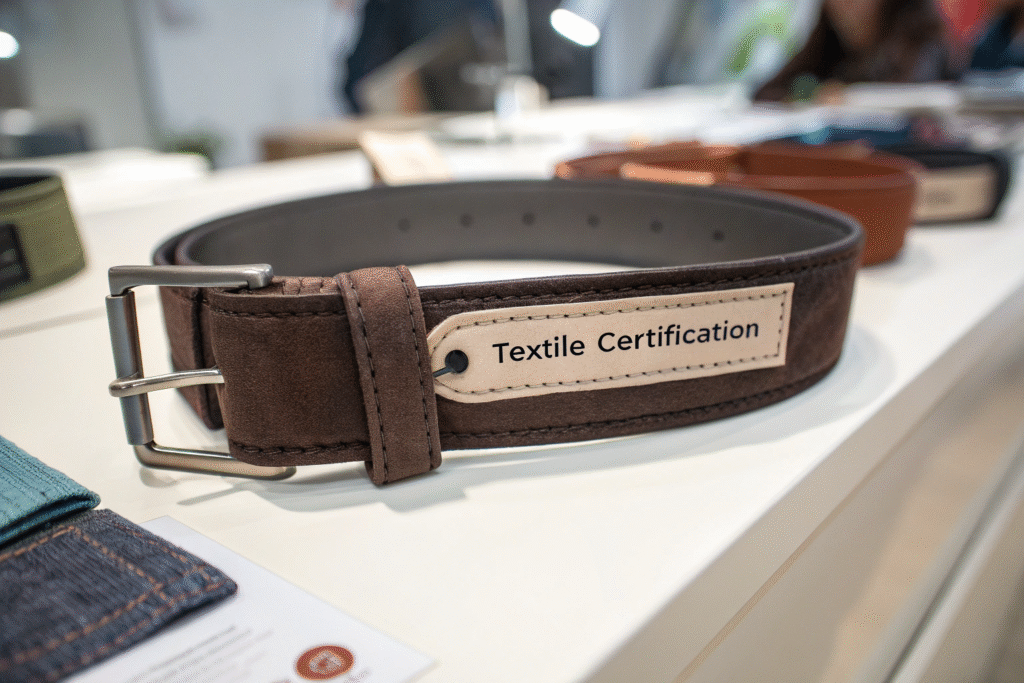
While not always mandatory, voluntary textile certifications significantly enhance marketability and demonstrate commitment to quality and safety. European consumers increasingly seek out these certifications when making purchasing decisions.
Textile certifications cover everything from material composition to environmental impact. For belts, the most relevant certifications focus on harmful substances and sustainable production.
Why Is OEKO-TEX Standard 100 Valuable?
OEKO-TEX Standard 100 is the leading international certification for textile safety. It tests for harmful substances at every production stage and is highly recognized by European consumers.
Benefits include:
- Consumer Confidence: Recognized by 77% of European shoppers
- Retailer Preference: Many European retailers require it
- Comprehensive Testing: Covers 300+ regulated chemicals
- Marketing Advantage: Can be used on labels and marketing materials
Our textile belts and fabric components carry OEKO-TEX certification to meet European market expectations.
How Does Leather Working Group Certification Help?
While not an EU requirement, LWG certification demonstrates environmental compliance in leather production:
- Environmental Management: Tracks water and energy usage
- Chemical Management: Ensures proper chemical handling
- Waste Management: Monitors waste and byproduct disposal
- Traceability: Provides supply chain transparency
This certification is particularly valuable for genuine leather belts exported to environmentally conscious European markets.
Why Are Quality Management Systems Important?
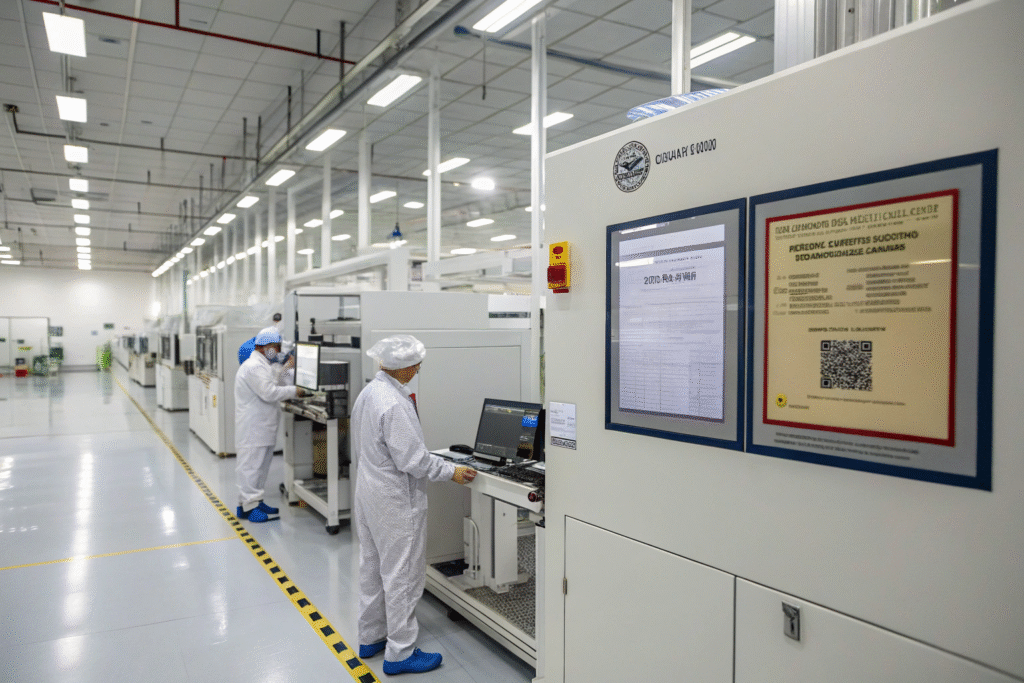
Beyond product-specific certifications, manufacturing quality systems demonstrate consistent production capability and reliability. European buyers increasingly view these systems as indicators of supplier reliability and long-term partnership potential.
Quality management certifications provide assurance that your manufacturing processes can consistently deliver products that meet specifications and regulatory requirements.
What Value Does ISO 9001 Add?
ISO 9001 is the international standard for quality management systems. While not mandatory for belt exports, it provides significant advantages:
- Process Consistency: Ensures repeatable manufacturing quality
- Customer Confidence: Demonstrates commitment to quality
- Continuous Improvement: Requires ongoing process optimization
- Risk Management: Identifies and addresses potential issues
Our ISO 9001 certified facility gives European buyers confidence in our consistent quality and reliability.
How Do Social Compliance Certifications Impact Business?
European buyers increasingly consider social and ethical factors:
- SMETA/SEDEX: Social accountability auditing
- BSCI: Business Social Compliance Initiative
- WRAP: Worldwide Responsible Accredited Production
These certifications demonstrate ethical manufacturing practices, which can be deciding factors for European retailers with corporate social responsibility commitments.
Conclusion
Exporting belts to Europe requires understanding and obtaining the right certifications: REACH compliance for chemical safety, potential CE marking for safety-critical products, voluntary certifications like OEKO-TEX for market acceptance, and quality management systems like ISO 9001 for manufacturing reliability. These certifications aren't just paperwork—they're essential tools for market access, customer trust, and competitive advantage in the sophisticated European market. By proactively addressing these requirements, you can avoid costly customs issues and build lasting relationships with European buyers.
If you need assistance navigating European certification requirements for your belt exports, our factory has extensive experience and existing certifications for European markets. Contact our Business Director, Elaine, at elaine@fumaoclothing.com to ensure your products meet all necessary European standards.