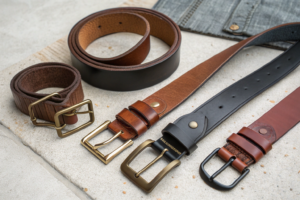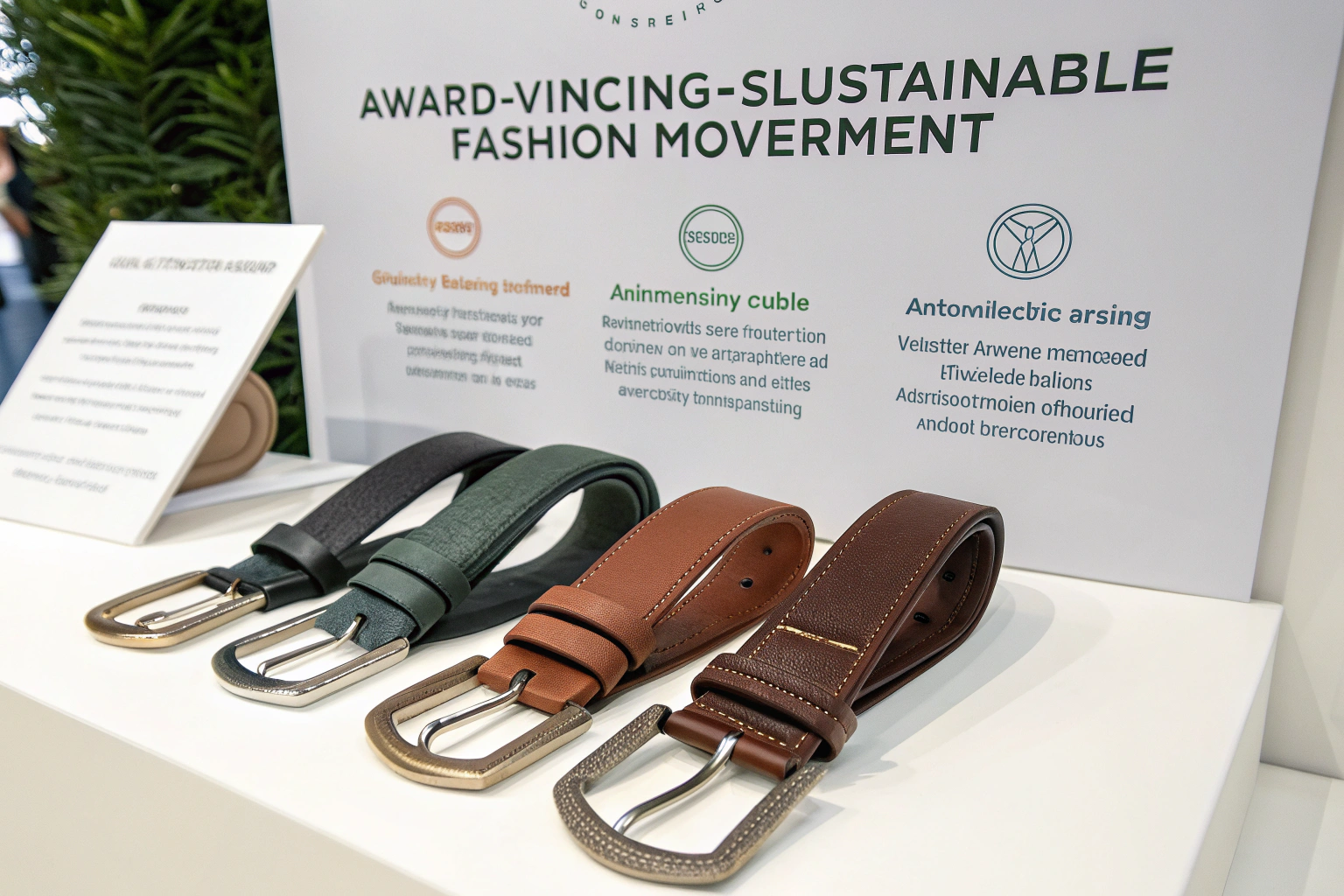
The sustainable fashion movement has evolved from niche concern to mainstream expectation, with accessories leading much of this transformation through innovative materials and production methods. Award-winning sustainable belts represent the pinnacle of this evolution, combining environmental responsibility with design excellence and commercial viability in products that set new standards for the industry.
Award-winning sustainable belts feature traceable material sourcing, circular design principles, verified environmental claims, innovative use of alternative materials, and compelling aesthetic integration of sustainability narratives. These distinguishing characteristics go beyond basic eco-friendly claims to demonstrate comprehensive commitment to environmental and social responsibility throughout the product lifecycle, from raw material extraction to end-of-life scenarios. The most celebrated examples balance radical transparency with desirable design that makes sustainability feel aspirational rather than sacrificial.
Understanding what separates award-winning sustainable belts from merely "green" products reveals how environmental responsibility is being redefined from cost center to innovation driver in the accessories industry.
What Material Innovations Define Award-Winning Sustainable Belts?
The foundation of exceptional sustainable belts lies in material selection that demonstrates genuine environmental advancement rather than superficial green claims.
How Do Plant-Based Leather Alternatives Perform?
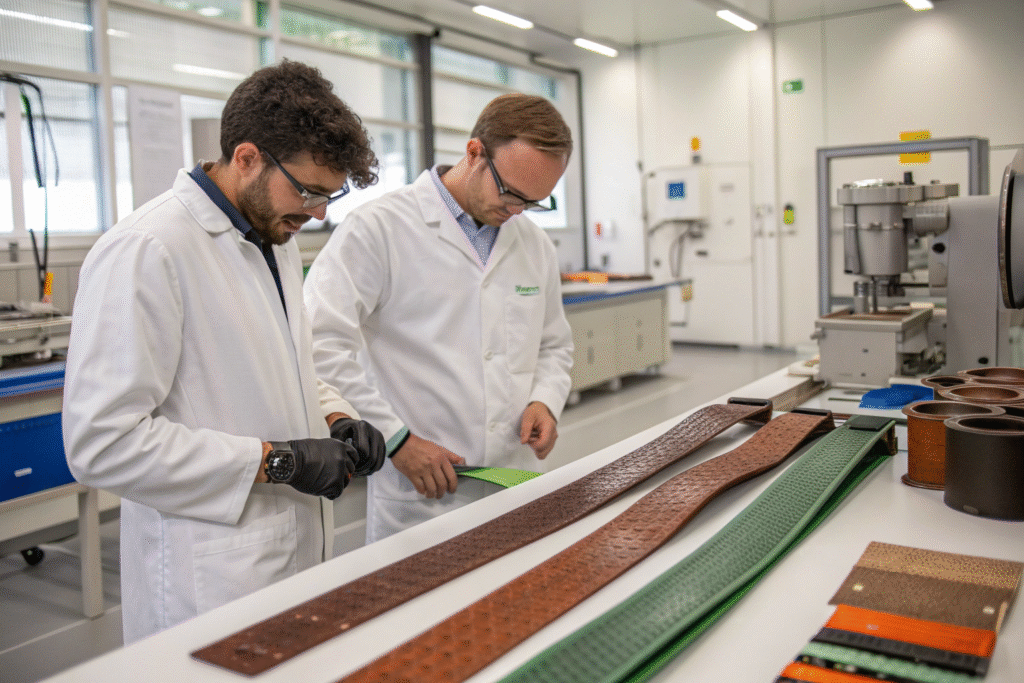
Award-winning belts increasingly utilize advanced plant-based materials that match or exceed conventional leather's performance while offering dramatically improved environmental profiles. Materials like pineapple leaf fiber (Piñatex), mushroom leather (Mylo), and cactus leather (Desserto) have received recognition for their innovative approaches to material science. These plant-based alternatives typically require significantly less water than animal leather, generate lower carbon emissions during production, and avoid the ethical concerns of livestock farming.
The most awarded implementations don't merely substitute materials but redesign products to leverage the unique properties of these alternatives. For example, belts using apple waste leather incorporate the material's natural texture as a design feature rather than attempting to perfectly mimic animal leather. This honest approach to material expression demonstrates design confidence that resonates with award jurors who value authenticity over imitation. The resulting products feel innovative rather than simply "vegan versions" of existing designs.
What Role Do Recycled and Upcycled Materials Play?
Belts incorporating high-percentage recycled content consistently receive recognition for addressing waste streams while maintaining quality standards. Award winners often feature straps made from recycled plastic bottles transformed into technical fabrics, buckles crafted from reclaimed metals, and linings utilizing recycled cotton or polyester. The most sophisticated implementations document the specific waste streams being addressed, creating compelling sustainability narratives backed by verifiable data.
The most celebrated upcycled approaches transform waste materials with inherent stories—ocean-recovered plastics, discarded automotive airbags, or repurposed industrial materials—into luxury accessories. These transformations demonstrate creativity in reimagining material value while directly addressing environmental problems. The belts become conversation pieces that spread awareness about circular economy principles while delivering functional performance comparable to conventional alternatives.
What Design Principles Distinguish Award-Winning Sustainable Belts?
Sustainable design excellence extends beyond material selection to encompass product architecture, manufacturing efficiency, and end-of-life planning.

How Does Modular Design Enhance Sustainability?
Award-winning sustainable belts frequently employ modular design principles that enable component replacement, repair, and upgrading to extend product lifespan. Systems with interchangeable straps and buckles allow users to refresh appearance without replacing entire belts, significantly reducing material consumption over time. The most sophisticated modular systems design compatibility across product generations, ensuring new components work with older bases to prevent obsolescence.
This modular approach proves particularly valuable for addressing the different wear patterns of belt components. While buckles might last indefinitely, straps eventually show wear; modular systems enable strap replacement while preserving the buckle's embodied energy. Award jurors recognize this thoughtful consideration of entire product lifecycles as representing more meaningful sustainability than simply selecting eco-friendly materials for disposable products.
What Disassembly and Repair Features Matter?
Design for disassembly and repair represents a key differentiator for award-winning sustainable belts. Features like standardized screw systems instead of permanent rivets, accessible stitching rather than hidden adhesives, and replaceable wear components demonstrate commitment to product longevity. These design decisions often require additional engineering investment but result in products that can be maintained indefinitely rather than replaced when single components fail.
The most celebrated implementations include repair guides, spare part availability, and sometimes even repair services that transform the brand relationship from transactional to ongoing. This approach aligns with circular economy principles while building customer loyalty through demonstrated commitment to product longevity. Award programs increasingly value these service dimensions alongside physical product attributes, recognizing that true sustainability requires systemic thinking beyond the product itself.
What Verification and Transparency Standards Are Essential?
Credible sustainability requires verification through recognized standards and radical transparency about supply chains and environmental impacts.
| Verification Standard | What It Certifies | Importance for Awards |
|---|---|---|
| Cradle to Cradle Certified | Material health, product circularity, clean air & climate protection, water & soil stewardship, social fairness | Demonstrates comprehensive sustainability approach |
| Global Organic Textile Standard (GOTS) | Organic fibers and environmentally and socially responsible manufacturing | Verifies natural material claims |
| Leather Working Group (LWG) | Environmental compliance and performance capabilities of leather manufacturers | Validates responsible leather sourcing |
| B Corp Certification | Overall social and environmental performance of the company | Contextualizes product within ethical business practices |
| Environmental Product Declaration (EPD) | Transparent, comparable information about product environmental impact | Provides scientific basis for environmental claims |
How Does Supply Chain Transparency Build Credibility?
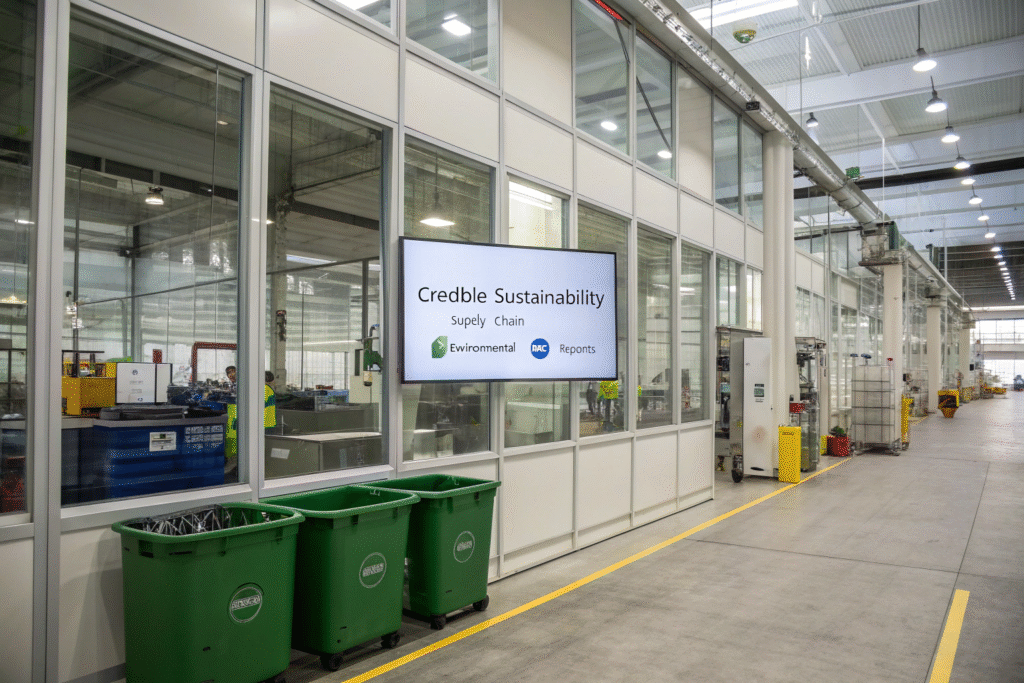
Award-winning sustainable belts provide unprecedented supply chain transparency that validates sustainability claims. The most credible implementations trace materials back to specific farms, tanneries, or recycling facilities, often with photographic documentation and third-party verification of working conditions and environmental practices. This transparency demonstrates confidence in production partners while allowing consumers to make fully informed purchasing decisions.
The most sophisticated transparency initiatives extend beyond simple supplier lists to include environmental impact data for each production stage. Some award winners provide carbon footprint calculations, water usage statistics, and waste generation metrics for individual products, creating quantifiable sustainability profiles that go beyond qualitative claims. This data-driven approach resonates with award jurors seeking substantiation rather than marketing language.
What Role Do Third-Party Certifications Play?
Recognized third-party certifications provide essential verification that separates genuine sustainability achievements from greenwashing. Award jurors increasingly expect certifications covering material composition (GOTS, GRS), manufacturing practices (LWG, B Corp), and product lifecycle impacts (Cradle to Cradle, EPD). These independent validations create trust that self-declared claims cannot achieve, particularly important in a market where sustainability terminology is often used loosely.
The most impressive certification portfolios demonstrate comprehensive commitment across multiple dimensions of sustainability. A belt might feature GOTS-certified organic cotton, LWG-certified leather, Fair Trade-certified manufacturing, and Cradle to Cradle Certified product design, creating a compelling narrative of holistic responsibility. This multi-certification approach shows understanding that true sustainability requires addressing environmental, social, and economic impacts simultaneously.
How Do Business Models Support Sustainable Belt Success?
Innovative business models that align profitability with environmental responsibility distinguish award-winning sustainable belt programs.
What Circular Business Models Are Emerging?
Award-winning sustainable belt companies increasingly implement circular business models that maintain product value and utility beyond initial sale. Take-back programs that refurbish and resell used belts, rental services for special occasion wear, and subscription models that provide seasonal rotation while maintaining ownership all demonstrate innovative approaches to reducing consumption. These models represent fundamental rethinking of traditional accessories business practices.
The most celebrated circular implementations create systems where returned products become resources rather than waste. Belts returned through take-back programs might be disassembled for components, refurbished for resale at different price points, or recycled into new materials when beyond repair. This closed-loop thinking impresses award jurors by addressing the end-of-life scenario that most sustainable products ignore despite its critical environmental importance.
How Does Educational Marketing Enhance Impact?
Award-winning sustainable belt brands use educational marketing to help customers understand and participate in their sustainability initiatives. Rather than simply selling products, these companies teach care techniques that extend product life, explain proper disposal or recycling methods, and share stories about their supply chain partners. This educational approach builds community around sustainability values while empowering customers to maximize their positive impact.
The most effective educational initiatives create tangible connections between customer actions and environmental benefits. Some brands provide impact statements showing how many plastic bottles were diverted from oceans through recycled material purchases, or how much carbon was sequestered through regenerative agriculture practices. These quantified impact reports make sustainability tangible rather than abstract, creating emotional satisfaction that complements the functional benefits of the belt itself.
Conclusion
Award-winning sustainable belts represent the convergence of material innovation, circular design, verified transparency, and business model evolution that collectively redefine excellence in the accessories category. These products demonstrate that environmental responsibility can drive rather than limit design creativity and commercial success, setting new standards for the entire fashion industry.
The most recognized sustainable belts balance radical transparency with desirable aesthetics, making sustainability feel aspirational rather than compromise-driven. As environmental concerns continue shaping consumer preferences and industry practices, these award-winning approaches provide roadmap for how accessories can lead fashion toward genuinely sustainable future.
Ready to develop award-winning sustainable belts for your collection? Contact our Business Director, Elaine, at elaine@fumaoclothing.com to discuss our sustainable material expertise, circular design capabilities, and verification partnerships that can position your products at the forefront of responsible accessories innovation.