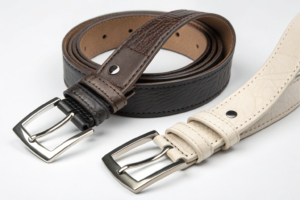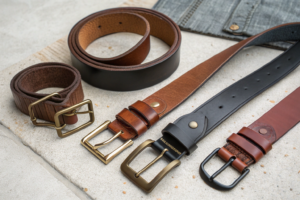
Nothing slows down airport security like fumbling with a traditional belt buckle while juggling carry-on items and removing shoes. Frequent travelers know the frustration of holding up lines or triggering additional screening because of metal components. The stress of security checkpoints has created demand for accessories specifically designed for seamless travel experiences. What makes a belt truly TSA-friendly rather than just marketing hype?
TSA-friendly travel belts feature quick-release non-metallic buckles, minimal metal components, secure yet rapid fastening systems, and comfortable designs for long wear during travel. These belts allow passengers to pass through security checkpoints without removing them, streamlining the screening process while maintaining style and functionality. The most effective designs combine security compliance with genuine convenience that frequent travelers appreciate.
Understanding TSA regulations and traveler needs reveals why certain features become essential. Let's examine the buckle mechanisms, material considerations, comfort features, and design elements that define truly TSA-friendly travel belts.
What Buckle Mechanisms Pass Security Smoothly?
The buckle represents the most critical component for TSA compliance, as traditional metal buckles inevitably trigger metal detectors. Successful TSA-friendly buckles eliminate metal while maintaining secure closure and easy operation.
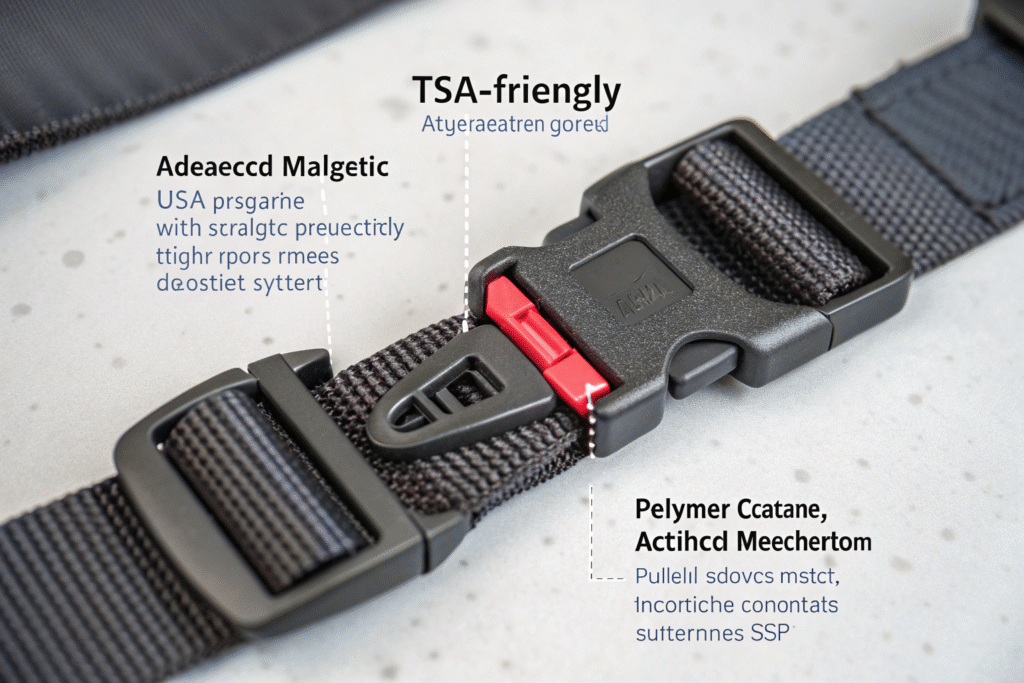
True TSA-friendly buckle mechanisms include magnetic closures, polymer quick-release systems, advanced plastic clasps, and woven designs that require no traditional buckle. These systems use engineering-grade polymers, high-strength composites, or strategic minimal metal placement to avoid detection while providing reliable performance throughout travel.
How Do Magnetic Closure Systems Work?
Magnetic closure systems use powerful rare-earth magnets embedded in polymer housings to create secure fastenings that separate with a simple tug. The best designs incorporate multiple magnetic contact points for redundancy and security, ensuring the belt won't accidentally open during travel. These systems typically use neodymium magnets that provide strong holding power despite small size, with magnetic fields that don't interfere with security screening equipment. Testing data from the Transportation Security Administration confirms that properly embedded magnets in non-metallic housings generally don't require belt removal during screening.
What Makes Polymer Quick-Release Buckles Effective?
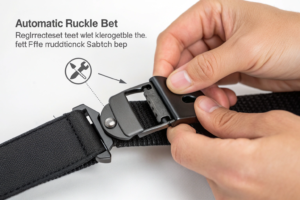
Polymer quick-release buckles adapt technology from outdoor and safety equipment to create one-handed operation systems that use no metal. These buckles typically feature a center push-button mechanism that releases tension on the belt, allowing immediate removal without traditional buckle manipulation. The most reliable versions use glass-filled nylon or other engineering polymers that withstand repeated use while maintaining precise tolerances for secure closure. Standards from American Society for Testing and Materials provide testing protocols for polymer buckle strength and durability in travel applications.
What Materials Ensure Compliance and Durability?
Material selection determines whether a travel belt remains TSA-friendly throughout its lifespan while surviving the rigors of frequent travel. The optimal materials balance security compliance, longevity, and aesthetic appeal.
TSA-friendly travel belts utilize high-strength polymers, composite materials, non-metallic reinforcement, and specialized coatings that maintain their properties through security screening, climate changes, and continuous use. These materials must function flawlessly while presenting zero security concerns.

Why Are Engineering Polymers Preferred for Travel Belts?
Engineering polymers like polyoxymethylene (POM), glass-filled nylon, and polyether ether ketone (PEEK) provide the strength, wear resistance, and dimensional stability needed for reliable buckle operation. These materials maintain their mechanical properties across the temperature extremes encountered during travel, from hot tarmac conditions to cold aircraft cabins. Their inherent non-metallic composition ensures they never trigger security systems, while their durability prevents failure during frequent use. Material specifications from ISO standards define performance requirements for polymers used in safety-critical applications like travel accessories.
How Do Non-Metallic Reinforcements Maintain Structure?
Non-metallic reinforcements including fiberglass strands, aramid fibers, and carbon fiber elements provide internal support that prevents stretching or deformation without introducing metal. These reinforcements are particularly important in belt materials themselves, where traditional metal stiffeners would cause security issues. The strategic placement of these materials creates belts that maintain their shape and function while remaining completely security-friendly. Research from The Materials Information Society documents how advanced composites can replace metallic components while maintaining performance in wearable products.
What Comfort Features Matter for Long Travel Days?
Travel belts must provide exceptional comfort for extended wear during long flights, airport layovers, and destination activities. The comfort considerations differ significantly from everyday belts due to the unique demands of air travel.
Essential comfort features for travel belts include lightweight construction, flexible materials, temperature neutrality, and adjustable fit systems that accommodate changing conditions. These elements combine to create belts that wearers forget they're wearing, even during marathon travel sessions.
Why Does Lightweight Construction Matter for Travel?
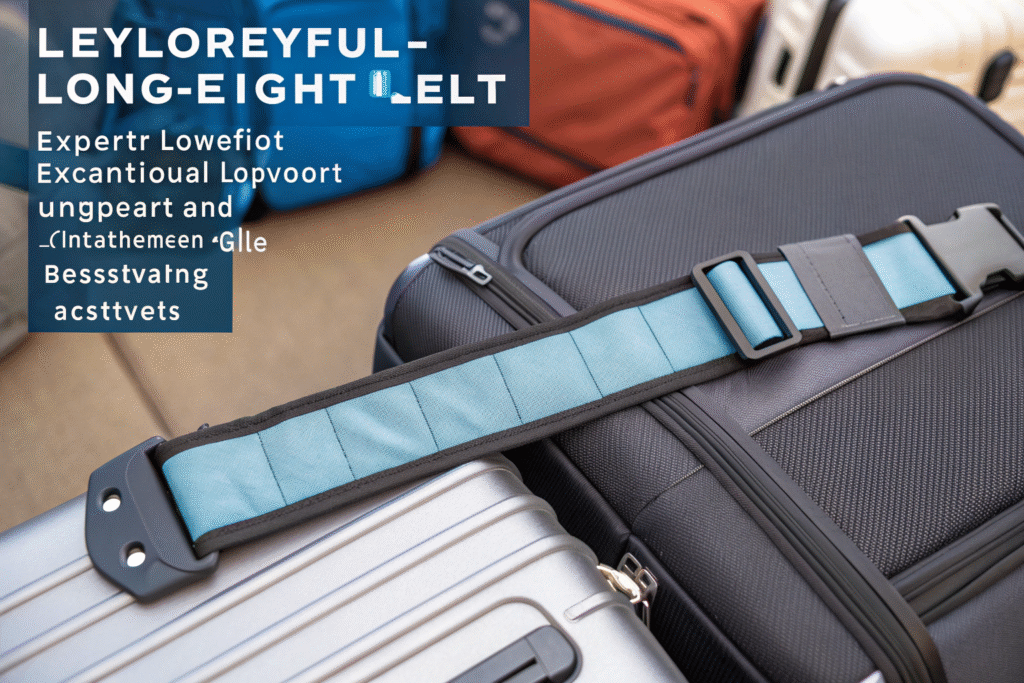
Lightweight construction reduces fatigue during long travel days when every ounce matters for comfort. TSA-friendly materials naturally contribute to reduced weight since polymers and composites are significantly lighter than their metal counterparts. The weight savings become particularly noticeable during extended wear, preventing the heavy, dragging sensation that traditional belts can create. Ergonomics research from The Human Factors and Ergonomics Society demonstrates how reduced accessory weight improves comfort during prolonged sitting and movement in confined spaces like aircraft.
How Do Flexible Materials Enhance Travel Comfort?
Flexible materials accommodate the various sitting and movement positions required during travel, from cramped airline seats to walking through terminals. Unlike stiff leather belts that can dig into the abdomen when seated, travel-optimized materials flex with body movements while maintaining their secure closure. This flexibility also makes the belts more packable for travelers who prefer to remove them during flights. Performance standards from The Outdoor Industry Association provide guidelines for flexibility and comfort in products designed for active use and extended wear.
What Design Elements Support Travel Functionality?
Beyond basic TSA compliance, successful travel belts incorporate design elements that address the practical realities of modern travel. These features transform a compliant product into an indispensable travel accessory.
Functional design elements for travel belts include easy adjustability, secure storage features, quick-drying materials, and versatile styling that transitions from travel to business or leisure activities. These considerations acknowledge that travel belts serve multiple purposes throughout a journey.

Why is Micro-Adjustability Important for Travel Belts?
Micro-adjustability allows precise fit tuning to accommodate bloating, different clothing layers, and comfort preferences that change throughout travel. Systems with fine incremental adjustment outperform traditional hole-and-pin mechanisms by providing perfect fit regardless of conditions. This feature is particularly valuable for long-haul flights where comfort requirements evolve hour by hour. Patent databases from The United States Patent and Trademark Office reveal numerous innovations in adjustable belt mechanisms specifically designed for travel applications.
How Do Quick-Dry Materials Enhance Travel Utility?
Quick-dry materials prevent discomfort from accidental spills, rain exposure, or perspiration during stressful travel situations. Unlike leather that can be damaged by moisture, technical fabrics and treated materials shed water and dry rapidly, maintaining both comfort and appearance. This functionality is particularly valuable for business travelers who may proceed directly to meetings after arrival without opportunity to change. Performance testing from The Textile Institute validates quick-dry claims for various materials used in travel accessories.
Conclusion
TSA-friendly travel belts have evolved from simple compliance products to sophisticated travel accessories that enhance the entire journey experience. The combination of security-compliant materials, traveler-focused comfort features, and practical design elements creates products that frequent travelers genuinely appreciate and rely upon.
The growing market for travel-optimized accessories reflects how specialized products can solve specific pain points in modern air travel. If you're looking to develop TSA-friendly belt collections that meet both regulatory requirements and traveler needs, our manufacturing expertise can help create products that balance compliance, comfort, and style. Contact our Business Director, Elaine, to discuss how we can develop travel belt solutions for your brand. Reach out to Elaine at elaine@fumaoclothing.com. Let's create accessories that make travel smoother for your customers.