Are you struggling to measure your belt factory's true performance? Many factory managers face challenges in identifying which metrics truly matter for improving efficiency and profitability. Without clear data, it's impossible to optimize production or reduce costs effectively. As a manufacturer with years of experience in belt production and quality management, we've identified the metrics that drive real improvement.
Key metrics in belt factory efficiency include Overall Equipment Effectiveness (OEE), production yield rate, on-time delivery performance, first-pass yield quality rate, and average production cycle time. These indicators help manufacturers identify bottlenecks, reduce waste, improve quality control, and enhance overall operational performance in belt manufacturing.
Understanding these metrics transforms how you manage your factory. We will explore each critical measurement and how they interconnect to drive sustainable growth. Continue reading to learn how to implement these metrics in your operations for better results.
Why Measure Overall Equipment Effectiveness (OEE)?
Machinery downtime and slow production cycles silently drain your factory's profitability. Without proper measurement, these losses continue unchecked, affecting your ability to meet customer demands and control costs.
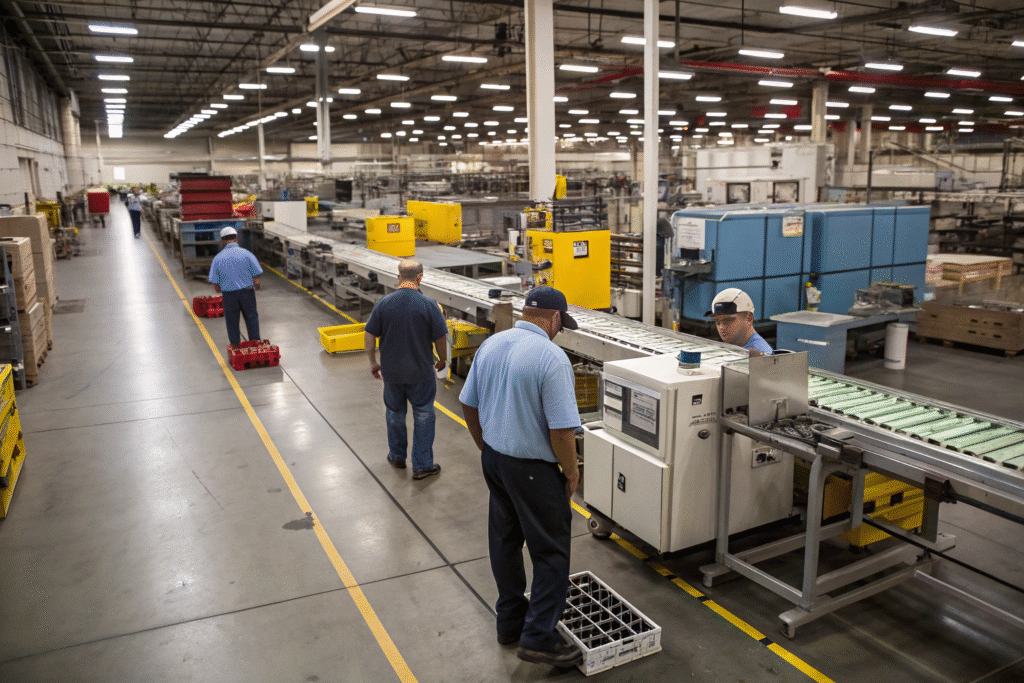
Overall Equipment Effectiveness (OEE) measures how well your manufacturing equipment is utilized by evaluating availability, performance, and quality. It provides a comprehensive view of your production efficiency, helping identify areas for improvement in your belt manufacturing processes.
How is OEE Calculated in Belt Manufacturing?
OEE is calculated by multiplying availability rate (planned production time minus downtime), performance rate (actual output versus maximum possible output), and quality rate (good units versus total units produced). For leather belt production, this might track cutting machines, stitching equipment, and buckle attachment stations. A world-class OEE score is 85% or higher, though many factories operate at 60-70%, indicating significant improvement opportunities.
What Problems Does OEE Identification Solve?
Tracking OEE helps identify specific issues like machine breakdowns, slow changeovers, and quality defects. For example, if your belt buckle attachment station shows low performance rates, you might need equipment maintenance or operator training. This data-driven approach prevents guesswork and enables targeted improvements that directly impact your bottom line and production capacity.
How Does Production Yield Impact Profitability?
Material waste represents one of the largest controllable costs in belt manufacturing. Poor yield rates directly eat into your profit margins and increase your environmental footprint without adding value.
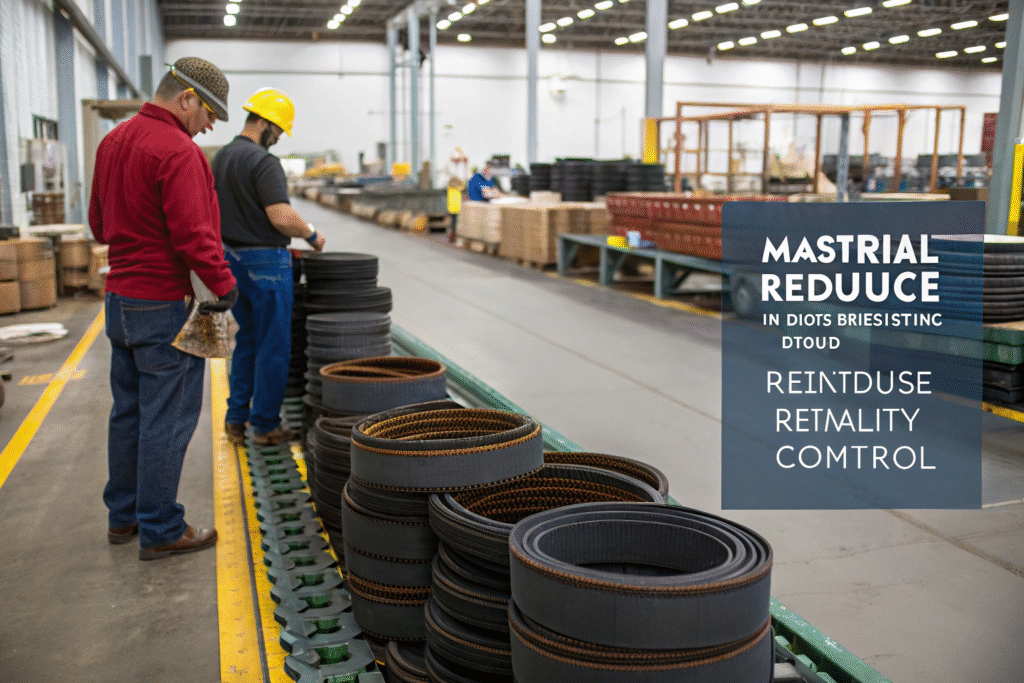
Production yield measures the percentage of good units produced from raw materials, directly impacting material costs and profitability. High yield rates indicate efficient material usage and effective quality control processes throughout production.
What Constitutes Good Yield Rates in Belt Production?
Yield rates vary by material type and product complexity. For genuine leather belts, excellent yield exceeds 85%, accounting for natural hide imperfections. For synthetic leather belts, targets should reach 90-95% due to material consistency. Monitoring these rates by product category helps identify whether material selection, cutting patterns, or handling processes need optimization to reduce waste.
How Can You Improve Material Utilization?
Improving yield requires analyzing where waste occurs. Digital cutting patterns optimized by computer systems can maximize leather hide usage. For fabric belts, proper roll management and cutting sequences minimize waste. Implementing these strategies not only reduces costs but also supports sustainable manufacturing practices that appeal to environmentally conscious brands and consumers.
Why is On-Time Delivery Critical for Customer Retention?
Late deliveries damage customer relationships and your factory's reputation. In today's competitive market, reliable delivery schedules are often as important as product quality for maintaining long-term partnerships.
On-time delivery measures the percentage of orders shipped by the promised date, reflecting your factory's reliability and planning effectiveness. This metric directly impacts customer satisfaction and your ability to secure repeat business from fashion brands and retail partners.

What Factors Affect On-Time Delivery Performance?
Multiple factors influence delivery performance, including raw material availability, production scheduling accuracy, workforce management, and logistics coordination. For custom belt orders, the complexity of designs and buckle sourcing can create bottlenecks. Understanding these variables helps develop realistic timelines and manage customer expectations effectively.
How Can Production Planning Improve Delivery Rates?
Advanced production planning systems that integrate order management, inventory tracking, and capacity planning significantly improve delivery performance. For seasonal belt collections, forward planning and buffer stock strategies prevent delays. Effective communication with customers about potential challenges also builds trust when occasional delays are unavoidable.
What Role Does First-Pass Yield Play in Quality Management?
Repeated rework of defective products increases costs and delays shipments. Catching quality issues early in the production process saves both time and materials while ensuring consistent product standards.
First-pass yield measures the percentage of products that meet quality standards without requiring rework, indicating how well your processes are controlled from the start. High first-pass yield reduces costs and improves throughput in belt production lines.

How Does First-Pass Yield Differ from Final Quality Rate?
First-pass yield captures quality at each production stage, while final quality rate only measures finished products. For belt manufacturing, this means tracking quality after cutting, stitching, dyeing, and buckle attachment separately. This granular approach identifies exactly where defects occur, enabling targeted process improvements rather than just final inspection.
What Quality Standards Apply to Belt Production?
Quality standards vary by market and product type. For export belts, compliance with international standards like ISO 9001 ensures consistent quality management. Specific checks include stitch density, buckle functionality, finish consistency, and material verification. Documenting these standards and training operators accordingly significantly improves first-pass yield rates.
Conclusion
Tracking key efficiency metrics transforms belt manufacturing from an art to a science. Overall Equipment Effectiveness, production yield, on-time delivery, and first-pass yield provide comprehensive insights into your factory's performance. These metrics enable data-driven decisions that reduce costs, improve quality, and enhance customer satisfaction. Implementing systematic measurement and continuous improvement processes ensures your factory remains competitive in the global market.
If you're looking to improve your belt factory's efficiency or partner with a manufacturer that excels in these metrics, we can help. Our factory maintains world-class standards across all key performance indicators. Contact our Business Director, Elaine, to discuss how we can support your production needs. Reach her at elaine@fumaoclothing.com. Let's work together to optimize your manufacturing operations and drive better business results.