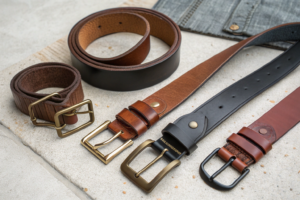
You've found the perfect belt that completes your outfit, but within hours of wearing it, you notice an angry red rash where the belt touched your skin. The itching and discomfort make you dread wearing belts altogether. This frustrating experience is common for people with sensitive skin or metal allergies, but the right material choices can completely eliminate these reactions.
The best belt materials for allergy-prone skin are hypoallergenic options that minimize direct contact with common allergens. These include full-grain vegetable-tanned leather, organic cotton, hypoallergenic metals like titanium or surgical stainless steel, and innovative materials like cork and bamboo. The key is avoiding nickel, chemical dyes, and synthetic materials that commonly trigger skin reactions.
This guide will explore the safest material choices for sensitive skin. We'll examine hypoallergenic leather options, natural fabric alternatives, safe metal components, and specialized designs that prevent skin contact with irritants.
Why is Vegetable-Tanned Leather Ideal for Sensitive Skin?
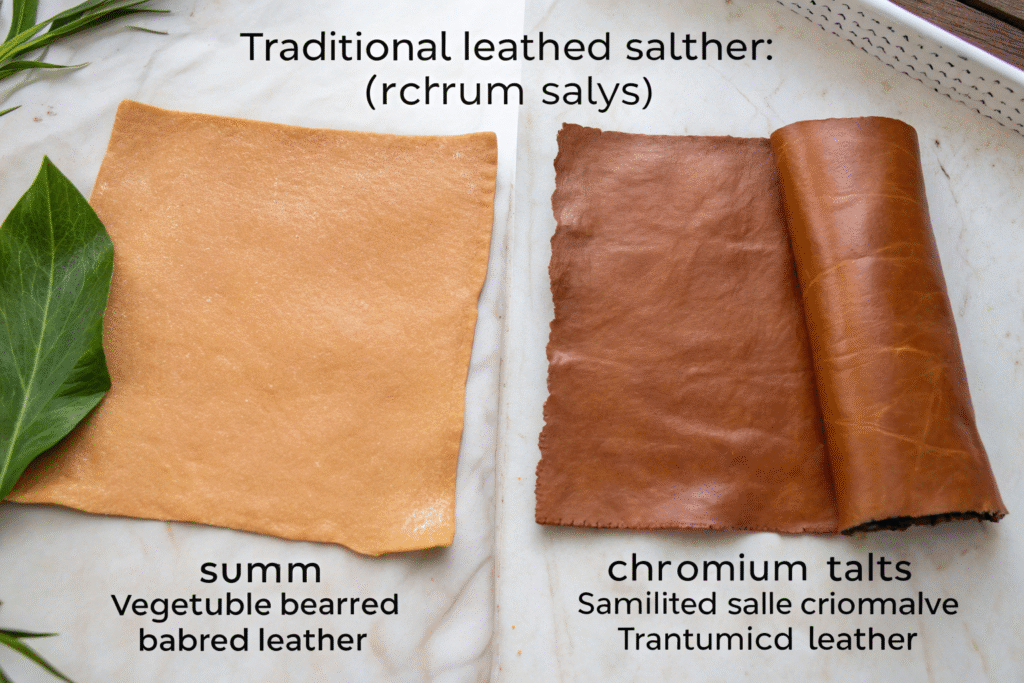
Traditional leather processing uses chromium salts and chemical dyes that can leach out and cause skin irritation. These chemicals are particularly problematic for people with eczema or chemical sensitivities. The processing methods matter as much as the leather itself when it comes to skin compatibility.
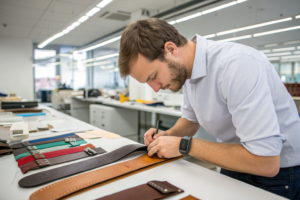
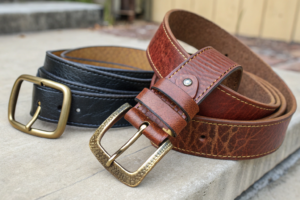
Vegetable-tanned leather uses natural tannins from tree bark, leaves, and fruits instead of chromium salts. This ancient process creates leather that's not only beautiful but also much safer for sensitive skin. The natural tanning process means no harsh chemicals remain in the leather to cause reactions.
What Makes the Vegetable Tanning Process Safer?
The differences in tanning processes significantly impact skin safety:
- Natural Tannins: Derived from chestnut, oak, or quebracho trees instead of chromium salts
- Biodegradable Process: Environmentally friendly and skin-safe
- No Metal Residues: Eliminates nickel and chromium that trigger allergies
- Natural Development: Develops patina naturally without chemical accelerants
This process creates hypoallergenic leather belts that are particularly suitable for people who have experienced reactions to conventional leather products.
How Does Full-Grain Leather Provide Additional Protection?
The leather cut also impacts its safety:
- Intact Surface: The natural grain layer protects against chemical migration
- Dense Structure: Fewer openings for irritants to reach the skin
- Natural Breathability: Allows air circulation that reduces moisture and irritation
- Durability: Maintains protective properties longer than corrected grains
Full-grain vegetable-tanned leather represents the gold standard for premium belts that are both beautiful and safe for sensitive skin.
What Natural Fabric Options Eliminate Allergens?
For individuals with severe leather allergies or those who prefer lightweight options, natural fabrics offer excellent alternatives. The key is selecting fabrics that haven't been treated with chemical finishes, dyes, or coatings that can trigger reactions.
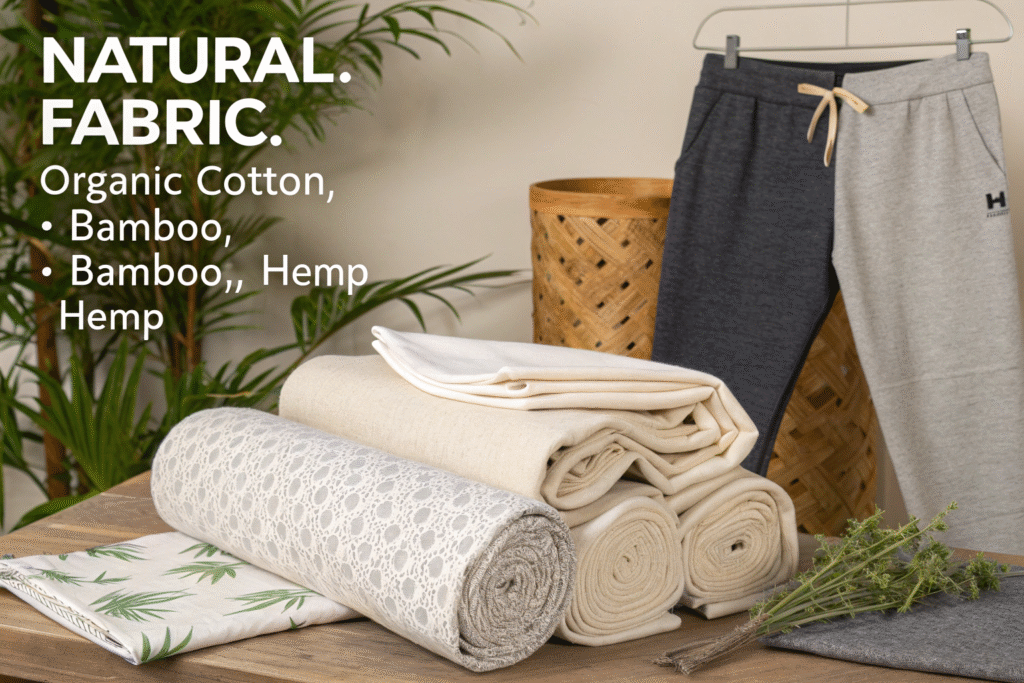
Organic cotton, bamboo, and hemp provide breathable, hypoallergenic options that are gentle on sensitive skin. These materials work particularly well for casual and athletic wear where flexibility and comfort are priorities.
Why is Organic Cotton a Safe Choice?
Certified organic cotton ensures no chemical exposure:
- No Pesticide Residues: Grown without synthetic pesticides that can linger in fibers
- Natural Dyes: Uses plant-based coloring instead of chemical dyes
- Breathable Construction: Allows air circulation that prevents irritation
- Easy Cleaning: Can be washed frequently without losing integrity
These qualities make organic cotton ideal for everyday casual belts that come into direct contact with skin.
How Do Bamboo and Hemp Provide Natural Protection?
These natural fibers offer inherent benefits:
- Bamboo's Natural Antimicrobial: Contains "bamboo kun" that resists bacteria growth
- Hemp's Breathability: Natural fiber structure allows excellent air circulation
- Moisture Wicking: Both materials pull moisture away from the skin
- Sustainable Sourcing: Environmentally friendly production processes
These natural fiber belts work well for active wear where sweat and friction might otherwise cause irritation.
What Metal Components Are Truly Hypoallergenic?
The buckle and metal hardware cause more allergic reactions than the belt material itself for many people. Nickel allergy is particularly common, affecting approximately 10-20% of the population. Choosing the right metals can completely eliminate this problem.
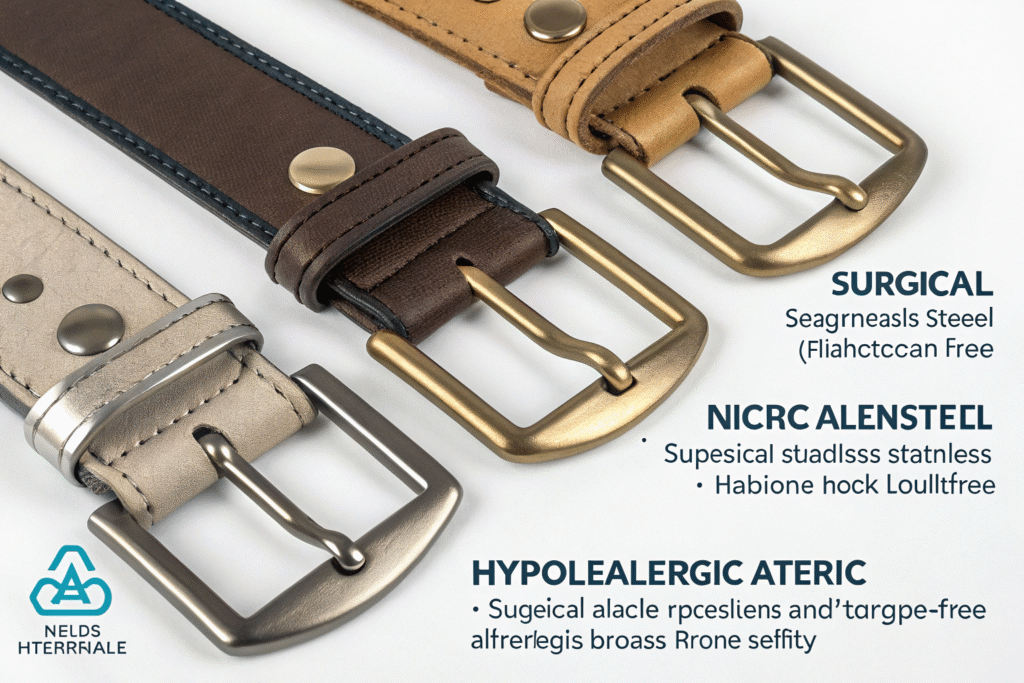
Surgical stainless steel, titanium, and nickel-free brass provide safe alternatives that don't trigger metal allergies. The material composition and manufacturing standards determine whether a metal is truly hypoallergenic.
Why is Surgical Stainless Steel the Safest Choice?
Medical-grade metals offer guaranteed safety:
- Nickel-Free Formulations: Specifically engineered to eliminate nickel content
- High-Purity Standards: Manufactured to medical device specifications
- Corrosion Resistance: Won't break down and release metal ions
- Smooth Finishes: Polished surfaces prevent irritation from rough edges
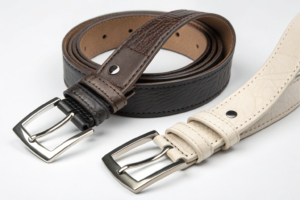
Our hypoallergenic buckle options use surgical-grade stainless steel to ensure compatibility with even the most metal-sensitive skin.
What About Coated Metals and Alternatives?
Other safe metal options include:
- Titanium: Completely nickel-free and biologically inert
- Nickel-Free Brass: Copper-zinc alloys without nickel additives
- PVD Coatings: Physical vapor deposition creates a barrier layer
- Polymer Buckles: Plastic composites that eliminate metal contact
Each option has different aesthetic and functional characteristics, allowing for customized solutions based on individual sensitivity levels.
How Can Design Minimize Skin Contact?
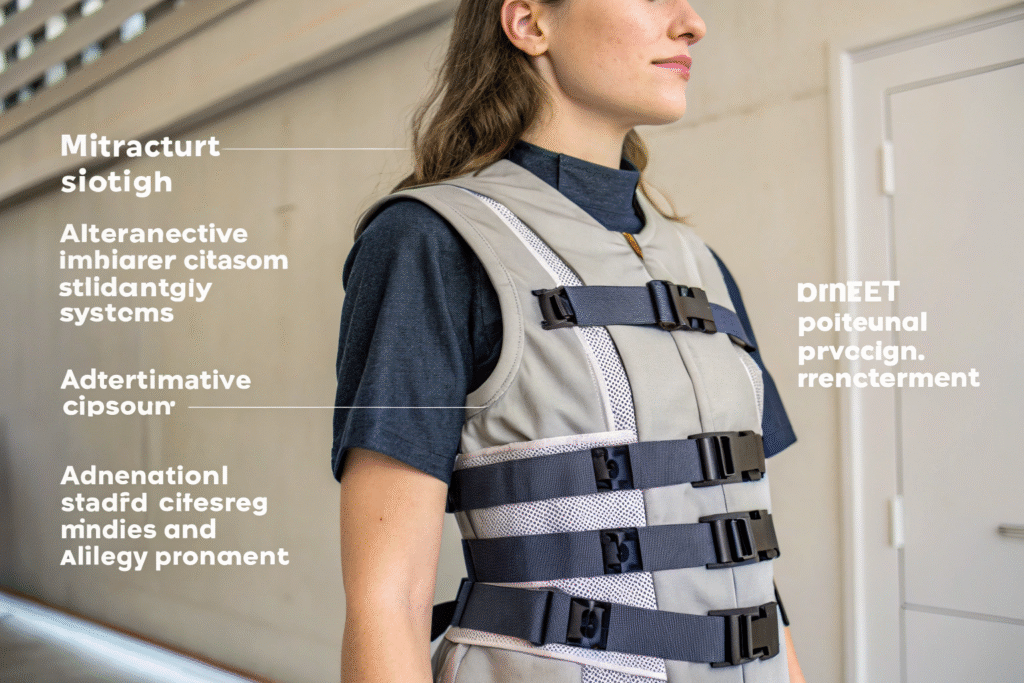
Beyond material selection, thoughtful design can significantly reduce the risk of allergic reactions. Designs that minimize direct skin contact with potential irritants provide an additional layer of protection for allergy-prone individuals.
Lined belts, alternative closure systems, and strategic material placement can create barriers between sensitive skin and potential allergens. These design features maintain style and functionality while providing enhanced safety.
What Role Do Linings and Barriers Play?
Protective layers add crucial protection:
- Full Linings: Create a complete barrier between skin and belt materials
- Cork Backing: Natural cork provides a hypoallergenic layer
- Fabric Interfaces: Cotton or silk layers prevent direct leather contact
- Edge Sealing: Proper edge treatment prevents material breakdown
These features are particularly important for dress belts that are worn directly against the skin for extended periods.
How Do Alternative Closure Systems Help?
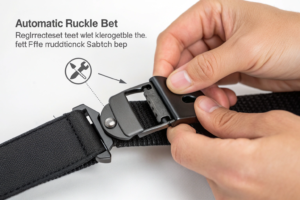
Innovative fastening methods reduce metal contact:
- Magnetic Clasps: Minimal metal exposure with easy operation
- D-Ring Systems: Reduce buckle surface area against skin
- Slide Buckles: Position metal components away from direct skin contact
- Knot Closures: Eliminate metal entirely for severe allergies
These alternative systems can be incorporated into fashion-forward designs while maintaining their protective functions.
Conclusion
The best belt materials for allergy-prone skin combine hypoallergenic leathers like vegetable-tanned full-grain, natural fabrics such as organic cotton and bamboo, safe metals including surgical stainless steel and titanium, and protective design elements like linings and alternative closures. By carefully selecting materials that avoid common allergens like nickel, chromium, and chemical dyes, and incorporating designs that minimize direct skin contact with potential irritants, people with sensitive skin can wear belts comfortably and confidently. Understanding these material options transforms belt wearing from a source of discomfort to an enjoyable accessory experience.
If you're developing belt collections for consumers with sensitive skin or allergies, our factory specializes in hypoallergenic materials and protective design features. Contact our Business Director, Elaine, at elaine@fumaoclothing.com to discuss creating safe, comfortable belt solutions for your customers.