The accessory industry faces a persistent challenge: belt odor caused by moisture, bacteria, and daily wear. Traditional belt materials often trap odors, creating unpleasant experiences for consumers and limiting product longevity. This problem is particularly acute in warm climates, during physical activity, or for people with active lifestyles who rely on belts as both functional and fashion items.
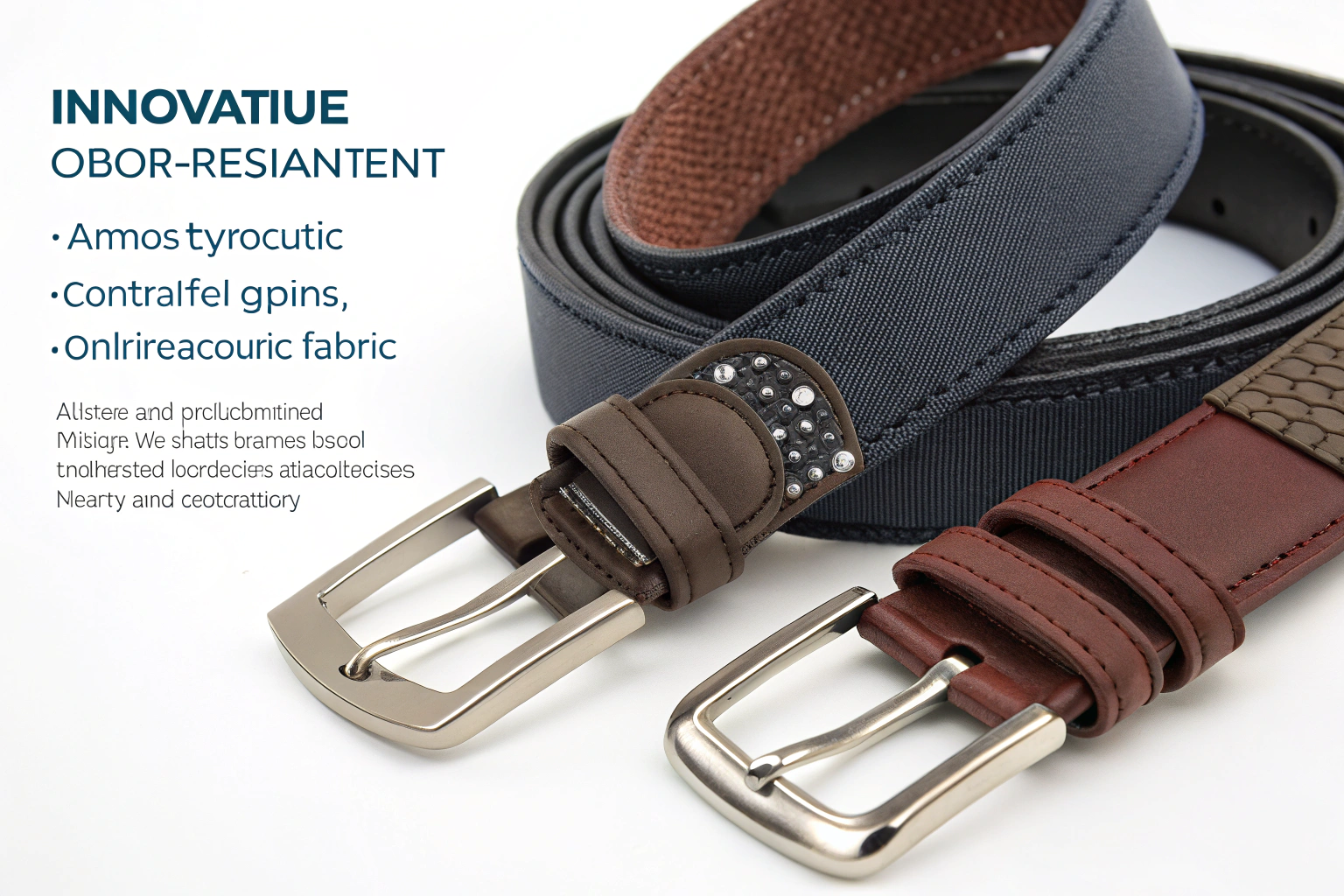
The top innovations in odor-resistant belt materials include nanotechnology coatings, antimicrobial fabric integrations, advanced leather treatments, smart polymer developments, and sustainable natural alternatives. These cutting-edge solutions work by either preventing bacterial growth, neutralizing odor molecules, or creating hostile environments for odor-causing microorganisms while maintaining the aesthetic and functional qualities consumers expect from quality belts.
As consumer awareness of hygiene and material technology grows, odor resistance has transformed from a niche feature to a significant competitive advantage in the accessories market. Understanding these innovations is crucial for brands seeking to meet evolving consumer expectations.
How Does Nanotechnology Revolutionize Odor Prevention?
Nanotechnology represents the frontier of odor prevention in belt materials, offering invisible protection that doesn't compromise aesthetics or comfort.
What Are Nano-Silver and Copper Infusions?
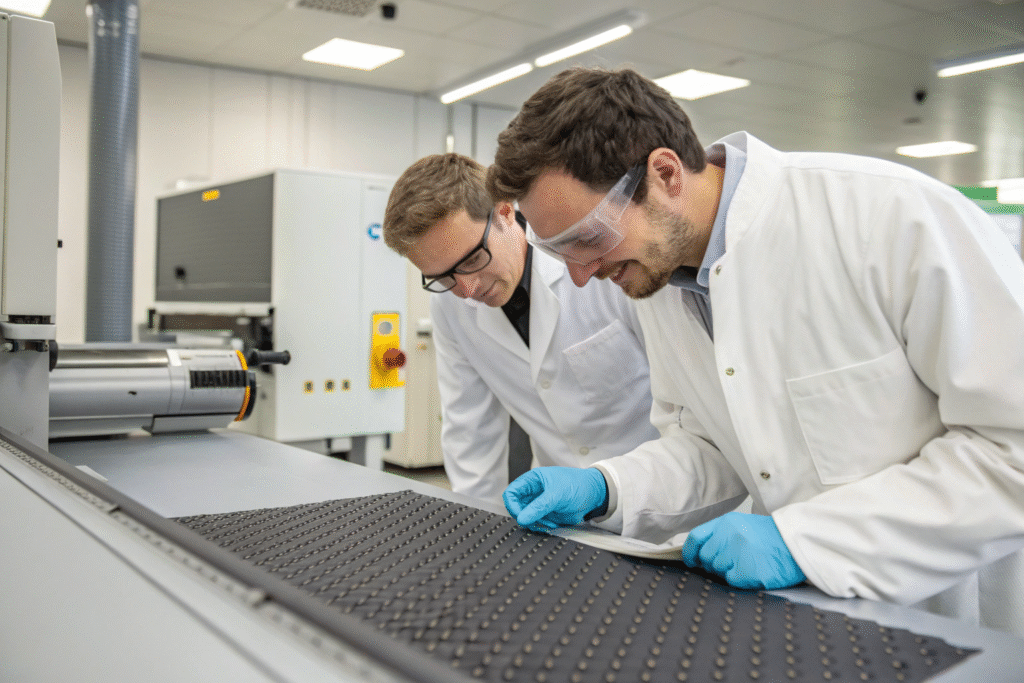
Nano-silver and copper infusions represent groundbreaking antimicrobial technology in belt manufacturing. These microscopic metal particles are integrated directly into belt materials during production, creating continuous protection throughout the product's lifespan. The nanoparticles release ions that disrupt bacterial cell membranes, preventing the growth of odor-causing microorganisms before they can multiply.
The advantage of nanotechnology lies in its permanence and comprehensiveness. Unlike surface treatments that wear away, integrated nanoparticles maintain their efficacy through years of use. Silver nanoparticles particularly excel against a broad spectrum of bacteria, while copper nanoparticles show exceptional effectiveness against fungi and molds. Both materials are approved for consumer use and present no health risks when properly incorporated into belt materials.
How Do Photocatalytic Coatings Work?
Photocatalytic coatings utilizing titanium dioxide nanoparticles represent another innovative approach to odor prevention. These coatings activate when exposed to light, breaking down organic compounds including odor molecules and bacteria. The process essentially "digests" odor-causing elements at the molecular level, eliminating odors rather than merely masking them.
What makes photocatalytic coatings particularly innovative is their self-renewing nature. The chemical reaction doesn't consume the titanium dioxide, meaning the protection continues indefinitely as long as light exposure occurs. This technology proves especially effective for belt exteriors that receive regular light exposure during daily wear, providing continuous odor elimination throughout the day without requiring special consumer intervention.
What Advanced Leather Treatments Combat Odor?
Traditional leather presents particular odor challenges due to its organic nature, but recent treatments have transformed its performance characteristics.
How Does Modified Tanning Improve Odor Resistance?
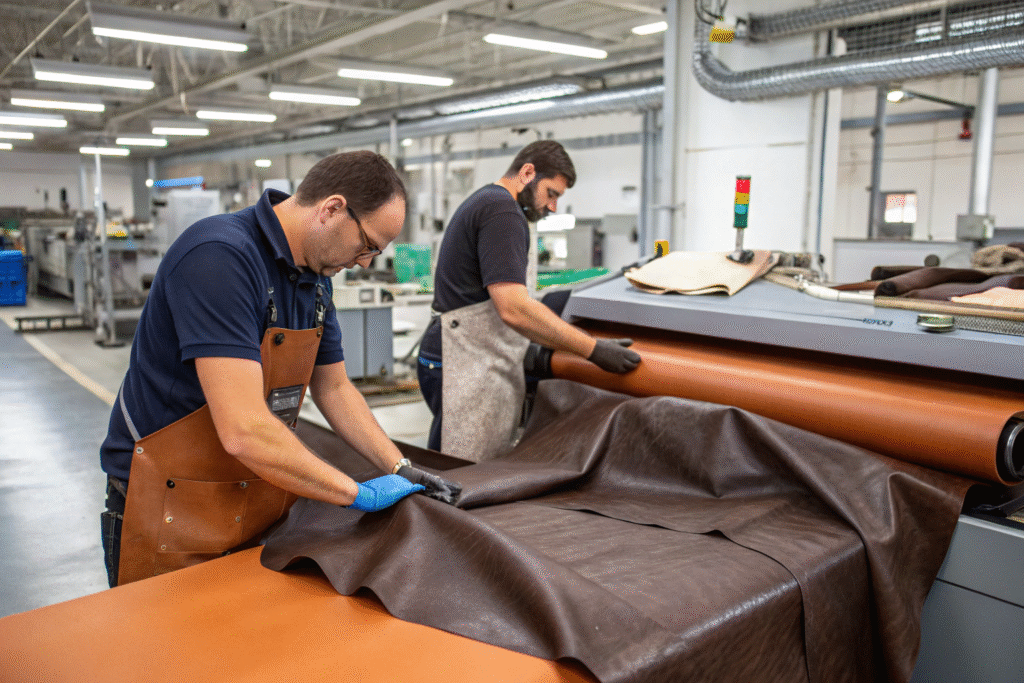
Advanced tanning processes now incorporate zinc and other metal complexes that provide inherent odor resistance from the earliest production stages. Unlike traditional chrome tanning that focuses primarily on preservation, these modified processes integrate antimicrobial properties directly into the leather structure. The metal complexes bind with collagen fibers, creating permanent protection that survives throughout the leather's lifespan.
The most effective treatments utilize synergistic combinations of zinc, silver, and organic compounds that work at multiple levels to prevent odor formation. These advanced tanning methods not only resist microbial growth but also reduce the leather's capacity to absorb moisture where bacteria thrive. The result is leather that maintains its natural breathing qualities while significantly reducing the environmental factors that lead to odor development.
What Role Do Molecular Sealants Play?
Nanoscale sealants represent a breakthrough in leather protection technology. These penetrating treatments create molecular barriers that prevent odor-causing compounds from embedding in the leather's porous structure. Unlike traditional surface coatings that can alter leather's hand feel, molecular sealants protect without compromising the material's natural characteristics.
The most advanced sealants utilize fluorocarbon polymers that organize at the molecular level to create oil- and water-repellent surfaces. By preventing the absorption of sweat and oils where bacteria multiply, these treatments address odor formation at its source. The protection remains effective through cleaning and conditioning, providing long-term odor management that complements the leather's natural durability.
What Synthetic Material Breakthroughs Prevent Odor?
Synthetic belts have embraced odor-resistant technologies that often surpass natural materials in performance and consistency.
How Do Antimicrobial Polymers Work?
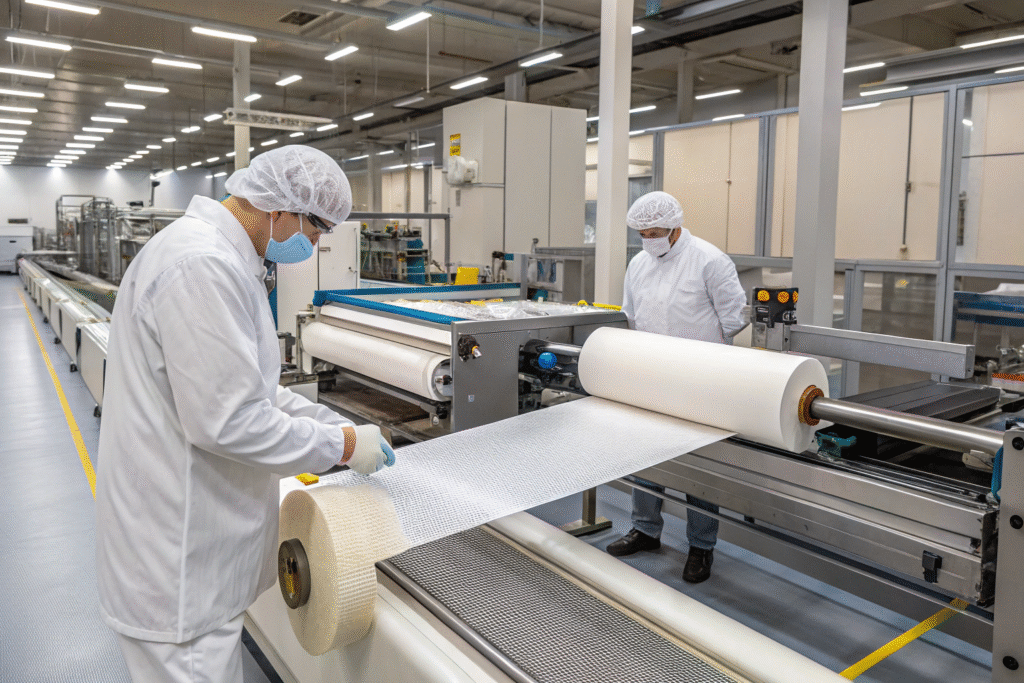
Engineered polymers with built-in antimicrobial properties represent a fundamental shift in synthetic belt production. These materials incorporate antimicrobial agents during the polymer formation stage, ensuring even distribution throughout the material rather than relying on surface applications. The technology creates hostile environments for bacteria at the cellular level, preventing colonization before it begins.
The advantage of integrated antimicrobial polymers lies in their durability and consistency. Unlike coated materials where protection can wear unevenly, integrated protection maintains consistent efficacy across the entire product surface. These polymers are particularly valuable in woven nylon and polyester belts where moisture wicking combines with odor prevention, creating ideal performance characteristics for active lifestyle products.
What Makes Recycled Materials with Odor Control Special?
The integration of odor control into recycled materials represents a dual environmental and functional achievement. Advanced recycling processes now incorporate odor-neutralizing technologies during the material reformation stage, creating sustainable products that outperform conventional materials. This approach addresses both waste reduction and performance enhancement simultaneously.
These recycled materials often utilize carbon-based odor capture systems derived from renewable sources. The technology works through adsorption rather than antimicrobial action, trapping odor molecules in microscopic pores within the material. This mechanism proves particularly effective against sulfur-based compounds responsible for persistent unpleasant odors, providing comprehensive protection that complements the environmental benefits of recycled materials.
How Do Natural Material Innovations Compare?
Natural material innovations offer compelling alternatives for consumers seeking both performance and sustainability.
| Material Type | Odor Resistance Mechanism | Durability | Sustainability Profile |
|---|---|---|---|
| Bamboo Charcoal Infused | Adsorption of odor molecules | Excellent | Highly renewable, biodegradable |
| Hemp with Natural Antimicrobials | inherent resistance to microbial growth | Very Good | Low water requirement, carbon negative |
| Cork with Protective Sealants | Natural suberin combined with modern treatments | Good | Renewable harvesting, biodegradable |
| Organic Cotton with Silver Ion Treatment | Microbial prevention through metal ions | Good | Renewable with chemical reduction |

What Advantages Does Bamboo Charcoal Offer?
Bamboo charcoal represents a remarkable natural odor solution through its incredible adsorption capabilities. The material's microporous structure creates vast surface areas that trap odor molecules effectively. When integrated into belt materials, bamboo charcoal works continuously to remove odors without chemical action, making it ideal for consumers with sensitive skin or chemical allergies.
The production process for bamboo charcoal utilizes fast-growing bamboo in closed systems that capture and repurpose emissions, creating an exceptionally sustainable odor solution. The charcoal maintains its efficacy through washing and wear, providing long-term odor management that aligns with consumer desires for both natural ingredients and lasting performance.
How Effective Are Natural Antimicrobial Fibers?
Certain natural fibers possess inherent antimicrobial properties that modern processing enhances rather than diminishes. Hemp, for instance, contains natural compounds that resist microbial growth, while wool's lanolin provides inherent protection. Advanced processing methods preserve these natural benefits while improving the materials' durability and comfort for belt production.
The innovation lies in combining these natural properties with modern manufacturing techniques that enhance rather than compromise their innate characteristics. The result is materials that provide effective odor resistance through multiple mechanisms while maintaining complete biodegradability at the end of their lifespan. This approach represents the ideal convergence of traditional material wisdom and modern performance requirements.
Conclusion
Odor-resistant belt materials have evolved from simple chemical treatments to sophisticated integrated systems that address odor prevention at multiple levels. The most effective solutions combine immediate odor neutralization with long-term prevention strategies, creating products that remain fresh throughout their lifespan while maintaining aesthetic and functional qualities.
The continuing innovation in this field demonstrates the industry's responsiveness to consumer concerns about hygiene, sustainability, and product longevity. Brands that embrace these technologies position themselves at the forefront of market trends while delivering tangible benefits that consumers immediately appreciate.
Ready to incorporate advanced odor-resistant technology into your belt collections? Contact our Business Director, Elaine, at elaine@fumaoclothing.com to discuss how our innovative material solutions can enhance your product offerings and competitive positioning.