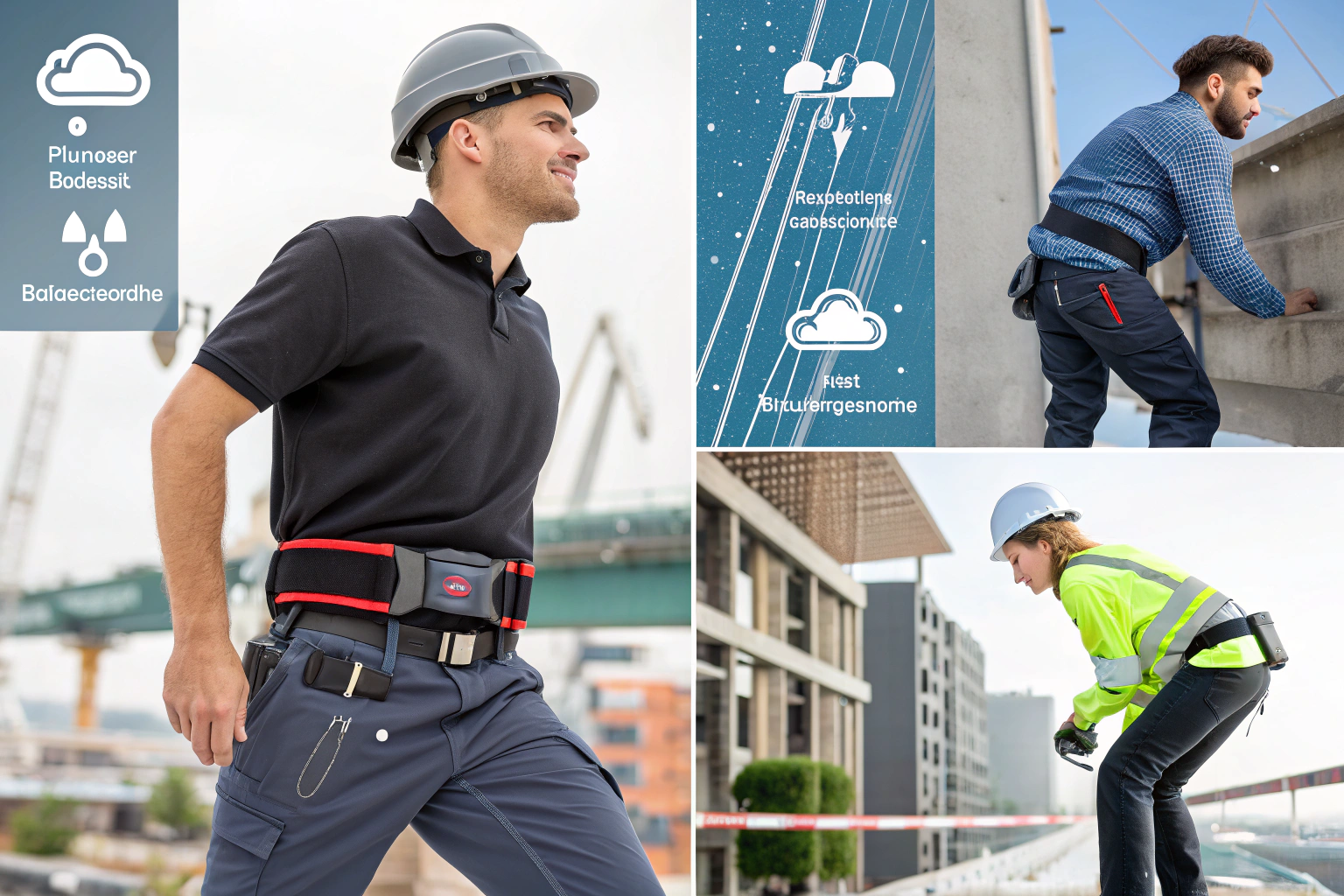
Active consumers and professionals in warm environments face a common problem: moisture buildup where belts contact clothing and skin. This creates discomfort, odor issues, and can even lead to skin irritation. Traditional belt linings made of leather or basic synthetics trap moisture rather than managing it, making them unsuitable for active use or warm climates.
The top innovations in sweat-wicking belt linings include advanced moisture-transport textiles, phase-change materials for temperature regulation, antimicrobial treatments for odor control, and seamless construction techniques that eliminate irritation points. These technologies work together to keep wearers dry, comfortable, and fresh even during physical activity or in hot conditions.
The demand for performance-oriented accessories has driven significant innovation in moisture management technologies. This article explores the most effective sweat-wicking solutions transforming belt comfort and how to identify manufacturers capable of implementing these advanced textile technologies.
How Do Advanced Moisture-Transport Technologies Work?
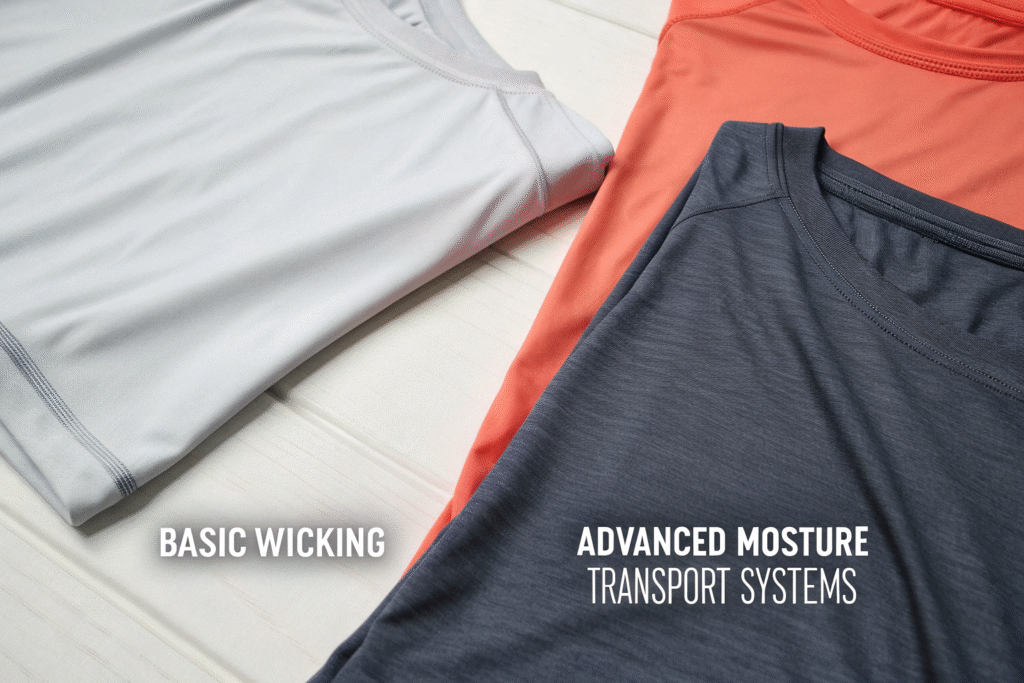
Basic wicking fabrics simply move moisture away from the skin, but advanced systems manage moisture throughout the entire drying process. Understanding these mechanisms helps identify truly innovative linings versus basic treated fabrics.
Advanced moisture-transport systems combine capillary action through micro-channel fibers, rapid evaporation enhancement, and moisture dispersion across larger surface areas. This multi-stage approach doesn't just move sweat—it accelerates the entire drying process to maintain comfort during continuous activity.
What Makes Multi-Layer Fabric Construction Effective?
Advanced sweat-wicking linings often feature stratified layer construction with each layer serving a specific function. The inner layer rapidly pulls moisture away from skin through capillary action, the middle layer distributes moisture across a broader area, and the outer layer facilitates rapid evaporation. This systematic approach prevents the "soggy" feeling that occurs when moisture accumulates in single-layer systems.
How Do Engineered Fiber Cross-Sections Enhance Wicking?
Traditional round fibers offer limited surface area for moisture movement. Advanced technical fibers feature star-shaped, cross-shaped, or channeled cross-sections that create more pathways for capillary action. These engineered shapes significantly increase the speed of moisture transport while using less material, maintaining breathability while improving performance.
What Role Do Phase-Change Materials Play in Comfort?
Temperature regulation represents the next frontier in belt comfort, moving beyond simple moisture management to actively moderate skin temperature. Phase-change materials (PCMs) provide this advanced functionality through scientific principles previously available only in high-performance athletic wear.
Phase-change materials absorb excess body heat when temperatures rise and release stored heat when temperatures drop, creating a microclimate temperature buffer around the wearer's waist. This technology maintains more consistent comfort levels despite changing activity levels or environmental conditions.

How Do PCM Microcapsules Function in Textile Applications?
Phase-change materials are typically incorporated into textiles through microencapsulation technology that embeds microscopic PCM capsules within fibers or coatings. These capsules contain materials that change from solid to liquid as they absorb heat, providing a cooling effect without ever feeling wet or changing the fabric's hand feel. The process is completely reversible, allowing continuous temperature regulation.
What Temperature Ranges Are Most Effective for Belt Applications?
The melting points of PCMs can be engineered for specific applications. For belt linings, the most effective range falls between 28°C and 32°C (82°F-90°F), corresponding to typical skin temperatures during light to moderate activity. This targeted temperature regulation prevents both overheating during activity and chilling during rest periods, maintaining optimal comfort across varying conditions.
How Are Antimicrobial Innovations Controlling Odor?
Moisture management alone doesn't address the odor issues caused by bacterial growth in damp environments. Advanced antimicrobial technologies now provide lasting odor control without the drawbacks of earlier solutions that relied heavily on silver or chemical treatments.
Modern antimicrobial approaches include built-in odor-neutralizing technologies, biofilm prevention, and self-cleaning surface treatments that remain effective through numerous wash cycles. These innovations work proactively rather than reactively to prevent odor formation at its source.
What Makes Next-Generation Antimicrobial Treatments More Sustainable?
Early antimicrobial technologies often used silver ions or triclosan, which faced environmental and health concerns. Newer approaches utilize zinc-based compounds and enzyme-based systems that break down odor molecules without releasing potentially harmful substances. These sustainable alternatives provide effective odor protection while addressing growing consumer concerns about chemical exposure.
How Do Biofilm Prevention Technologies Enhance Freshness?
Bacteria create protective biofilms that make them resistant to simple antimicrobial treatments. Advanced linings incorporate biofilm disruption technology that prevents bacterial colonization at the surface level. This proactive approach stops odor before it starts, rather than trying to eliminate odor after bacteria have established themselves in the fabric.
| Innovation Type | Mechanism | Performance Benefit |
|---|---|---|
| Capillary Channel Fibers | Multi-channel fiber cross-sections | 40% faster moisture transport |
| Phase-Change Materials | Heat absorption/release at specific temperatures | Maintains comfort across 15°F temperature range |
| Enzyme-Based Odor Control | Molecular breakdown of odor compounds | Lasting freshness through 50+ washes |
| Seamless Laser Cutting | Elimination of stitching and edges | Complete elimination of chafing points |
What Manufacturing Advances Enable These Innovations?
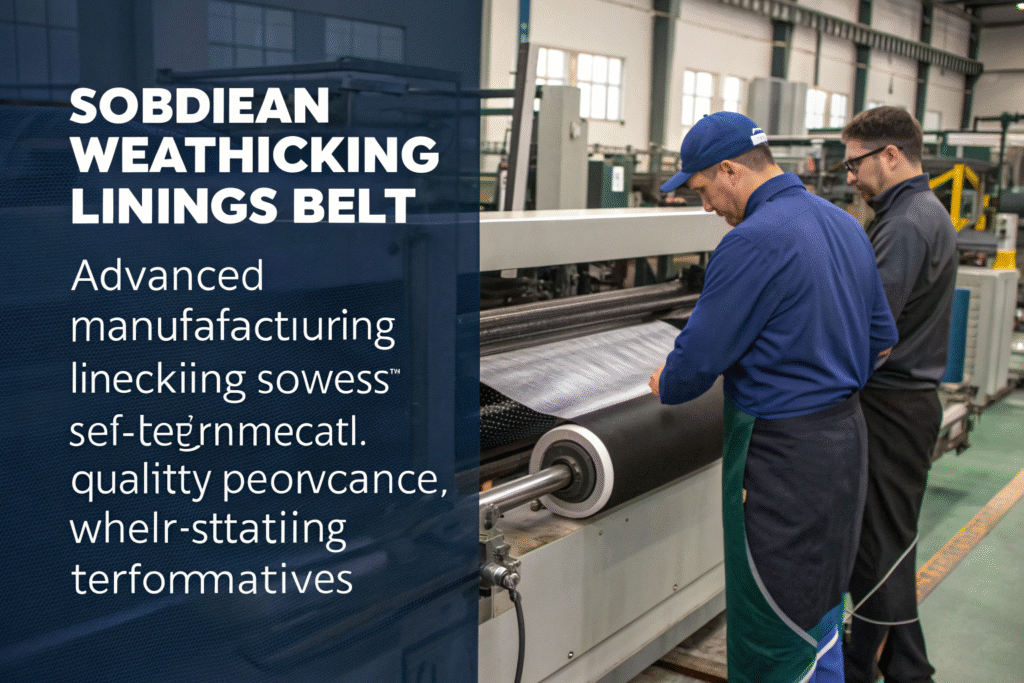
The sophisticated technologies behind modern sweat-wicking linings require equally advanced manufacturing techniques. Traditional belt production methods cannot properly integrate these performance features without compromising durability or aesthetics.
Advanced bonding techniques, precision application equipment, and specialized quality control processes enable the successful integration of high-tech linings into belt production. These manufacturing capabilities separate suppliers who can truly deliver performance features from those simply applying treatments to standard materials.
How Does Ultrasonic Welding Replace Problematic Stitching?
Traditional stitching creates holes that compromise moisture barrier properties and can create irritation points. Ultrasonic welding technology uses high-frequency vibrations to bond materials at a molecular level without perforations. This technique creates stronger, completely waterproof seams while eliminating the chafing and leakage issues associated with needle holes.
What Quality Control Measures Ensure Consistent Performance?
High-tech linings require verification beyond simple visual inspection. Manufacturers need moisture transport testing equipment to quantitatively measure wicking speed and drying rates. This data-driven approach ensures consistent performance across production runs rather than relying on subjective assessments that can miss variations in technical textile performance.
Conclusion
Innovations in sweat-wicking belt linings have evolved far beyond basic moisture management to incorporate temperature regulation, odor control, and enhanced comfort through advanced materials and construction techniques. These technologies collectively address the real-world challenges faced by active individuals and professionals working in demanding environments. By understanding these innovations and the manufacturing capabilities required to implement them effectively, brands can deliver genuine performance benefits that meet evolving consumer expectations for comfort and functionality.
Ready to integrate advanced sweat-wicking technologies into your belt collections? At StylishBelts, we specialize in performance-oriented manufacturing with expertise in moisture management technologies. Contact our Business Director Elaine today at elaine@fumaoclothing.com to develop belts that deliver unmatched comfort in active environments.